
Daily Mental Health Score Calculator
Rate how well you fulfilled each of these five mental health pillars today. Be honest with yourself—this is for your benefit.
Your Daily Score
Quick Tip:
Consistency beats intensity. Start with one small change today.
Feeling stuck in a loop of anxiety or low mood is more common than you might think. In fact, according to recent data from the World Health Organization, nearly one in four people will experience a mental health issue at some point. You don’t have to wait for a crisis to take action. Small, consistent changes can shift your baseline significantly. Here are five practical, evidence-backed ways to improve your mental health right now.
1. Prioritize Physical Movement as Therapy
We often treat exercise and mental health as separate goals, but they are deeply intertwined. When you move your body, you aren't just burning calories; you're triggering a cascade of neurochemical changes. Physical activity stimulates the release of endorphins and serotonin, natural mood lifters that reduce feelings of depression and anxiety.
You don’t need to run a marathon to see benefits. A brisk 30-minute walk outside can lower cortisol levels, the stress hormone that keeps your body in "fight or flight" mode. Research published in the Journal of Psychiatric Research shows that regular aerobic exercise can be as effective as medication for mild to moderate depression. The key is consistency, not intensity. Try to find movement you actually enjoy-whether it’s dancing, swimming, or gardening-so it feels like a reward rather than a chore.
2. Cultivate Strong Social Connections
Loneliness is a silent epidemic. Humans are social creatures by design, and isolation can be as damaging to your health as smoking 15 cigarettes a day. Building strong relationships isn’t just about having a large friend group; it’s about the quality of your connections. Deep, meaningful interactions trigger the release of oxytocin, which promotes trust and bonding while reducing stress.
If you’re feeling isolated, start small. Reach out to one person you trust this week. It could be a text message, a phone call, or inviting someone for coffee. Joining clubs, classes, or community groups based on shared interests can also help you meet like-minded people. Remember, vulnerability is strength. Sharing your struggles with others often leads to deeper connections and reduces the shame associated with mental health challenges.

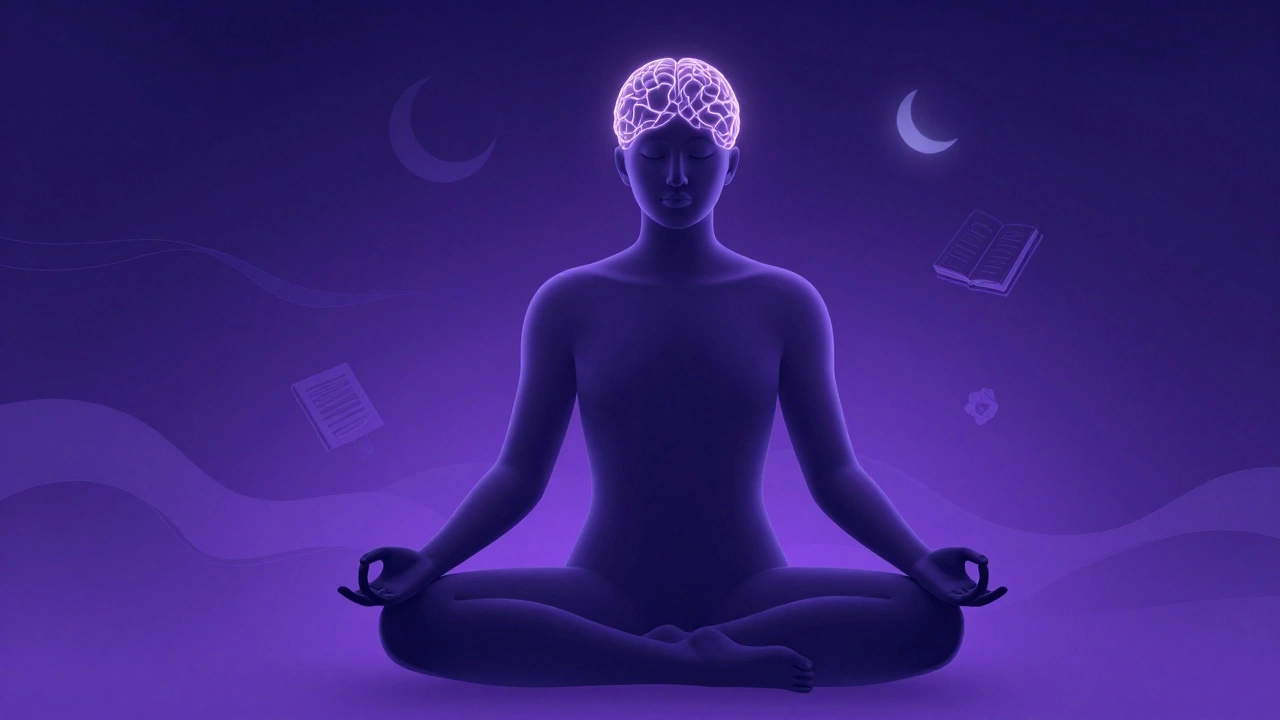
3. Practice Mindfulness and Meditation
In our fast-paced world, our minds are constantly racing between past regrets and future worries. Mindfulness is the practice of anchoring yourself in the present moment without judgment. It doesn’t mean emptying your mind; it means observing your thoughts without getting swept away by them.
Studies using MRI scans have shown that regular meditation can increase gray matter density in brain regions associated with learning, memory, and emotional regulation. Even ten minutes of daily mindfulness practice can reduce symptoms of anxiety and improve focus. Apps like Headspace or Calm can guide beginners, but simple breathing exercises work too. Try the 4-7-8 technique: inhale for 4 seconds, hold for 7, and exhale slowly for 8. This activates your parasympathetic nervous system, calming your body instantly.
4. Optimize Your Sleep Hygiene
Sleep is the foundation of mental resilience. Poor sleep disrupts emotional processing, making you more reactive to stress and less able to cope with daily challenges. Chronic sleep deprivation is linked to higher risks of depression, anxiety, and even psychosis. Aim for 7-9 hours of quality sleep each night.
To improve your sleep hygiene, create a consistent routine. Go to bed and wake up at the same time every day, even on weekends. Limit exposure to blue light from screens at least an hour before bed, as it suppresses melatonin production. Keep your bedroom cool, dark, and quiet. If racing thoughts keep you awake, try journaling them down before bed to clear your mind. Treating insomnia seriously is treating your mental health seriously.
5. Seek Professional Support When Needed
There is no shame in asking for help. Sometimes, self-help strategies aren’t enough, and that’s okay. Therapy, such as Cognitive Behavioral Therapy (CBT), provides tools to identify and change negative thought patterns. A therapist offers a safe, non-judgmental space to explore your emotions and develop coping mechanisms tailored to your needs.
In New Zealand, services like Healthline (dial 0800 611 116) provide free, confidential support 24/7. Many employers also offer Employee Assistance Programs (EAPs) that include counseling sessions. Don’t wait until you’re in crisis to seek help. Early intervention prevents minor issues from becoming major problems. Finding the right therapist might take time, but the investment in your well-being is worth it.
| Strategy | Key Benefit | Actionable Step |
|---|---|---|
| Physical Exercise | Reduces cortisol, boosts endorphins | Walk 30 mins daily |
| Social Connection | Lowers loneliness, increases oxytocin | Contact one friend weekly |
| Mindfulness | Improves emotional regulation | Meditate 10 mins daily |
| Sleep Hygiene | Enhances cognitive function | No screens 1 hour before bed |
| Professional Therapy | Addresses root causes | Consult a GP or counselor |
Putting It All Together
Improving mental health isn’t about perfection; it’s about progress. You don’t need to implement all five strategies overnight. Pick one or two that resonate with you and start there. Consistency beats intensity every time. Over time, these habits compound, creating a stronger foundation for your emotional well-being. Remember, your mental health is a priority, not a luxury. Take care of yourself today so you can thrive tomorrow.
How long does it take to see improvements in mental health?
Results vary by individual and strategy. Some people feel better after a single workout or good night's sleep. For sustained changes like therapy or mindfulness practices, noticeable improvements often appear within 4-8 weeks of consistent effort.
Is online therapy as effective as in-person sessions?
Yes, numerous studies show that teletherapy is equally effective for many conditions, including anxiety and depression. It offers greater convenience and accessibility, especially for those in remote areas like parts of New Zealand.
What should I do if I'm having a mental health crisis?
If you're in immediate danger, call emergency services (111 in NZ). For urgent support, contact Healthline (0800 611 116) or visit your nearest hospital emergency department. You are not alone, and help is available.
Can diet really affect my mental health?
Absolutely. Emerging research in nutritional psychiatry links gut health to brain function. Diets rich in fruits, vegetables, whole grains, and omega-3 fatty acids support neurotransmitter production, potentially reducing symptoms of depression.
How do I know if I need professional help?
If your emotional distress interferes with daily life, work, or relationships for more than two weeks, it’s time to seek professional advice. Trust your instincts-if something feels wrong, it probably is.