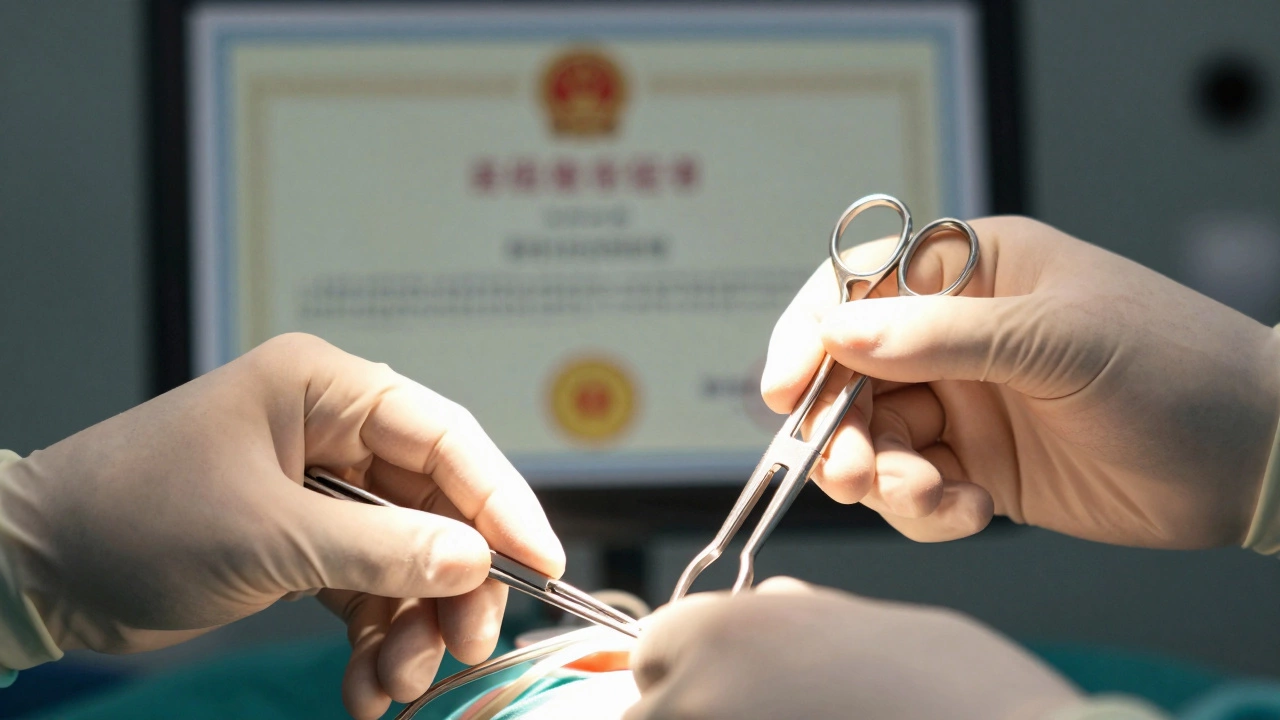
Breast Lift Surgeon Quality Checker
This tool helps you evaluate breast lift surgeons based on key factors from the article. Focus on these criteria rather than country reputation.
1. Board Certification: Verified plastic surgery certification (e.g., ABPS, GMC)
2. Experience: Years specializing in breast procedures
3. Procedure Volume: Number of breast lifts performed annually
4. Clinic Accreditation: JCI, AAAHC or local health authority accreditation
5. Aftercare Support: Remote follow-up or local emergency contacts
Key factors to check:
- Verify certification through official boards
- Ask for complication rates
- Review before/after photos
- Confirm aftercare support for travelers
Breast lift surgery is a procedure designed to lift and reshape sagging breasts. Also known as mastopexy, it's commonly sought for aesthetic reasons after pregnancy, weight loss, or aging. However, the idea that one country offers the 'best' breast lift is a myth.
Why There's No 'Best Country' for Breast Lift Surgery
When people ask which country has the best breast lift, they often expect a straightforward answer. But reality doesn't work that way. The quality of your surgery depends on the individual surgeon and clinic-not the country you choose. A top surgeon in a country with looser regulations might deliver better results than an average surgeon in a country with strict rules. For example, a Brazilian plastic surgeon with decades of experience might outperform a UK surgeon who's less specialized in breast procedures. What matters is the surgeon's skill, not the country's reputation.
Medical tourism websites often push the idea that certain countries are 'best' for cosmetic surgery. But this is mostly marketing. They want you to travel somewhere specific. In truth, the 'best' option is the one that matches your unique body, goals, and safety needs. Focusing on a country alone ignores critical details like the surgeon's experience, clinic safety, and aftercare support.
Key Factors That Actually Matter
Instead of chasing a 'best country', focus on these five factors:
- Surgeon qualifications: Check for board certification in plastic surgery. In the US, look for ABPS certification; in the UK, GMC registration with plastic surgery specialization. Ask how many breast lifts they've performed and request before-and-after photos.
- Clinic safety standards: Verify the clinic is accredited by recognized bodies like JCI (Joint Commission International) or local health authorities. Unaccredited clinics may cut corners on sterilization or emergency equipment.
- Aftercare support: Recovery requires follow-up care. If you're traveling, ensure the clinic provides remote support or has a local partner for post-op checks. Complications like infection or asymmetry need timely treatment.
- Realistic expectations: Breast lift surgery reshapes but doesn't stop aging. Discuss with your surgeon what results you can realistically expect. Avoid clinics promising 'perpetual youth'-that's a red flag.
- Cost vs. value: The cheapest option often hides risks. A $3,000 breast lift in Turkey might seem great, but if complications arise, you'll pay more for corrective surgery later. Focus on total value, not just upfront cost.
Common Countries Mentioned (and Why They're Not 'Best')
Let's look at countries often touted as 'best' for breast lift surgery-and why they're not universally superior:
United Kingdom
UK clinics follow strict regulations. Surgeons must be registered with the General Medical Council (GMC) and specialize in plastic surgery. This ensures high safety standards. However, costs are high-typically £4,500 to £7,000. Waiting times for NHS procedures are long, so private clinics are the main option. While safe, the UK isn't 'best' for everyone due to price and limited availability.
United States
The US has advanced techniques and board-certified plastic surgeons (ABPS). But costs vary wildly: $6,000 to $12,000 depending on location and surgeon. Insurance rarely covers cosmetic procedures, making it expensive. Some states have lax regulations, so clinic quality varies. The US is great for those near top-tier surgeons but not a one-size-fits-all solution.
Brazil
Brazil is famous for cosmetic surgery. Many surgeons are highly skilled, and procedures are common. However, quality varies significantly. Not all clinics meet international safety standards. The Brazilian Society of Plastic Surgery sets guidelines, but enforcement isn't consistent. Costs range from $3,500 to $6,000. While many patients have great outcomes, the risk of complications is higher than in regulated countries like the UK or US.
South Korea
South Korea excels in natural-looking results and advanced techniques. Surgeons often specialize in facial and breast procedures. But language barriers can complicate communication. Aftercare is usually excellent locally, but traveling home for follow-ups is tricky. Costs are moderate ($4,000 to $7,000), but cultural differences may affect your experience. It's not 'best' unless you're comfortable navigating these challenges.
Turkey
Turkey is popular for affordable breast lifts-$2,500 to $4,500. Many clinics target medical tourists. However, this affordability often comes with risks. Some clinics prioritize volume over quality, leading to higher complication rates. Aftercare is minimal for travelers, and emergency support is limited. While some surgeons are excellent, the industry lacks consistent regulation. Turkey is a gamble, not a 'best' choice.
How to Choose Safely
Here’s how to avoid the 'best country' trap and find the right option:
- Verify surgeon credentials: Check the surgeon's board certification through official medical boards. In the US, use the American Board of Plastic Surgery's directory. In the UK, search the General Medical Council register. For international surgeons, look for certification from recognized bodies like the International Board of Cosmetic Surgery. Always ask for proof of certification during consultations.
- Visit the clinic in person: If possible, schedule a consultation. Assess the clinic's cleanliness, staff professionalism, and how they handle your questions. A rushed or dismissive consultation is a warning sign.
- Ask about complication rates: Reputable surgeons will share their complication rates for breast lifts. If they refuse or give vague answers, walk away. Typical complication rates for mastopexy are 5-15%, but should be lower for experienced surgeons.
- Review patient testimonials: Look for detailed reviews on independent platforms like RealSelf or Trustpilot. Avoid clinics with only star ratings-read actual experiences about aftercare and results.
- Plan for aftercare: Ensure the clinic provides clear post-op instructions and support. If traveling, confirm they have a local contact for emergencies. Recovery typically takes 2-4 weeks, so you'll need time to heal before flying home.

The Real Takeaway
There's no single 'best country' for breast lift surgery. What matters is finding a qualified surgeon and a reputable clinic that prioritizes your safety and goals. Don't let marketing claims about 'best countries' cloud your judgment. Instead, focus on the specifics: surgeon experience, clinic standards, and your personal needs. Your health and results are worth the extra research.
Frequently Asked Questions
Is there a country with the safest breast lift surgery?
Safety depends on the clinic and surgeon, not the country. Countries like the UK and US have strict regulations, but even there, unaccredited clinics exist. Always verify a clinic's accreditation (like JCI) and surgeon credentials. A well-regulated clinic in any country is safer than a 'top' country's unregulated provider.
How do I verify a surgeon's credentials?
Check official medical board websites. In the US, use the American Board of Plastic Surgery's directory. In the UK, search the General Medical Council register. For international surgeons, look for certification from recognized bodies like the International Board of Cosmetic Surgery. Always ask for proof of certification during consultations.
What's the average cost of a breast lift in different countries?
Costs vary widely: UK (£4,500-£7,000), US ($6,000-$12,000), Brazil ($3,500-$6,000), South Korea ($4,000-$7,000), Turkey ($2,500-$4,500). But cheap prices often mean lower quality. Always factor in total costs like travel, accommodation, and potential revision surgery. The lowest price isn't always the best value.
Can I travel for breast lift surgery safely?
Yes, but only with careful planning. Choose a clinic with strong aftercare support for travelers. Ensure you can stay locally for 2-4 weeks post-surgery. Avoid clinics that rush you home or don't provide emergency contacts. Always get a detailed post-op care plan and know how to reach the surgeon if complications arise.
What are the most common complications from breast lift procedures?
Common complications include infection (5-10% of cases), asymmetry, scarring issues, and loss of nipple sensation. More serious risks like blood clots or necrosis are rare but possible. Choosing an experienced surgeon and following post-op instructions reduces these risks. Always discuss potential complications during your consultation.
How long does recovery take after a breast lift?
Initial recovery takes 1-2 weeks, with swelling and bruising. Most people return to light work in 10-14 days. Full healing takes 6-8 weeks, during which you should avoid heavy lifting and strenuous activity. Traveling home too soon can worsen swelling or cause complications. Always plan to stay near the clinic for at least 2 weeks.
Should I choose a surgeon based on their country or their individual experience?
Always prioritize the surgeon's individual experience over their country. A surgeon in Brazil with 20 years of breast lift experience may be better than a less experienced surgeon in the UK. Research the surgeon's specific background, patient reviews, and complication rates-not just where they practice. Country reputation is secondary to the individual's expertise.
Are there countries where breast lift surgery is cheaper but still safe?
Some countries like Mexico or Thailand offer lower costs with reasonable safety standards, but quality varies. Always verify accreditation and surgeon credentials. For example, a JCI-accredited clinic in Mexico might be safe and affordable ($3,000-$5,000). However, avoid places with no regulation or where medical tourism is the primary focus. Safety should never be traded for cost savings.
How do I know if a surgeon is truly qualified?
Ask to see their board certification and verify it online. Request to see before-and-after photos of actual patients. Check if they've published research or taught other surgeons. A qualified surgeon will answer all questions transparently and never pressure you into surgery. If they dismiss your concerns or rush you, find someone else.
What should I look for in a clinic's safety standards?
Look for accreditation from bodies like JCI, AAAHC, or local health authorities. Check if the clinic has emergency equipment like defibrillators and trained staff. Ask about their sterilization protocols and how they handle complications. A safe clinic will openly share this information and have a clear emergency response plan.