💰 Medical Tourism Cost Calculator
Compare the realistic total expense of getting breast implants abroad vs. at home. This tool accounts for surgeon fees, travel, recovery stay, and a recommended safety buffer.
Cost Breakdown
Safety & Vetting Checklist
- JCI Accreditation: Verify clinic holds Joint Commission International status.
- Surgeon Credentials: Confirm ISAPS membership and local board certification.
- Implant Brand: Ask for FDA/CE approved brands (Allergan/Mentor) and lot numbers.
- Follow-up Plan: Ensure you have a plan for emergency care if complications arise at home.
Let’s be honest: the price tag on breast implants in the UK or US can make your eyes water. It is common to see quotes ranging from £3,000 to £7,000+ for a standard procedure. So, when you see ads promising the same result for half that price in Turkey, Thailand, or Mexico, it is tempting to book the flight. But before you pack your bags, you need to know exactly what you are paying for-and what you might be missing.
This guide breaks down the real costs, the hidden risks, and the specific countries that offer the best balance between affordability and safety. We will look at why prices vary so drastically and how to avoid ending up with complications that cost far more than the initial savings.
The Global Price Landscape
Medical tourism has exploded over the last decade, driven by high domestic healthcare costs in Western nations. The "cheapest" country depends entirely on your definition of value. Are you looking for the lowest sticker price, or the lowest total cost including travel, recovery, and potential fixes?
Here is a realistic breakdown of average package prices (including surgeon fees, hospital stay, and basic aftercare) as of 2026:
| Country | Average Package Price (USD) | Included Services | Safety Reputation |
|---|---|---|---|
| Turkey | $3,500 - $5,000 | Surgeon, Hospital, 3-5 nights hotel, Transfers | High (JCI Accredited Clinics) |
| Mexico | $4,000 - $6,000 | Surgeon, Hospital, Consultation | Medium-High |
| Thailand | $3,000 - $4,500 | Surgeon, Hospital, Basic Accommodation | Medium |
| Hungary | $4,500 - $6,500 | Surgeon, Hospital, VIP Care | High (EU Standards) |
| United Kingdom | $4,000 - $9,000+ | Surgeon, Hospital, Local Follow-up | Very High (CQC Regulated) |
Turkey has become the global hub for cosmetic surgery. Istanbul alone hosts dozens of clinics catering specifically to international patients. The competition among providers keeps prices competitive while maintaining high volume, which often translates to experienced surgical teams. However, "cheap" in Turkey usually means you are buying a package deal. If you want premium, anatomical-shaped implants rather than standard round ones, expect the price to jump significantly.
Mexico, particularly Tijuana and Los Cabos, is popular for those in North America. The proximity reduces flight time and makes follow-up visits easier if something feels off in the first few weeks. Prices here are slightly higher than in Southeast Asia but generally lower than in the US or Canada.
Why Is It So Much Cheaper Abroad?
It is not magic; it is economics. Several factors drive down the cost of Breast Augmentation outside of Western Europe and North America:
- Lower Overhead Costs: Real estate, staff salaries, and administrative costs are significantly lower in countries like Thailand or Hungary compared to London or New York.
- Currency Exchange Rates: When paid in USD or GBP, the local currency weakness makes services cheaper for foreign visitors.
- Volume Discounts: High-volume clinics operate like factories. They process hundreds of cases a year, allowing them to negotiate bulk discounts on implants and supplies.
- Regulatory Differences: Some countries have less stringent regulatory frameworks regarding clinic licensing and insurance requirements, reducing compliance costs.
However, low overhead does not always mean low quality. In fact, many top-tier surgeons in these regions trained in the US or UK before returning home to practice. The key is distinguishing between a high-volume, reputable clinic and a low-budget facility cutting corners.
The Hidden Costs You Must Factor In
The sticker price is only part of the equation. If you are calculating the true cost of getting implants abroad, you need to add several line items that are often overlooked in marketing materials.
- Travel and Accommodation: Even if the package includes a hotel, you may need extra nights for recovery. A week in Istanbul or Bangkok can cost $1,000-$2,000 depending on comfort level.
- Follow-Up Visits: Most surgeons require check-ups at 1 week, 1 month, and 3 months. Flying back for each visit is expensive. Many patients opt for a one-week stay to cover the first two checks, then rely on local doctors for later stages.
- Complication Management: This is the big one. If you develop an infection, capsular contracture, or implant rupture, who fixes it? Your foreign surgeon may not be available. You might need emergency surgery in your home country, where the cost could be double the original procedure.
- Implant Warranty Issues: While major brands like Allergan and MENTOR offer warranties, claiming them internationally can be bureaucratic. Ensure the clinic registers the serial numbers correctly.
A rule of thumb: Add 20-30% to the quoted package price to account for these logistical realities.

Safety Checks: How to Vetting a Foreign Clinic
Not all cheap clinics are bad, but some are dangerous. Here is how to separate the pros from the pretenders.
Look for International Accreditations
Accreditation is the gold standard for safety. Look for these specific badges:
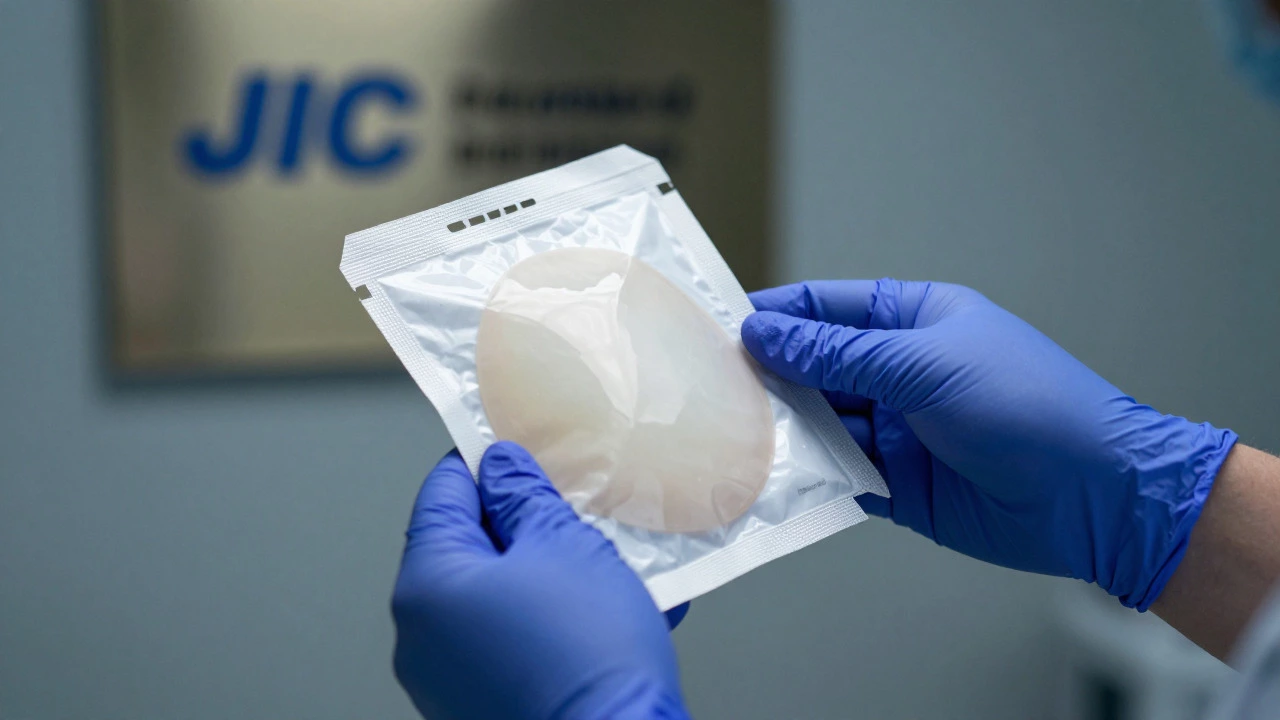
- JCI (Joint Commission International): The most recognized global standard for patient safety. If a clinic has JCI accreditation, their protocols match those of top US hospitals.
- ISAPS Membership: Check if the surgeon is a member of the International Society of Aesthetic Plastic Surgery. This indicates they adhere to ethical guidelines and continuing education standards.
- Local Board Certification: Ensure the surgeon is board-certified in plastic surgery in their home country, not just a general practitioner doing cosmetic work on the side.
Ask About Implant Brands
Cheap clinics sometimes use off-brand or grey-market implants to save money. Always ask for the specific brand and lot number. Reputable clinics use FDA-approved or CE-marked devices from manufacturers like Allergan, Mentor, or Sientra. If they are vague about the source, walk away.
Review the Surgeon’s Portfolio
Don’t just look at the website. Ask for unedited before-and-after photos of patients with similar body types. Ask to speak with past patients via video call. A confident surgeon will welcome this transparency.
Is It Worth It? The Risk vs. Reward Analysis
For many patients, saving $2,000-$3,000 is worth the hassle of traveling. The results can be identical to those achieved in the UK or US, provided the surgeon is skilled. Thousands of people successfully undergo breast augmentation abroad every year without issue.
However, it is not for everyone. If you have complex anatomy, a history of chest wall deformities, or significant anxiety about being far from home during recovery, the stress of medical tourism might outweigh the financial benefit. Additionally, if you live in a remote area, the logistics of emergency care become a serious concern.
The best candidates for overseas surgery are those who:
- Are healthy with no major comorbidities.
- Have a clear, realistic expectation of results.
- Can afford a buffer fund for unexpected expenses.
- Live within a reasonable flight distance (under 12 hours) for potential emergencies.
Alternatives: Saving Money at Home
If the idea of flying abroad stresses you out, there are ways to reduce costs domestically.
- Residency Discounts: Many private hospitals offer lower rates for local residents versus tourists.
- New Surgeons: Emerging surgeons building their portfolios often charge less than established names. Check their training and reviews carefully.
- Payment Plans: Spread the cost over 12-24 months with zero interest to ease cash flow pressure.
- Standard vs. Premium Implants: Round saline implants are generally cheaper than anatomical silicone gels. Discuss with your surgeon if the aesthetic difference justifies the price gap for your goals.
Frequently Asked Questions
What is the absolute cheapest country for breast implants?
Technically, countries like India or Vietnam can offer packages under $2,500. However, language barriers, longer flight times, and fewer English-speaking coordinators make Turkey and Mexico more accessible for most Western patients. For the best balance of low cost and high accessibility, Turkey is currently the market leader.
Are breast implants in Turkey safe?
Yes, provided you choose a JCI-accredited clinic with a board-certified plastic surgeon. Turkey has a robust medical tourism infrastructure with strict regulations on hospital hygiene and surgical standards. The risk profile is comparable to that of private clinics in the UK or US when proper vetting is done.
Do I need to fly back for follow-up appointments?
Ideally, yes, for the first two weeks. Sutures are often removed around day 10-14, and early signs of infection or hematoma appear in this window. After that, you can manage long-term monitoring with a local GP or plastic surgeon, though having access to your original surgeon for complex issues is beneficial.
Which implant brands are used in cheap packages?
Reputable clinics still use top-tier brands like Allergan and MENTOR because they offer better warranties and consistent performance. Be wary of clinics offering "exclusive" or unknown brands, as these may lack long-term safety data or international warranty support.
How much should I budget for total costs including travel?
A realistic budget for a Turkish package would be $5,000-$6,500 total. This covers the surgery ($3,500-$4,500), flights ($800-$1,200), accommodation ($500-$800), and a contingency fund for medications or minor adjustments. Always keep 10% extra for unforeseen circumstances.