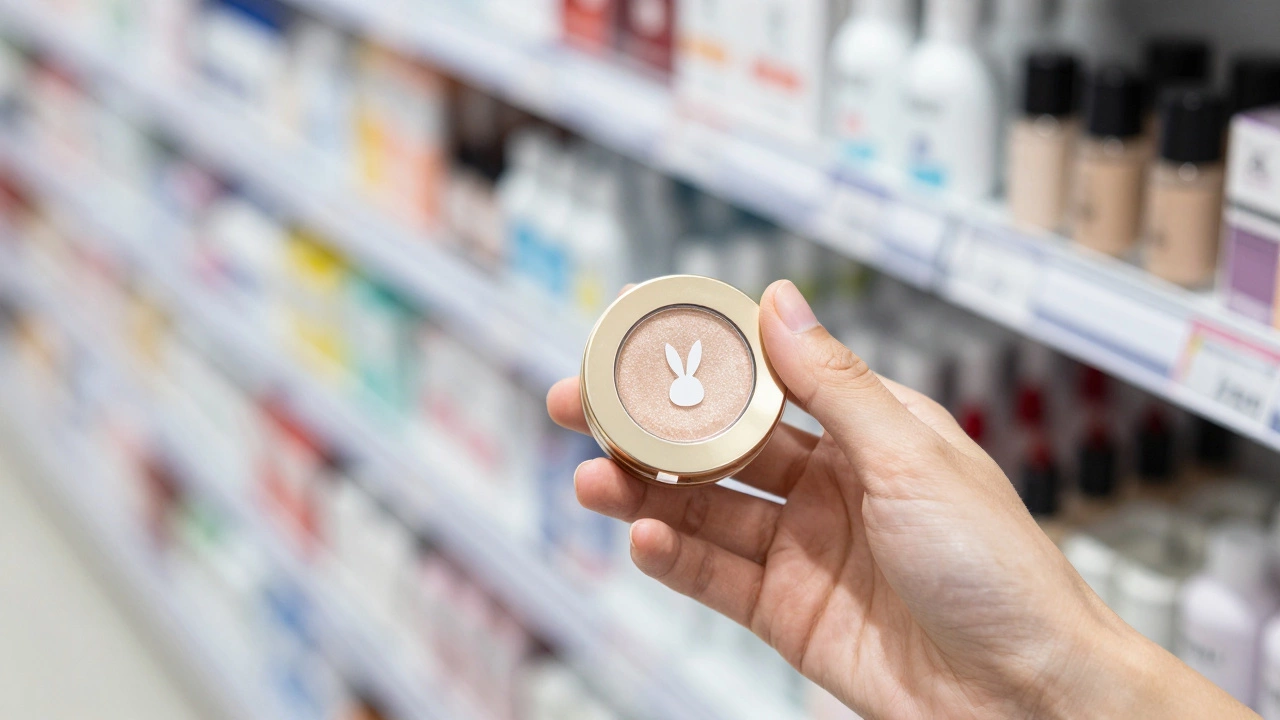
Cruelty-Free Ethics Checker
Not all "bunny logos" are equal. Check the red flags below for a specific brand you're considering to see how ethical their claims actually are.
Quick Takeaways
- Many brands claim to be cruelty-free but are owned by parent companies that still test on animals.
- Selling in mainland China has historically been the biggest hurdle for cruelty-free brands due to mandatory post-import testing.
- "Cruelty-free" and "Vegan" are not the same thing; one refers to testing, the other to ingredients.
- Look for third-party certifications like Leaping Bunny for the most reliable verification.
The Current State of Animal Testing in Beauty
To answer the big question: Yes, some makeup companies still test on animals. While the tide has turned and most of us find the idea barbaric, it hasn't vanished entirely. cruelty-free makeup is cosmetic product development that avoids using animals in any stage of the testing process for the final product or its individual ingredients. However, the definition of "testing" is where companies often hide the truth.
Some brands tell you they don't test their *final products* on animals, but they don't mention that their suppliers test the raw ingredients. If a company buys a specific preservative from a third-party lab that tests on mice, is that brand truly cruelty-free? Most ethics-conscious shoppers would say no, but the brand's marketing might still say yes. This "ingredient loophole" is why looking for a simple claim on a label isn't enough.
The China Complication
For years, the biggest obstacle for ethical beauty was Mainland China. For a long time, Chinese law required that all imported cosmetics undergo animal testing by government labs before they could hit the shelves. If a brand wanted to sell in physical stores in Beijing or Shanghai, they had to agree to let the government test their products on animals.
Things changed recently. Since 2021, China has allowed "general cosmetics" (like shampoo and lipstick) to bypass animal testing if the brand can provide a safety certification from their home country. But "special cosmetics"-think sunscreens or hair dyes-often still require those tests. This creates a grey area. A brand might be cruelty-free in the US and UK, but the moment they expand into certain Chinese sectors, their status changes. If you see a brand suddenly stop mentioning their cruelty-free status while expanding globally, this is usually why.
Decoding the Labels: Cruelty-Free vs. Vegan
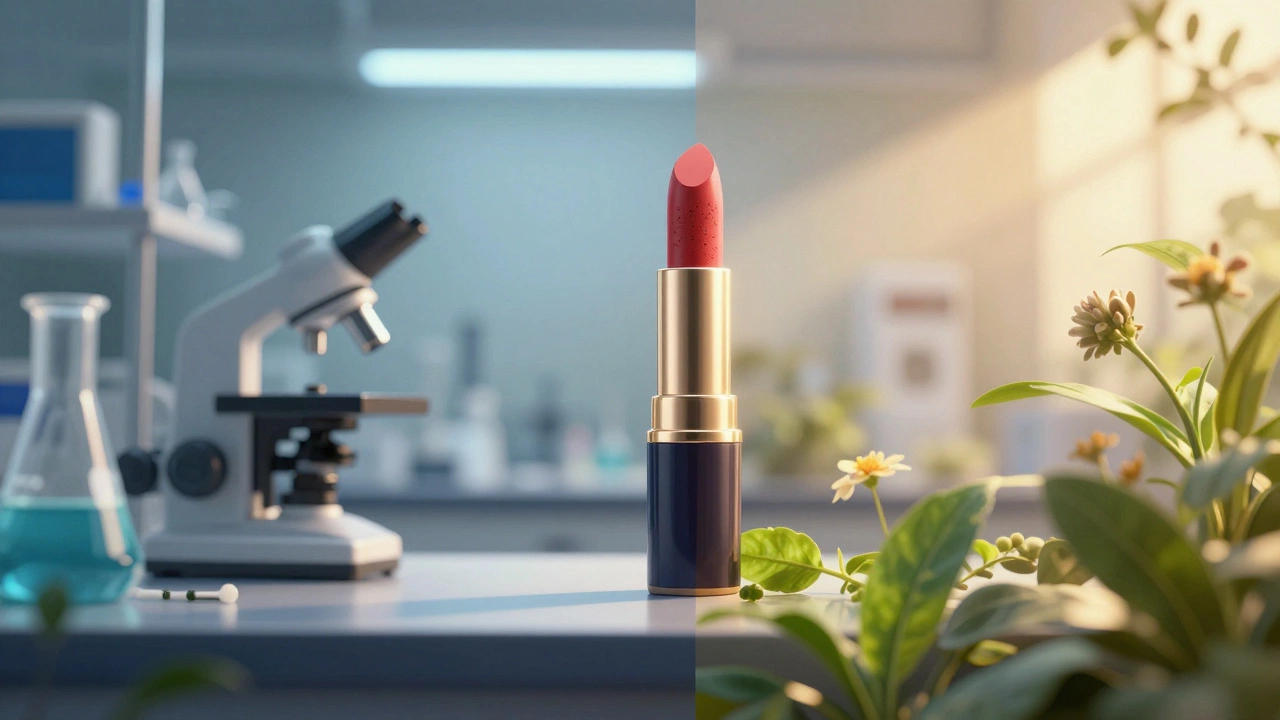
It's incredibly common to mix these two up, but they mean totally different things. You can have a cruelty-free lipstick that contains beeswax or carmine (crushed beetles). That lipstick wasn't tested on a living animal, but it contains animal-derived ingredients. Conversely, a vegan product might use synthetic ingredients but was tested on rabbits in a lab.
| Feature | Cruelty-Free | Vegan |
|---|---|---|
| Focus | Testing process | Ingredient sourcing |
| Animal Harm | No animal testing used | No animal products used |
| Example Ingredient | May contain beeswax | Uses synthetic wax |
| Key Goal | End lab suffering | End animal exploitation |
Who Can You Actually Trust?
Since any company can print a bunny on a bottle, you need a third-party auditor to verify the claims. The gold standard here is the Leaping Bunny program. This isn't just a logo; it's a certification. To get it, a company must agree to let the organization audit their entire supply chain. They check if the raw material suppliers are also avoiding animal tests.
Another common one is PETA. While PETA's "Cruelty-Free and Vegan" logo is widely seen, it's generally considered less rigorous than Leaping Bunny. Why? Because PETA often relies on a company's statement or a signed pledge rather than ongoing, independent audits of the factories and suppliers.
Then you have the "Parent Company Paradox." Take a brand like L'Oréal. They have several lines and brands that claim to be cruelty-free, but the parent corporation has a long history of animal testing and continues to operate in markets where it's required. If your goal is to avoid giving *any* money to companies that test on animals, owning a cruelty-free subsidiary isn't enough to make the whole corporation ethical.
Modern Alternatives to Animal Testing
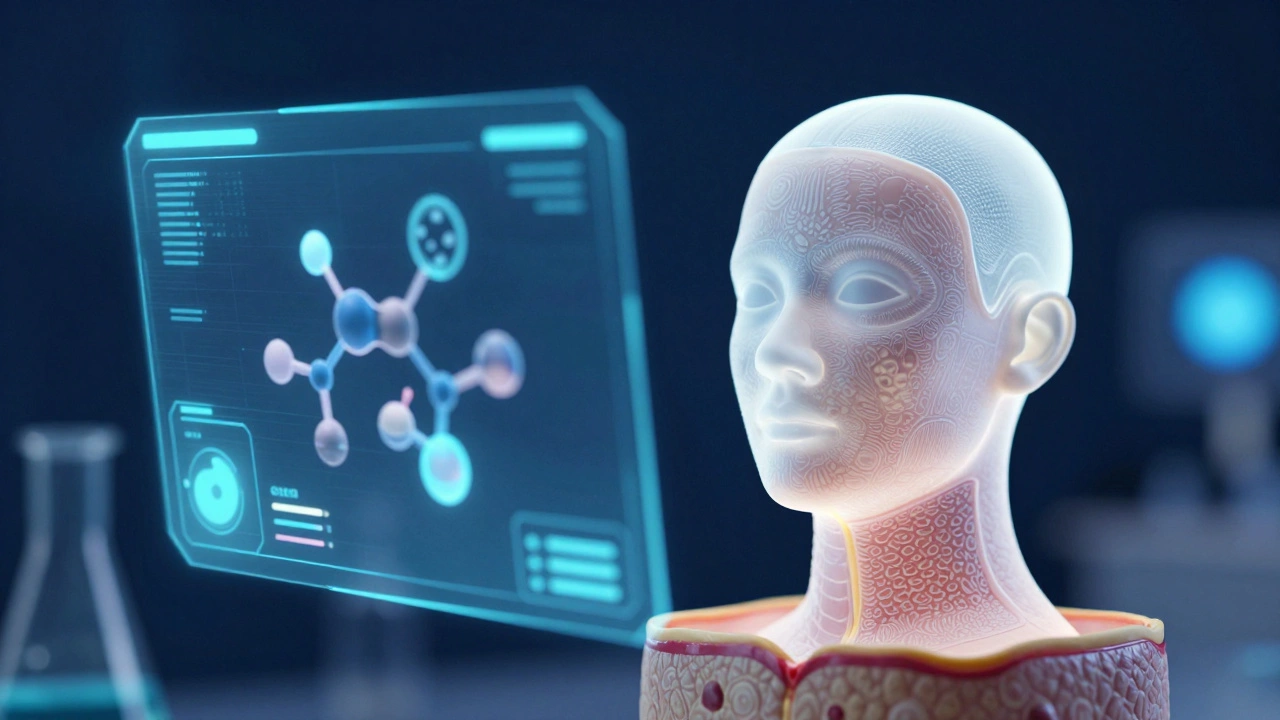
The good news is that we don't actually need to blind rabbits to see if a cream causes irritation. Science has moved on. In vitro testing uses human cell cultures grown in a lab to see how a formula reacts. It's often more accurate than animal testing because it uses human cells, not rabbit skin.
Another breakthrough is computer modeling (in silico). Sophisticated software can now predict how a chemical will react based on its structure and a database of thousands of previous ingredients. For the remaining gaps, scientists use 3D-printed human skin models. When you see a brand sticking to animal tests in 2026, it's usually not because they lack the technology, but because they're following outdated regulations or are unwilling to invest in newer methods.
Shopping Guide: How to Spot a Fake Cruelty-Free Brand
If you want to make sure your money is going to a truly ethical brand, stop reading the marketing copy and start looking for these red flags:
- Vague Language: Avoid brands that say "We do not test on animals except where required by law." That's a giant red flag that they sell in markets with mandatory animal testing.
- Missing Certifications: If they claim to be cruelty-free but aren't certified by Leaping Bunny or Choose Cruelty-Free, ask them why.
- Parent Company Links: Use an app or website to check who owns the brand. If the parent company is an animal-testing giant, your purchase still supports that infrastructure.
- Limited Ingredient Transparency: Truly ethical brands are usually proud of their sources and list them clearly.
Is it possible for a brand to be vegan but not cruelty-free?
Yes. A product can be made with 100% plant-based ingredients (vegan), but the company might still test the finished formula on animals to meet certain government safety regulations.
Do all cruelty-free brands avoid China?
Not all, but the most strict ones do. While China has relaxed laws for general cosmetics, some brands still avoid the market entirely to ensure there is zero chance of any government-mandated animal testing occurring.
Which certification is the most reliable?
Leaping Bunny is widely considered the most reliable because it requires a comprehensive supply chain audit and periodic verification, whereas other logos may only require a signed statement from the company.
Why do some companies still test on animals?
The primary reasons are outdated government regulations in certain countries and the cost of switching to newer, high-tech alternatives like synthetic skin or computer modeling.
Can I trust a brand if they say they "don't test on animals" but don't have a logo?
It's risky. Without a third-party certification, you're relying on the company's own word. They might not be testing the final product, but their ingredient suppliers might still be using animal labs.
What to do next
If you've realized your current favorite brand isn't as ethical as you thought, don't panic. Start by swapping out one product at a time. Begin with things you use most often, like your daily moisturizer or mascara. Check the Cruelty-Free Kitty database or the Leaping Bunny website to find a direct alternative that matches the ingredients you love.
If you're feeling bold, send a polite email to your favorite non-cruelty-free brand. Tell them you love their products but won't buy them until they move to a certified cruelty-free process. When companies see a dip in sales tied to animal testing, they move much faster to adopt those 3D-skin models and computer simulations we mentioned earlier.