Salon Owner Tipping Calculator
Service Details
Result & Etiquette
Enter your details to see how much you should tip the salon owner.
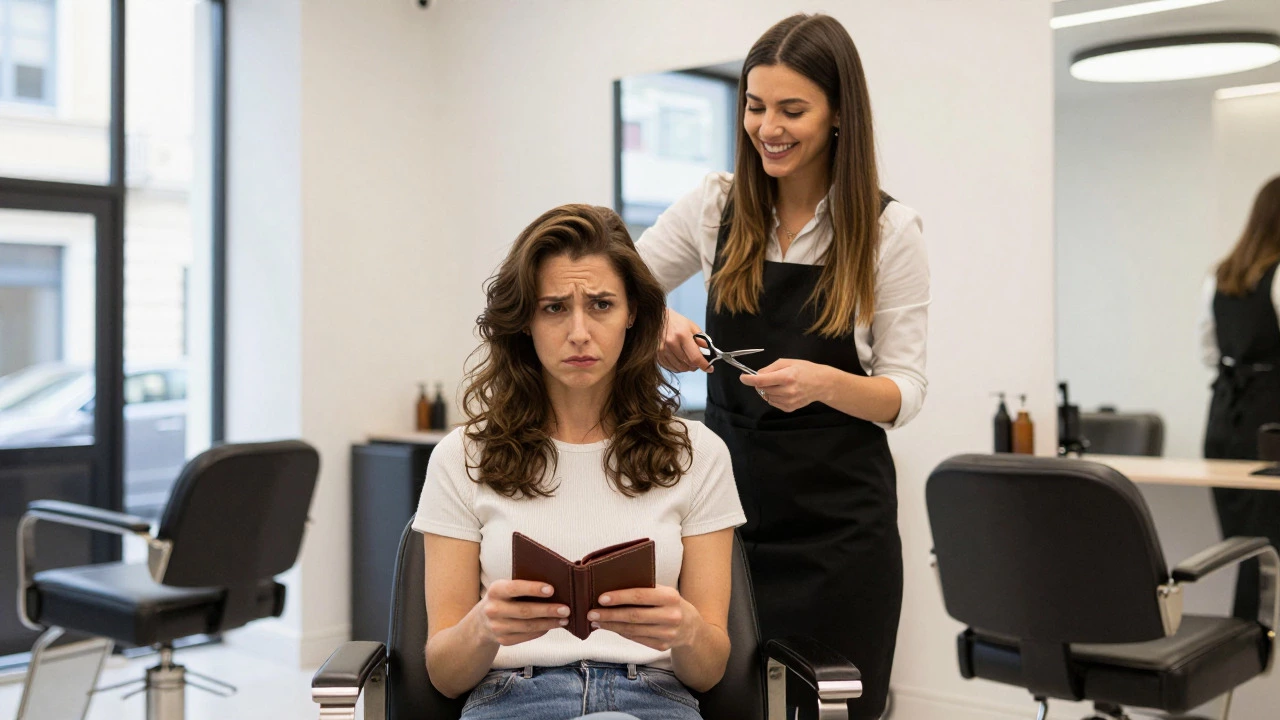
You sit in the chair, the stylist gives you a cut that looks exactly like the photo you showed them, and then you reach for your wallet. But wait-this person isn’t just an employee. They’re the boss. They own the place. Do you still tip?
It’s one of those awkward social moments where nobody wants to look cheap, but also nobody wants to overpay out of confusion. If you’ve ever wondered whether the person cutting your hair gets a cut of the profits or if they rely on your gratuity, you are not alone. The answer depends heavily on where you live, how the business is structured, and what kind of relationship you have with your stylist.
The Short Answer: It Depends on Where You Live
If you are in the United States, the short answer is yes. You should almost always tip the owner if they are cutting your hair. In the US, service workers often make a minimum wage that is significantly lower than the standard living wage because employers can count tips toward their salary. Even if the owner makes money from the business profits, their hourly take-home pay might be tied directly to the services they perform personally.
However, if you are in New Zealand, the UK, Canada, or Australia, the rules change completely. In these countries, salons are generally considered retail businesses rather than service-industry hubs reliant on gratuities. Wages are higher, and tipping is not expected. In Auckland, for example, I rarely see people leaving cash on the counter unless the service was truly exceptional. Here, the price you pay is the price you pay.
| Region | Is Tipping Expected? | Standard Amount (If Applicable) | Cultural Context |
|---|---|---|---|
| United States | Yes | 15-20% | Tips supplement low base wages; owners are no exception. |
| New Zealand | No | Optional/None | Fair wages are standard; tipping is a bonus for excellence. |
| United Kingdom | No | Optional/None | Service charge may be added automatically; cash tips are rare. |
| Canada | Yes (but less strict) | 10-15% | Mixed culture; appreciated but not legally mandated as income. |
| Australia | No | Optional/None | High minimum wage; tipping is uncommon and sometimes seen as odd. |
Why Do We Tip Salon Owners Anyway?
Even in places where it’s not mandatory, many people still tip the owner. Why? Because there is a psychological barrier to paying someone who ‘owns’ the place. We assume they are rich. We assume the rent and the shampoo costs come out of their pocket, so they must be making a killing.
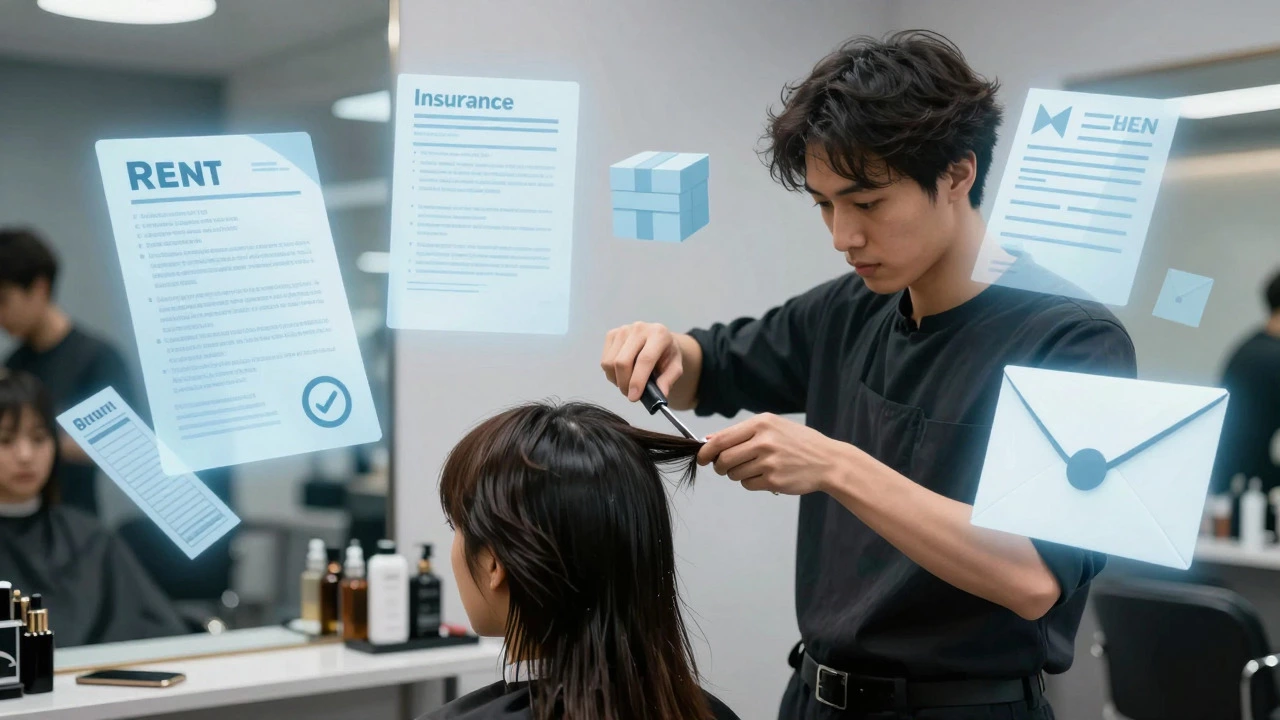
But here is the reality: owning a salon is expensive. Rent, insurance, staff salaries, product inventory, and marketing eat up most of the gross revenue. The owner’s personal income is often what’s left after all those bills. When the owner steps into the chair to cut your hair, they are performing labor. In many independent salons, the owner works harder than anyone else because they cannot afford to hire enough staff yet.
In the US, specifically, the IRS treats tips as taxable income. If an owner-stylist doesn’t tip themselves, they might actually owe more in taxes on their net profit than they would if they had received cash tips that offset their taxable earnings structure differently. It’s complicated, but the bottom line is that in America, tipping the owner is a way to ensure they aren’t working for free while carrying the weight of the business.
How to Tell If You Should Tip
If you are unsure, don’t panic. You can use these simple heuristics to decide on the spot.
- Check the Menu: Does the price list say "Gratuity Not Included"? If so, you likely need to add it, regardless of who cuts your hair.
- Look at the Pay Structure: In commission-based shops, stylists keep a percentage of the ticket (e.g., 60%) and give the rest to the shop. If the owner is doing the work, they might keep 100% of the ticket, but they also pay 100% of the overhead. If they are in a booth-rental model, they pay a flat fee to rent their chair. In both cases, their income fluctuates with their clients.
- Observe Other Clients: Are people leaving cash on the reception desk? This is the strongest social cue available. If everyone is tipping, join in. If no one is, you probably don’t need to.
- Ask Directly: It sounds bold, but asking "Do you accept tips?" is perfectly polite. Most owners will tell you, "It’s not necessary, but thank you!" which gives you the green light to leave something small if you want to.
The Difference Between Employee and Owner Stylists
When you tip an employee, you are helping them survive their shift. When you tip an owner, you are acknowledging their skill and hospitality. There is a subtle shift in intent.
An employee relies on tips to meet basic needs. An owner relies on tips to build goodwill. If you go to a high-end salon in Manhattan and the owner gives you a blowout that takes 45 minutes, a 20% tip is standard etiquette. It signals that you value their time and expertise. If you go to a neighborhood barbershop in Auckland where the owner has known you since you were ten, you might buy them a coffee instead. The currency of appreciation changes based on the relationship.
Consider the size of the business. A solo practitioner who owns their studio is different from the CEO of a chain with fifty locations. If the owner is hands-on, cutting hair every day, they are effectively a self-employed contractor. In this case, tipping is akin to tipping a freelance photographer or a private tutor-it’s a gesture of satisfaction, not a requirement for survival.
What If You Don’t Tip the Owner?
Will they hate you? Probably not. Will they notice? Maybe.In the US, skipping a tip for an owner who cuts your hair might lead to a slightly shorter appointment next time, or perhaps a lackluster wash. It’s not dramatic, but service levels can adjust subtly based on perceived generosity. In other parts of the world, nothing happens. The bill is paid, the transaction is complete, and you walk out with fresh hair.
If you feel guilty about not tipping, consider other ways to show appreciation. Bring a friend who needs a haircut. Book regular appointments. Leave a positive online review. For a small business owner, a five-star Google review is often worth more than a $20 tip because it brings in new customers. Loyalty is the ultimate tip.

Navigating the Awkwardness
We’ve all been there. You hand over the card, and the machine asks for a tip amount before processing. Or worse, you put cash on the counter, and the owner says, "Oh, keep the change!" Then you’re holding the cash, wondering if you should put it back or force it into their hand.
Here is a pro tip: If you are in a non-tipping country like New Zealand, just round up. If the bill is $83, give $90 and say "Keep the change." It’s casual, unpretentious, and generous without feeling like a formal obligation. In the US, if the owner insists you don’t need to tip, offer a smaller amount. If they refuse that too, let it go. Forcing a tip can create more awkwardness than leaving it out entirely.
Remember, the goal of tipping is to express gratitude, not to fulfill a legal duty. If you loved your haircut, find a way to say thanks. Whether that’s through cash, a review, or simply returning for another appointment, the owner will appreciate the support.
Special Scenarios: Mobile Stylists and Home Salons
What if the owner comes to your house? Or runs a salon out of their garage? These scenarios blur the lines even further.
For mobile stylists, tipping is usually expected in the US because they cover their own gas, insurance, and travel time. Even if they own the business, the convenience factor adds value. In other countries, it’s still optional, but rounding up is a nice touch given the extra effort involved in traveling to you.
Home salons operate similarly to booth rentals. The owner has minimized overhead, so their prices might be lower. However, they are still providing a professional service. Treat them like any other independent contractor. If you wouldn’t tip a plumber who fixes your sink at home, you don’t necessarily need to tip a home-based stylist outside of the US. But again, check local norms.
Conclusion: Trust Your Gut
At the end of the day, there is no global law dictating whether you must tip a salon owner. There is only social expectation. In the US, that expectation is high. Elsewhere, it is low or nonexistent.
If you are still unsure, ask yourself: Did this person provide excellent service? Did they listen to what you wanted? Did they make you feel good? If the answer is yes, a tip is a nice way to close the loop. If the answer is no, you aren’t obligated to reward poor service, regardless of ownership status.
Your hairdresser wants you to be happy. Showing appreciation, in whatever form feels natural to you and your location, strengthens that relationship. And honestly, a little extra cash never hurts anyone’s bank account-especially when it helps a small business owner keep the lights on.
Do you tip the owner of a salon in New Zealand?
No, tipping is not expected in New Zealand salons. Wages are fair, and service charges are included in the price. However, if you receive exceptional service, rounding up the bill or leaving a small cash tip is appreciated but not required.
Should I tip my hairdresser if they own the salon in the US?
Yes. In the United States, it is standard etiquette to tip the owner if they personally cut or style your hair. The standard is 15-20% of the service cost, similar to tipping an employee.
Why do people tip salon owners?
People tip salon owners to acknowledge their skill and hard work. While owners profit from the business, their personal income from styling can be variable. Tipping ensures they are compensated fairly for the specific service provided to you.
What if the salon owner says I don't need to tip?
If the owner insists you don't need to tip, you can respect their wish. However, if you feel strongly about showing appreciation, you can leave a smaller amount or opt for a non-monetary gesture like a positive online review or bringing a new client.
Is tipping different for mobile hairdressers?
Mobile hairdressers often incur additional costs for travel and fuel. In the US, tipping is expected and often slightly higher (20%) to account for the convenience. In other countries, it remains optional but rounding up is a common courtesy.
Can I leave a review instead of a tip?
Absolutely. For small business owners, online reviews are invaluable for attracting new customers. A detailed, positive review on Google or Yelp can be more beneficial long-term than a one-time cash tip.