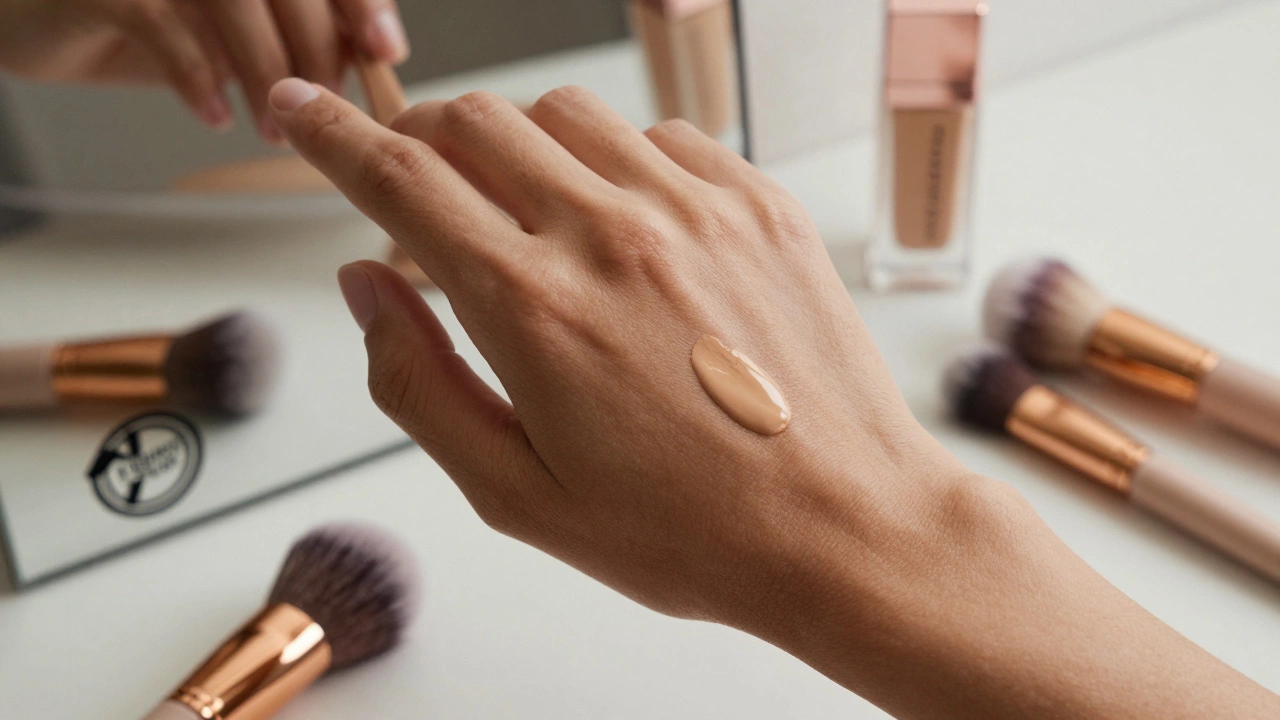
When you buy makeup, you’re not just buying color or texture-you’re buying into a brand’s values. And for millions of people, that means one thing: no animals harmed. So when someone asks, Does Fenty test on animals?, they’re not just curious. They’re making a moral choice.
Fenty Beauty, founded by Rihanna in 2017, quickly became a global name-not just for its inclusive shade range, but for how it positioned itself in the beauty world. The brand promised diversity, innovation, and ethics. But ethics don’t mean much if they’re just marketing. So let’s cut through the noise.
Fenty Beauty doesn’t test on animals
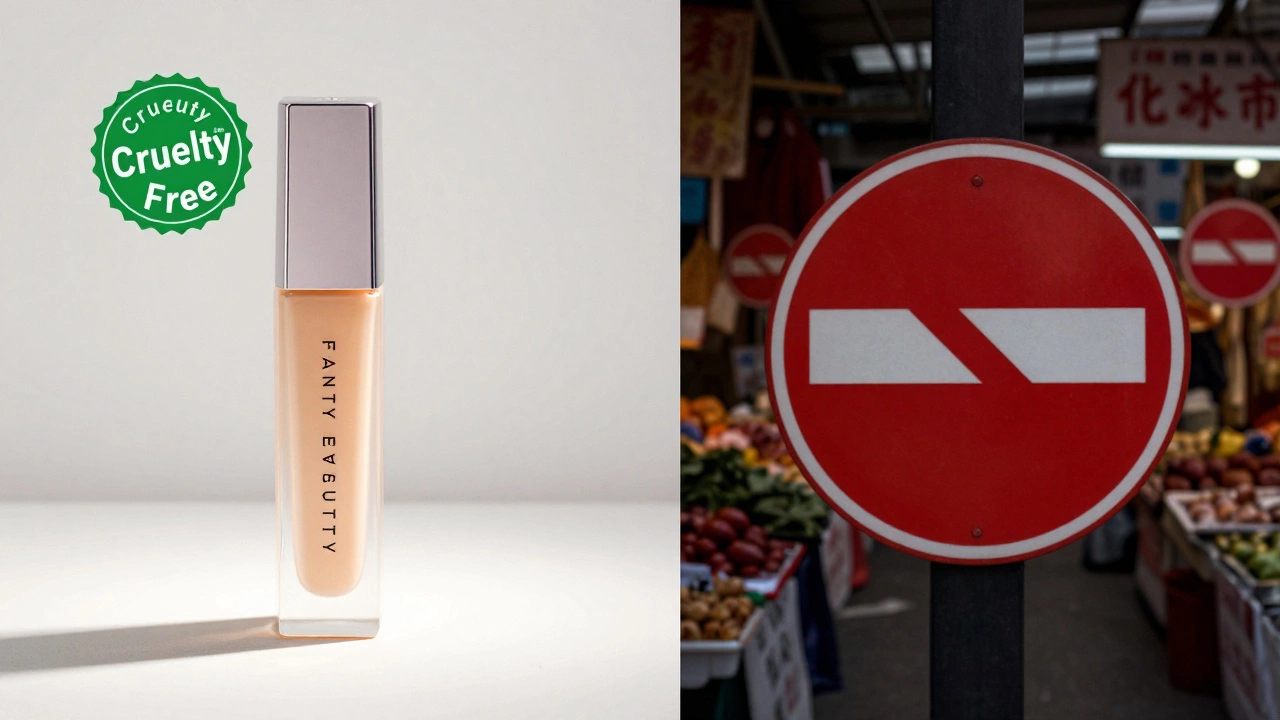
Fenty Beauty is certified cruelty-free by PETA and Leaping Bunny. That means no animal testing at any stage of product development, from raw ingredients to finished makeup. Not by Fenty, not by its parent company LVMH, and not by any third-party labs they hire.
This isn’t just a statement on their website. It’s backed by audits. Leaping Bunny requires brands to prove they have a strict supplier monitoring system. That means Fenty has to track every ingredient back to its source and make sure none of those suppliers test on animals-even if required by law in another country.
That’s harder than it sounds. Many big beauty companies claim they don’t test on animals, but still sell in China, where animal testing is mandatory for imported cosmetics. Fenty Beauty doesn’t sell in mainland China. That’s not an accident. It’s a choice.
Why not selling in China matters
China used to require all imported cosmetics to be tested on animals. In 2021, they changed the rules for some categories-but only for products made and sold entirely within China. For foreign brands selling online or in physical stores across the country, animal testing is still required unless they meet very narrow exceptions.
Fenty Beauty chose to skip the Chinese market entirely. That’s rare. Most global brands, even ones that say they’re cruelty-free, still enter China and accept animal testing as the cost of doing business. Fenty didn’t. They turned down a $20 billion market because they wouldn’t compromise their ethics.
That’s not a small decision. It’s one that costs millions in revenue. And it’s why people trust Fenty’s cruelty-free claim more than most.
Is Fenty Beauty vegan?
Cruelty-free doesn’t mean vegan. And Fenty Beauty is not fully vegan. Some products contain beeswax, lanolin, or carmine-ingredients derived from animals. But here’s the thing: they label them clearly.
If you look at their website, every product page lists whether it’s vegan or not. Their Pro Filt’r Soft Matte Longwear Foundation is vegan. Their Stunna Lip Paint is vegan. Their Diamond Bomb highlighter? Not vegan-it uses carmine.
That transparency is rare. Most brands hide non-vegan ingredients in vague terms like "natural derivatives." Fenty doesn’t. If it’s not vegan, they say so. That makes it easy for people who want to avoid animal products entirely.
Who owns Fenty Beauty-and does that matter?
Fenty Beauty is owned by LVMH, the French conglomerate that also owns Sephora, Dior, and Givenchy. That’s where confusion starts. Some people assume that because LVMH owns other brands that test on animals, Fenty must too.
But ownership doesn’t override policy. LVMH doesn’t force its brands to test on animals. Fenty Beauty operates independently in its ethical standards. They have their own supply chain, their own certifications, and their own public commitments.
It’s like saying because McDonald’s owns Chipotle, Chipotle serves burgers. No. Each brand makes its own rules. And Fenty Beauty’s rules are clear: no animal testing, ever.
What about ingredient suppliers?
Some critics say: "What if Fenty’s pigment supplier tests on animals?" That’s a fair question. But here’s how Fenty handles it.
They require all suppliers to sign a statement affirming they do not test on animals. They audit these suppliers regularly. And if a supplier is found to be testing-even for another client-Fenty cuts ties.
That’s stricter than most. Many brands rely on third-party certifications and assume the supplier is clean. Fenty doesn’t assume. They verify.
They also avoid ingredients that are commonly tested on animals, like certain synthetic dyes or fragrances. Instead, they use alternatives that are already proven safe without animal testing.
Real people, real choices
I met a woman in Auckland last year who switched to Fenty Beauty after her dog passed away. She told me she couldn’t look at makeup the same way anymore. "I don’t want anything on my face that hurt another living thing," she said. She doesn’t care about the shade range or the packaging. She cares about the ethics.
That’s why Fenty Beauty’s stance matters. It’s not about being trendy. It’s about being consistent. They didn’t jump on the cruelty-free bandwagon because it was popular. They built their brand around it from day one.
And that’s why, when you ask Does Fenty test on animals?, the answer isn’t just "no." It’s "never, and we’ll walk away from money to prove it."
How to spot fake cruelty-free claims
Not all brands that say "cruelty-free" are telling the truth. Here’s how to tell the difference:
- Check for certifications: Look for the Leaping Bunny or PETA logo. These are verified, not self-declared.
- See if they sell in China: If they do, they’re likely testing on animals to comply with local laws.
- Look for parent company info: If the parent company tests on animals, the brand might be lying by association.
- Check ingredient lists: If they use carmine, beeswax, or lanolin, they’re not vegan-even if cruelty-free.
Fenty Beauty passes all four tests. Most brands don’t.
Alternatives if you want 100% vegan
If you want makeup that’s both cruelty-free AND fully vegan, here are three solid options:
- Hourglass - Certified cruelty-free and vegan across the entire line. High-end, long-lasting formulas.
- Charlotte Tilbury - Cruelty-free, but not all vegan. Their website clearly marks vegan products.
- Dr. Hauschka - Natural ingredients, certified cruelty-free, and most products are vegan.
But if you want a brand that’s transparent, consistent, and willing to lose money to stay ethical-Fenty Beauty still leads.
Final answer: Does Fenty test on animals?
No. Fenty Beauty does not test on animals. Not now. Not ever. And they’ve proven it by refusing to sell in markets that require it, auditing every supplier, and labeling every non-vegan product honestly.
They’re not perfect. Not every product is vegan. But their commitment to ending animal testing is real-and rare.
If you care about where your makeup comes from, Fenty Beauty is one of the few brands you can trust without digging deeper.
Is Fenty Beauty certified cruelty-free?
Yes. Fenty Beauty is certified cruelty-free by both PETA and the Leaping Bunny program. These certifications require independent audits and proof that no animal testing occurs at any stage of production, including by suppliers.
Does Fenty Beauty sell in China?
No. Fenty Beauty does not sell in mainland China. This is a deliberate choice, because China requires animal testing for imported cosmetics. By refusing to enter the market, Fenty maintains its cruelty-free status.
Are all Fenty Beauty products vegan?
No. Some Fenty Beauty products contain animal-derived ingredients like beeswax, lanolin, or carmine. However, every product page clearly labels whether it’s vegan or not, so you can make informed choices.
Is Fenty Beauty owned by a company that tests on animals?
Fenty Beauty is owned by LVMH, which also owns brands that test on animals. However, Fenty operates independently and has its own cruelty-free policy. LVMH does not require its subsidiaries to test on animals, and Fenty has maintained its certification since launch.
How can I verify if a makeup brand is truly cruelty-free?
Look for official certifications like Leaping Bunny or PETA’s Beauty Without Bunnies. Avoid brands that sell in mainland China unless they’re exempt under new rules. Check ingredient lists for animal-derived components, and verify whether the brand audits its suppliers directly.