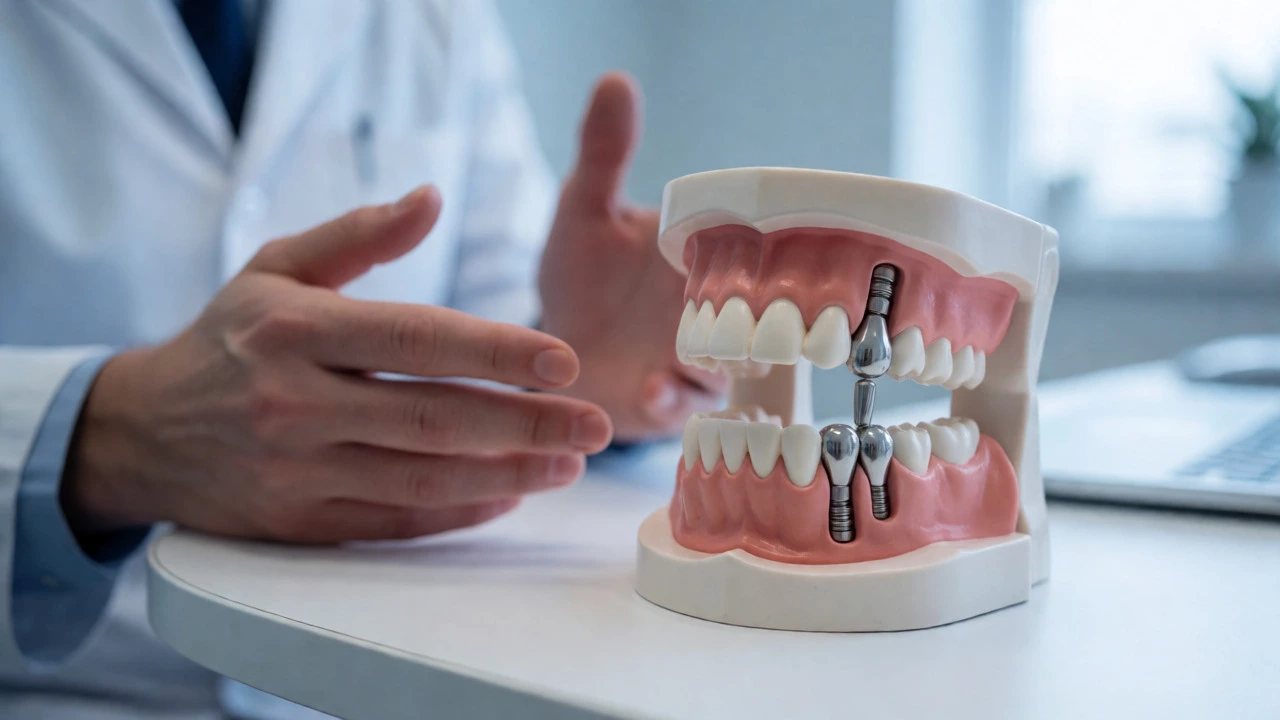
UK Full Mouth Implant Cost Estimator
Use this tool to estimate your potential investment for full mouth dental implants in the UK (2026 estimates). Adjust the options below to see how different choices impact the final price.
Additional Procedures & Options
Note: These are estimates based on 2026 UK private clinic averages. Prices vary by location (London is ~20-30% higher) and specific clinical needs. Always get a formal quote from a qualified specialist.
You’ve probably seen the ads. "New smile in one day for £5,000." It sounds too good to be true, and usually, it is. If you’re looking into replacing a full arch or both arches with full mouth dental implants, a surgical procedure that replaces missing teeth with titanium posts anchored directly into the jawbone, the real numbers are often higher and more complex than the headline suggests.
Why? Because your mouth isn’t a factory assembly line. Your bone density, gum health, and whether you need extractions first all change the bill. In the UK, costs vary wildly depending on whether you go private, use an NHS scheme (which rarely covers full sets), or opt for hybrid solutions like All-on-4. This guide breaks down exactly what you’re paying for in 2026, so you don’t get hit with surprise fees after the surgery.
The Real Price Tag for Full Arch Restoration
Let’s cut through the noise. For a single tooth, you might pay between £2,000 and £3,500. But we aren’t talking about one tooth here. We are talking about a full set.
If you are missing all teeth in one jaw (upper or lower), the standard private treatment plan in the UK currently ranges from £10,000 to £25,000 per arch. If you need both upper and lower arches done, you are looking at a total investment of £20,000 to £50,000. Does that shock you? Don’t panic yet. There are cheaper routes, but they come with trade-offs regarding durability and comfort.
Most patients asking this question are actually considering two main types of full-mouth restoration:
- All-on-4 / All-on-6: Uses 4 to 6 implants to support a fixed bridge. This is the most popular modern solution because it often avoids bone grafting.
- Implant-Supported Dentures: A removable denture that snaps onto 2 to 4 implants. Cheaper, but less stable than a fixed bridge.
Breaking Down the Costs: What Are You Actually Buying?
When a dentist gives you a quote, it’s not just for the screws. The price includes several distinct components. Understanding these helps you compare quotes fairly between different clinics.
| Component | Low End Estimate | High End Estimate | Notes |
|---|---|---|---|
| Consultation & CT Scan | £150 | £400 | Essential for planning. Many clinics waive this if you proceed. |
| Extractions (per tooth) | £100 | £300 | Varies by complexity; impacted wisdom teeth cost more. |
| Bone Grafting (per site) | £500 | £1,500 | Only needed if you lack sufficient bone volume. |
| Single Implant Fixture | £1,800 | £2,500 | The titanium post itself plus abutment. |
| Temporary Bridge (Immediate Load) | £1,000 | £3,000 | The teeth you wear while healing. |
| Final Fixed Bridge (Acrylic/Zirconia) | £4,000 | £8,000+ | Zirconia is stronger and looks more natural but costs more. |
| Sedation/Anesthesia | £200 | £800 | IV sedation adds significant cost compared to local anesthesia. |
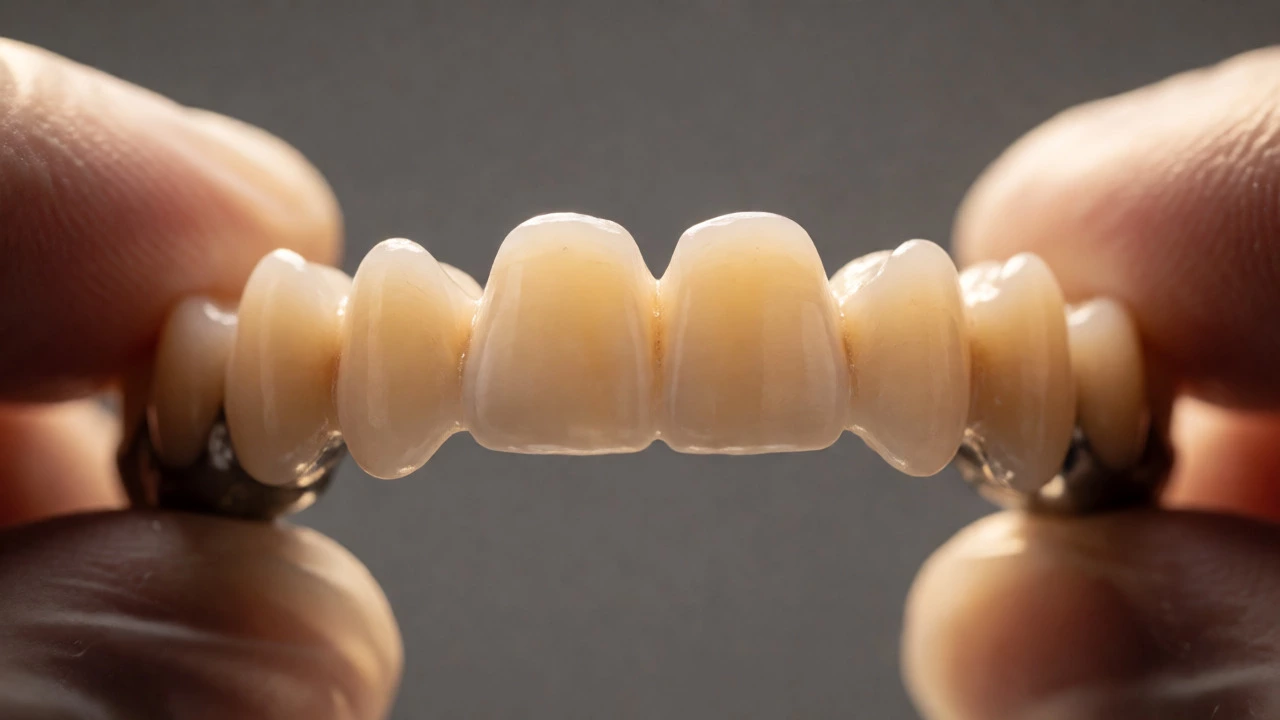
Notice the gap between the low and high ends? That difference is often driven by the material of the final teeth. Acrylic bridges are lighter and easier to repair but stain over time. Zirconia bridges are heavier, feel more like natural enamel, and resist staining, but they are brittle and harder to adjust if your bite changes.
All-on-4 vs. Traditional Implants: Which Fits Your Budget?
This is the biggest decision factor for cost. Traditional full-mouth implants used to require 6 to 8 implants per arch. Today, techniques like All-on-4, a protocol using four strategically angled implants to support a full arch of teeth, have become the industry standard for many cases.
Why choose All-on-4? It reduces the number of implants needed, which lowers the upfront cost. More importantly, it often eliminates the need for expensive bone grafts. By tilting the back implants, surgeons can anchor them into denser parts of the jaw that haven’t resorbed as much. This saves you thousands in grafting materials and months of healing time.
However, All-on-4 isn’t for everyone. If you have severe bone loss in the front of your mouth, you might still need grafts, pushing the price back up. Always ask: "Does my quote include potential grafting, or is that extra?"
NHS vs. Private: Can You Get It Covered?
Here is the hard truth: The NHS, the National Health Service providing publicly funded healthcare in the UK, almost never pays for full mouth dental implants. The NHS typically covers dentures and bridges. Implants are considered cosmetic or non-essential unless specific medical criteria are met, such as congenital absence of teeth or trauma where other options failed.
Even when the NHS does cover implants, it’s usually for single teeth, not full arches. So, if you are reading this, you are likely budgeting for private care. Don’t waste time waiting for an NHS referral for a full set unless you have a very specific, rare medical condition documented by a specialist.
Hidden Costs That Surprise Patients
The sticker price is rarely the final price. Here are three things that frequently add to the bill after treatment starts:
- Complications: If an implant fails to integrate (osseointegration), you may need to remove it and try again. Some clinics offer warranties; others charge for re-attempts.
- Maintenance: Unlike natural teeth, implants don’t decay, but the gums around them can get infected (peri-implantitis). You will need professional cleanings twice a year, costing £100-£200 per visit.
- Replacement Parts: Screw-retained crowns can loosen. Abutments can break. While rare, fixing these out-of-warranty issues can cost £200-£500 per incident.
Also, consider travel. If you live in London, prices are 20-30% higher than in the North of England or Wales due to overheads. Some patients travel to cities like Manchester, Leeds, or Birmingham to find competitive rates without sacrificing quality.

Financing and Payment Plans
Paying £30,000 upfront is tough. Most reputable UK clinics offer finance options. Look for plans with 0% interest for 12-24 months. Be careful with long-term loans; the APR can push the total cost up by another £5,000-£10,000. Check if the clinic uses third-party lenders like Humana or Secure Finance, and read the fine print on early settlement fees.
How to Vet a Clinic Before Committing
Price matters, but skill matters more. A cheap implant placed poorly can lead to nerve damage or sinus problems. Before signing a contract, ask these questions:
- Who is doing the surgery? Is it a general dentist with implant training, or a specialist oral surgeon? Specialists cost more but handle complex cases better.
- What brand of implants do you use? Stick to major brands like Straumann, Nobel Biocare, or Zimmer Biomet. These have decades of data supporting their longevity. Avoid unknown "house brands" unless you have strong evidence of their success rate.
- Is there a warranty? Ask for written proof. A 5-year warranty on the implant and 3 years on the crown is standard. Lifetime warranties are marketing gimmicks-read the exclusions.
- Can I see before-and-after photos of similar cases? Not stock images. Real patients with similar bone loss to yours.
Is It Worth the Investment?
Dentures cost £1,000-£3,000. Why spend ten times that on implants? Function and quality of life. With dentures, you lose up to 70% of your bite force. You can’t eat apples, steak, or crusty bread easily. Implants restore nearly 100% of bite force. They also preserve your jawbone. Without teeth, your jaw shrinks, making your face look older and affecting speech. Implants stop this process cold.
If you plan to keep these teeth for 20+ years, the cost per year drops significantly. £30,000 divided by 25 years is £1,200 a year. Compare that to the recurring cost of new dentures every 5-7 years, plus adhesives and cleaning tablets, and the math starts to look better.
How much does a full set of teeth implants cost in the UK?
In 2026, a full set of upper and lower dental implants typically costs between £20,000 and £50,000 in the UK. A single arch (upper or lower) usually ranges from £10,000 to £25,000. Prices depend on the number of implants used (e.g., All-on-4 vs. traditional), the material of the bridge (acrylic vs. zirconia), and whether bone grafting is required.
Are dental implants covered by the NHS?
Generally, no. The NHS rarely funds dental implants for adults unless there are exceptional medical circumstances, such as congenital defects or trauma where other treatments have failed. For most people needing full mouth restoration, private treatment is the only option.
What is the difference between All-on-4 and traditional implants?
All-on-4 uses four implants per arch to support a fixed bridge, often avoiding the need for bone grafts by utilizing existing bone angles. Traditional methods may use 6-8 implants per arch and often require grafting if bone density is low. All-on-4 is generally faster and slightly cheaper, but traditional implants may offer more stability in specific anatomical cases.
How long do full mouth dental implants last?
With proper care, the titanium implant fixtures can last a lifetime. The attached bridge (teeth) typically lasts 10-15 years before needing replacement due to wear and tear. Regular maintenance and hygiene are critical to preventing peri-implantitis, which can cause failure.
Can I get financing for dental implants in the UK?
Yes, most private dental clinics offer finance plans. Options range from 0% interest over 12-24 months to longer-term loans with interest rates between 6% and 15%. It is crucial to check for admin fees and early settlement charges before agreeing to a payment plan.
Do I need bone grafts for full mouth implants?
Not always. Techniques like All-on-4 are designed to work with existing bone structure, often eliminating the need for grafts. However, if you have severe bone loss, especially in the anterior region, grafting may be necessary, adding £500-£1,500 per site to the cost.