
UK Cosmetic Surgery Cost Calculator
Calculate Your Procedure Costs
Based on 2025 UK data from BAAPS and NHS reports
More than 1 in 20 adults in the UK have had some kind of cosmetic procedure. That’s not a guess-it’s from the latest data from the British Association of Aesthetic Plastic Surgeons (BAAPS), collected in late 2025. The numbers keep climbing, and it’s not just celebrities or the wealthy doing it anymore. Cosmetic surgery in the UK is becoming as normal as getting braces or a dental filling for many people.
What Procedures Are People Getting?
The top five procedures in 2025 were breast augmentation, liposuction, eyelid surgery, rhinoplasty (nose jobs), and Botox injections. Breast augmentation stayed #1 for the sixth year in a row, with over 18,000 surgeries performed. Liposuction came in second, with nearly 16,500 cases. What’s interesting is that non-surgical treatments like Botox and dermal fillers now make up more than 70% of all cosmetic treatments. That means most people aren’t going under the knife-they’re opting for quick, no-downtime fixes.
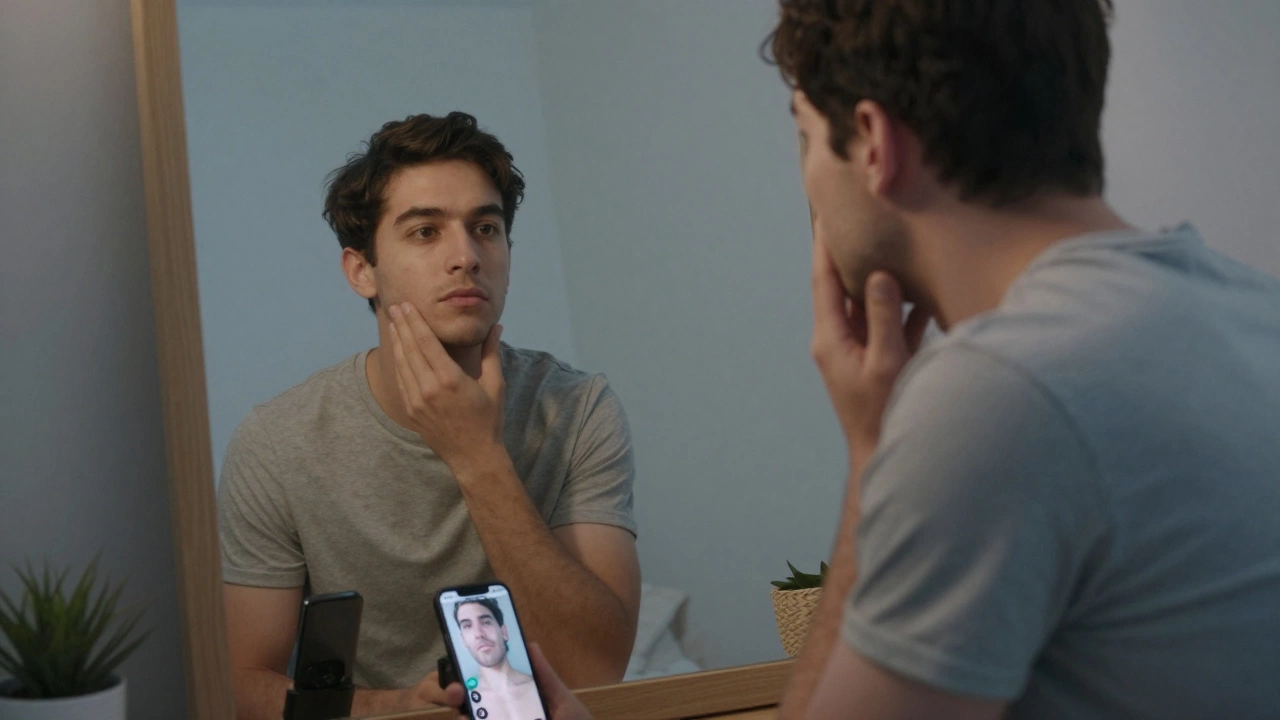
Men are catching up fast. In 2020, men made up only 12% of cosmetic surgery patients. By 2025, that number jumped to 21%. Procedures like gynecomastia surgery (male breast reduction), chin implants, and facial contouring are growing fastest among men under 40. Social media and dating apps have played a big role. One 32-year-old Londoner told a BAAPS interviewer, "I didn’t want to look like I’d had work done. I just wanted to look like the best version of myself."
Who’s Having It Done?
It’s not just 20-somethings. The biggest growth is in people aged 45 to 64. Women in this group are getting facelifts, neck lifts, and eyelid surgery to reverse signs of aging. Men in the same age group are choosing hair transplants and skin tightening. One clinic in Manchester saw a 47% increase in patients over 50 between 2022 and 2025.
Younger people-ages 18 to 29-are getting more eyelid surgery and rhinoplasty. A 2024 survey by the Royal College of Surgeons found that 38% of young adults had looked at before-and-after photos of cosmetic procedures on Instagram or TikTok in the past month. That’s up from 19% in 2020. It’s not about vanity. For many, it’s about feeling comfortable in their own skin after years of feeling self-conscious.
Cost and Access: Private vs. NHS
Almost all cosmetic surgery in the UK is private. The NHS only covers procedures that are medically necessary-like breast reconstruction after cancer, or correcting a breathing problem caused by a deviated septum. Even then, waiting lists can be years long.
Prices vary wildly. A nose job can cost anywhere from £4,000 to £8,000. Breast augmentation runs £5,000 to £9,000. Botox starts at £150 per session. Many clinics offer payment plans. Some people use savings, others take out personal loans. A 2025 study from the University of Bristol found that 62% of patients paid out of pocket, while 28% used financing. Only 5% had insurance that covered any part of the cost.
There’s a growing market for "cosmetic surgery tourism," where people travel to Eastern Europe or Turkey for cheaper options. But complications from overseas procedures are rising. The UK’s General Medical Council reported a 31% increase in complaints about foreign clinics between 2022 and 2025. Many patients end up needing corrective surgery back home-often at double the cost.
Why the Surge in Popularity?
It’s not just social media. Real societal shifts are driving this change. More people are working from home and seeing themselves on Zoom calls every day. That constant self-view makes people notice small things they didn’t before. A 2025 survey by YouGov found that 54% of respondents said they’d consider a procedure if it helped them feel more confident at work.
Also, stigma is fading. Ten years ago, admitting to having a nose job was something people hid. Now, it’s common to see people post about their recovery on LinkedIn or mention it casually in job interviews. A 37-year-old teacher from Leeds told a reporter, "I had my nose done last year. My students didn’t even notice. But I felt like I could finally walk into a room without thinking about how I looked."
Is It Safe?
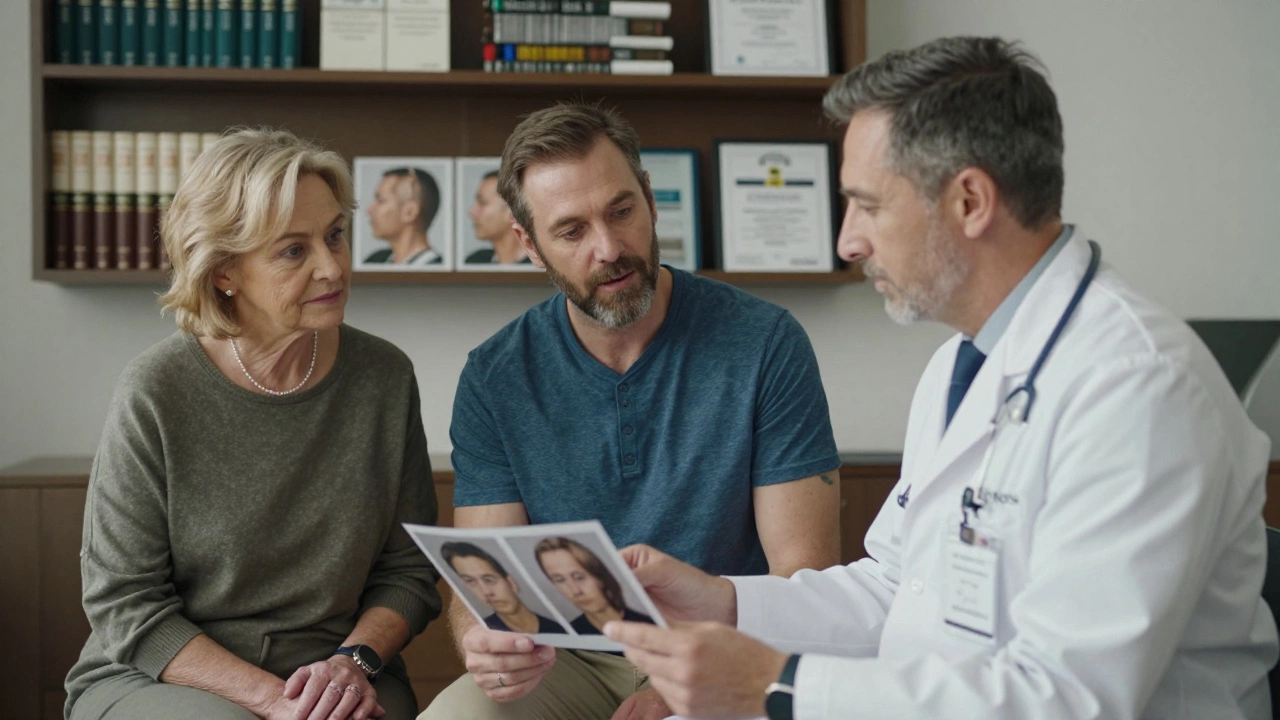
When done by a qualified surgeon, cosmetic surgery is generally safe. But safety depends on who you choose. Only surgeons registered with the General Medical Council (GMC) and listed on the BAAPS or BAPRAS registers should be trusted. In 2025, the UK had 1,212 registered cosmetic surgeons. But there were also 3,700 unregulated clinics offering injectables and minor procedures.
The most common risks are infection, scarring, and dissatisfaction with results. About 7% of patients report being unhappy with their outcome. That number jumps to 22% for those who went to unregistered providers. Complications from fillers injected in the wrong place can cause blindness or tissue death. That’s why checking credentials isn’t optional-it’s life-saving.
What’s Next?
Technology is changing the game. 3D imaging now lets patients see a simulated result before surgery. AI tools help surgeons plan incisions with millimeter precision. Non-invasive treatments like ultrasound skin tightening and radiofrequency therapy are becoming more effective, meaning fewer people need surgery at all.
Regulation is catching up. The UK government launched a new cosmetic procedure register in 2024. All clinics must now be licensed, and providers must show proof of training. By 2027, every injector, surgeon, and clinic offering cosmetic treatments will need to be listed. That’s a big step forward.
One thing’s clear: cosmetic surgery isn’t a trend. It’s becoming part of everyday self-care. For some, it’s a small tweak. For others, it’s life-changing. The key is knowing your options, doing your research, and choosing someone who’s actually qualified-not just cheap.
How many cosmetic surgeries are performed in the UK each year?
In 2025, there were approximately 640,000 cosmetic procedures performed in the UK. Of those, about 185,000 were surgical, and 455,000 were non-surgical (like Botox, fillers, laser treatments). This is a 12% increase from 2024 and nearly double the number from 2015.
Is cosmetic surgery covered by the NHS?
The NHS only covers cosmetic surgery if it’s medically necessary-such as breast reconstruction after cancer, correcting severe congenital deformities, or fixing breathing issues caused by a deviated septum. Purely aesthetic procedures like breast enlargement, nose jobs, or tummy tucks are never funded by the NHS. Waiting lists for reconstructive surgery can be over two years long.
Are men getting more cosmetic procedures than before?
Yes. In 2020, men made up 12% of cosmetic surgery patients. By 2025, that number rose to 21%. The fastest-growing procedures for men are gynecomastia surgery, chin and jawline contouring, and hair transplants. Social media, workplace confidence, and changing attitudes toward male appearance are driving this shift.
What’s the most popular cosmetic procedure in the UK?
Breast augmentation remains the most popular surgical procedure, with over 18,000 surgeries performed in 2025. However, if you count non-surgical treatments, Botox injections are #1 overall, with more than 210,000 treatments given that year.
How do I know if a cosmetic surgeon is qualified?
Check if the surgeon is registered with the General Medical Council (GMC) and listed on either the British Association of Aesthetic Plastic Surgeons (BAAPS) or the British Association of Plastic, Reconstructive and Aesthetic Surgeons (BAPRAS) website. These are the only two professional bodies that require rigorous training and ongoing assessment. Never go to a clinic that doesn’t display the surgeon’s full name, GMC number, and qualifications clearly.
Can cosmetic surgery go wrong?
Yes. While complications are rare with qualified professionals, they happen more often with unregulated providers. Common issues include infection, asymmetry, nerve damage, and scarring. Injections done incorrectly can cause blindness or tissue death. The UK’s General Medical Council reported a 31% rise in complaints about overseas clinics between 2022 and 2025. Always choose a registered UK-based surgeon.