UK Cosmetic Surgery Cost Calculator
Procedure Cost Estimator
Estimate costs for common cosmetic procedures in the UK based on 2025 data. All figures are approximate ranges.
More than 1 in 50 adults in the UK have had some kind of cosmetic procedure. That’s not a guess-it’s from the latest data collected by the British Association of Aesthetic Plastic Surgeons (BAAPS) in 2025. What used to be seen as a luxury for the wealthy is now a normal part of life for thousands of people across the country. From nose jobs to breast augmentations, from skin tightening to lip fillers, cosmetic surgery isn’t rare anymore. It’s routine.
What Procedures Are Most Popular?
The top five cosmetic surgeries in the UK in 2025 were breast augmentation, breast reduction, rhinoplasty (nose reshaping), eyelid surgery, and liposuction. But the biggest growth wasn’t in the operating room-it was in non-surgical treatments. Botox, dermal fillers, chemical peels, and laser skin resurfacing made up nearly 70% of all cosmetic procedures performed last year. That’s because they’re cheaper, quicker, and require no recovery time.
For example, a single Botox session costs between £200 and £400 and takes less than 20 minutes. Compare that to breast augmentation, which can cost £5,000 to £8,000 and needs at least two weeks off work. It’s no surprise that over 1.2 million non-surgical treatments were done in the UK in 2025, up 18% from 2023.
Who’s Getting Cosmetic Surgery?
It’s not just women. Men made up 14% of all cosmetic procedures in 2025, up from just 7% in 2018. More men are opting for jawline contouring, chin implants, and gynecomastia surgery (reduction of male breast tissue). Social media and dating apps have played a big role. A 2024 survey by the Royal College of Surgeons found that 41% of men under 35 said they considered surgery because of how they looked in selfies.
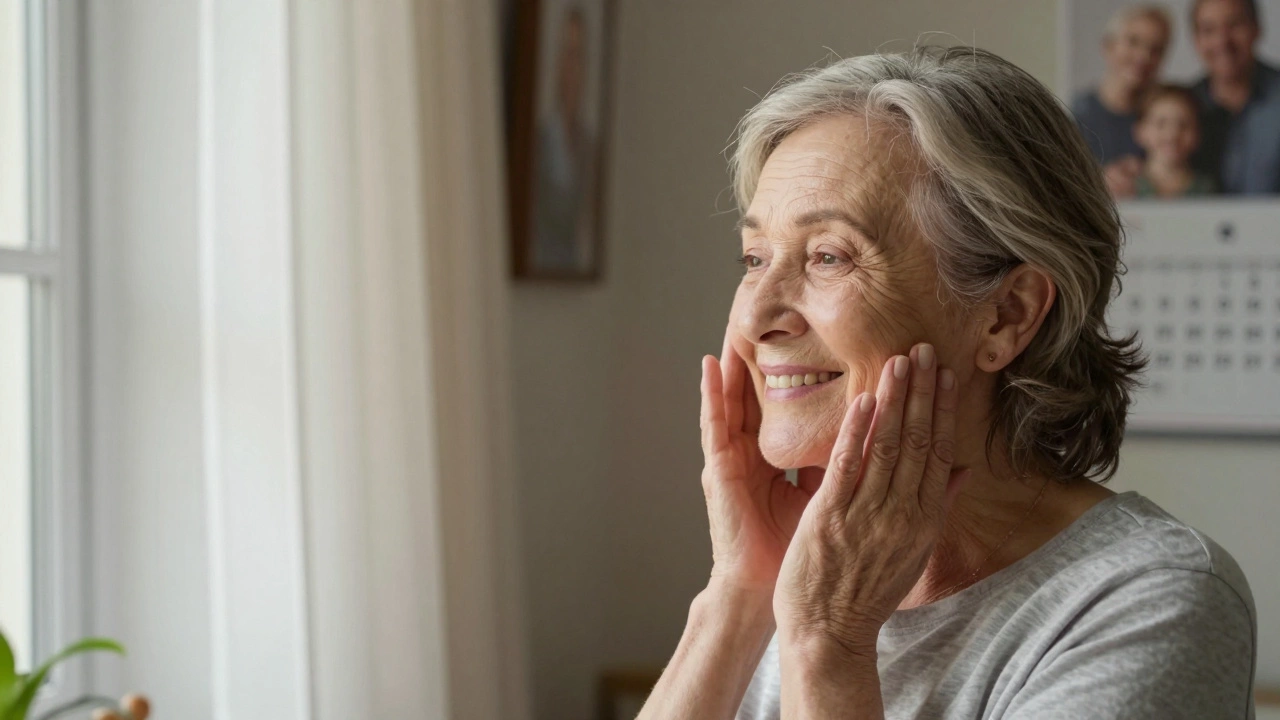
Age is also shifting. While women in their 30s and 40s still make up the largest group, people over 60 are the fastest-growing segment. Anti-aging treatments like facelifts, neck lifts, and brow lifts increased by 22% in the last two years. One 68-year-old woman from Manchester told her surgeon, “I didn’t want to look tired. I wanted to look like me-just better.”
Even teenagers are getting procedures-though legally, they need parental consent. Ear pinning (otoplasty) is the most common for under-18s, followed by rhinoplasty. Surgeons report a rise in requests from teens who’ve been bullied or feel self-conscious about their appearance. Some clinics now require psychological evaluations before approving minors.
Why Are More People Choosing Surgery?
There’s no single reason. But three big forces are driving the trend.
First, social media. Instagram, TikTok, and Snapchat have created a culture where flawless skin, symmetrical features, and “perfect” proportions are the norm. Filters aren’t just fun-they’ve changed what people think is normal. A 2025 study from King’s College London found that 68% of people who sought cosmetic surgery said they were inspired by filtered images they saw online.
Second, affordability. Payment plans are now standard. Many clinics offer 0% interest over 12 to 36 months. Some even partner with banks to let patients pay in weekly installments as low as £25. What used to cost £6,000 upfront can now be paid off at £160 a month.
Third, normalization. Cosmetic surgery isn’t whispered about anymore. Celebrities openly talk about their procedures. Doctors post before-and-after photos. Even news outlets cover it like any other health trend. That openness makes it easier for people to ask questions, do research, and make decisions without shame.
Where Are People Getting Surgery?
Most UK residents get their procedures done in private clinics. Around 85% of cosmetic surgeries are performed outside the NHS. The NHS only covers surgery for medical reasons-like reconstructive work after cancer, severe breathing problems from a deviated septum, or massive breast reduction for back pain. Even then, waiting lists can be over two years.
That’s why people turn to private providers. London, Manchester, and Birmingham have the highest concentration of clinics. But you’ll find qualified surgeons in nearly every major town. The key is checking credentials. Look for membership in BAAPS or the British Association of Plastic, Reconstructive and Aesthetic Surgeons (BAPRAS). These are the only two official bodies that certify cosmetic surgeons in the UK.
Be wary of clinics offering “miracle” deals-£500 liposuction, £100 fillers. Those often mean unqualified staff, outdated equipment, or imported products that don’t meet UK safety standards. In 2024, the Care Quality Commission shut down 12 clinics for unsafe practices. One case involved a woman who suffered permanent nerve damage after getting fillers from a beautician working out of a salon.
What Are the Risks?
No surgery is risk-free. Even simple procedures like eyelid surgery can lead to infection, scarring, or asymmetry. More serious surgeries carry risks of blood clots, anaesthesia complications, or long-term nerve damage. The mortality rate for cosmetic surgery in the UK is extremely low-about 1 in 50,000-but it’s not zero.
Non-surgical treatments aren’t harmless either. Fillers injected into the wrong spot can block blood vessels and cause skin death or blindness. Botox can spread beyond the injection site and cause drooping eyelids or difficulty swallowing. Most complications happen because the provider isn’t trained properly.
That’s why choosing a registered surgeon matters. Always ask to see their GMC registration number. Check the General Medical Council website to confirm they’re licensed to perform surgery. Don’t let a salesperson talk you into a procedure. If they push you to decide on the spot, walk away.
Is Cosmetic Surgery Worth It?
For many, the answer is yes. A 2025 survey by the British Association of Cosmetic Nurses found that 89% of patients reported improved self-esteem after their procedure. People said they felt more confident at work, in relationships, and in social situations. One man who had gynecomastia surgery told researchers, “I hadn’t taken my shirt off in public since I was 16. After surgery, I went to the beach with my kids for the first time.”
But it’s not a magic fix. If you’re hoping surgery will solve deeper emotional issues-like depression, anxiety, or trauma-it won’t. Many surgeons now require patients to speak with a counsellor before booking. They want to make sure the person is seeking surgery for the right reasons.
Realistic expectations are everything. A nose job won’t make you famous. Fillers won’t turn you into a model. But they can help you feel more like yourself. And that’s worth a lot.
What’s Next for Cosmetic Surgery in the UK?
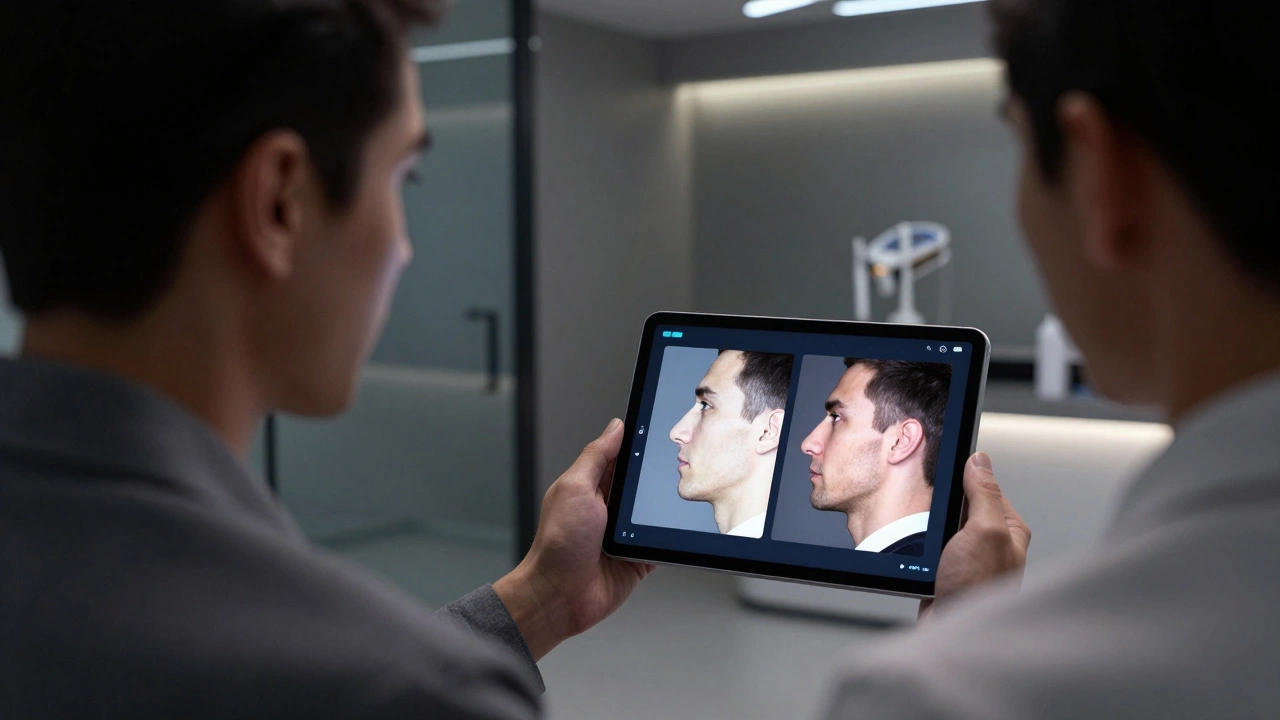
The next five years will see more tech-driven changes. AI is being used to simulate outcomes before surgery. 3D imaging lets patients see exactly how their face or body might look after a procedure. Some clinics now offer virtual consultations with surgeons using augmented reality.
Regulation is tightening too. Starting in 2026, all clinics must display their surgeon’s registration number on their website. Advertisements for non-surgical treatments will need to include a warning about risks. And the government is considering a mandatory cooling-off period-anyone booking surgery must wait at least 14 days before going ahead.
One thing’s clear: cosmetic surgery in the UK isn’t going away. It’s becoming part of everyday life, like going to the dentist or getting a haircut. The question isn’t whether it’s common-it’s whether you’ve done your homework.
Is cosmetic surgery covered by the NHS in the UK?
The NHS only covers cosmetic surgery if it’s medically necessary-like breast reconstruction after cancer, correcting a breathing problem from a broken nose, or removing excess skin after massive weight loss. Procedures done purely for appearance-like breast augmentation, rhinoplasty, or lip fillers-are not funded. Waiting lists for NHS-reimbursed procedures can be over two years long.
How much does cosmetic surgery cost in the UK?
Costs vary widely. Non-surgical treatments like Botox start at £200, while dermal fillers range from £300 to £800 per session. Surgical procedures are more expensive: breast augmentation costs £5,000-£8,000, rhinoplasty £4,500-£7,000, and a full facelift £7,000-£12,000. Many clinics offer payment plans, and some allow you to pay in monthly instalments with 0% interest.
Are cosmetic surgeons in the UK regulated?
Yes, but not all practitioners are equal. Only surgeons registered with the General Medical Council (GMC) and members of BAAPS or BAPRAS are fully qualified to perform cosmetic surgery. Many people offering injections or skin treatments are beauticians or nurses without surgical training. Always ask for the surgeon’s GMC number and check it on the GMC website before booking.
Can teenagers get cosmetic surgery in the UK?
Yes, but only with parental consent and often after a psychological evaluation. The most common procedures for under-18s are ear pinning (otoplasty) and rhinoplasty. Surgeons are cautious and typically avoid elective procedures on minors unless there’s clear medical or psychological need. Clinics are now required to document the patient’s emotional readiness before proceeding.
What should I look for when choosing a cosmetic surgeon?
Check their GMC registration and confirm they’re a member of BAAPS or BAPRAS. Ask to see before-and-after photos of real patients-not stock images. Schedule a consultation where you can speak directly with the surgeon, not just a sales advisor. Ask about complications, recovery time, and what happens if you’re unhappy with the result. Avoid clinics that pressure you to decide immediately or offer deals that seem too good to be true.
Is cosmetic surgery becoming more popular among men?
Yes. In 2025, men accounted for 14% of all cosmetic procedures in the UK, up from 7% in 2018. Popular treatments include jawline contouring, chin implants, gynecomastia surgery, and non-surgical fat reduction. Social media, dating apps, and increased openness about male appearance have driven this shift. Many men now see surgery as part of self-care, not vanity.