GP Session Optimizer & Cost Calculator
Estimate how long your GP visit should take and compare the financial impact of public versus private care options.
Enter your details and click calculate to see your personalized GP session plan.
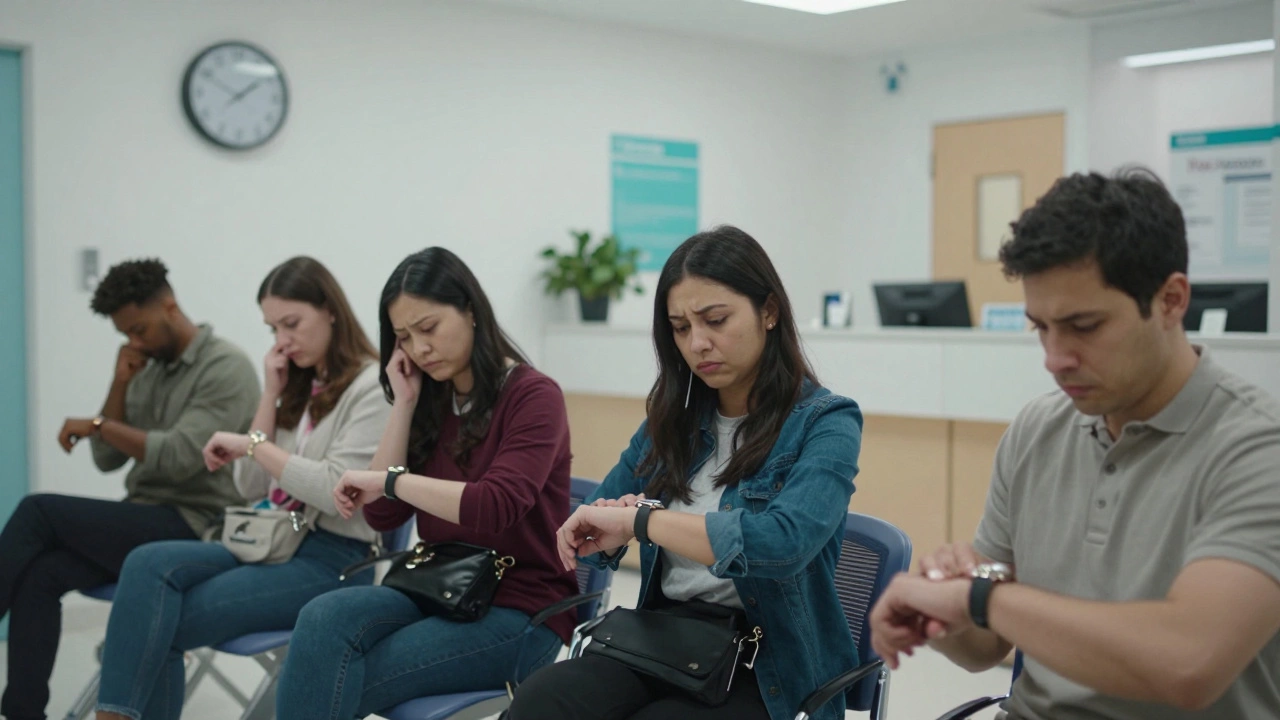
Ever sat in a clinic reception, watching the clock tick by, wondering if you’ll actually get to see your doctor today? You are not alone. The question of how long is a GP session is one that causes stress for patients everywhere. The short answer is: it depends entirely on where you live, who you pay, and how sick you are. In many public systems, like the UK’s NHS, a standard appointment is booked for just 10 minutes. That might sound enough for a quick flu check, but try explaining a complex anxiety issue or chronic pain history in six hundred seconds. It feels rushed, doesn’t it?
On the flip side, private healthcare often offers 20 to 30-minute slots, giving you room to breathe. But why does this variance exist? And more importantly, how can you make sure you get the time you need without falling through the cracks? Let’s break down the reality of doctor appointments, from the tight squeeze of public clinics to the relaxed pace of private practices.
The Public System Squeeze: Why 10 Minutes Is the Standard
In countries with universal healthcare funded by taxes, such as the United Kingdom, Australia, and New Zealand, General Practitioners (GPs) operate under immense pressure. The "10-minute rule" isn't arbitrary; it’s a logistical necessity. If a GP sees 40 patients a day at 10 minutes each, they hit their quota. Add in paperwork, phone calls, and referrals, and you have a packed schedule.
Why so short? Because demand outstrips supply. There simply aren’t enough GPs to give every patient an hour-long chat. So, clinics prioritize efficiency. This means your appointment is structured around acute issues-things that need immediate attention like infections, injuries, or medication renewals. If you walk in expecting a deep dive into your lifestyle changes, you might find yourself being gently steered back to the basics.
This model works well for straightforward problems. A sore throat? Ten minutes is plenty. But for mental health discussions, complex diagnoses, or end-of-life care, ten minutes is often insufficient. This gap between expectation and reality is where frustration builds. Patients feel unheard, and doctors feel burned out trying to fit square pegs into round holes.
Private Care: Buying Time and Attention
If you opt for private healthcare, the dynamic shifts dramatically. Here, you are paying not just for medical expertise, but for time. Private GP sessions typically range from 20 to 60 minutes. Many private clinics advertise "long consultations" specifically to attract patients who feel rushed in the public system.
What do you get for that extra time? First, continuity. You’re more likely to see the same doctor, who knows your history. Second, depth. Your doctor can explore underlying causes rather than just treating symptoms. For example, instead of just prescribing painkillers for back pain, a private GP might spend 30 minutes discussing your work ergonomics, sleep habits, and stress levels.
However, this comes at a cost. Private consultations can be expensive, often ranging from $100 to $300 per visit depending on the region and specialist. Insurance may cover some of this, but out-of-pocket costs remain high for many. It’s a trade-off: financial accessibility versus temporal accessibility.
| Feature | Public (e.g., NHS) | Private Healthcare |
|---|---|---|
| Average Duration | 10-15 minutes | 20-60 minutes |
| Cost to Patient | Low/Free (tax-funded) | High ($100-$300+) |
| Waiting Time for Appointment | Days to Weeks | Same Day to Few Days |
| Doctor Continuity | Variable (often different doctors) | High (usually same doctor) |
| Focus | Acute, urgent issues | Preventative, holistic, complex care |

Factors That Influence Appointment Length
Not all appointments are created equal. Several factors determine whether your session will be a brisk five minutes or a thorough half-hour.
- Urgency: Emergency visits are triaged quickly. If you’re having chest pain, you won’t wait for a scheduled slot. Conversely, routine check-ups might be squeezed into shorter gaps.
- Complexity: A simple prescription renewal takes less time than a new diagnosis. Doctors often allocate longer slots for initial consultations or follow-ups on chronic conditions.
- Patient Preparation: How organized you are matters. If you arrive with a clear list of symptoms, questions, and medical history, the consultation runs smoother. Rambling or forgetting key details can waste precious minutes.
- Clinic Policy: Some clinics enforce strict time limits to keep schedules on track. Others allow overflow if the next patient is late. Know your clinic’s culture.
Interestingly, telehealth has changed the game. Video calls often run slightly shorter than in-person visits because physical exams aren’t possible. However, they eliminate travel time, making them efficient for minor issues. For complex cases, though, face-to-face interaction remains irreplaceable.
How to Maximize Your GP Session
Since you likely can’t control the clock, you must control the content. Here’s how to make the most of whatever time you’re given.
- Prepare a Priority List: Write down your top three concerns. If time runs out, ensure the most critical issue is addressed first.
- Be Concise: Start with the main problem. “I’ve had a headache for three days” is better than a detailed narrative about your week unless relevant.
- Ask Specific Questions: Instead of “What’s wrong with me?” ask “Could this be related to my blood pressure?” Guiding the conversation saves time.
- Bring Records: Have test results, medication lists, and previous referrals handy. This prevents the doctor from spending time searching for information.
- Request More Time if Needed: If you sense the appointment ending before you’re done, say, “I have another important concern. Can we book a follow-up?” Most doctors will accommodate this if asked politely.
Remember, your GP is a partner in your health, not a vending machine. Building a relationship over time helps them understand your baseline, making future consultations more efficient.

The Hidden Cost of Rushed Care
When appointments are too short, misdiagnoses become more likely. A study published in *The Lancet* found that rushed consultations contribute to up to 10% of diagnostic errors. When a doctor can’t listen fully, subtle clues slip away. This isn’t just frustrating; it’s dangerous.
Moreover, rushed care erodes trust. Patients who feel hurried are less likely to disclose sensitive information, such as mental health struggles or sexual health concerns. This leads to incomplete treatment plans and poorer outcomes. The system suffers when patients avoid seeking help due to fear of judgment or inefficiency.
For doctors, constant rushing leads to burnout. High turnover rates among GPs exacerbate the shortage, creating a vicious cycle. Addressing this requires systemic change, not just individual coping strategies.
While navigating these challenges, some people seek alternative forms of companionship or support outside traditional medical frameworks. For instance, those traveling internationally might look for discreet local connections, such as those listed in this directory, which offers verified profiles for individuals seeking personal company in cities like Almaty. While unrelated to medical care, it highlights the diverse ways people manage loneliness and stress when traditional support systems feel inaccessible or inadequate.
Looking Ahead: Will Appointments Get Longer?
Healthcare systems are evolving. In response to burnout and patient dissatisfaction, some regions are experimenting with extended appointment models. The NHS in England, for example, has piloted 15-minute slots in certain areas, reporting improved patient satisfaction and reduced no-shows. Similarly, value-based care models incentivize doctors to spend more time on prevention rather than just treatment.
Technology also plays a role. AI-driven triage tools can handle initial data collection, freeing up doctors to focus on decision-making. Electronic health records (EHRs) are becoming smarter, reducing administrative burden. These innovations could eventually allow for longer, more meaningful interactions without increasing costs.
Until then, patients must advocate for themselves. Understanding how long a GP session should last-and what you can realistically expect-empowers you to navigate the system effectively. Whether you choose public or private care, preparation and communication are your best tools.
Is 10 minutes enough for a GP appointment?
For simple issues like colds or prescription refills, yes. For complex conditions, mental health, or multiple concerns, 10 minutes is often insufficient. Consider booking a longer appointment or splitting issues across two visits.
Can I request a longer appointment with my GP?
Yes, most clinics offer "long consultation" slots for complex cases. Ask your receptionist when booking. Be specific about why you need more time (e.g., new diagnosis, mental health discussion).
Why are private GP appointments longer?
Private practices charge higher fees, allowing them to allocate more time per patient. They also have lower patient volumes, enabling deeper consultations and better continuity of care.
What should I do if my GP rushes me?
Politely state your priority concerns early. If you feel dismissed, ask for a follow-up appointment. Consider switching to a different GP or clinic if the pattern persists.
Are online doctor consultations shorter?
Often, yes. Telehealth appointments average 10-15 minutes because physical exams aren’t possible. They’re ideal for minor ailments but less suitable for complex diagnostics requiring hands-on assessment.
How can I prepare for a short GP visit?
Write down your top 3 issues, bring a medication list, note symptom timelines, and prepare specific questions. Prioritize urgent matters to ensure they’re addressed first.
Do GP appointment lengths vary by country?
Yes. In the UK, 10 minutes is standard. In the US, primary care visits average 15-20 minutes. In Canada, similar to the UK, slots are often 10-15 minutes. Private care globally tends toward 20-30+ minutes.