
Lipo 360 Results Estimator
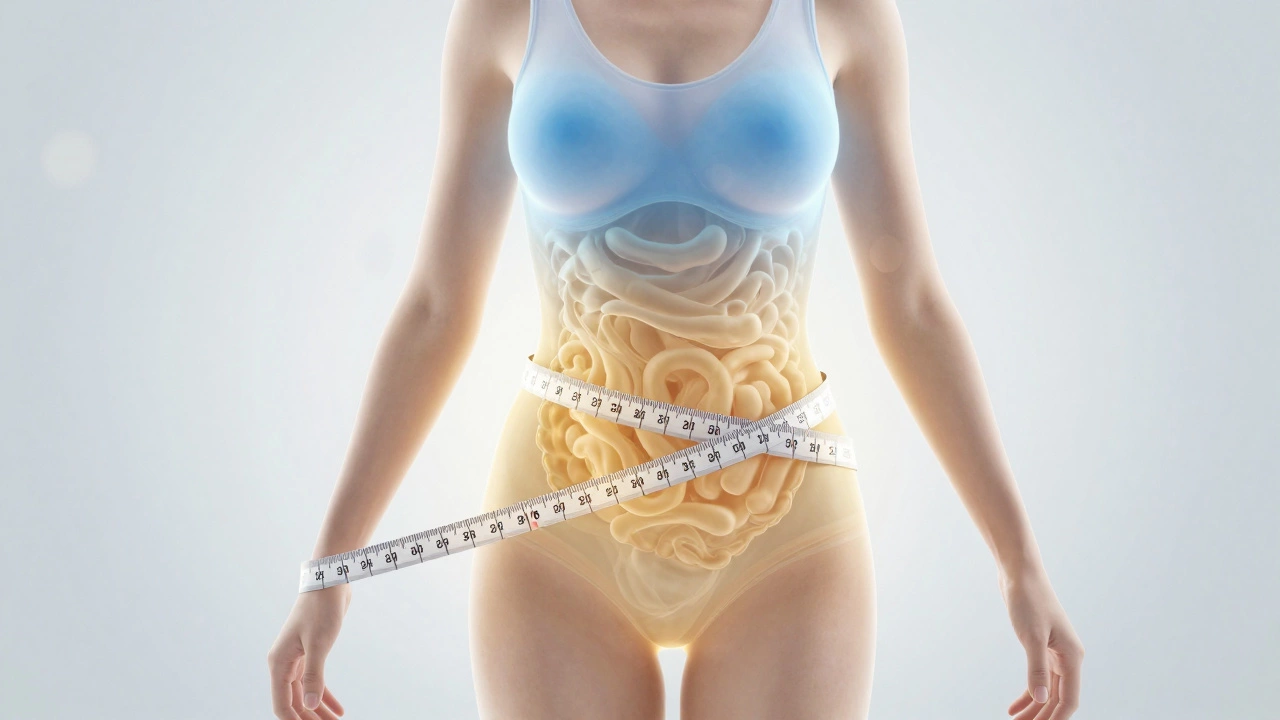
You’ve spent months researching Lipo 360, which is a comprehensive liposuction procedure that contours the entire midsection by removing fat from the abdomen, flanks, and back in a single session. The big question on your mind isn’t just whether it works-it’s how much it actually changes your silhouette. Specifically, you want to know: how many inches do you lose with Lipo 360?
The short answer is that most patients see a reduction of 2 to 4 inches around their waistline after swelling subsides. However, treating this number as a guarantee can lead to disappointment. Liposuction is not a weight-loss tool; it is a body-contouring technique designed to reshape specific areas where stubborn fat refuses to budge despite diet and exercise. Understanding what drives those inch losses-and why they vary so dramatically between individuals-is key to setting realistic expectations.
Why "Inches Lost" Is a Misleading Metric
We love tangible numbers. Losing 10 pounds or shrinking our waist by 3 inches feels like a victory we can measure with a tape measure. But when it comes to liposuction, which is a surgical procedure that removes localized fat deposits using suction cannulas, the tape measure often lies to us. Here’s why:
- Fat density varies: One liter of fat weighs roughly 1.9 pounds (0.86 kg). Removing 2 liters of fat might sound substantial, but depending on your body composition, it may only translate to a half-inch difference in circumference if your skin has low elasticity.
- Swelling masks progress: In the first 4-6 weeks post-op, inflammation causes significant fluid retention. Your waist might actually look *larger* temporarily due to bruising and edema. True measurements are usually taken at 3-6 months.
- Distribution matters: If you have excess skin or muscle laxity, removing fat won’t necessarily pull your waist inward. Instead, it might leave loose tissue that doesn’t hug your new shape tightly.
So instead of fixating on inches, think about proportions. A successful Lipo 360 creates an hourglass figure for women or a V-taper for men by harmonizing the ratio between your bust/shoulders, waist, and hips. That visual balance is far more impactful than a raw number on a ruler.
What Determines How Much You’ll Lose?
If two people undergo the exact same Lipo 360 procedure under the same surgeon, they could end up with vastly different results. Several biological and technical factors dictate how many inches disappear:
- Skin Elasticity: Younger skin snaps back better. Collagen-rich skin will retract smoothly over the new contours. Older skin or skin stretched by pregnancy may require additional treatments like Thread Lifts or even abdominoplasty (tummy tuck) to achieve tightness.
- Amount of Fat Removed: Safety guidelines cap total fat removal at 5 liters (about 11 pounds) for outpatient procedures. Most surgeons aim for 2-4 liters during a Lipo 360 to minimize risks. More fat removed equals greater potential inch loss-but only up to a point.
- Anatomical Structure: Bone structure plays a huge role. Someone with narrow iliac bones (hip bones) will show dramatic waist definition even with modest fat removal. Broader frames need more aggressive contouring to create visible curves.
- Surgical Technique: Modern methods like VASER liposuction, which uses ultrasound energy to liquefy fat before extraction, allowing for smoother results and faster recovery offer precision that traditional suction cannot match. This means less trauma to surrounding tissues and potentially tighter final outcomes.
Your consultation should include a physical exam assessing these variables. Ask your surgeon: “Based on my skin quality and anatomy, what is the maximum safe volume I can remove, and how will that affect my waist measurement?”
Realistic Timeline: When Will You See the Inches Drop?
Patience is non-negotiable here. You won’t wake up from surgery with a smaller waist. In fact, you’ll likely feel bloated and swollen for weeks. Here’s what happens chronologically:
| Timeframe | Physical State | Visible Inch Loss? |
|---|---|---|
| Week 1-2 | Peak swelling, bruising, compression garment worn 24/7 | No - may appear larger |
| Week 3-6 | Swelling decreases significantly; garment worn part-time | Moderate - early hints of contour |
| Month 2-3 | Most residual swelling gone; skin begins tightening | Yes - noticeable reduction |
| Month 4-6 | Final results emerge; skin fully retracted | Full effect - stable measurements |
Many patients report feeling discouraged at week 4 because they don’t see drastic changes yet. Remember: internal healing continues long after external bruises fade. By month 3, however, clothes start fitting differently-often slipping off shoulders or hanging loosely at the waist. That’s when the real satisfaction kicks in.
Comparing Lipo 360 vs. Traditional Liposuction
Not all liposuction is created equal. Standard liposuction targets one area-say, the lower abdomen. Lipo 360, also known as circumferential liposuction, treats the entire torso simultaneously. This holistic approach yields superior aesthetic harmony but requires careful planning.
| Factor | Traditional Liposuction | Lipo 360 |
|---|---|---|
| Areas Treated | One isolated zone (e.g., thighs) | Abdomen, flanks, back, sometimes bra line |
| Inch Reduction Potential | 1-2 inches locally | 2-4 inches circumferentially |
| Recovery Time | 1-2 weeks light activity | 2-4 weeks before normal routine |
| Risk Profile | Lower due to limited scope | Higer complexity; needs experienced surgeon |
| Aesthetic Outcome | Localized improvement | Balanced, proportional silhouette |
If your goal is overall waist slimming rather than fixing one bulge, Lipo 360 delivers more dramatic visual impact. It’s ideal for people who are near their ideal weight but struggle with disproportionate fat distribution.
Who Should Consider Lipo 360?
This procedure isn’t for everyone. Ideal candidates share several traits:
- Stable weight: You’ve maintained your current weight for at least 6-12 months. Weight fluctuations after surgery can distort results.
- Good skin tone: Pinch test shows firm, elastic skin. Poor elasticity leads to sagging.
- Healthy lifestyle: Non-smokers fare better. Smoking impairs circulation and delays healing.
- Realistic expectations: You understand this enhances your natural shape-it doesn’t create a completely new body type.
In the UK, private clinics increasingly combine Lipo 360 with non-invasive adjuncts like CoolSculpting or radiofrequency skin tightening to boost outcomes. These add-ons help tighten skin further without adding surgical risk.
Potential Risks & Complications
Like any surgery, Lipo 360 carries risks. While serious complications are rare (<1% incidence), awareness is crucial:
- Fluid imbalance: Large-volume liposuction can cause shifts in bodily fluids. Monitoring IV fluids during and after surgery prevents this.
- Contour irregularities: Uneven fat removal can result in dents or waves. Choosing a board-certified plastic surgeon minimizes this risk.
- Numbness: Temporary loss of sensation in treated areas is common and usually resolves within 6-12 months.
- Infection: Rare but possible. Antibiotics and sterile technique reduce likelihood.
Always verify your surgeon’s credentials through the General Medical Council (GMC) register in the UK. Look for specialists accredited by BAPRAS (British Association of Plastic, Reconstructive and Aesthetic Surgeons).
Cost Considerations in the UK
Lipo 360 is a premium procedure. Prices vary widely based on location, surgeon expertise, and facility fees. As of 2026, expect to pay between £4,000 and £8,000 in London and major cities. Regional practices may charge £3,000-£5,000.
Remember: cheap prices often signal inexperienced hands. Don’t compromise safety for savings. Always ask what’s included-anaesthesia, hospital stay, follow-up visits, and compression garments should be bundled.
Final Thoughts: Focus on Shape, Not Numbers
While losing 2-4 inches sounds impressive, the true value of Lipo 360 lies in how it transforms your confidence. Clothes fit better. Photos look sharper. Posture improves because your center of gravity shifts slightly. These qualitative benefits outweigh quantitative metrics every time.
Before booking, consult multiple surgeons. Bring photos of desired outcomes. Discuss your goals openly. And remember: the best result isn’t the smallest waist-it’s the one that looks naturally yours.
How many inches can I realistically lose with Lipo 360?
Most patients lose between 2 to 4 inches around their waistline after full recovery (3-6 months post-op). Results depend on skin elasticity, amount of fat removed, and individual anatomy. Some may see up to 5 inches if they had significant flank and abdominal fat.
Does Lipo 360 work for obese individuals?
No. Lipo 360 is intended for people close to their ideal weight (BMI under 30) who have localized fat deposits. It is not a treatment for obesity. Significant weight loss should be achieved through diet, exercise, or bariatric surgery first.
Will Lipo 360 tighten my skin automatically?
Skin tightening depends largely on age and genetics. Younger patients with good collagen levels typically experience natural retraction. Older patients or those with poor elasticity may need supplemental treatments like radiofrequency therapy or thread lifts to avoid loose skin.
How long does the pain last after Lipo 360?
Acute pain peaks during days 2-4 and is managed with prescription medication. Mild discomfort, soreness, and tenderness can persist for 2-4 weeks. Most return to desk jobs within 5-7 days and light exercise after 2-3 weeks.
Can I combine Lipo 360 with other procedures?
Yes, many patients pair Lipo 360 with breast augmentation, facelifts, or mommy makeovers. Combining surgeries reduces overall recovery time and cost. However, it increases anaesthesia duration and requires meticulous surgical planning to ensure safety.
Is Lipo 360 permanent?
Fat cells removed via liposuction do not grow back. However, remaining fat cells can expand if you gain weight. Maintaining a stable weight ensures lasting results. Significant weight gain can alter your contour, though usually proportionally across all treated areas.
What’s the difference between Lipo 360 and a tummy tuck?
A tummy tuck (abdominoplasty) removes excess skin and tightens muscles, while Lipo 360 only removes fat. If you have loose skin or separated abdominal muscles (diastasis recti), a tummy tuck is more appropriate. Lipo 360 suits those with good skin tone seeking refined contours.
How do I choose the right surgeon for Lipo 360 in the UK?
Look for GMC-registered consultants specializing in plastic surgery. Check membership in BAPRAS or ISAPS. Review before-and-after galleries specifically for Lipo 360 cases. Avoid medispas offering discounted rates-they lack proper surgical facilities and emergency protocols.