Barely There Makeup Routine Builder
Build your perfect effortless look by answering three simple questions. We'll generate a step-by-step routine tailored to your needs.
Your Custom Routine
Based on your skin, timeframe, and plans.
Essential Products Checklist
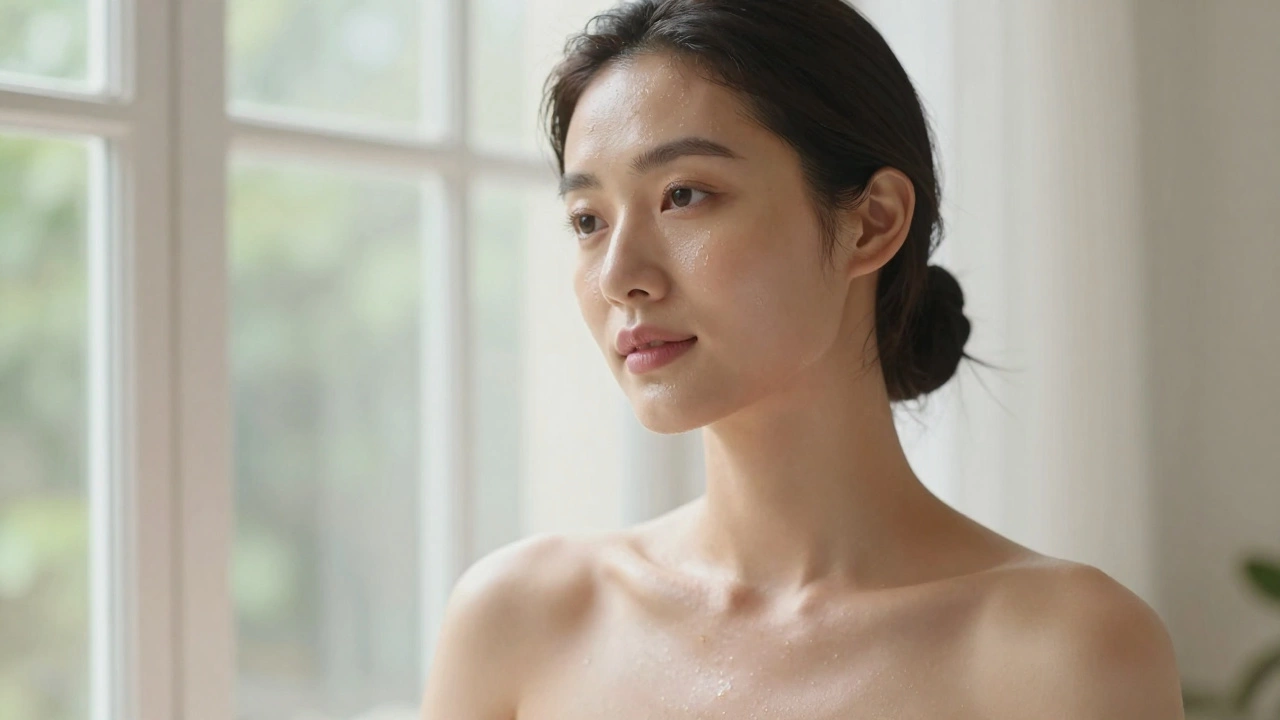
There is a specific kind of magic in looking like you just stepped out of the shower, yet your skin glows and your eyes look awake. This is the power of barely there makeup. It isn't about hiding who you are; it is about enhancing what is already there without drawing attention to the act of applying cosmetics. In Auckland, where we often face unpredictable weather and prefer a relaxed lifestyle, this approach is not just a trend-it is a practical necessity. You want to look polished for a morning meeting but still feel comfortable enough to head straight to the beach afterward.
The goal here is simplicity. We are stripping away heavy foundations, thick contour lines, and dramatic eyeshadows. Instead, we focus on texture, light reflection, and subtle definition. If someone compliments your skin or asks if you got more sleep, you have nailed the technique. Let’s break down exactly how to achieve this effortless look step by step.
Preparation: The Canvas Matters More Than the Paint
You cannot fake a fresh-faced look with dry, flaky skin. The foundation of any minimalist makeup routine is skincare. If your skin is hydrated and smooth, you need far less product to even out your tone. Start with a gentle cleanser and follow up with a hydrating serum. Look for ingredients like hyaluronic acid or glycerin that pull moisture into the skin.
Moisturizer is non-negotiable. Even if you have oily skin, use a lightweight, oil-free moisturizer. Dry patches catch light in all the wrong ways, creating shadows that makeup tries to hide. By prepping the skin properly, you ensure that whatever minimal products you apply will glide on smoothly rather than cling to dry spots. Finish with sunscreen. Sun protection prevents premature aging, keeping your complexion even so you don’t have to rely on heavy coverage later.
- Cleanse gently to remove overnight oils.
- Apply a hydrating serum to plump the skin.
- Use a moisturizer suited to your skin type (gel for oily, cream for dry).
- Apply broad-spectrum SPF 30 or higher as the final prep step.
Complexion: Skin-Like Coverage Only
The biggest mistake people make when trying to achieve a natural look is using full-coverage foundation. It looks mask-like and settles into fine lines. For a barely there aesthetic, skip the foundation entirely if you can. If you have redness or uneven pigmentation, reach for a tinted moisturizer or a skin tint instead. These products offer sheer coverage that evens out the tone while letting your natural freckles and skin texture show through.
If you need more coverage in specific areas, spot conceal rather than covering your whole face. Use a concealer only under the eyes, around the nose, and on any blemishes. Blend it out well with a damp beauty sponge or your fingers. Your fingers provide warmth, which helps melt the product into the skin for a seamless finish. Avoid harsh lines; the edge should be invisible. Remember, the goal is to correct, not to transform.
| Product Type | Coverage Level | Best For | Finish |
|---|---|---|---|
| Tinted Moisturizer | Sheer | Normal to combination skin | Dewy/Natural |
| Skin Tint | Light | Most skin types | Soft Matte |
| Concealer Only | Medium/Spot | Clear skin with minor imperfections | Varies |
| BB Cream | Light to Medium | Oily or acne-prone skin | Satin |
Eyes: Definition Without Drama
Heavy eyeliner and smoky eyes are out. For a barely there look, we want eyes that look bright and alert. Start by brushing your eyebrows. Use a clear brow gel or a tinted one that matches your hair color to keep them tidy. Well-groomed brows frame the face and give structure without needing any product on the lid.
For the lids, skip colorful eyeshadows. Instead, use a single neutral shade-think beige, taupe, or soft brown-that is slightly darker than your skin tone. Apply it sparingly in the crease to add depth. Blend it thoroughly until there are no harsh lines. A tiny bit goes a long way. Alternatively, you can skip shadow altogether and just curl your lashes. Using an eyelash curler opens up the eyes instantly. Follow with a coat of mascara, focusing on the roots to create the illusion of fuller lashes without clumps or spider legs.
Cheeks and Lips: Blushing and Hydration
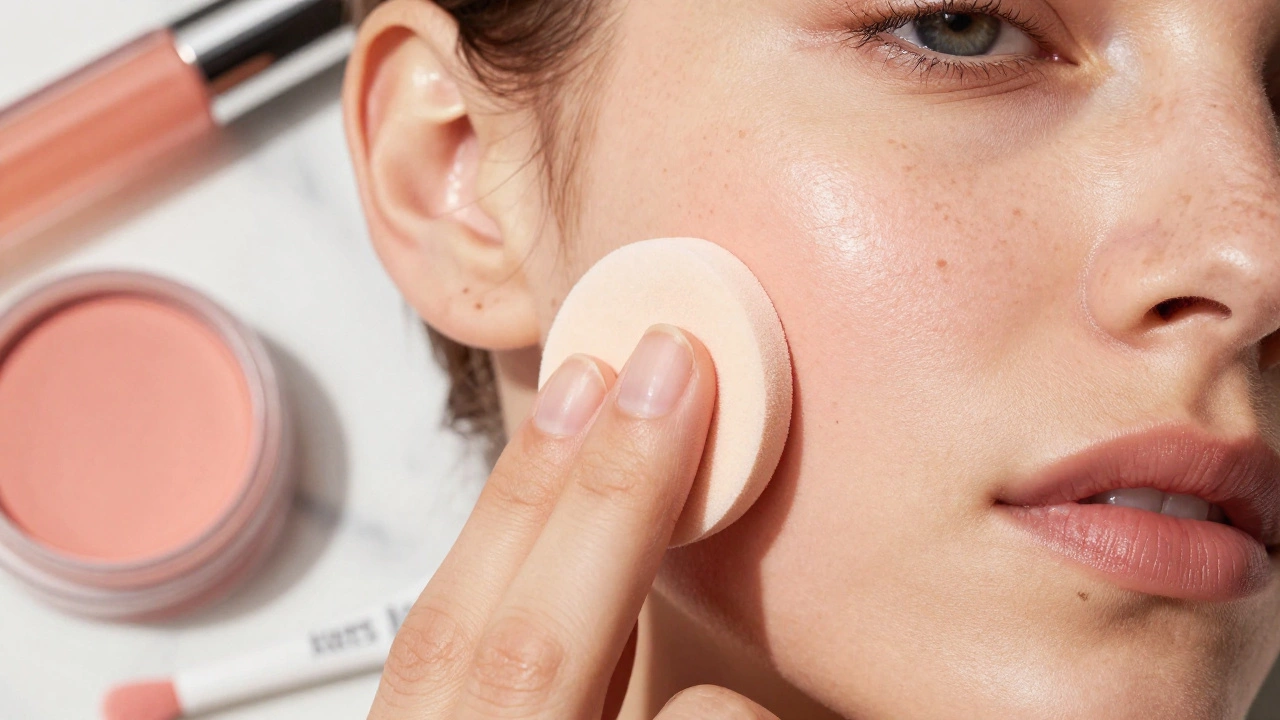
Cream products are your best friend for a natural look. Powder blushes can sometimes look dusty or sit on top of the skin. Cream blushers blend into the skin like a second layer, giving a healthy flush that looks like it comes from within. Dot a peach or pink cream blush on the apples of your cheeks and blend upwards towards your temples. Keep it subtle; you should see a hint of color, not a stripe.
For lips, avoid matte formulas that can look drying and emphasize cracks. Opt for a lip tint, lip oil, or a satin-finish lipstick in a shade close to your natural lip color. "My lips but better" shades usually fall into the MLBB (My Lips But Better) category, featuring nude pinks, mauves, or soft berries. The goal is hydration and a slight boost of color, not a bold statement. A glossy finish also reflects light, making the overall look fresher and more youthful.
Setting: Locking It In Without Flattening
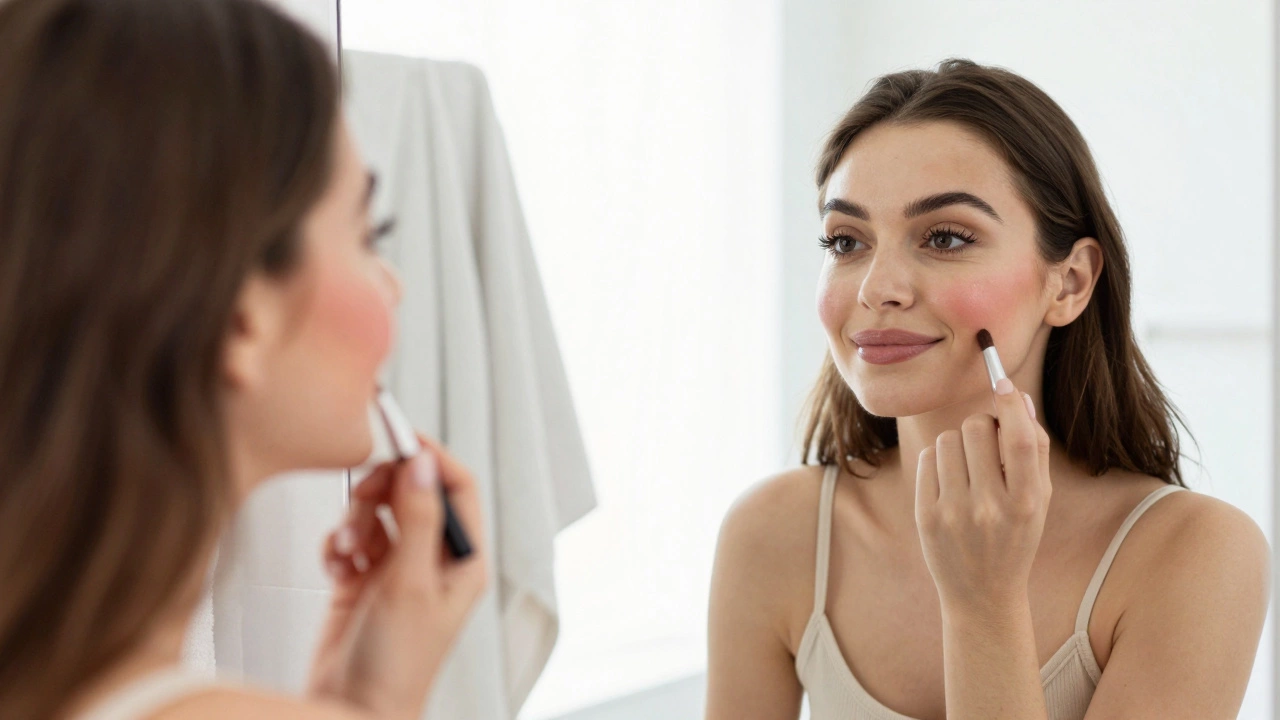
Many people fear setting powder because it can make skin look flat and cakey. However, a little dusting of translucent powder can help your makeup last longer, especially in humid climates. Focus only on the areas where you applied concealer, such as under the eyes and the center of the forehead. Use a fluffy brush and tap off the excess before applying. This sets the product without absorbing all the natural oils from the rest of your face.
If you want extra glow, skip the powder entirely and use a liquid highlighter. Mix a drop into your moisturizer or dab it on the high points of your cheekbones, the bridge of your nose, and your cupid's bow. Liquid highlighters sit on top of the skin and mimic the wet look of healthy skin, whereas powder highlighters can sometimes look glittery or artificial from a distance.
Common Mistakes to Avoid
Even with the right products, technique matters. One common error is over-blending. While blending is crucial, blending too much can cause colors to muddy together. For example, if you blend your blush too far back, it might mix with your bronzer, losing its distinct pop. Another mistake is ignoring undertones. Ensure your concealer and foundation match your neck, not just your face, to avoid a visible line of demarcation at the jawline.
Also, resist the urge to add more product if you feel something is missing. Often, the issue is not lack of coverage but lack of preparation. If your makeup looks patchy, your skin might be dry. Go back to the skincare step. Finally, remember that lighting changes how makeup looks. What looks perfect in bright bathroom light might look heavy in natural daylight. Step outside or near a window to check your work before heading out.
What is the difference between barely there makeup and no-makeup makeup?
The terms are often used interchangeably, but there is a slight nuance. "No-makeup makeup" refers to the technique of using products to enhance features so subtly that it appears you are wearing nothing. "Barely there makeup" emphasizes the minimal amount of product used. Both aim for a natural result, but barely there focuses on quantity, while no-makeup focuses on the illusion of effortlessness.
Can I wear barely there makeup to a formal event?
Yes, absolutely. A polished, natural look can be very elegant for formal events. The key is impeccable skin preparation and precise application. Focus on flawless skin, defined brows, and a classic lip color. It conveys confidence and sophistication without being distracting. Many celebrities opt for this look on red carpets to let their features speak for themselves.
How do I make barely there makeup last all day?
Longevity starts with skincare. Use a primer suitable for your skin type to create a smooth base. Set only the necessary areas with translucent powder to prevent creasing. Avoid touching your face throughout the day. If you need touch-ups, blot excess oil with a tissue rather than adding more powder, which can build up and look cakey.
What products do I need for a bare minimum makeup routine?
You really only need four things: a tinted moisturizer or skin tint, a concealer for spot correction, a cream blush for color, and a lip balm or tint. Eyebrow gel and mascara are optional but helpful for waking up the eyes. Keep your kit small and versatile to encourage simplicity.
Is barely there makeup suitable for mature skin?
It is ideal for mature skin. Heavy foundations can settle into fine lines and wrinkles, emphasizing age. Lighter, hydrating formulas reflect light better and keep the skin looking plump and healthy. Cream products are particularly beneficial as they do not dry out the skin or accentuate texture.