Hair Porosity & Routine Planner
Step 1: Identify Your Hair
Select the option that best describes your hair's behavior.
Ready to Hydrate?
Select your hair characteristics on the left to unlock your personalized moisturizing strategy.
Your hair feels like straw. It’s frizzy, tangled, and refuses to hold a curl no matter how much product you pile on. You’ve been washing it regularly, using expensive conditioners, and maybe even slathering on oils, yet the dryness persists. Why? Because there is a massive difference between hair moisturizing and simply coating your strands with oil. If you don’t understand the mechanics of water retention in your hair shaft, you’re likely sealing out moisture or stripping what little hydration you have left.
Keeping your hair hydrated isn’t about finding one magic bottle. It is a system. It involves understanding your porosity, choosing the right humectants, applying them correctly, and locking that water in so it doesn’t evaporate into the air. Whether you have curly, coily, straight, or wavy hair, the fundamental biology remains the same: hair needs water to be flexible and healthy. Without it, hair becomes brittle and snaps under tension.
The Science Behind Dry Hair
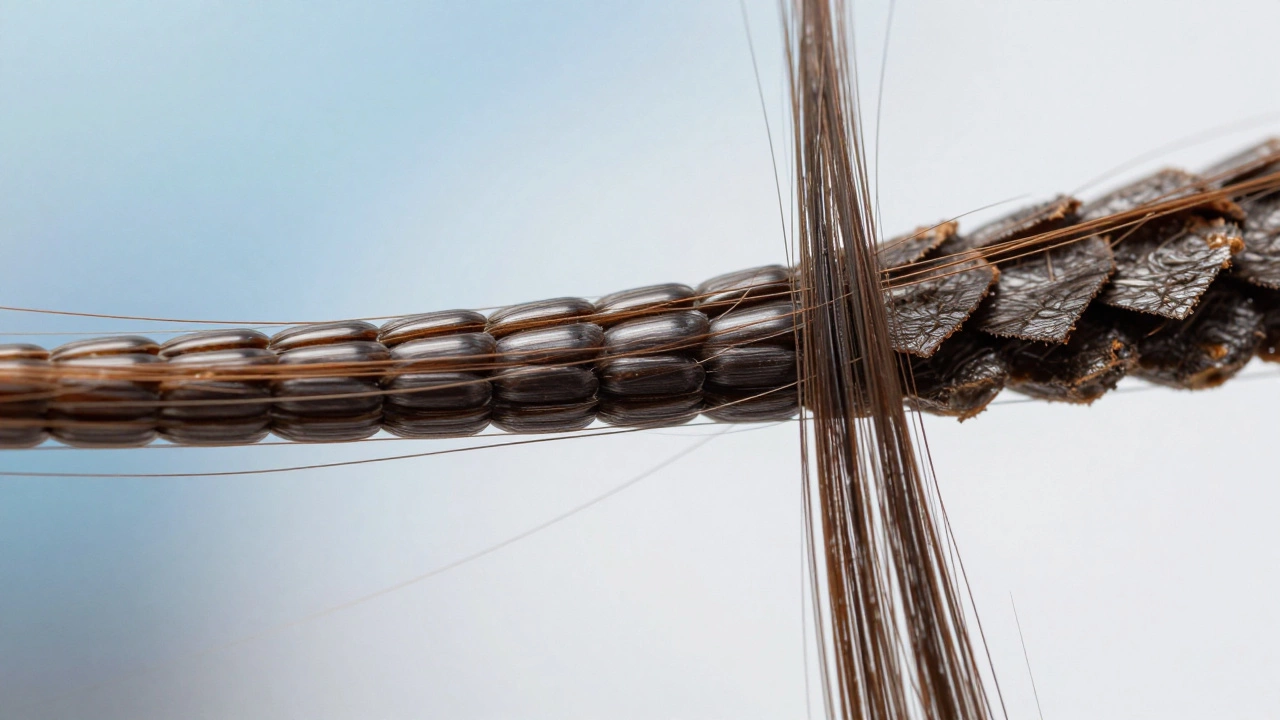
To fix the problem, you first need to know why it happens. Your hair is made of keratin, a protein structure that absorbs and releases water depending on the humidity around it. When your hair loses water, the cuticle-the outer layer of the hair shaft-lifts up. Think of it like a shingle roof where the tiles are popping open. This lifting causes friction, which leads to tangles, breakage, and that dull, rough texture we call dryness.
Damage accelerates this process. Heat styling, chemical treatments like bleach or relaxers, and even excessive sun exposure degrade the cuticle. Once the cuticle is compromised, water escapes rapidly. This is why damaged hair often feels dry immediately after washing, while healthy hair stays soft for days. The goal of any moisturizing routine is to repair or protect that cuticle so it can hold onto water.
Identify Your Hair Porosity
You cannot moisturize your hair effectively if you don’t know its porosity. Porosity refers to how well your hair absorbs and retains moisture. It is not determined by your hair type (curly vs. straight) but by the condition of your cuticles. There are three levels: low, medium, and high.
- Low Porosity: The cuticles are tightly packed. Water sits on top of the hair rather than soaking in. These strands take a long time to get wet and a long time to dry. Heavy products often build up because they can’t penetrate.
- Medium Porosity: The sweet spot. Cuticles are slightly raised, allowing water to enter and stay. This hair type holds styles well and responds to most products.
- High Porosity: The cuticles are widely spaced, often due to damage. Water enters quickly but also escapes quickly. This hair gets wet fast but dries very fast too, leading to chronic dryness.
To test your porosity at home, drop a clean strand of hair in a glass of water. If it floats, you have low porosity. If it sinks slowly, it’s medium. If it sinks immediately, it’s high porosity. Knowing this changes everything about which products you buy and how you apply them.
The Core Ingredients You Need
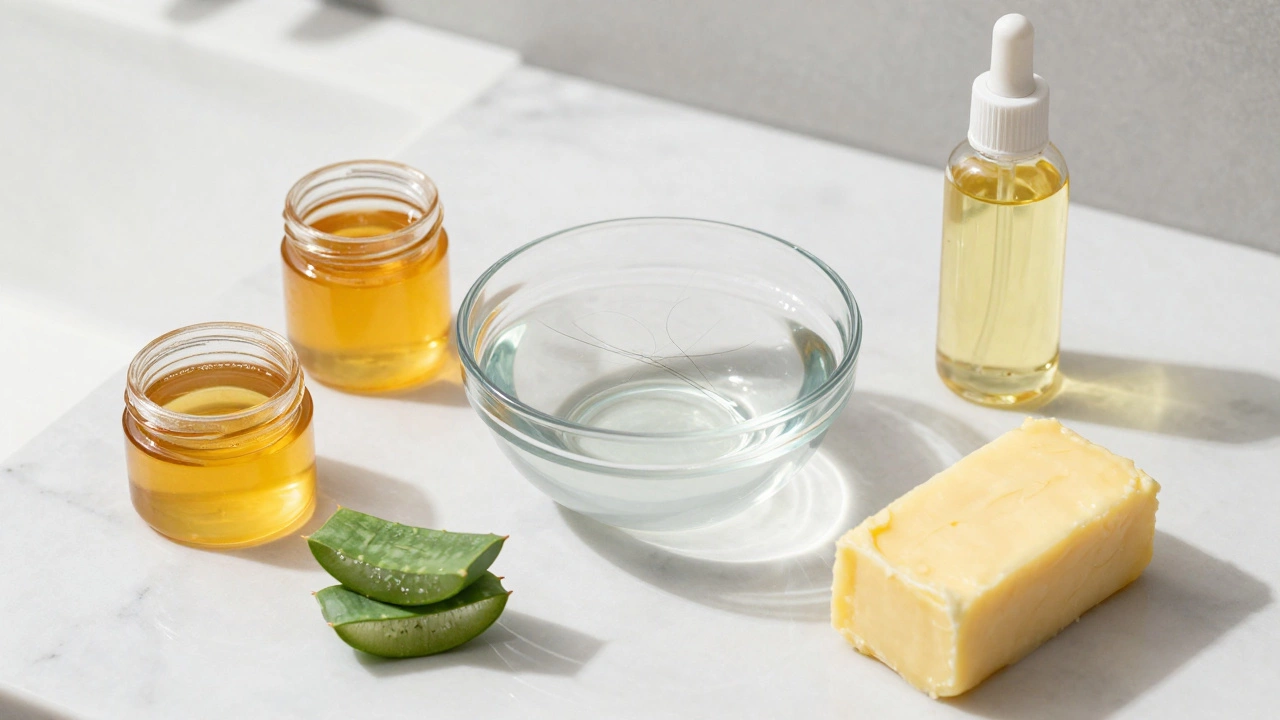
Most people reach for coconut oil when their hair is dry. While oil is great for sealing, it does not add moisture. Oil repels water. If you put oil on dry hair, you are literally blocking water from reaching the strand. To actually moisturize, you need ingredients that attract or bind water.
| Ingredient Type | Common Examples | Function | Best For |
|---|---|---|---|
| Humectants | Glycerin, Honey, Aloe Vera | Draws moisture from the air into the hair | Humid climates; all porosity types |
| Emollients | Shea Butter, Jojoba Oil | Smooths the cuticle and fills gaps | Frizz control; high porosity |
| Proteins | Hydrolyzed Wheat Protein, Keratin | Strengthens and temporarily repairs damage | Damaged, high porosity hair |
| Sealants | Coconut Oil, Castor Oil, Argan Oil | Locks moisture in by creating a barrier | Preventing evaporation |
Humectants are the workhorses of hydration. Glycerin and honey pull water from the environment into your hair shaft. However, in extremely dry climates (like parts of New Zealand in winter), humectants can sometimes pull moisture *out* of your hair if the air is drier than your strands. In those cases, focus more on emollients and sealants.
Proteins are crucial for high-porosity hair. They fill in the gaps in the lifted cuticles, acting like mortar between bricks. But beware: too much protein makes hair stiff and brittle. Balance is key. Use a protein treatment once a month, not daily.
The LOC Method Explained
If you want a reliable routine, look into the LOC method. It stands for Liquid, Oil, and Cream. This sequence ensures that you are layering products in a way that maximizes absorption and minimizes loss.
- Liquid (L): Start with damp hair. Apply a water-based leave-in conditioner or simply spray plain water. This provides the actual moisture. The hair must be wet for this step to work.
- Oil (O): Apply a lightweight oil next. This helps to spread the liquid evenly and begins to seal the cuticle. For low porosity hair, use lighter oils like argan or jojoba. For high porosity, heavier oils like castor or coconut work better.
- Cream (C): Finally, apply a cream or butter. This locks everything in place. The cream creates a thicker barrier that prevents the water from evaporating throughout the day.
Some people prefer the LCO method (Liquid, Cream, Oil), especially if they find creams don't absorb well under oil. Experiment to see which layering order keeps your hair softest for the longest time. The key is never skipping the "L" step. Without water, the oil and cream are just sitting on top of dry hair.
Washing and Conditioning Strategies
How you wash your hair sets the stage for moisture retention. Sulfates, commonly found in shampoos, are harsh detergents that strip natural oils. If your hair is dry, switch to sulfate-free cleansers or try co-washing (washing with conditioner only). Co-washing is particularly effective for low-porosity hair that doesn't produce enough natural oil.
Conditioning is non-negotiable. Use a deep conditioning mask once a week. For best results, apply heat. Wrap your head in a warm towel or use a hooded dryer for 15-20 minutes. Heat opens the cuticles slightly, allowing the conditioner to penetrate deeper. After rinsing, do not towel-dry vigorously. Friction causes breakage. Instead, squeeze out excess water with a microfiber towel or an old cotton t-shirt.
Nighttime Protection
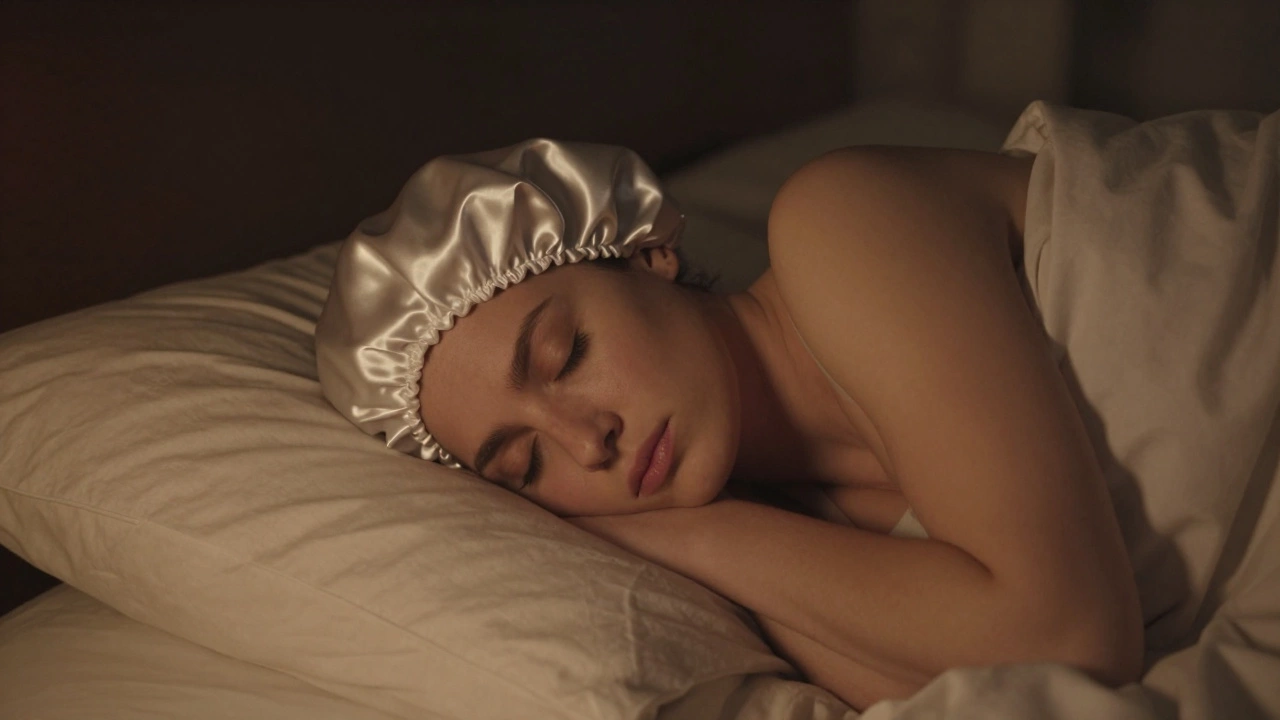
You spend eight hours sleeping, and your pillowcase might be drying out your hair. Cotton pillowcases absorb moisture from your hair and skin. Switch to a silk or satin pillowcase. These materials create less friction and do not absorb oils or water. Alternatively, wrap your hair in a satin bonnet or scarf before bed. This keeps the ends protected and maintains the moisture you applied during the day.
If you wear your hair in braids or twists at night, ensure they aren't too tight. Tension can restrict blood flow to the scalp and cause breakage at the roots. Loose styles allow for better air circulation and reduce stress on the hair shaft.
Environmental Factors and Lifestyle
Your environment plays a huge role in hair health. Living near the ocean exposes hair to salt, which draws out moisture. Chlorine from swimming pools has a similar effect. Always rinse your hair with fresh water before swimming and apply a leave-in conditioner afterward to create a barrier against these elements.
Hard water is another culprit. Minerals like calcium and magnesium build up on the hair, making it feel rough and preventing products from working. If you suspect hard water, install a shower filter or use a chelating shampoo once a month to remove mineral buildup.
Internally, hydration matters. Drink enough water daily. While drinking water alone won't fix severely damaged hair, dehydration affects the health of new growth. Eating foods rich in omega-3 fatty acids, like salmon or walnuts, supports the lipid barrier of the hair, keeping it supple from the inside out.
Can I use coconut oil as a moisturizer?
No, coconut oil is a sealant, not a moisturizer. It does not contain water. If you apply coconut oil to dry hair, it will block moisture from entering. You must apply it over damp hair or after using a water-based product to lock in the hydration.
How often should I deep condition my hair?
For most hair types, once a week is ideal. If your hair is high porosity or heavily damaged, you may benefit from twice-weekly treatments. Low porosity hair might only need it every two weeks to avoid buildup.
Why does my hair feel dry even after conditioning?
This usually happens because the conditioner was rinsed out before it could fully penetrate, or because you didn't seal the moisture in afterward. Rinse with cool water to help close the cuticle, and follow up with a leave-in conditioner and oil to trap the hydration.
Is it better to apply products to wet or dry hair?
For moisturizing, always apply to damp or wet hair. Water is the primary ingredient in hydration. Applying products to dry hair means you're adding layers without the essential water component, leading to buildup rather than moisture.
Does cutting my hair help it stay moisturized?
Yes. Split ends and damaged tips cannot be repaired; they only continue to split upward. Regular trims remove the driest, most damaged parts of your hair, allowing the healthier, more porous sections to retain moisture better.