
Personalized Volume Strategy Builder
Tell Us About Your Hair
Your Custom Routine
Based on your specific needs
Select your options to reveal your personalized thickening strategy.
Looking in the mirror and wishing your hair had more body is a frustration shared by millions. Whether you were born with fine hair or have experienced thinning due to age, stress, or hormonal changes, the goal remains the same: create the illusion of density and fullness. You don't need a hair transplant to achieve this look. With the right combination of styling techniques, product choices, and scalp care, you can transform flat, lifeless strands into a bouncy, voluminous mane.
The secret isn't just about piling on products; it's about understanding how light reflects off your hair and how gravity affects individual strands. By manipulating texture and lift at the roots, you can make even the wispiest hair appear robust and healthy. Here is exactly how to achieve that thicker look without damaging what you have left.
Master the Wash and Condition Routine
Your routine starts in the shower, but most people are doing it wrong for fine hair. Heavy conditioners and sulfates can strip natural oils or weigh down delicate strands, leading to that dreaded 'greasy at the root, dry at the ends' look. To fix this, you need to focus on cleansing power and strategic conditioning.
First, switch to a volumizing shampoo formulated to cleanse deeply without leaving residue. Look for ingredients like biotin, caffeine, or peppermint oil, which stimulate the scalp and add slight grit to each strand, helping them stand up rather than lie flat. Avoid shampoos labeled as 'moisturizing' or 'hydrating' if your primary concern is volume, as these often contain silicones that coat the hair shaft and add weight.
When it comes to conditioner, treat it like a luxury, not a necessity. Apply it only from the mid-lengths to the ends of your hair. Never let conditioner touch your scalp. If you feel you must use a leave-in treatment, opt for a lightweight spray rather than a cream. A pro tip from stylists in Auckland’s humid climate is to rinse your hair with cool water at the end of your shower. This helps close the cuticle, locking in shine and preventing frizz, which can make thin hair look messy rather than full.
Styling Techniques That Add Instant Volume
Once your hair is out of the shower, the real work begins. The way you handle wet hair dictates its final shape. Towel-drying by rubbing aggressively causes breakage, so instead, gently squeeze out excess water with a microfiber towel or an old cotton t-shirt.
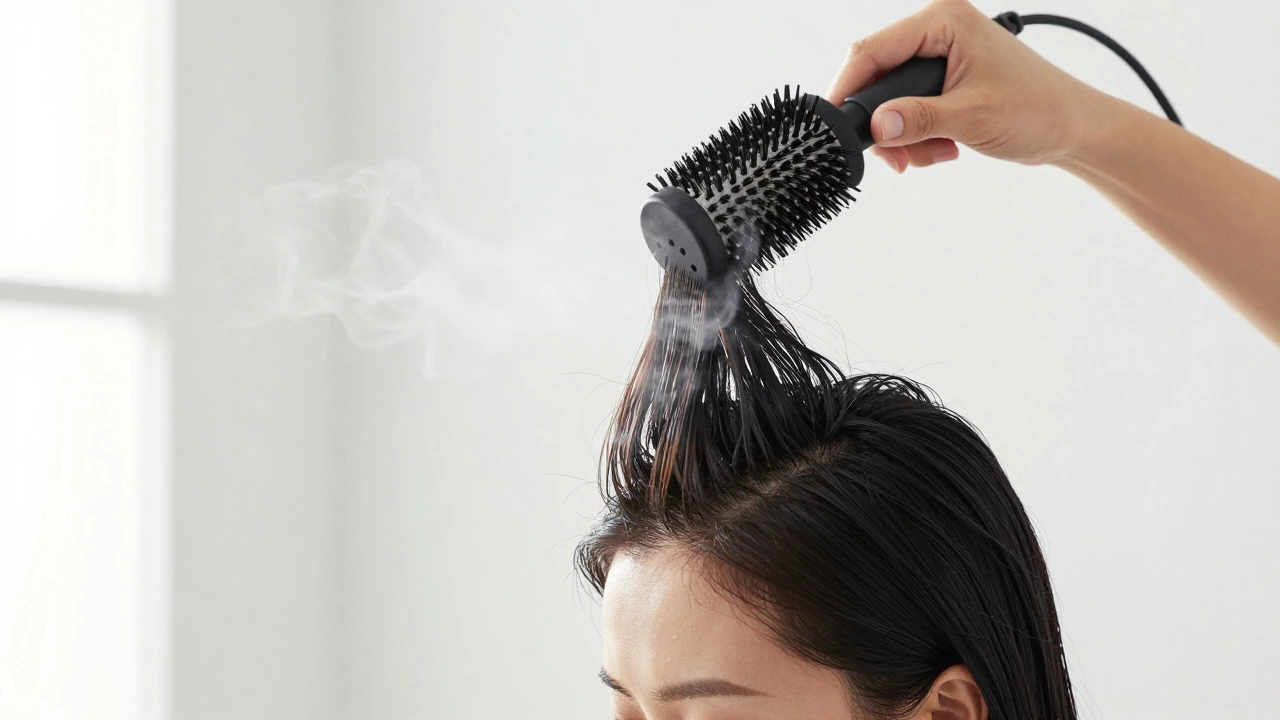
To build height, flip your head upside down while blow-drying. Use a round brush to lift the roots away from your scalp. Focus the heat on the roots first, then move down the length. Once the roots are set and cool, they will hold their lift. If you don't have time for blow-drying, try "velcro rollers" or large foam rollers on damp hair for ten minutes. When you remove them, you’ll have instant bounce that lasts all day.
Another game-changer is changing your part. If you’ve had the same side part for years, your hair has trained itself to fall that way, flattening the roots. Switching to a center part or zigzag part instantly creates volume on both sides. It’s a simple trick that requires no products and yields immediate results.
The Power of Texture and Dry Shampoo
Smooth, sleek hair tends to clump together, revealing the scalp underneath. To combat this, you need texture. Sea salt spray adds grit and separation to hair strands, making each strand visible and distinct. Spray it onto damp or dry hair, focusing on the mid-lengths and ends. This creates a beachy, tousled look that hides thin spots effectively.
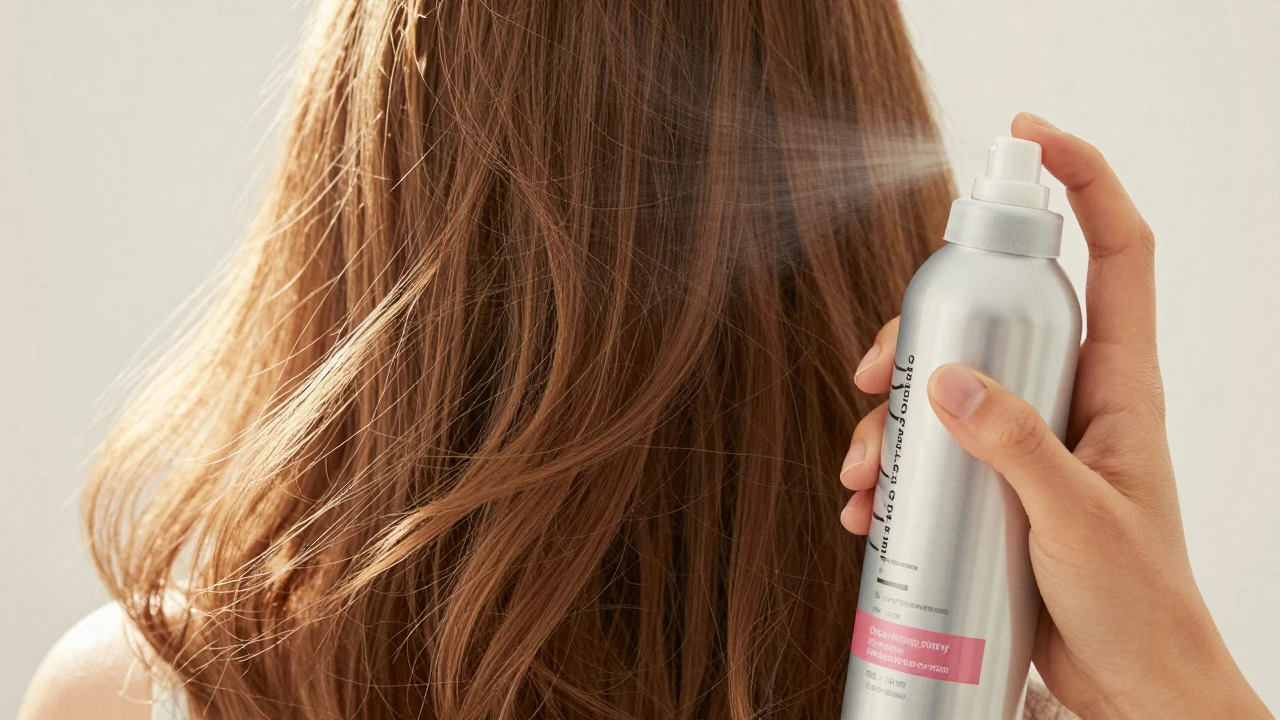
Dry shampoo absorbs excess oil and adds bulk to hair is your best friend for maintaining volume between washes. Don’t wait until your hair looks greasy to use it. Spritz it at the roots of clean, dry hair before styling. The powder particles cling to the hair shaft, adding thickness and grip. Shake the can well and apply from a distance of six inches to avoid white buildup. For darker hair, choose a tinted dry shampoo to blend seamlessly.
Haircuts That Create the Illusion of Density
Your haircut plays a massive role in how thick your hair appears. Long, one-length cuts can look stringy and sparse because the weight pulls the hair straight down. Instead, ask your stylist for layers. Layers remove weight from the ends and allow the hair to move freely, creating body and movement.
A blunt bob or a lob (long bob) is also excellent for fine hair. Because the ends are cut straight across, they create a solid line that looks denser than tapered ends. Avoid over-layering, as too many short layers can make the top look heavy and the bottom look wispy. Aim for long layers that start below the chin to maintain length while adding shape.
If you’re open to color, subtle highlights or balayage can add dimension. Lighter pieces around the face reflect light, drawing attention away from thin areas. However, avoid high-contrast colors that can emphasize gaps in the hair.
Nutrition and Scalp Health for Long-Term Growth
While styling tricks provide immediate results, true thickness comes from within. Your hair is made of keratin, a protein, so ensuring you get enough protein in your diet is crucial. Foods rich in iron, zinc, and omega-3 fatty acids support hair health. Spinach, salmon, eggs, and nuts are excellent additions to your weekly meal plan.
Scalp health is equally important. A clogged or inflamed scalp can hinder hair growth. Consider using a gentle exfoliating scalp scrub once a week to remove product buildup and dead skin cells. Massaging your scalp for five minutes daily increases blood circulation, delivering nutrients to the hair follicles. You can use your fingertips or a silicone scalp massager for this purpose.
| Product Type | Best For | Key Ingredients | Application Tip |
|---|---|---|---|
| Volumizing Shampoo | Daily cleansing | Biotin, Caffeine | Focus on scalp, rinse thoroughly |
| Dry Shampoo | Adding bulk, extending wear | Rice starch, Kaolin clay | Spray at roots on dry hair |
| Sea Salt Spray | Texture and separation | Magnesium chloride, Algae extract | Spray on damp or dry hair |
| Root Lifter | Instant height at roots | Polymer resins | Apply to damp roots before blow-drying |
Common Mistakes to Avoid
Even with the best products, certain habits can sabotage your efforts. One major mistake is brushing your hair when it’s wet. Wet hair is fragile and prone to breakage. Use a wide-tooth comb to detangle gently, starting from the ends and working your way up.
Another error is using too much product. Fine hair gets weighed down easily. Start with a small amount of mousse or serum and add more if needed. Also, avoid heavy oils like coconut or argan oil near the roots. These should be reserved for the very tips of your hair to prevent split ends.
Finally, don’t neglect heat protection. Heat styling tools can damage the hair cuticle, leading to breakage and thinner-looking hair over time. Always apply a heat protectant spray before using a blow dryer, curling iron, or straightener.
Can thin hair grow back thicker?
Yes, if the thinning is due to temporary factors like stress, poor nutrition, or harsh chemical treatments. Improving your diet, reducing heat styling, and using gentle hair care products can help restore hair strength. However, genetic thinning may require medical interventions like minoxidil or finasteride.
What is the best haircut for very thin hair?
A blunt bob or a lob with minimal layers is ideal. The straight-across cut creates a dense line at the ends, giving the illusion of more hair. Avoid long, layered cuts that can look wispy and sparse.
Does dry shampoo damage thin hair?
If used excessively without proper cleansing, dry shampoo can build up on the scalp, potentially clogging follicles. It’s best to use it as a temporary solution and wash your hair regularly with a clarifying shampoo to remove residue.
How often should I wash thin hair?
Most people with thin hair benefit from washing every other day or twice a week. Over-washing can strip natural oils, while under-washing can lead to buildup that weighs hair down. Find a balance that keeps your scalp clean without drying out your strands.
Are there supplements for thicker hair?
Supplements containing biotin, collagen, vitamin D, and iron can support hair health if you have deficiencies. However, they won’t work miracles if your diet is already balanced. Consult a healthcare provider before starting any new supplement regimen.