
Hair Health & Thickness Potential Calculator
Answer these questions honestly to assess your current hair health status and identify areas for improvement.
Assessment Result
Summary text goes here.
Personalized Recommendations
Estimated Timeline for Improvement
Consistency is key. Results vary by individual.
Your mirror doesn't lie. You run your fingers through your hair, and it feels thinner than it did last year. Maybe the part looks wider, or you’re finding more strands in the shower drain than usual. It’s frustrating, but you are not alone. Millions of people worry about thinning hair every single day. The good news? In many cases, you can get your hair back to its natural thickness. It isn’t magic, and it won’t happen overnight, but with the right routine, patience, and science-backed methods, you can see real changes.
Restoring hair density requires a mix of internal health adjustments and external care. You need to treat the root cause-literally. If your scalp is unhealthy, your hair follicles can’t do their job. If your body is lacking nutrients, it will cut off supply to non-essential things like hair growth. This guide breaks down exactly how to reverse thinning, what products actually work, and which habits are silently killing your volume.
Identify Why Your Hair Is Thinning
Before you buy expensive serums, you need to know why your hair is thinning. Treating genetic baldness with a moisturizing shampoo is like putting a bandage on a broken leg. It won’t fix the problem. There are three main culprits behind hair thinning: genetics, lifestyle stress, and nutritional deficits.
Androgenetic alopecia, also known as male or female pattern baldness, is the most common cause. It happens when a hormone called dihydrotestosterone (DHT) shrinks your hair follicles over time. If your parents or grandparents lost their hair, this might be your issue. Telogen effluvium is temporary shedding caused by major stress, illness, surgery, or rapid weight loss. This type often resolves on its own once the trigger is removed. Then there is nutritional deficiency. If you don’t eat enough protein, iron, or zinc, your body prioritizes vital organs over hair growth. Identifying which one affects you dictates your treatment plan. If you suspect medical causes, seeing a dermatologist is the smartest first step.
Nutrition: Fueling Hair from the Inside Out
You cannot grow thick hair on an empty tank. Hair is made primarily of a protein called keratin. If your diet lacks sufficient protein, your hair becomes weak, brittle, and slow to grow. Aim for high-quality protein sources like lean meats, fish, eggs, beans, and lentils at every meal. But protein is just the start.
Iron is critical for hair health. Iron-deficiency anemia is a leading cause of hair loss in women. Even if you aren’t anemic, low ferritin levels (stored iron) can trigger shedding. Include spinach, red meat, and fortified cereals in your diet. Pair plant-based iron with vitamin C-rich foods like oranges or bell peppers to boost absorption. Zinc plays a role in hair tissue growth and repair. Oysters, beef, and pumpkin seeds are excellent sources. Biotin gets a lot of hype, but unless you have a rare biotin deficiency, supplements won’t do much. Focus on whole foods instead. Eggs, almonds, and sweet potatoes provide natural biotin along with other essential vitamins.
| Nutrient | Role in Hair Health | Best Food Sources |
|---|---|---|
| Protein | Builds keratin structure | Eggs, chicken, lentils, Greek yogurt |
| Iron | Delivers oxygen to follicles | Spinach, red meat, quinoa |
| Zinc | Supports follicle repair | Oysters, pumpkin seeds, beef |
| Vitamin D | Stimulates new follicle creation | Fatty fish, sunlight, fortified milk |

Scalp Care: Creating the Right Environment
Your scalp is skin, and it needs care just like the rest of your face. A clogged, inflamed, or dry scalp creates a hostile environment for hair growth. Sebum buildup, dead skin cells, and product residue can block follicles, preventing healthy hair from emerging. Regular cleansing is non-negotiable. Wash your hair frequently enough to keep the scalp clean, but not so often that you strip away natural oils. For most people, every two to three days works well.
Exfoliation helps remove buildup. Use a gentle scalp scrub or a salicylic acid-based shampoo once a week. This clears out pores and allows topical treatments to penetrate better. Massage is another powerful tool. Massaging your scalp for five minutes daily increases blood flow, delivering more nutrients to the follicles. Studies show that consistent scalp massage can increase hair thickness over time. You can use your fingertips or a silicone scalp massager. Don’t press too hard; gentle pressure is enough to stimulate circulation without damaging the roots.
Effective Treatments and Products
When diet and scalp care aren’t enough, you may need targeted treatments. Not all products deliver results, so focus on ingredients with clinical backing. Minoxidil is an FDA-approved topical solution that extends the growth phase of hair follicles. It is available over-the-counter in 2% and 5% strengths. Apply it directly to the scalp twice daily. Results take four to six months, and you must continue using it to maintain gains. Stopping will cause any regrown hair to shed.
Ketoconazole shampoo is another effective option, especially if dandruff or inflammation contributes to your thinning. It reduces fungal load and has mild anti-androgenic effects, which can help counteract DHT. Use it two to three times a week. Rosemary oil has gained popularity as a natural alternative to minoxidil. Some small studies suggest it may be as effective as 2% minoxidil after six months of use. Dilute rosemary essential oil in a carrier oil like jojoba or argan before applying it to the scalp. Always patch test first to avoid irritation.
Avoid products with harsh sulfates and alcohols that dry out the scalp. Look for shampoos labeled “volumizing” or “for fine hair,” but check the ingredient list. Many volumizing shampoos coat the hair shaft temporarily to create the illusion of thickness. They don’t promote actual growth. For long-term results, stick to treatments that target the follicle itself.
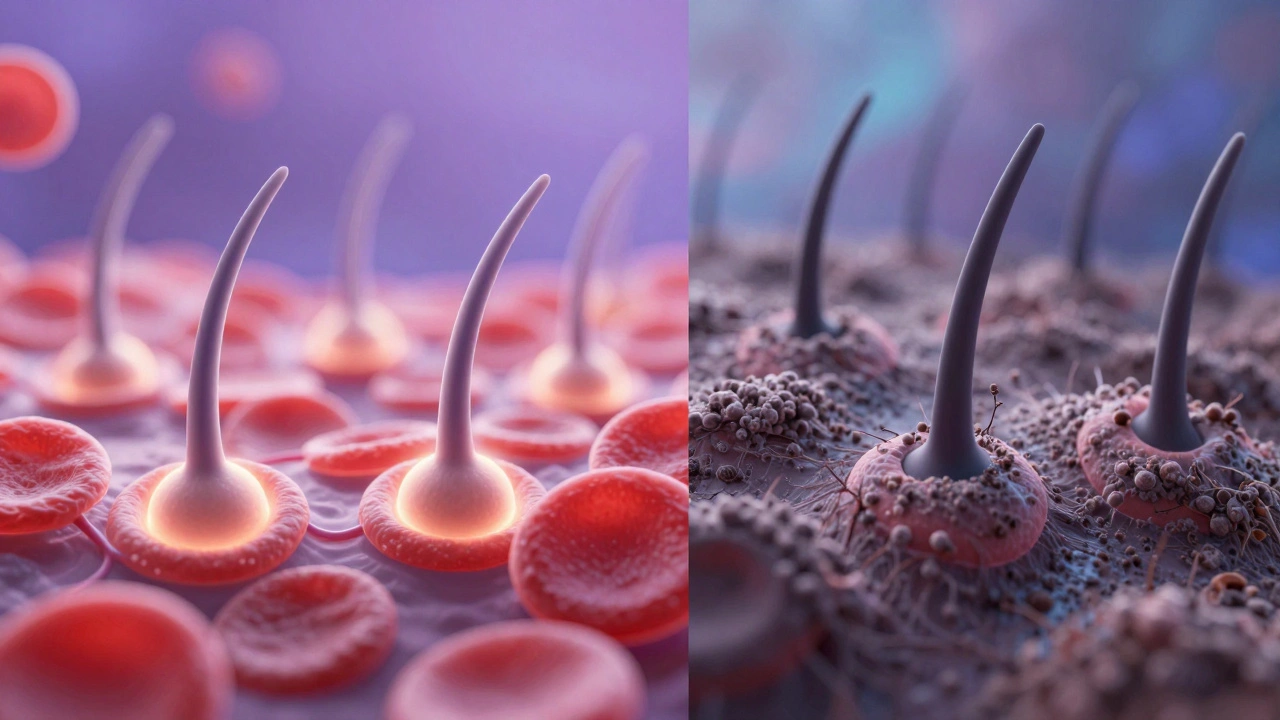
Habits That Sabotage Hair Growth
Sometimes, what you do matters more than what you apply. Tight hairstyles like ponytails, braids, and buns pull on the roots, leading to traction alopecia. This condition causes permanent hair loss if left unchecked. Switch to loose styles and vary your part line. Heat styling is another enemy. Flat irons, curling wands, and blow dryers weaken the hair shaft, causing breakage that mimics thinning. Limit heat use to once or twice a week, and always apply a heat protectant spray.
Chronic stress raises cortisol levels, which pushes hair follicles into the resting phase prematurely. This leads to excessive shedding weeks or months after the stressful event. Manage stress through exercise, meditation, or adequate sleep. Poor sleep disrupts hormone balance and reduces cell regeneration, including hair cells. Aim for seven to eight hours of quality sleep each night. Smoking also constricts blood vessels, reducing blood flow to the scalp. Quitting smoking can improve overall circulation and support healthier hair growth.
Patient Expectations and Timeline
Hair grows slowly. On average, it grows half an inch per month. This means you won’t see dramatic changes in a week or even a month. Most treatments require at least three to six months of consistent use before you notice visible improvement. Be patient and track your progress with monthly photos under consistent lighting. This helps you spot subtle changes that you might miss day-to-day.
If you experience sudden, patchy hair loss, severe itching, or scalp pain, see a doctor immediately. These symptoms could indicate an underlying medical condition like lupus, thyroid disease, or fungal infection. Self-treatment won’t solve these issues. Early diagnosis ensures you get the right care faster.
How long does it take to restore natural hair thickness?
Most people see noticeable improvements in hair thickness after three to six months of consistent treatment. Hair grows slowly, so patience is key. Treatments like minoxidil and dietary changes require sustained effort to yield results.
Can I reverse genetic hair loss naturally?
Natural methods like rosemary oil and improved nutrition can support hair health, but they rarely reverse genetic hair loss completely. For androgenetic alopecia, clinically proven treatments like minoxidil or finasteride are usually necessary to halt progression and encourage regrowth.
Does scalp massage really help hair grow thicker?
Yes, regular scalp massage can increase hair thickness by improving blood circulation to the follicles. Studies show that five minutes of daily massage over several months can lead to measurable increases in hair diameter. It works best when combined with other treatments.
What vitamins should I take for thinning hair?
Focus on getting enough protein, iron, zinc, and vitamin D through food first. Supplements are only helpful if you have a diagnosed deficiency. Excessive biotin or other vitamins won’t speed up growth if your levels are already normal. Consult a doctor before starting any supplement regimen.
Is minoxidil safe for long-term use?
Minoxidil is generally safe for long-term use when applied as directed. Common side effects include scalp irritation or unwanted facial hair growth. If you experience heart palpitations or dizziness, stop use and consult a healthcare provider. Remember, you must continue using it to maintain results.