Personalized Anti-Aging Plan Generator
★ Step 1: Your Primary Concerns
Select all that apply to your current skin condition:
★ Step 2: Lifestyle Habits
Be honest about your daily routine:
★ Step 3: Treatment Preference
Your Personalized Strategy
Lifestyle Score
Recommended Protocol
It is a common misconception that you can hit a rewind button on your appearance. You cannot literally turn back the clock. However, modern dermatology and cosmetic science have advanced so much that we can significantly reverse visible signs of aging. We are talking about restoring volume, smoothing deep lines, and bringing back that youthful glow that fades with time. If you are looking to refresh your look, you need to understand what actually works versus what is just marketing hype.
The journey to a younger-looking face starts with understanding why we age in the first place. It is not just gravity pulling everything down. It is a complex mix of intrinsic aging (your genetics) and extrinsic aging (sun exposure, pollution, lifestyle). The good news? While you can't change your DNA, you have total control over how you treat your skin daily and which professional interventions you choose. Let's break down the most effective methods available in 2026.
The Foundation: Sun Protection and Skincare Basics
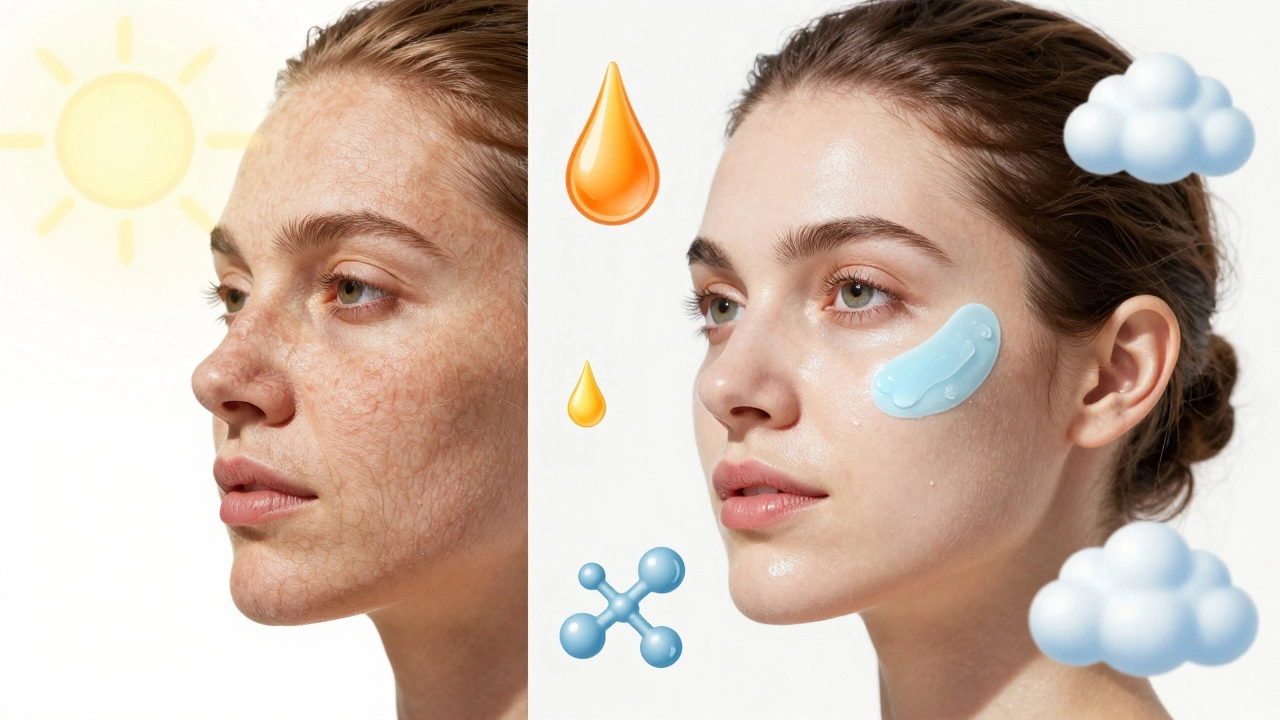
Before spending thousands on procedures, you must master the basics. If you skip this step, no treatment will last. The number one cause of premature facial aging is ultraviolet (UV) radiation. This is called photoaging, and it accounts for up to 80% of visible changes in the face.
You need a broad-spectrum sunscreen with an SPF of 30 or higher every single day, rain or shine. Apply it as the last step of your morning routine. But protection isn't enough; you also need active ingredients that repair damage. Look for products containing:
- Vitamin C: A powerful antioxidant that brightens skin and boosts collagen synthesis. Use it in the morning under sunscreen.
- Retinoids: Derived from Vitamin A, these are the gold standard for cell turnover. They thicken the deeper layers of skin while thinning the flaky outer layer. Start with a low concentration to avoid irritation.
- Hyaluronic Acid: This humectant draws moisture into the skin, plumping up fine lines instantly. It doesn't build collagen, but it makes skin look fuller and smoother.
Consistency is key here. These ingredients work slowly over months. Do not expect overnight miracles from creams alone. For faster results, you need to combine topical care with professional treatments.
Professional Injections: Fillers and Neuromodulators
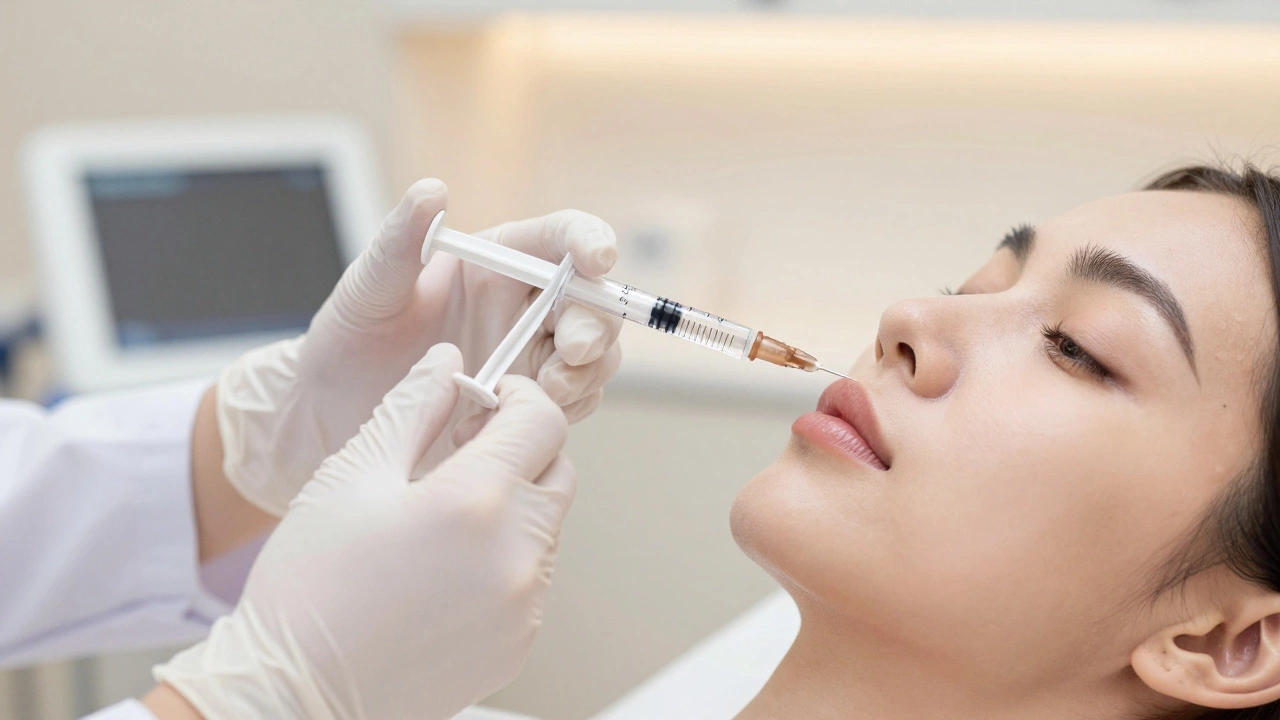
If you want immediate reversal of aging signs, injectables are the way to go. They address two different problems: dynamic wrinkles (caused by muscle movement) and static volume loss (caused by fat pad shrinkage).
Botox and similar neuromodulators target dynamic wrinkles. Think of the horizontal lines on your forehead or the crow's feet around your eyes. These appear when you squint or frown. Botox temporarily freezes those muscles, preventing the skin from creasing. The result is a smoother upper face. Results typically last three to four months.
On the other hand, Dermal fillers, usually made of hyaluronic acid, replace lost volume. As we age, our cheeks flatten, our lips thin, and nasolabial folds (smile lines) deepen. Fillers physically lift and plump these areas. A skilled injector can restore your facial contours, making you look like yourself again, just refreshed. Popular brands include Juvederm and Restylane. These effects can last six months to two years depending on the product and area treated.
| Treatment Type | Best For | Duration | Downtime |
|---|---|---|---|
| Botox/Neuromodulators | Fine lines, frown lines, crow's feet | 3-4 months | Minimal (possible bruising) |
| Hyaluronic Acid Fillers | Cheek volume, lip enhancement, smile lines | 6-18 months | Minimal (swelling/bruising) |
| Biostimulatory Fillers | Skin tightening, jawline definition | 1-2+ years | Moderate (swelling) |
Always choose a board-certified dermatologist or plastic surgeon. The risk of complications increases significantly with untrained providers. Your face is complex; vascular structures are everywhere. Safety should be your top priority.
Energy-Based Devices: Lasers and RF Microneedling
Injections fix structure, but energy devices improve texture and tone. If your skin looks dull, has large pores, or shows sun spots, these treatments are ideal.
Laser resurfacing removes the outer damaged layers of skin and heats the underlying tissue to stimulate new collagen growth. Fractional lasers create microscopic wounds that heal quickly, leaving behind tighter, smoother skin. Non-ablative lasers are gentler and require less downtime, making them popular for busy professionals. Ablative lasers offer more dramatic results but come with a week or more of recovery.
Radiofrequency (RF) microneedling is another powerhouse. Tiny needles penetrate the skin to deliver heat deep into the dermis. This triggers a wound-healing response without damaging the surface. It is excellent for sagging skin on the neck and jawline. Many patients see significant lifting effects after just one or two sessions.
Natural Lifestyle Changes That Impact Facial Aging
Your internal health reflects externally. No amount of Botox will hide the effects of chronic inflammation, poor sleep, and high sugar intake. To truly reverse aging, you must optimize your biology.
Sugar is a major enemy of collagen. Through a process called glycation, sugar molecules bind to collagen fibers, making them stiff and brittle. This leads to sagging and wrinkles. Reducing refined sugars and processed carbs can slow this process dramatically. Focus on a diet rich in antioxidants-berries, leafy greens, nuts, and fatty fish.
Sleep is when your body repairs itself. During deep sleep, human growth hormone levels rise, aiding tissue repair. Lack of sleep increases cortisol, which breaks down collagen. Aim for seven to nine hours of quality sleep nightly. Sleeping on your side or stomach can also cause "sleep lines" that become permanent wrinkles over time. Consider sleeping on your back or using a silk pillowcase to reduce friction.
Stress management is equally important. Chronic stress accelerates telomere shortening, a marker of cellular aging. Practices like meditation, yoga, or even regular walks can lower cortisol levels and protect your skin's structural integrity.
While local wellness trends vary globally, finding reliable information on holistic health resources can sometimes lead you to unexpected directories of specialized services. For instance, some travelers exploring health tourism might stumble upon niche online platforms like this directory while researching regional service providers, though for facial rejuvenation, sticking to certified medical professionals remains the safest path.

Emerging Technologies in 2026
The field of aesthetic medicine moves fast. In 2026, we are seeing more personalized approaches based on genetic testing. Some clinics now offer skin biopsies or blood tests to determine your specific collagen breakdown rate and tailor treatments accordingly.
Exosome therapy is gaining traction. Exosomes are tiny vesicles that carry signaling molecules between cells. When applied topically or injected, they can signal stem cells to regenerate tissue more effectively than traditional growth factors. Early studies show promising results for wound healing and skin rejuvenation.
At-home devices are also becoming more powerful. LED light therapy masks, microcurrent devices, and radiofrequency wands are now clinically proven to provide mild improvements. They won't replace professional treatments, but they can maintain results between visits. Consistent use of a microcurrent device, for example, can help tone facial muscles and reduce puffiness.
Creating Your Personalized Anti-Aging Plan
Reversing facial aging is not a one-size-fits-all endeavor. Your plan depends on your age, skin type, budget, and goals. Here is a simple framework to build your strategy:
- Assess Your Concerns: Are you dealing with wrinkles, volume loss, pigmentation, or sagging? Identify the primary issue.
- Start with Prevention: Ensure you are using sunscreen and retinoids daily. This stops further damage.
- Add Professional Treatments: Consult a dermatologist. For wrinkles, consider Botox. For volume, look at fillers. For texture, try lasers.
- Optimize Lifestyle: Cut sugar, improve sleep, and manage stress. These support all other treatments.
- Maintain Results: Schedule touch-ups every 3-12 months depending on the treatment used.
Patience and consistency are your best allies. Avoid chasing quick fixes that promise unrealistic results. Healthy, glowing skin comes from a combination of smart science and healthy habits. By addressing both the surface and the root causes of aging, you can achieve a refreshed, youthful appearance that lasts.
Can I really reverse aging or only slow it down?
You cannot stop biological aging, but you can reverse many visible signs. Treatments like fillers and lasers can restore volume and smooth texture, making you look significantly younger than your chronological age. However, maintenance is required because aging continues naturally.
What is the most effective anti-aging ingredient?
Retinoids (like tretinoin) are widely considered the most effective topical ingredient. They boost collagen production and accelerate cell turnover. Sunscreen is the second most critical element for preventing further damage.
How long do Botox and fillers last?
Botox typically lasts 3 to 4 months. Hyaluronic acid fillers last between 6 to 18 months, depending on the brand and the area treated. Biostimulatory fillers can last up to 2 years or more.
Is laser treatment painful?
Most laser treatments involve some discomfort, often described as a rubber band snapping against the skin. Topical numbing cream is usually applied beforehand. Downtime varies from none (non-ablative) to several days (ablative).
Can diet affect facial aging?
Yes, significantly. High sugar intake leads to glycation, which damages collagen. A diet rich in antioxidants, healthy fats, and proteins supports skin structure and reduces inflammation, leading to a healthier complexion.