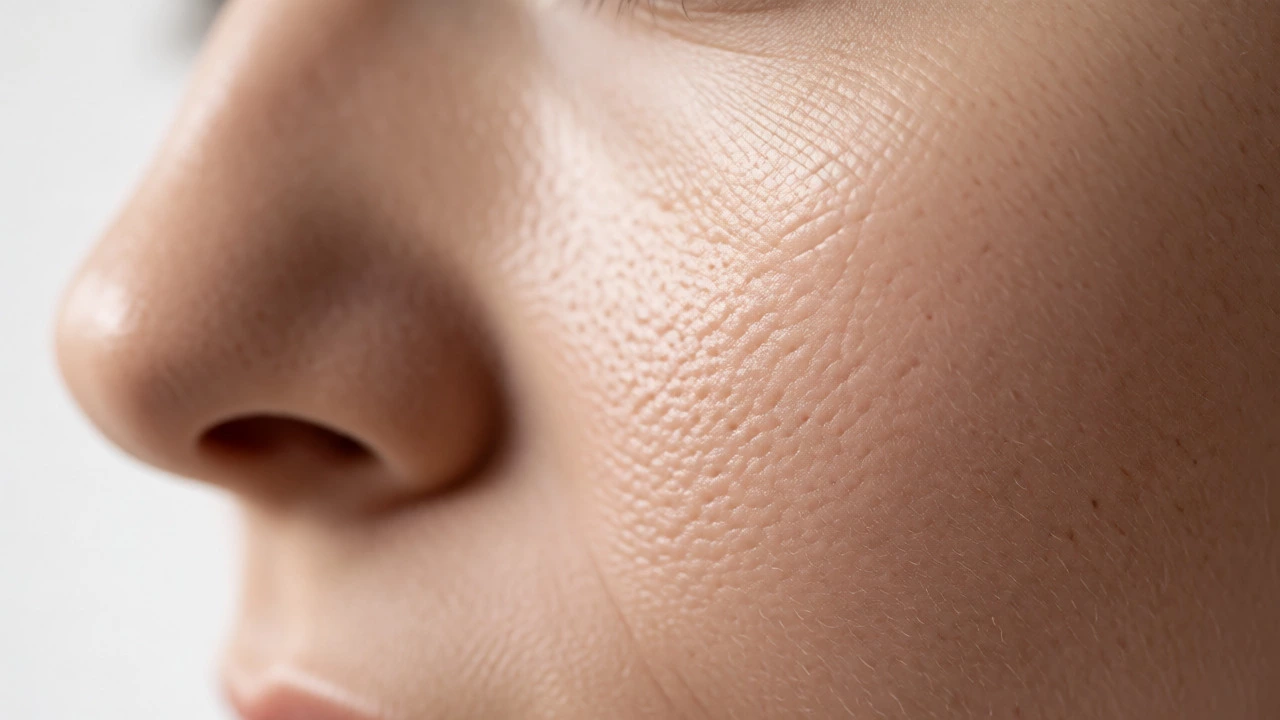
Find Your Perfect Makeup Primer
Answer 3 quick questions to get a personalized primer recommendation and application tips.
Step 1: What is your primary skin concern?
Oily / Combination
Shiny T-zone, visible pores, makeup slides off by lunch.
Dry / Mature
Flaky patches, fine lines, foundation looks cakey or settles into wrinkles.
Normal / Balanced
No major issues, just want longer wear and smoother texture.
Redness-Prone
Rosacea, acne scars, or general facial redness that foundation struggles to cover.
Step 2: What finish do you prefer?
Matte & Velvet
I hate shine. I want my face to look soft-focus and dry.
Dewy & Luminous
I want healthy glow. I dislike anything looking flat or powdery.
Natural Skin-Like
Not too shiny, not too matte. Just smooth and even.
Color Correction
I need to neutralize specific tones (red, purple, yellow).
Your Match
Recommended Formula: Loading...
Why it works:
Pro Application Tip
Common Mistake to Avoid
You’ve spent good money on foundation. You’ve blended it with precision. Yet, by lunchtime, your T-zone is shiny, the color has oxidized into a dull orange, and your eyeliner has migrated south. Sound familiar? The culprit usually isn’t the foundation itself-it’s the lack of proper preparation. Makeup primer is the critical bridge between your skincare routine and your cosmetics. It creates a smooth canvas, extends wear time, and ensures your expensive products actually perform as advertised.
Many people skip this step because they think it’s an unnecessary extra. But using primer correctly transforms your entire look. It’s not just about slapping on another layer; it’s about choosing the right formula for your specific skin type and applying it with technique. Here is exactly how to use primer so you never have to worry about melting makeup again.
What Exactly Is Makeup Primer?
Primer is a cosmetic product applied after moisturizer but before foundation or concealer. Think of it like spackle for a wall before painting. If you paint directly onto rough drywall, the finish looks patchy and uneven. Primer fills in pores, fine lines, and texture irregularities, creating a uniform surface. This allows foundation to glide on smoothly rather than clinging to dry patches or sinking into creases.
Primers come in various formulations designed for different needs. Some are silicone-based, which fill pores and create a velvety finish. Others are water-based, offering hydration without heaviness. There are also color-correcting primers that neutralize redness or sallowness before you even touch foundation. Understanding these differences is key to making the right choice.
Choosing the Right Primer for Your Skin Type
Picking the wrong primer can make your makeup worse, not better. A matte primer on already dry skin will look flaky. A hydrating primer on oily skin might cause sliding. Here is how to match your primer to your skin reality.
| Skin Type | Recommended Formula | Key Benefit | Avoid |
|---|---|---|---|
| Oily / Combination | Silicone-based or Mattifying | Controls shine, blurs pores | Heavy oils, dewy finishes |
| Dry / Mature | Hydrating or Illuminating | Adds glow, prevents caking | High alcohol content, matte clays |
| Normal | Smoothing or Color-Correcting | Even tone, long wear | Overly heavy textures |
| Redness-Prone | Green Color-Correcting | Neutralizes rosacea/redness | Standard beige primers |
| Dullness | Luminizing or Peach-Toned | Brightens complexion | Mattifying powders |
If you aren’t sure, start with a universal smoothing primer. These are usually lightweight and work well for most people. But if you struggle with specific issues like large pores or extreme oiliness, targeted formulas yield better results.
The Golden Rule: Prep Your Skin First
You cannot apply primer over dry, unmoisturized skin and expect miracles. Primer adheres best to hydrated skin. Skipping moisturizer leads to patchiness because the primer grabs onto dry spots instead of gliding over them.
- Cleanse: Start with a clean face to remove excess oil and debris.
- Moisturize: Apply your daily moisturizer. Let it absorb fully. This takes about 5-10 minutes. Rushing this step causes pilling later.
- Sunscreen: If it’s daytime, apply SPF after moisturizer. Wait for it to set before primer.
Why wait? Because mixing wet layers too quickly creates friction. When you rub primer into still-wet moisturizer, both products ball up into little rolls-known as "pilling." Patience here pays off in a flawless finish.
Step-by-Step Application Technique
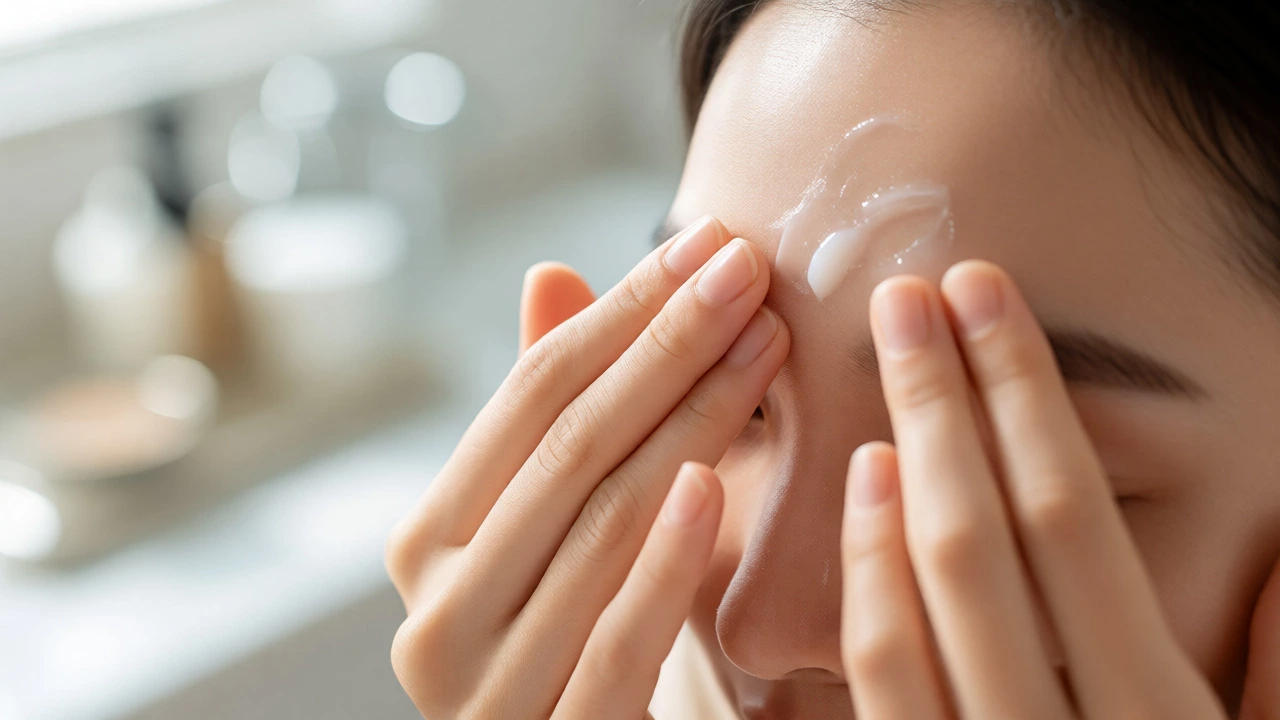
Once your skin is prepped, it’s time to apply. Most people use way too much product. You only need a pea-sized amount for the entire face. More product doesn’t mean longer wear; it often means heavier feel and more sliding.
- Dispense: Squeeze a pea-sized drop onto the back of your hand or fingertips.
- Warm Up: Rub your fingers together gently to warm the product. This makes it easier to spread evenly.
- Dot Placement: Place small dots on your forehead, cheeks, nose, and chin. Don’t smear it across the whole face at once.
- Blend Outward: Using gentle pressing motions, blend the primer outward from the center of your face. Avoid harsh rubbing, which can irritate skin and disturb underlying skincare.
- Focus Problem Areas: Pay extra attention to areas where makeup tends to break down first, like the nose and under-eye area. For under-eyes, use a lighter touch to avoid tugging delicate skin.
- Let It Set: Wait 30-60 seconds. Primer needs a moment to bond with your skin and form a film. Applying foundation immediately over wet primer can dilute its effectiveness.
Use your fingers for the best control. Brushes can absorb too much product, wasting it. Sponges can push the primer into pores rather than smoothing over them. Fingers allow you to feel the texture and ensure even coverage.
Common Mistakes That Ruin Primer Performance
Even with the right product, bad habits can sabotage your look. Here are the top errors I see in makeup chairs and tutorials alike.
Using incompatible bases. Never mix silicone-based primer with water-based foundation, or vice versa. They don’t play nice together and will separate, causing patchiness. Check the ingredients list. If the first ingredient in your primer is dimethicone (a silicone), use a silicone-friendly foundation. If it’s water, stick to water-based foundations.
Applying too thickly. Primer should be invisible. If you can see a white cast or feel a sticky layer, you used too much. Thin layers build up better than one thick coat.
Ignoring the neck. If you’re applying primer to your face, extend it slightly down your neck. This prevents a visible line of demarcation when your foundation fades differently on your neck versus your face.
Skippping eye primer. Face primer isn’t always enough for eyelids. Eyelid skin produces natural oils that break down eyeshadow quickly. Use a dedicated eye primer or a tiny bit of concealer set with powder for lids. Face primer can sometimes be too emollient for eyes, causing creasing.
When to Use Color-Correcting Primers
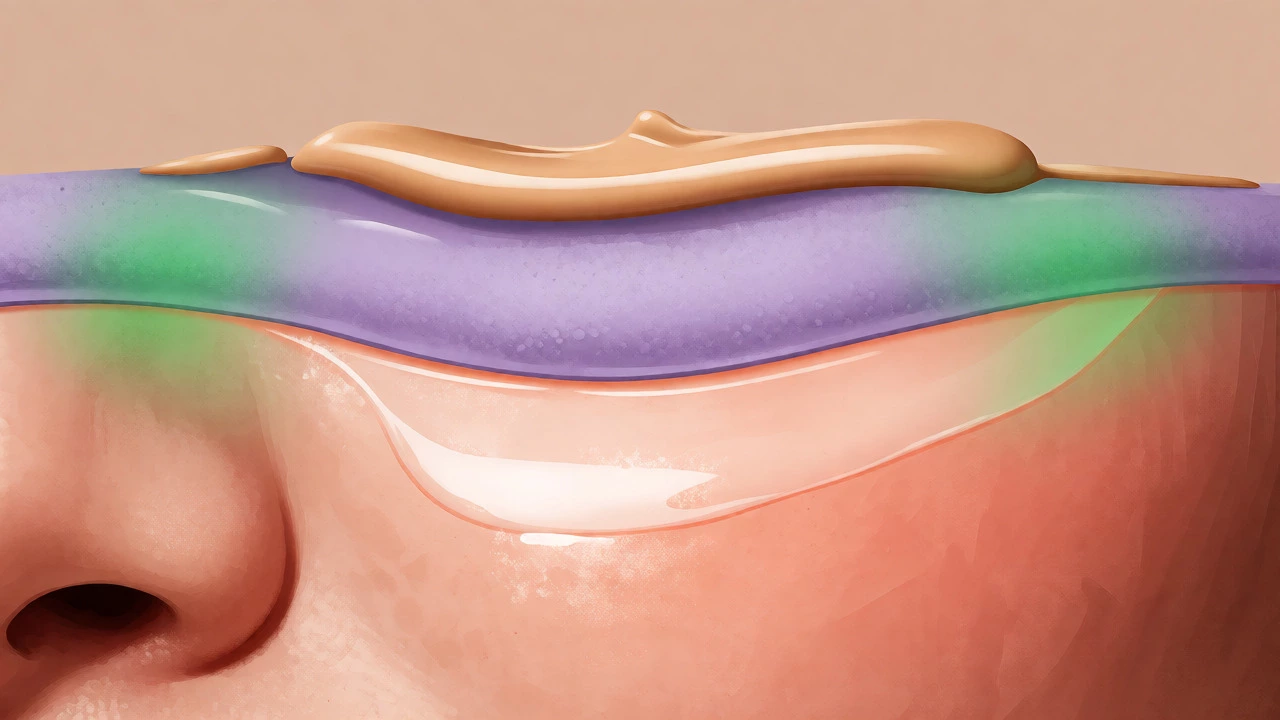
Not all primers are clear. Color-correcting primers use color theory to neutralize unwanted tones before foundation goes on. This reduces the amount of foundation needed, leading to a more natural look.
- Green: Cancels out redness from acne, rosacea, or broken capillaries.
- Peach/Salmon: Brightens dark circles on medium to deep skin tones.
- Lavender: Counteracts yellow sallow tones in fair to medium skin.
- Yellow: Neutralizes purple bruising or blue-toned veins.
Apply these only where needed. You don’t need green primer all over your face if only your nose is red. Spot-treat those areas, then apply your regular smoothing primer over the rest of your face.
Troubleshooting: Why Is My Makeup Still Sliding?
If you followed all the steps and your makeup still moves, check these factors:
Your skincare is too heavy. Rich night creams or facial oils applied in the morning can prevent primer from gripping. Switch to lighter, gel-based moisturizers during the day.
Environmental factors. Humidity and heat affect wear time. In Auckland’s humid summers, you might need a mattifying setting spray over your finished look to lock everything in place.
Incompatible tools. If you use a dense brush to apply liquid foundation over silicone primer, it might drag. Try a damp sponge or a stippling motion with a brush to press foundation into the primer layer rather than sweeping it away.
Mastering primer usage isn’t complicated, but it requires consistency. Once you find the right formula and technique for your skin, your makeup routine becomes faster and more reliable. You’ll spend less time touching up and more time enjoying your day.
Can I use primer without foundation?
Yes, absolutely. Many people use primer alone to blur pores and even out skin tone for a natural, no-makeup look. Hydrating or illuminating primers work particularly well for this purpose, giving your skin a healthy glow without the weight of foundation.
Do I need to let primer dry completely before applying foundation?
You don’t need to wait until it’s bone dry, but you should let it set for about 30-60 seconds. This allows the primer to form a slight film on the skin. If you apply foundation immediately while the primer is still wet, it can mix with the primer and reduce its blurring or gripping effects.
Is silicone-based primer bad for my skin?
Silicone-based primers are generally safe and non-comedogenic, meaning they won’t clog pores for most people. However, if you are prone to congestion, ensure you cleanse thoroughly at night to remove all silicone residue. Double cleansing with an oil-based cleanser followed by a foaming wash is recommended.
Can I use face primer on my eyelids?
It depends on the formula. Face primers are often too creamy or emollient for eyelids, which can cause eyeshadow to crease. Dedicated eye primers are formulated to withstand the natural oils produced by eyelids. If you must use face primer, choose a matte, silicone-based one and set it with powder.
How long does a tube of primer last?
With proper usage (pea-sized amount per application), a standard 30ml tube of primer can last 3 to 6 months. Store it in a cool, dry place away from direct sunlight to maintain its consistency and efficacy.