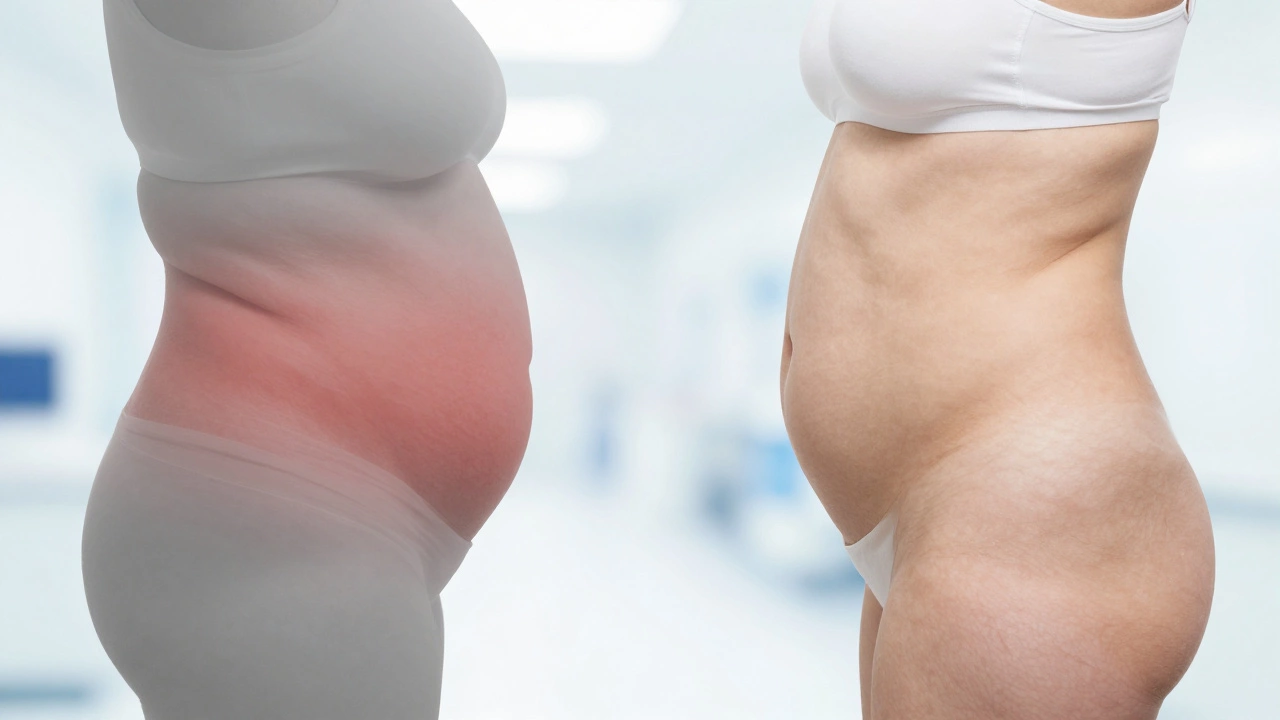
UK Tummy Tuck Cost & NHS Eligibility Calculator
Estimate your potential private costs and assess if you might meet the strict criteria for NHS funding based on medical necessity.
NHS Eligibility Assessment
Answer yes to all questions below to potentially qualify for NHS consideration. Note: Final decisions are made by Integrated Care Boards (ICBs).
Results
Estimated Private Cost:
Monthly Payment (with interest):
Total Cost with Finance Interest:
*Prices are averages. Actual costs vary by surgeon and clinic location. Finance plans typically include high interest rates.
NHS Funding Likelihood
Even if eligible, waiting times can range from 6 months to over 2 years. The NHS will only remove medically necessary skin, not tighten muscles for cosmetic reasons.
Does the National Health Service (NHS) pay for a tummy tuck? The short answer is no-not if you are doing it just to look better. If you want smoother skin or tighter muscles after weight loss purely for aesthetic reasons, you will have to pay out of pocket. However, there is a narrow path where the NHS might cover part of the procedure. It depends entirely on your medical history, specifically whether excess skin is causing genuine health problems.
Navigating this system can be confusing because "abdominoplasty" (the medical term for a tummy tuck) sits right on the border between cosmetic enhancement and reconstructive surgery. Understanding where that line is drawn determines whether you get a bill from a private clinic or a referral from your GP. Let’s break down exactly how the NHS decides who gets funded, what those costs look like if you go private, and what you need to know before booking a consultation.
The NHS Rule: Medical Necessity vs. Cosmetic Desire
The core principle of the NHS National Health Service, the publicly funded healthcare system in the United Kingdom is that treatments must be clinically necessary. A standard tummy tuck removes loose skin and tightens abdominal muscles to improve appearance. Since looking good isn’t considered a medical condition, the NHS does not fund these procedures under normal circumstances.
However, things change when excess skin becomes a burden on your body. This usually happens after massive weight loss-whether through bariatric surgery, lifestyle changes, or conditions like liposarcoma removal. When the skin hangs so low that it traps moisture, causes chronic infections, or creates deep ulcers that won’t heal, it stops being a cosmetic issue and starts being a dermatological one.
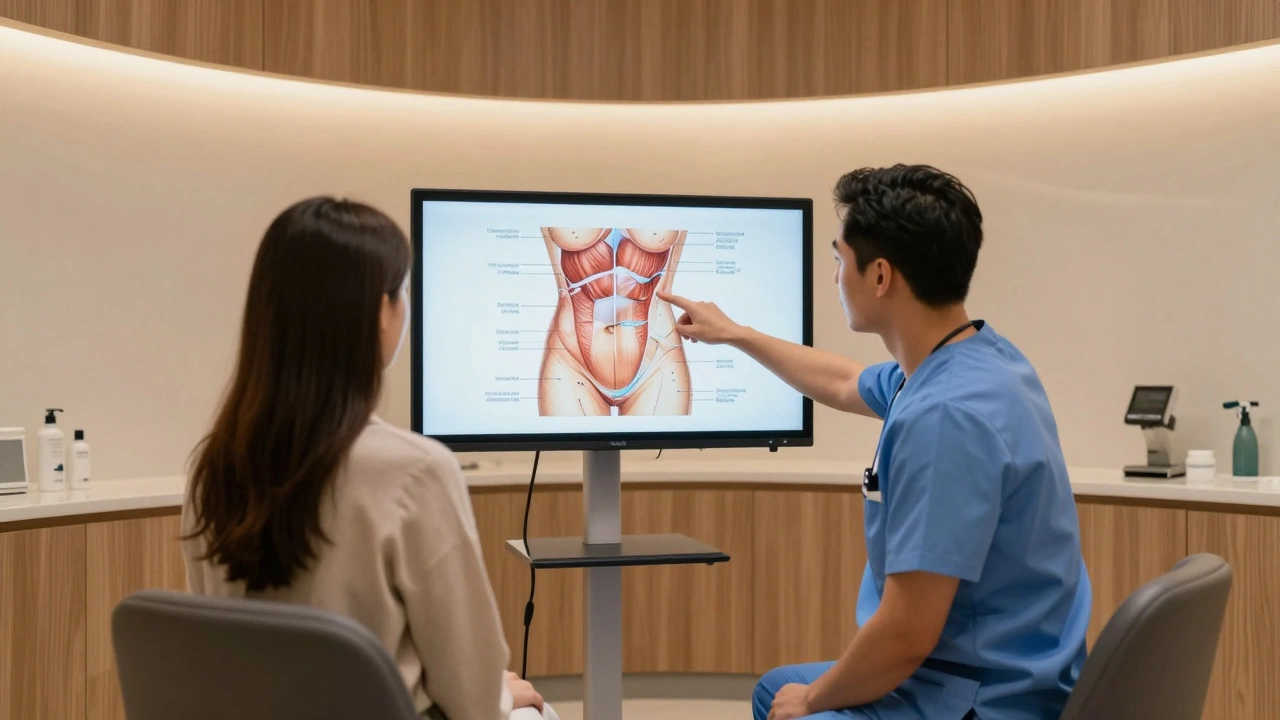
In these specific cases, the NHS may approve a procedure called an abdominoplasty surgical removal of excess skin and fat from the abdomen. But here is the catch: they will only remove what is medically required. They might trim the hanging apron of skin to stop rashes, but they likely won’t tighten your rectus muscles (the six-pack muscles) or perform liposuction to sculpt your waistline. Those are cosmetic add-ons that remain fully private expenses.
Who Qualifies for NHS Funding?
Getting approved by the NHS is difficult. Each Clinical Commissioning Group (CCG)-now often referred to as Integrated Care Boards (ICBs)-sets its own strict guidelines. There is no national guarantee. To stand a chance, you generally need to meet several high bars:
- Stable Weight: You must have maintained your current weight for at least 12 to 18 months. If you lose more weight later, the NHS won’t fix new sagging skin.
- Documented Skin Issues: Your GP needs records showing that you have tried conservative treatments first. This means using barrier creams, antifungal medications, and specialized support garments without success.
- Physical Symptoms: You need evidence of intertrigo (skin inflammation caused by friction), recurrent bacterial or fungal infections, or non-healing wounds in the skin folds.
- Mental Health Impact: In some regions, severe psychological distress linked to the physical deformity is considered, but this alone rarely triggers funding without the physical symptoms mentioned above.
If you fit into these categories, your GP might refer you to a plastic surgeon within the NHS. Be prepared for long waiting lists. Reconstructive surgeries are prioritized based on urgency, and elective skin removal often waits months or even years.
Private Tummy Tuck Costs in the UK
If you don’t qualify for NHS help, or if you simply want the full aesthetic result-including muscle repair and contouring-you’ll need to go private. Prices vary wildly depending on the surgeon’s experience, the location of the clinic, and the complexity of the case.
| Type of Procedure | Average Price Range (£) | What’s Included? |
|---|---|---|
| Mini Abdominoplasty | £4,000 - £6,500 | Removes skin below the navel; minimal muscle work. |
| Full Abdominoplasty | £7,000 - £12,000 | Full skin removal, muscle tightening, belly button reshaping. |
| Circumferential Abdominoplasty | £10,000 - £18,000+ | 360-degree lift for back and abdomen; common after massive weight loss. |
These prices usually cover the surgeon’s fee, anaesthetist fees, and hospital stay. However, always ask for a detailed quote. Hidden costs can creep in with post-op garments, compression braces, or additional visits if complications arise. Some clinics offer finance plans, allowing you to spread the cost over 12 to 36 months, but interest rates can make the total price significantly higher.
Risks and Recovery: What No One Tells You
A tummy tuck is major surgery. It involves general anaesthesia, large incisions, and significant trauma to the abdominal wall. Recovery is not a weekend project; it’s a multi-month journey.
Most patients need two to four weeks off work. During the first week, you will walk hunched over because straightening up pulls on the sutures. Pain management is crucial, and while modern techniques reduce discomfort, swelling and bruising can last for weeks. Full results aren’t visible until six months to a year later, once all the swelling subsides and scars mature.
Risks include infection, poor wound healing, blood clots (deep vein thrombosis), and changes in skin sensation. Because the blood supply to the lower abdomen is altered, there is a small risk of tissue necrosis (death of skin cells). Choosing a certified plastic surgeon registered with the General Medical Council (GMC) The regulatory body for doctors in the UK and listed on the Joint Council for Cosmetic Anatomy (JCCA) A register of qualified plastic surgeons in the UK reduces these risks significantly. Never choose a provider based solely on price.

Alternatives to Surgery
If surgery feels too risky or expensive, there are non-surgical options, though they offer modest results. CoolSculpting (cryolipolysis) freezes fat cells, which the body then eliminates naturally. Radiofrequency skin tightening uses heat to stimulate collagen production, helping to firm loose skin slightly. These methods won’t remove large amounts of excess skin or repair separated muscles, but they can improve texture and tone without downtime.
Frequently Asked Questions
Can I get a free tummy tuck on the NHS if I had babies?
Generally, no. Diastasis recti (separated abdominal muscles) after pregnancy is usually treated with physiotherapy first. The NHS only considers surgery if there is a hernia or severe functional impairment that hasn't responded to other treatments. Purely cosmetic tightening of post-pregnancy skin is not funded.
How long do I have to wait for an NHS tummy tuck?
If approved, waiting times vary by region. It could take anywhere from 6 months to over 2 years. The NHS prioritizes cases based on clinical urgency, so if your skin issues are causing active infections, you might move up the list.
Is a tummy tuck covered by private health insurance?
Most private health insurance policies in the UK exclude cosmetic procedures. Unless the surgery is deemed medically necessary due to trauma or congenital defects, insurers will likely deny the claim. Always check your policy's exclusions section before assuming coverage.
What is the difference between a mini and full tummy tuck?
A mini tummy tuck focuses only on the area below the belly button and involves a smaller incision. It’s suitable for people with good upper abdominal skin tone. A full tummy tuck addresses the entire abdomen, moves the belly button, and tightens the underlying muscles, requiring a longer incision from hip to hip.
Do I need to lose weight before getting a tummy tuck?
Yes. Surgeons require patients to be at a stable, healthy weight. Gaining weight after surgery can stretch the remaining skin and ruin the results. Losing weight beforehand ensures the best possible contour and reduces surgical risks associated with obesity.