Cruelty-Free Brand Checker
Is It Cruelty-Free? Brand Checker
Evaluate any brand against the 3 core ethical standards.
Ready to Check
Enter a brand and select their policies to see if they qualify as truly cruelty-free.
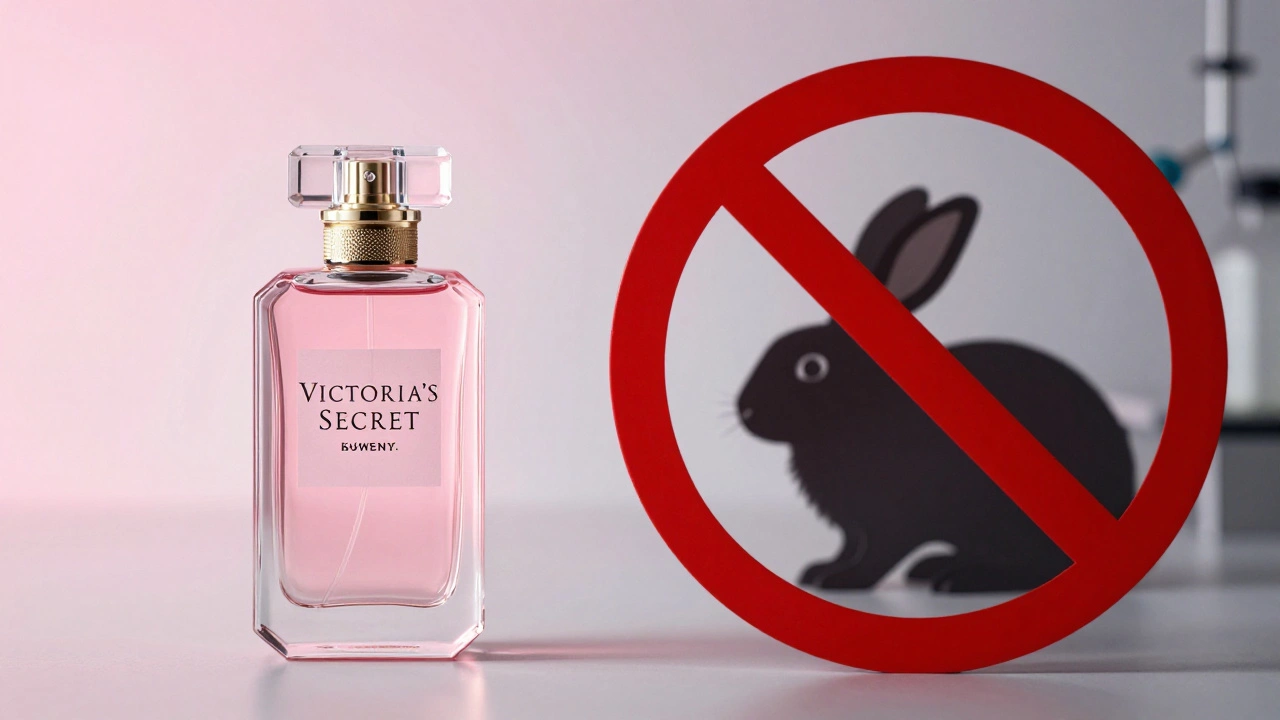
It’s a question that pops up more often than you’d think: Is Victoria's Secret cruelty-free? If you’re someone who tries to keep their beauty routine aligned with ethical values, this isn’t just a casual curiosity. It’s a dealbreaker. You’ve probably seen the pretty packaging and heard the hype, but what happens behind the scenes matters just as much.
The short answer? No. As of 2026, Victoria's Secret is not considered cruelty-free by major animal rights organizations like Leaping Bunny or PETA. While they claim they don't test on animals directly, their business practices-specifically selling in mainland China-mean they likely comply with local laws that require animal testing for certain imported cosmetics. Let’s unpack exactly what that means for your wallet and your conscience.
What Does "Cruelty-Free" Actually Mean?
Before we judge Victoria's Secret, we need to agree on what "cruelty-free" actually entails. It’s not just a marketing buzzword; it’s a specific standard. For a brand to be truly cruelty-free, two main conditions must be met:
- No Animal Testing: The company itself does not conduct animal tests on its ingredients or finished products.
- No Third-Party Testing: They do not hire anyone else to test on animals on their behalf.
- No Legal Exceptions: Crucially, they do not sell in markets where animal testing is required by law (like mainland China, although regulations have shifted slightly in recent years, mandatory testing still applies to many imported general cosmetics).
If a brand checks any of these boxes negatively, they lose the title. Many companies try to walk a fine line, claiming they are "against animal testing" while still allowing it if the law demands it. That’s where Victoria's Secret sits.
Victoria's Secret Stance on Animal Testing
So, what does Victoria's Secret say about this? On their official website and in press releases, the brand states that they do not test their products on animals unless required by law. This is a classic loophole statement. By adding "unless required by law," they reserve the right to allow animal testing if they want to enter or maintain presence in countries with strict regulatory requirements.
Here is the core issue: Victoria's Secret sells its beauty products in mainland China. Historically, China required mandatory animal testing for all imported cosmetics. While China updated its regulations in 2021 to exempt some ordinary cosmetics from post-market animal testing, imported goods still face rigorous scrutiny, and special-use cosmetics (like sunscreens or whitening agents) often still require pre-market animal testing. Because Victoria's Secret chooses to sell there, they cannot claim to be fully cruelty-free under the strict definitions used by organizations like Leaping Bunny.
Does Victoria's Secret sell in China?
Yes, Victoria's Secret has a significant retail presence in mainland China, both through physical stores and online platforms. This market access is the primary reason they cannot be classified as cruelty-free by major certification bodies.
Certifications: Why Victoria's Secret Isn't Listed
If you browse sites like CrueltyFreeKitty or check the Leaping Bunny database, you won’t find Victoria's Secret listed. These organizations perform independent audits. To get certified, a brand must sign a pledge and submit to supply chain monitoring. Victoria's Secret has not pursued these certifications. Instead, they rely on self-declared policies, which are harder to verify and often lack transparency regarding their ingredient suppliers.
Compare this to brands like Tarte is a certified cruelty-free beauty brand that refuses to sell in markets requiring animal testing. Tarte explicitly avoids the Chinese market to maintain its ethical stance. Victoria's Secret, prioritizing global market share over ethical consistency, takes a different path.
The Vegan Question: Are Victoria's Secret Products Vegan?
Being cruelty-free and being vegan are two different things, though they often overlap. Cruelty-free refers to how the product is tested; vegan refers to what’s inside it. A product can be cruelty-free but contain beeswax or carmine (not vegan). Conversely, a product can be vegan but tested on animals.
Victoria's Secret offers some vegan-friendly options, particularly in their body care lines like the Love Spell lotion or certain shower gels. However, they do not label their entire range as vegan. Ingredients like lanolin, silk amino acids, and honey appear in various formulations. If you are strictly vegan, you’ll need to read every label carefully, regardless of the cruelty-free status.
Comparison: Victoria's Secret vs. True Cruelty-Free Alternatives
If you love the aesthetic of Victoria's Secret but want to align your purchases with cruelty-free values, you’re in luck. The beauty industry has exploded with ethical alternatives that offer similar scents, textures, and branding without the compromise.
| Brand | Cruelty-Free Certified? | Sells in Mainland China? | Vegan Options Available? | |
|---|---|---|---|---|
| Victoria's Secret | No | Yes | Some (not labeled) | |
| Tarte | Yes (Leaping Bunny) | No | Yes (clearly marked) | |
| Elate Cosmetics | Yes (PETA & Leaping Bunny) | No | Mostly Vegan | |
| Milk Makeup | Yes (Leaping Bunny) | No | Yes (clearly marked) | |
| Fenty Beauty | No (LVMH owned, sells in China) | Yes | Some |
Why Does This Matter in 2026?
You might wonder, "Does it really matter if I buy one perfume?" In 2026, consumer awareness is higher than ever. We know that the demand for animal testing drives the supply. When brands choose to sell in markets with mandatory testing, they signal that profit outweighs ethics. By choosing certified cruelty-free brands, you vote with your dollar for a future where science advances without suffering.
Moreover, the technology has caught up. Non-animal testing methods, such as reconstructed human skin models and computer simulations, are now faster, cheaper, and more accurate than traditional animal tests. There is simply no scientific excuse left for animal testing in cosmetics. Brands that continue to allow it are doing so for legal convenience, not necessity.
How to Spot Greenwashing
Be wary of vague claims. Phrases like "We care about animals" or "No animal testing" without the "unless required by law" caveat can be misleading. Always look for third-party verification. Logos from Leaping Bunny, PETA’s Beauty Without Bunnies, or Choose Cruelty Free (CCF) provide peace of mind because they audit the entire supply chain, not just the final product.
If a brand doesn’t have a logo, check their FAQ section. Look for explicit statements about China. If they mention selling in China, assume they are not cruelty-free. Transparency is key. If they hide the answer, they’re hiding something.
Top Cruelty-Free Alternatives to Victoria's Secret
Switching doesn’t mean sacrificing quality. Here are three excellent alternatives that match the vibe of Victoria's Secret but stand firm on ethics:
- Kosas: Known for clean, effective skincare-makeup hybrids. They are Leaping Bunny certified and offer luxurious textures without animal-derived ingredients in most formulas.
- Jeffree Star Cosmetics: Despite controversial personal views, the brand is strictly cruelty-free and vegan-certified. Their eyeshadow palettes and lipsticks rival high-end luxury brands in pigment and finish.
- Beauty Bakerie: Offers playful, bakery-themed packaging and vibrant colors. Fully cruelty-free and vegan, making it a fun switch for those who love Victoria's Secret’s whimsical aesthetic.
Final Thoughts on Making an Ethical Choice
Choosing whether to support Victoria's Secret comes down to your personal values. If you prioritize supporting a brand that has made a clear, uncompromising stand against animal testing, Victoria's Secret falls short. Their decision to remain in the Chinese market places them outside the cruelty-free community as defined by global standards.
However, the landscape is shifting. More brands are leaving China to preserve their ethical integrity. As consumers, we have the power to accelerate this change. By opting for verified cruelty-free alternatives, you ensure that your beauty routine reflects compassion, not just aesthetics. Your next purchase is a chance to make a statement. Make it count.
Is Victoria's Secret certified by Leaping Bunny?
No, Victoria's Secret is not certified by Leaping Bunny. Leaping Bunny requires brands to not sell in markets where animal testing is mandatory, which Victoria's Secret does not adhere to due to their presence in China.
Are Victoria's Secret perfumes tested on animals?
While Victoria's Secret states they do not test on animals unless required by law, their perfumes sold in mainland China may be subject to animal testing by local authorities. Therefore, they cannot guarantee their perfumes are free from animal testing globally.
What is the difference between cruelty-free and vegan?
Cruelty-free means the product was not tested on animals. Vegan means the product contains no animal-derived ingredients. A product can be cruelty-free but not vegan (e.g., containing beeswax), or vegan but not cruelty-free (tested on animals).
Why do some brands sell in China if they claim to be ethical?
China represents a massive consumer market. Some brands prioritize revenue over ethical consistency. Although China has relaxed some rules, mandatory testing still exists for imported cosmetics, forcing brands to choose between market access and cruelty-free status.
Can I trust Victoria's Secret's own statement about animal testing?
Victoria's Secret's statement includes the phrase "unless required by law," which is a common loophole. Independent certifications like Leaping Bunny provide more reliable assurance because they audit supply chains and enforce strict no-testing policies regardless of location.
Are there any Victoria's Secret products that are definitely cruelty-free?
No. Because Victoria's Secret operates as a single corporate entity with a global supply chain and sales strategy, they do not segregate their production into cruelty-free and non-cruelty-free lines. All products are subject to the same potential testing risks.
What are the best cruelty-free alternatives to Victoria's Secret body mists?
Brands like Sol de Janeiro, Bath & Body Works (note: check current status as policies change, but many lines are cruelty-free), and Lush offer long-lasting, fragrant body mists that are certified cruelty-free and often vegan.
Does PETA certify Victoria's Secret?
No, PETA does not list Victoria's Secret in its "Beauty Without Bunnies" program. PETA requires companies to sign a statement affirming they do not conduct, commission, or pay for animal tests, which Victoria's Secret does not do due to their China sales.