
Breast Reduction Surgery Safety & Cost Estimator
Your Scenario
Analysis Results
Select your options and click "Analyze" to see your risk profile and estimated costs.
You stare at your reflection, weighing the relief of lighter shoulders against the terrifying question: where do I actually trust my body? It’s not just about finding a cheap surgeon in Istanbul or a luxury clinic in London. It’s about survival rates, infection controls, and what happens if things go sideways at 3 AM in a foreign hospital. Most people assume "safest" means the most expensive place. That’s wrong. Safety is a mix of strict regulations, emergency infrastructure, and transparent data. If you’re hunting for the safest country to get a breast reduction, you need to look past the glossy Instagram ads and dig into the actual medical governance.
What Actually Makes a Country "Safe" for Surgery?
Before we rank countries, let’s define the terms. "Safe" isn’t a feeling; it’s a checklist. When evaluating a destination for breast reduction (medically known as mammoplasty), three factors dominate the risk profile: regulatory oversight, emergency backup, and legal recourse.
First, consider the regulator. In the UK, the Care Quality Commission (CQC) inspects clinics. In Australia, it’s AHPRA. In the US, it’s state medical boards plus The Joint Commission. If a country lacks a centralized, independent body that can shut down bad surgeons, your safety relies entirely on individual skill-a gamble you don’t want to take.
Second, think about complications. Breast reduction carries risks like hematoma, infection, or nipple necrosis. If you’re in a remote resort town in Turkey or Thailand, how far is the nearest tertiary hospital with a blood bank and an ICU? In major cities like London or Sydney, help is minutes away. In rural tourist hubs, it might be hours.
Finally, there’s the law. If a surgeon makes a mistake, can you sue them? Can you get compensation while still abroad? In some jurisdictions, consumer protection laws are weak, leaving you to fly home and fight a legal battle across borders. This is why "safety" includes financial and legal security, not just physical outcomes.
The Top Contenders: Where Does Safety Rank Highest?
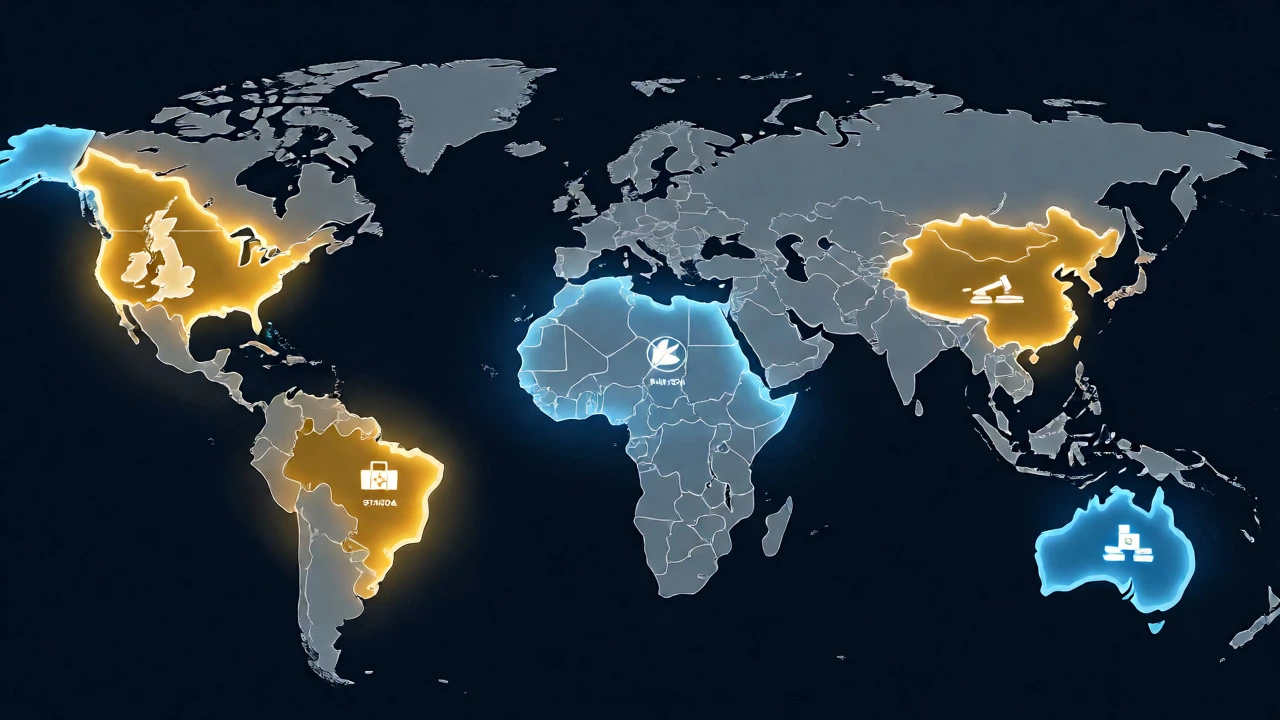
When experts compare global standards, a few names consistently rise to the top. These aren’t chosen because they’re popular, but because their systems minimize preventable harm.
| Country | Regulatory Body | Emergency Infrastructure | Legal Recourse | Avg. Cost (GBP) |
|---|---|---|---|---|
| United Kingdom | Care Quality Commission (CQC) | High (NHS integration) | Strong (UK Law) | £5,000 - £8,000 |
| Australia | AHPRA / ACSANZ | Very High | Strong (Consumer Law) | £6,000 - £9,000 |
| Canada | Provincial Colleges | High | Strong | £5,500 - £8,500 |
| Germany | State Medical Chambers | High | Moderate-Strong | £4,500 - £7,000 |
| South Korea | Korean Society of Plastic Surgeons | High (Urban only) | Weak for foreigners | £3,000 - £5,000 |
The United Kingdom stands out for its transparency. Every registered cosmetic surgeon must appear on the GMC Specialist Register. You can check their disciplinary history online. If you live in the UK, choosing a local CQC-rated 'Good' or 'Outstanding' clinic eliminates travel risks. Post-op care is seamless because you’re near your GP and emergency services.
Australia often ranks higher than the UK in patient satisfaction surveys due to stringent training requirements. Australian plastic surgeons undergo a rigorous 12-year pathway including fellowship exams. The downside? It’s expensive. But if cost isn’t your primary driver, the safety margin here is arguably the widest globally.
Germany offers a compelling middle ground. German medical standards are exceptionally high, and costs are lower than in the UK or US. However, language barriers can complicate consent forms and post-op instructions. You need a surgeon who speaks fluent English and understands your specific aesthetic goals.
The Medical Tourism Trap: Why Cheap Isn’t Safe
Everyone knows about Turkey and Thailand. They offer prices half of what you’d pay in London. Is it worth the risk? Sometimes. But you need to understand the hidden dangers.
In many medical tourism hubs, clinics operate under different rules. A surgeon might have performed 10,000 rhinoplasties but only fifty breast reductions. Volume doesn’t always equal specialization. Furthermore, follow-up care is fragmented. If you develop a seroma (fluid buildup) two weeks after surgery, you’re likely back home. Do you find a local doctor willing to drain it? Many GPs hesitate to touch surgical sites they didn’t create, fearing liability. You end up paying extra for repairs or enduring discomfort until you can fly back.
Also, consider the flight itself. Flying long-haul immediately after surgery increases the risk of deep vein thrombosis (DVT). Most safe protocols require staying locally for 7-10 days. Add hotel costs, meals, and lost wages to the "cheap" price tag, and the savings shrink rapidly.
NHS vs. Private: Is Free Safer Than Paid?
If you’re in the UK, you might wonder if the NHS is safer than private clinics. The answer is nuanced. The NHS provides excellent emergency backup and follows strict clinical guidelines. However, access is tough. You typically need documented pain, skin rashes, and failed conservative treatments. Waiting lists can stretch over a year.
Private clinics offer speed and choice. But "private" doesn’t automatically mean "better." There are rogue operators in both sectors. The key difference is accountability. In the NHS, complaints go through a robust public system. In private, you rely on the clinic’s internal policies or the General Medical Council (GMC). Always verify that your private surgeon is a member of the British Association of Aesthetic Plastic Surgeons (BAAPS) or the British Association of Plastic, Reconstructive and Aesthetic Surgeons (BAPRAS).
How to Vet Your Surgeon: The 5-Point Checklist
Regardless of the country, the surgeon matters more than the flag on the map. Use this checklist before booking a consultation:
- Specialist Registration: Are they on the specialist register for plastic surgery? Not just "cosmetic medicine," which has looser regulations.
- Accredited Facility: Does the hospital have full anesthesia facilities? Avoid day-clinics for complex reductions unless they have a rescue protocol.
- Complication Rates: Ask directly: "What is your re-operation rate?" A good surgeon will share data. Anything above 5-10% warrants scrutiny.
- Before-and-After Photos: Look for similar body types to yours. Check for symmetry and scar placement. Beware of heavily edited photos.
- Post-Op Support: Who handles emergencies after hours? Is there a dedicated nurse line? What happens if you bleed at night?
Real-World Scenarios: When to Stay Home
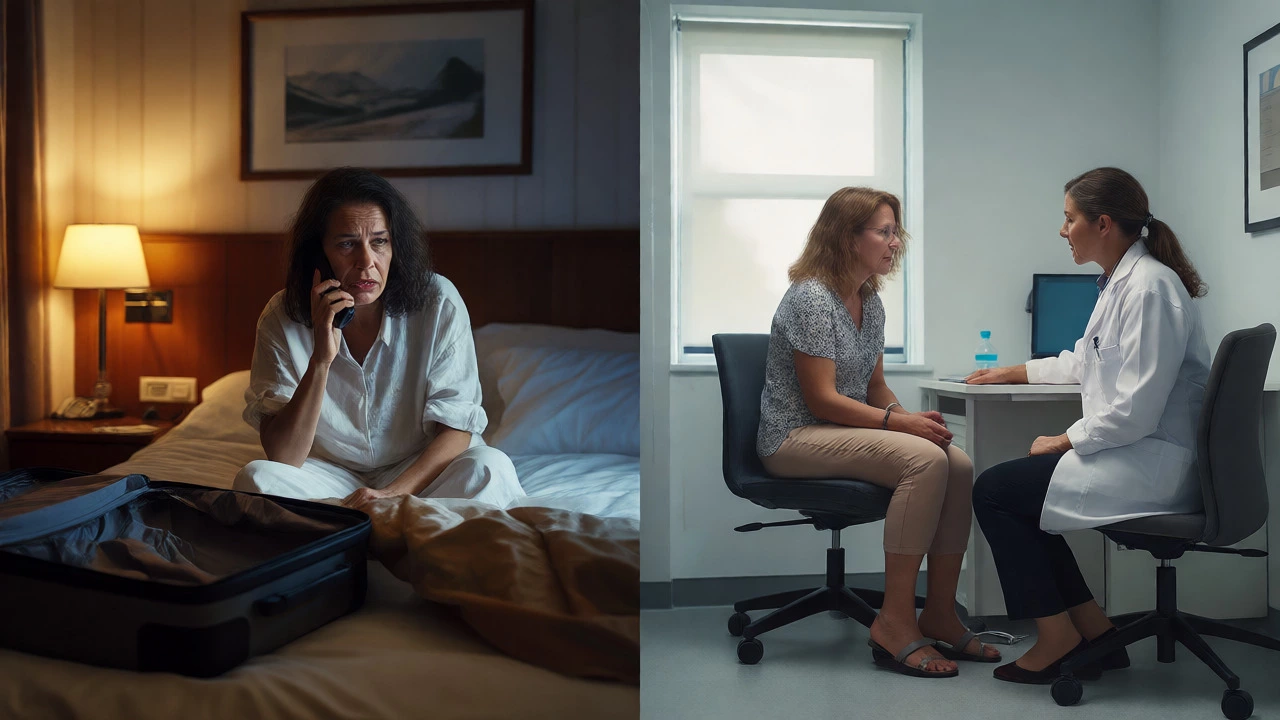
Imagine Sarah from Manchester. She has severe neck pain and wants a reduction. She finds a deal in Antalya for £2,500. She flies out, has surgery, and returns home. Three days later, she develops an infection. Her local GP prescribes antibiotics, but the wound opens. She needs debridement. She pays £1,200 privately for a minor procedure because the NHS won’t cover non-NHS complications. Total cost: £3,700. Plus stress and time off work.
Now imagine James from Leeds. He chooses a BAPRAS-certified surgeon in Leeds for £6,500. He has a complication-a small hematoma. The surgeon drains it in his office the next day at no extra cost. James recovers fully within six weeks. The initial higher cost saved him money and trauma.
This illustrates the core truth: proximity equals safety. For breast reduction, which involves significant tissue removal and potential drainage issues, being close to your surgeon reduces anxiety and improves outcomes.
Breast Reduction Risks: What Could Go Wrong?
Even in the safest country, surgery has risks. Knowing them helps you choose wisely.
- Scarring: Inverted-T scars are common. Some patients heal poorly (keloids). Asian and African-Caribbean skin types have higher keloid risks.
- Sensation Loss: Nipple numbness is frequent. Permanent loss occurs in 10-15% of cases.
- Asymmetry: Breasts may settle unevenly. Revision surgery might be needed.
- Breastfeeding: Depending on the technique, milk ducts may be severed, affecting future breastfeeding ability.
A safe surgeon will discuss these openly. If they promise "no scars" or "perfect symmetry," run. Honesty is a hallmark of safe practice.
Final Verdict: Where Should You Go?
If you live in the UK, the safest option is usually staying in the UK. Choose a consultant plastic surgeon registered with the GMC and affiliated with BAPRAS. The legal protections, emergency access, and ease of follow-up outweigh the cost savings of going abroad.
If you’re outside the UK and considering medical tourism, prioritize countries with strong regulatory bodies like Australia, Canada, or Germany. Avoid destinations where you cannot verify the surgeon’s credentials independently. And never compromise on facility accreditation. A beautiful lobby doesn’t save your life; a sterile operating room does.
Is breast reduction safer in the UK or Turkey?
The UK generally offers higher safety standards due to stricter regulation (CQC/GMC) and easier access to emergency care. While Turkey has skilled surgeons, the lack of continuity in post-op care and weaker legal recourse for foreigners make it riskier for those living in Europe.
Does the NHS provide breast reduction for free?
Yes, the NHS covers breast reduction if medically necessary. Criteria include chronic back/neck pain, skin infections, and poor response to physiotherapy. Approval varies by Integrated Care Board (ICB), and waiting lists can be long.
How long should I stay abroad after breast reduction?
You should plan to stay locally for at least 7 to 10 days. This allows for suture removal, monitoring for early complications like hematoma, and ensuring you can fly safely without risking blood clots.
Can I sue a surgeon abroad if something goes wrong?
Legally, yes, but practically, it is difficult and expensive. Jurisdiction issues, language barriers, and differing malpractice laws make international lawsuits rare. Most patients absorb the cost of corrective surgery instead.
What qualifications should I look for in a plastic surgeon?
Look for membership in recognized professional bodies like BAPRAS or BAAPS in the UK, or equivalent national societies abroad. Ensure they are listed on the specialist register of the relevant medical council (e.g., GMC in the UK).