Cosmetic Product Definition: What Counts and What Doesn't
When you pick up a moisturizer, lipstick, or shampoo, you might assume it’s a cosmetic product, a substance intended to cleanse, beautify, promote attractiveness, or alter the appearance without affecting body structure or function. Also known as beauty product, it’s regulated differently than medicine, food, or even soap—depending on where you live. But not everything you slather on your skin qualifies. The legal line between cosmetic and drug isn’t always clear, and that confusion affects what’s on your shelf—and what’s safe.
Take soap, a substance primarily intended for cleansing the body through lathering and rinsing. Also known as cleansing bar, it’s not classified as a cosmetic under U.S. and EU rules unless it makes claims like ‘anti-aging’ or ‘moisturizing.’ If it does, it suddenly becomes a cosmetic—and must follow stricter labeling and safety rules. That’s why some ‘beauty bars’ list ingredients like retinol or hyaluronic acid: they’re no longer just soap. Then there’s makeup, products designed to color or enhance features like lips, eyes, or skin tone. Also known as color cosmetics, these are the most obvious examples of cosmetics, but even here, claims matter. A foundation that says ‘reduces redness’ might be seen as a drug, not just a cosmetic. Meanwhile, skincare, a broad category including serums, toners, and creams meant to improve skin condition. Also known as topical skin treatments, it sits right on the edge: if it claims to treat acne, wrinkles, or rosacea, it crosses into drug territory and needs approval. The difference isn’t just legal—it’s about safety. A cosmetic doesn’t need pre-market approval in the U.S., but a drug does. That means your ‘miracle cream’ might not have been tested for long-term effects.
That’s why so many posts here dig into labels, certifications, and hidden claims. You’ll find breakdowns of what ‘organic’ really means, how brands like NYX navigate animal testing rules, and why some products slip through regulatory cracks. You’ll also see how people confuse hair extensions, moisturizers, and even pain relief creams with cosmetics—when they’re not. This isn’t just about marketing. It’s about knowing what you’re putting on your body, who’s responsible for its safety, and how to spot when a product is making promises it can’t legally keep. Below, you’ll find real examples of how these definitions play out in everyday products—and what you should look for before you buy.
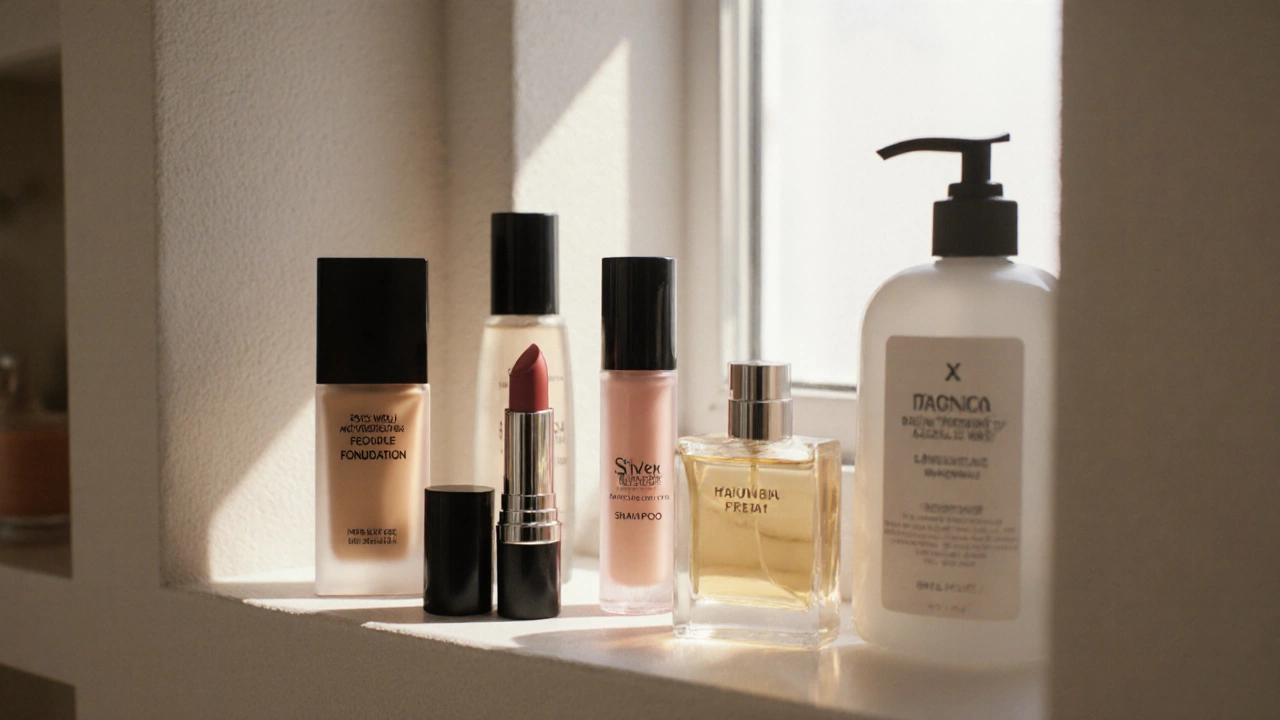
What Is Classed as a Cosmetic Product? Clear Rules for Skincare, Makeup, and More
Learn what legally counts as a cosmetic product-clear rules for skincare, makeup, and more. Understand the difference between cosmetics and drugs, what claims you can make, and how regulations work in 2025.