Cosmetic Regulations: What You Need to Know About UK Beauty Laws
When you buy a cream, serum, or lipstick, you expect it to be safe—but that safety doesn’t happen by accident. Cosmetic regulations, the legal rules that govern what ingredients can be used, how products are labeled, and who is responsible for their safety. Also known as beauty product laws, these rules are enforced by the UK’s Office for Product Safety and Standards and are based on EU-derived frameworks that still apply post-Brexit. These aren’t just paperwork—they’re the reason your moisturizer doesn’t contain banned chemicals and your eyelash glue won’t burn your eyes.
Behind every product on the shelf is a cosmetic safety assessment, a legal requirement where a qualified expert reviews every ingredient and its concentration to ensure it won’t harm users. This isn’t optional. If a company skips this step, the product can’t legally be sold in the UK. The law also forces clear labeling: you have the right to know what’s in your product, down to the exact ingredient names (INCI names), not vague terms like "natural extracts." And if something goes wrong—like a rash or allergic reaction—the manufacturer must report it to the authorities. This system isn’t perfect, but it’s designed to catch dangerous products before they reach you.
Not all beauty products are treated the same. Cosmetic regulations, apply to makeup, skincare, shampoos, and deodorants—but not to soap if it’s only for cleaning, or to devices like laser pens or derma rollers, which fall under medical device rules. That’s why some "skin rejuvenation" tools sold online are risky: they might not meet the same safety standards as a facial cream. And while some brands claim "FDA-approved" or "clinically tested," those mean nothing in the UK unless they follow our own rules. The UK doesn’t recognize foreign approvals—you need a UK-compliant safety file.
What does this mean for you? If you’re getting a treatment at a clinic, asking about the products they use isn’t being picky—it’s smart. Reputable clinics like Bolton Beauty Clinic use only compliant products because they’re legally required to. If a salon offers a "new miracle serum" with no ingredient list, walk away. If a product says "for external use only" but doesn’t list any warnings, it’s probably not legal. These rules exist to protect you from cheap, untested, or even toxic ingredients that could cause long-term damage.
And it’s not just about what’s in the bottle. Cosmetic regulations, also cover how products are manufactured, stored, and transported. A product might be safe on paper, but if it’s made in an unclean facility or shipped in hot conditions that break down its ingredients, it becomes unsafe. That’s why certified manufacturers follow strict hygiene and quality control protocols—something you won’t find with random online sellers or pop-up beauty booths.
Below, you’ll find real posts that dig into the messy side of beauty: what happens when rules are ignored, how some brands cut corners, and what you should ask before spending money on anything that touches your skin. These aren’t theoretical debates—they’re practical guides based on what’s actually happening in clinics, salons, and online stores right now. Whether you’re choosing a moisturizer, considering a procedure, or just tired of misleading labels, this collection gives you the facts you need to make smarter choices.
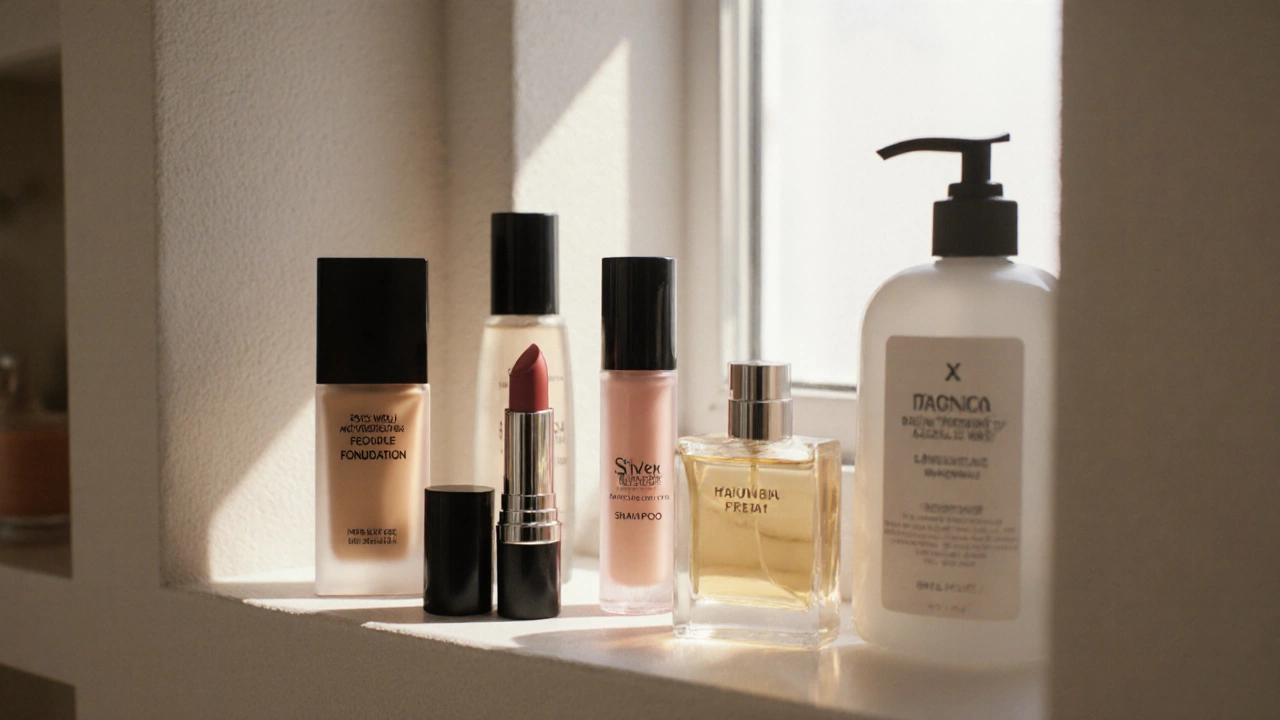
What Is Classed as a Cosmetic Product? Clear Rules for Skincare, Makeup, and More
Learn what legally counts as a cosmetic product-clear rules for skincare, makeup, and more. Understand the difference between cosmetics and drugs, what claims you can make, and how regulations work in 2025.