Dermatologist-Recommended Skincare: What Actually Works for Your Skin
When you hear dermatologist-recommended skincare, skin care products and routines approved by medical skin specialists based on clinical evidence. Also known as clinical skincare, it’s not about flashy packaging or celebrity endorsements—it’s about ingredients that have been tested, proven, and shown to work without causing harm. This isn’t marketing fluff. It’s what doctors actually put on their own faces and suggest to patients with real skin problems—from dryness and redness to acne and aging.
What makes a product dermatologist-recommended? It’s not just the label. It’s the skincare ingredients, active compounds like ceramides, niacinamide, and hyaluronic acid that have been studied in peer-reviewed trials. These aren’t trendy buzzwords—they’re the building blocks of healthy skin. Then there’s the skin care routine, a simple, consistent sequence of steps tailored to your skin type, not your Instagram feed. Most people overcomplicate this. You don’t need 10 steps. You need cleanser, moisturizer, and sunscreen. Done right, that’s 90% of the battle.
And let’s talk about sensitive skin care, a category that’s often misunderstood—people think it means ‘fragrance-free’ or ‘natural,’ but real sensitive skin needs barrier repair, not just gentle marketing. If your skin stings, turns red, or flakes after using something labeled ‘gentle,’ it’s not working. Dermatologists look for formulations that restore the skin’s natural shield, not mask irritation with soothing scents.
What you won’t find in dermatologist-recommended routines? Harsh scrubs, alcohol-based toners, or products promising miracles in three days. You also won’t see them pushing expensive serums that cost more than your rent. Instead, you’ll find affordable, science-backed options that work for real people—not models. That’s why you’ll see the same few ingredients pop up again and again: niacinamide for redness, zinc oxide for sun protection, ceramides for dryness, and salicylic acid for clogged pores.
And if you have acne? Dermatologists don’t just hand out prescriptions. They start with the basics—cleanse gently, avoid touching your face, use non-comedogenic products, and give time for treatments to work. Most acne fixes fail because people switch products every week. Skin doesn’t work that fast.
This collection of posts doesn’t sell you dreams. It shows you what actually happens when people follow dermatologist advice—whether it’s quitting caffeine and seeing their skin brighten, learning why organic doesn’t mean safer, or understanding what legally counts as a cosmetic product. You’ll find real stories, real prices, and real results—not hype.
What you’ll find below isn’t a list of products to buy. It’s a map to help you cut through the noise. Whether you’re dealing with dryness, breakouts, or just tired-looking skin, the answers are simpler than you think. And they don’t cost a fortune.
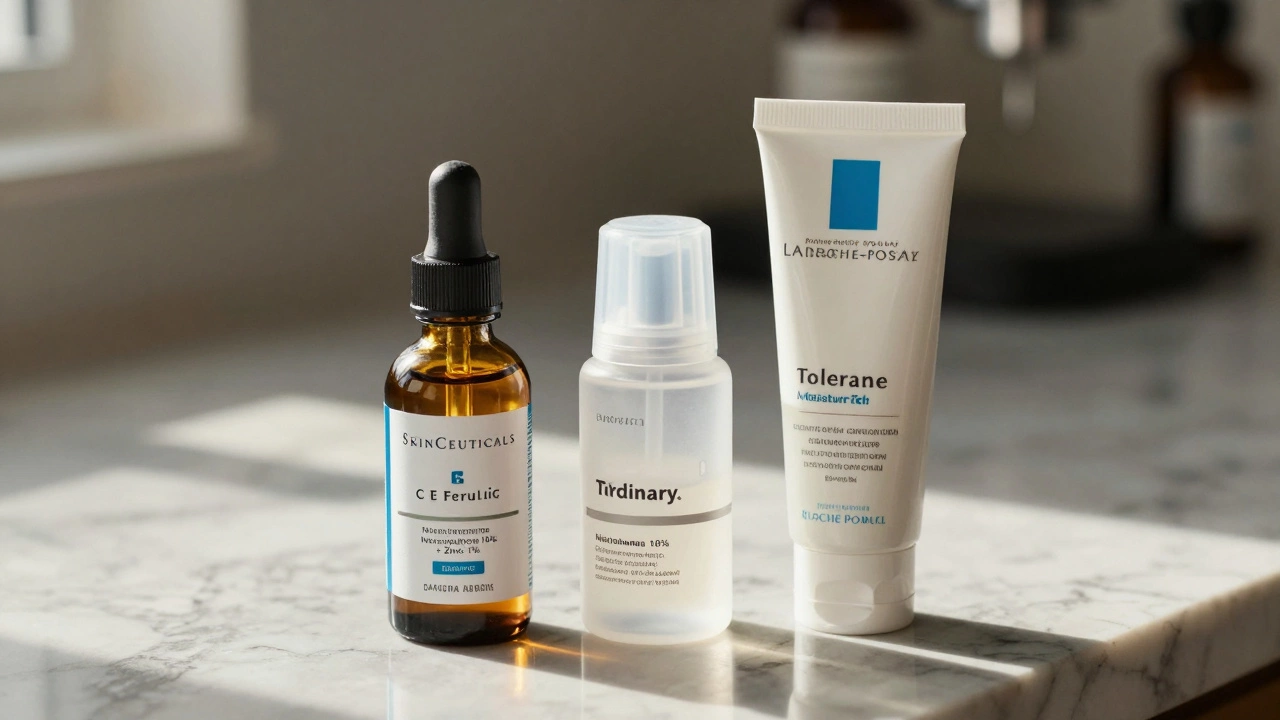
What Is the Best Skin Care Brand for Real Results?
There's no single best skincare brand-only the best one for your skin type and concerns. Learn which professional brands actually work, what ingredients to look for, and how to build a routine that delivers real results.