High-Risk Surgery: What It Really Means and How to Stay Safe
When we talk about high-risk surgery, a medical procedure with a significant chance of serious complications or failure. Also known as complex surgical intervention, it’s not just about the operation itself—it’s about your body’s response, the surgeon’s experience, and whether the benefits truly outweigh the dangers. This isn’t just a buzzword for hospitals. In the UK, certain procedures like rhinoplasty, cosmetic nose surgery often cited for its high revision rate and dental implant placement, a procedure that can lead to bone loss or infection if done poorly show up again and again in patient complaints and medical reviews. These aren’t rare outliers—they’re patterns. And if you’re considering any kind of elective surgery, you need to know where the real risks lie.
What makes a surgery high-risk? It’s not always the complexity. Sometimes it’s the patient’s health, like uncontrolled diabetes or smoking. Other times, it’s the surgeon’s skill level—or lack of it. A revision surgery, a second procedure to fix a failed one often costs more, hurts longer, and carries higher risks than the original. That’s why knowing the failure rates matters. For example, rhinoplasty has one of the highest revision rates in cosmetic surgery, not because it’s hard to do, but because small mistakes in shape or structure are hard to hide. Same with dental implants: if the bone doesn’t fuse properly, or if infection sets in, you’re looking at months of pain and extra bills. These aren’t theoretical risks—they’re documented outcomes, and they show up in real patient stories.
You don’t need to avoid surgery entirely. But you do need to ask the right questions: What’s the failure rate for this procedure in this clinic? How many revisions has the surgeon done? What happens if something goes wrong? The posts below don’t sugarcoat things. They show you exactly which procedures have the worst track records, what warning signs to watch for after surgery, and how to protect yourself when you’re being sold a quick fix. This isn’t fear-mongering—it’s fact-checking. And if you’re thinking about any kind of cosmetic or dental surgery, these are the stories you need to read before signing anything.
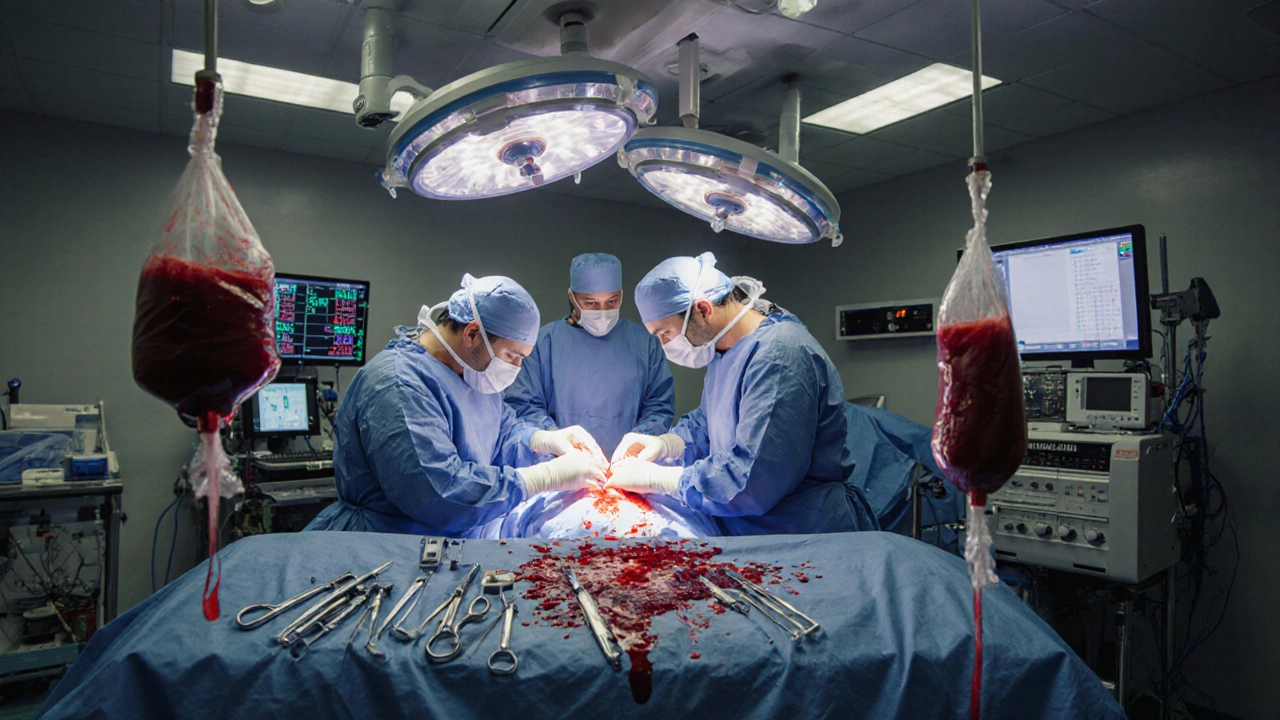
What Is the Bloodiest Surgery? Costs, Risks, and What to Expect
The bloodiest surgeries involve massive blood loss and high risks. Learn which procedures are most dangerous, why private care costs so much, and what you need to know before agreeing to one.