Implant Failure: What Causes It and How to Avoid It
When a implant failure, the process where a surgically placed medical or cosmetic implant doesn’t integrate or function as intended. Also known as implant rejection, it’s not always about the device—it’s often about the body’s response, the surgeon’s skill, or what happens after surgery. Many people assume implants are foolproof, but the truth is, around 5-10% of dental implants and even higher rates in some cosmetic procedures don’t last as they should. It’s not just bad luck. It’s usually a mix of factors you can control.
Dental implant complications, issues like infection, bone loss, or poor osseointegration that lead to implant loss often start with something simple: poor oral hygiene. Smoking, uncontrolled diabetes, or even grinding your teeth at night can quietly sabotage an implant before it even fully heals. And it’s not just dental. Cosmetic surgery failure, when aesthetic procedures like breast implants, facial fillers, or body contouring don’t meet expectations or cause complications can happen because of unrealistic goals, inexperienced providers, or skipping aftercare. The most common thread? Rushing the process. Whether it’s choosing a cheap provider, ignoring pre-op instructions, or skipping follow-ups, cutting corners almost always leads to trouble.
Implant failure isn’t a one-time event—it’s a chain reaction. Poor planning leads to improper placement. Poor healing leads to infection. Poor aftercare leads to bone resorption. And once an implant fails, the fix isn’t simple. Implant revision, the surgical process of removing a failed implant and replacing it after healing is more complex, more expensive, and takes longer than the first surgery. You’re not just redoing the procedure—you’re rebuilding the tissue around it. That’s why prevention matters more than correction.
What you’ll find in the posts below isn’t just theory. It’s real stories, real data, and real advice from people who’ve been through it. You’ll see which procedures have the highest failure rates in the UK, what patients regret most after surgery, and how to spot early warning signs before it’s too late. No fluff. No marketing. Just what you need to know to protect yourself—before you sign anything.
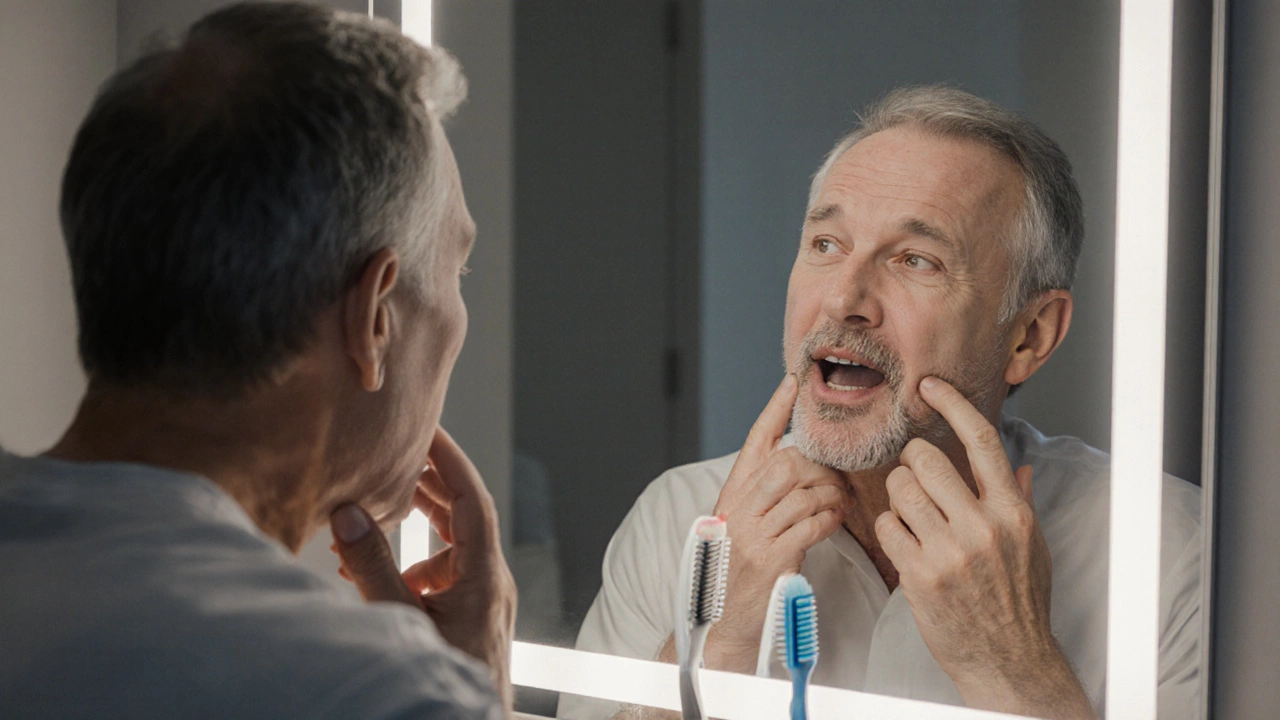
What Happens If You Leave Dental Implants in Too Long?
Leaving dental implants in too long without proper care can lead to bone loss, infection, and implant failure. Learn the real risks, warning signs, and how to protect your investment in the UK.