Makeup Classification: Understanding Types, Rules, and What Really Matters
When you buy a lipstick, foundation, or eyeliner, you assume it’s just makeup, cosmetic products applied to enhance appearance. Also known as cosmetics, these are items meant to beautify, not treat or change the body’s function. But here’s the catch: not everything called makeup is legally treated as makeup. In the UK and EU, the rules are strict. If a product claims to treat acne, reduce wrinkles, or alter skin structure, it’s no longer just makeup—it’s a medicine or a cosmetic with medicinal claims. That changes everything from how it’s tested to who can sell it.
That’s why you see brands like NYX labeled as cruelty-free, but also why some "organic" foundations still contain synthetic preservatives. The term cosmetic product, any substance intended to cleanse, beautify, or alter appearance without affecting body structure has a legal definition. Soap? Sometimes it’s a cosmetic, sometimes it’s not—depending on whether it’s marketed for cleansing or moisturizing. This confusion spills into how products are labeled, tested, and regulated. The cosmetic regulations, laws that define what ingredients are allowed and how products must be labeled in the UK and EU are designed to protect you, but they’re not always easy to follow. Many brands walk a fine line: they want to sound natural, but they still need to avoid triggering medicine-classification rules.
And then there’s the gap between what’s marketed and what’s real. You’ll find posts about which makeup brand makes the most money, or whether a product is truly cruelty-free. But behind those headlines is a deeper question: how do we even define what makeup is? Is it about the color? The texture? The claim? The answer isn’t in the bottle—it’s in the law, the science, and how you use it. That’s why the posts here don’t just list products. They break down why some treatments blur the line between skincare and makeup, why some "foundation" products are legally classified as drugs, and how to tell the difference when you’re shopping.
What you’ll find below isn’t a list of the best lipsticks. It’s a collection of real, practical breakdowns—on how makeup is categorized, what regulations actually mean for your choices, and why some products you think are safe might not be. Whether you’re confused by organic claims, worried about animal testing, or just trying to understand why your moisturizer is labeled differently than your concealer, the answers are here. No fluff. Just what you need to know to make smarter decisions.
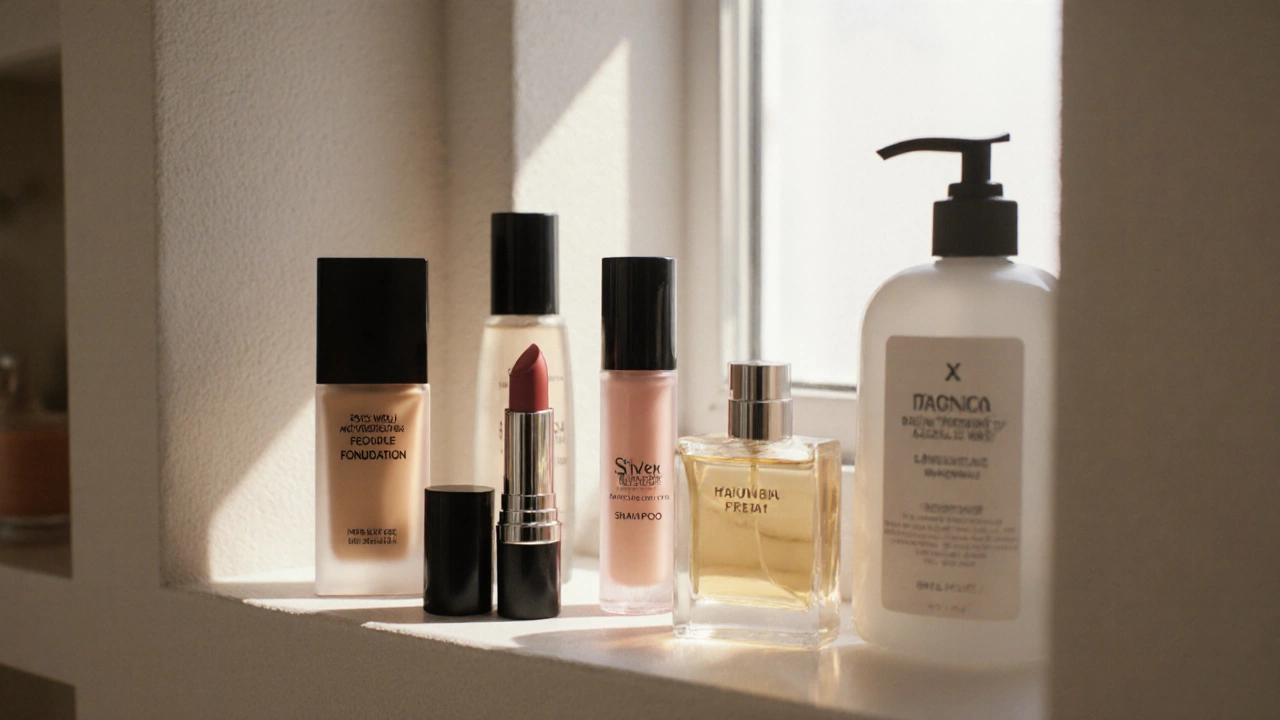
What Is Classed as a Cosmetic Product? Clear Rules for Skincare, Makeup, and More
Learn what legally counts as a cosmetic product-clear rules for skincare, makeup, and more. Understand the difference between cosmetics and drugs, what claims you can make, and how regulations work in 2025.