Skincare vs Cosmetic: What’s the Real Difference and Which One Do You Need?
When you hear skincare, daily routines and products designed to maintain or improve skin health using gentle, science-backed ingredients, you think of cleansers, moisturizers, and serums. But when someone says cosmetic, products or procedures meant to change or enhance appearance, often temporarily or dramatically, you might picture makeup, fillers, or even surgery. These aren’t just synonyms—they serve completely different purposes. Skincare is about long-term health. Cosmetic is about quick visual results. Mixing them up can cost you time, money, and even your skin’s health.
Think of it this way: skincare is like brushing your teeth. You do it every day to prevent problems. Cosmetic dentistry is like getting veneers—you’re changing how they look, not fixing cavities. Same logic applies to your face. A good daily skincare routine, a consistent sequence of steps like cleansing, moisturizing, and sun protection tailored to your skin type keeps your skin balanced, hydrated, and protected from damage. It doesn’t erase wrinkles overnight, but it stops them from getting worse. On the flip side, cosmetic procedures, medical treatments like Botox, fillers, or laser resurfacing aimed at altering appearance are meant to create noticeable changes fast. They’re not maintenance—they’re upgrades. And just like you wouldn’t use a power drill to tighten a screw by hand, you shouldn’t use a cosmetic treatment to fix a skincare problem.
Some people think organic moisturizers or "natural" creams can replace a cosmetic procedure. They can’t. A healthy moisturizer, a product designed to hydrate skin without clogging pores or triggering irritation might reduce dryness and flakiness, but it won’t lift sagging skin like Ultherapy or radiofrequency treatments. And while cosmetic products, topical items like foundation, concealer, or lip color used to alter appearance temporarily can hide redness or dark circles, they don’t treat the root cause. If your skin’s reacting to stress, hormones, or sun damage, no amount of concealer fixes that. You need the right skincare first. Then, if you want more, you consider cosmetic options.
The confusion happens because brands blur the lines. They slap "anti-aging" on a cream and make you think it’s as powerful as a laser. Or they sell a serum that claims to "plump like fillers"—but it doesn’t. Real cosmetic treatments are regulated, performed by professionals, and deliver measurable results. Skincare is daily, personal, and cumulative. One isn’t better than the other—they’re just different tools for different jobs. You don’t need surgery to have glowing skin. And you don’t need a 10-step routine to fix a deep wrinkle. Know which problem you’re solving, and you’ll stop wasting money on the wrong solution.
Below, you’ll find real breakdowns of what works, what doesn’t, and how to tell the difference between products that heal and those that just hide. Whether you’re trying to avoid bad advice, cut through marketing noise, or decide if a procedure is right for you, these posts give you the facts—not the fluff.
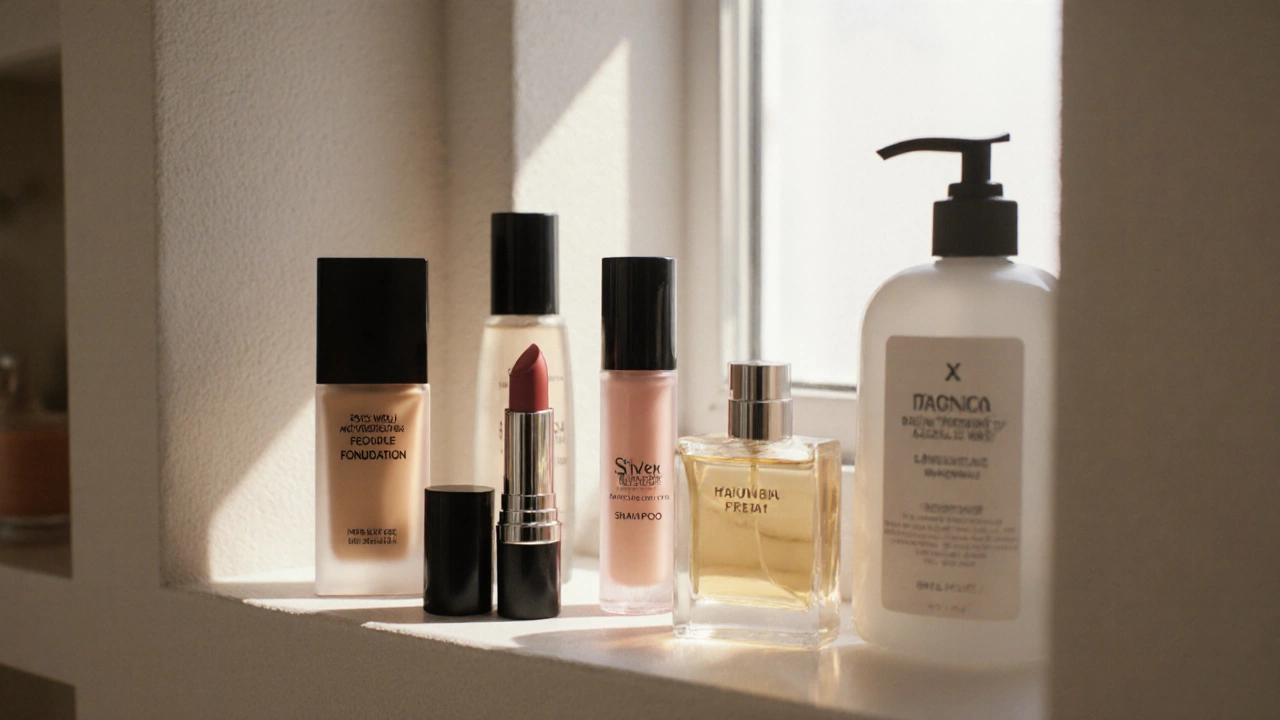
What Is Classed as a Cosmetic Product? Clear Rules for Skincare, Makeup, and More
Learn what legally counts as a cosmetic product-clear rules for skincare, makeup, and more. Understand the difference between cosmetics and drugs, what claims you can make, and how regulations work in 2025.