Build Your Essential Beauty Kit
Facial Cleanser
The absolute entry point. Removes impurities without stripping the barrier.
Moisturizer
Hydration lock maintaining elasticity. Look for gel-creams or ceramides.
Sunscreen
Daily UV protection. Tinted versions can replace foundation.
Lip Balm / Lipstick
Easy application anywhere. Adds immediate pop of color.
Mascara
Enhances eyes instantly. Waterproof formulas are popular staples.
Concealer
Spot-treat dark circles and blemishes for a rested look.
Your Custom Routine
Select products above to build your essential kit.
Walk into any pharmacy or browse a major online retailer, and you will see the same faces staring back at you. Moisturizers, cleansers, lip balms, and foundations dominate the shelves. But why do these specific items stay on top while trends come and go? The answer lies in human biology and daily habit. We need to clean our skin, hydrate it, and often, we want to change how we look for work or social events. These needs create a stable core of cosmetic products that sell billions of units every year.
In 2026, the definition of 'most used' has shifted slightly. It is no longer just about heavy makeup. The line between skincare and cosmetics has blurred. People want products that do double duty-hydrating while covering blemishes, or protecting from UV rays while adding glow. Understanding which products are truly essential helps you cut through the marketing noise and build a routine that actually works for your life.
The Non-Negotiables: Skincare as the Foundation
Before any color touches your face, there is skincare. This category accounts for the highest volume of cosmetic sales globally because everyone has skin. You don't need to be interested in fashion to buy a facial cleanser. In fact, data from market analysts shows that skincare outsells color cosmetics by a significant margin in mature markets like North America and Europe, while emerging markets are catching up fast.
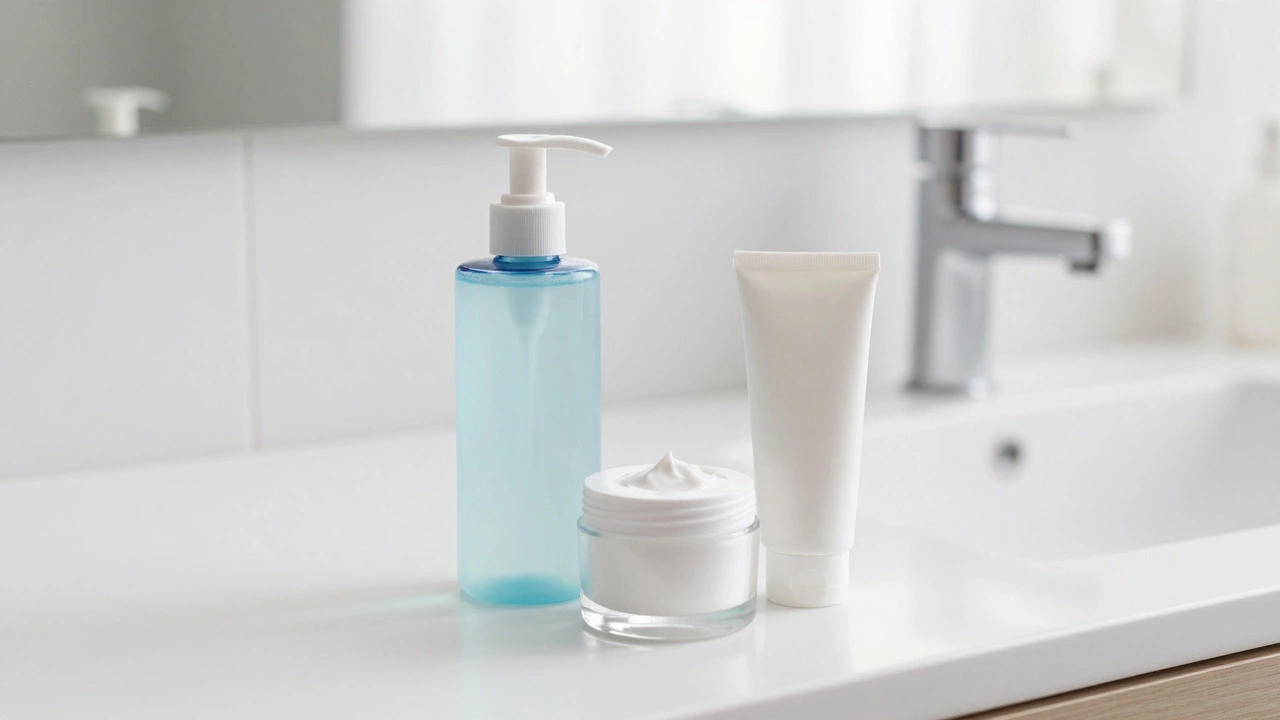
Facial Cleansers are the absolute entry point for any beauty routine. Whether it is a gel, foam, or oil-based formula, the act of washing your face is universal. In Auckland, where I live, the humidity and salt air make cleansing even more critical. People use gentle surfactants to remove pollution without stripping the skin barrier. The most popular formats right now are micellar waters for quick removal and salicylic acid cleansers for acne-prone skin. If you ask anyone what their first step in the morning is, "washing my face" is almost always the answer.
Next comes Moisturizer, which serves as a hydration lock that maintains skin elasticity and comfort. Even people with oily skin use lightweight gels. The key attribute here is texture. Heavy creams are less popular among younger demographics who prefer "water-based" or "gel-cream" hybrids. Ingredients like hyaluronic acid and ceramides are standard now. You can't walk into a store without seeing them highlighted on the front label. This product bridges the gap between health and beauty; dry, flaky skin looks unhealthy, so moisturizing is seen as a basic hygiene step, not just a vanity one.
Then there is sunscreen. While technically a drug in some regions, it is sold alongside cosmetics and treated as part of the daily routine. In 2026, tinted sunscreens are huge. They offer SPF protection while evening out skin tone, replacing foundation for many users. This dual-purpose nature makes it one of the most frequently purchased items in the beauty aisle.
The Color Core: Makeup Essentials That Sell Year-Round
Once the skin is prepped, color cosmetics take over. Not everyone wears full-face makeup, but certain items have become staples across gender lines and age groups. The trend toward "minimalism" hasn't killed makeup sales; it has just changed what people buy.
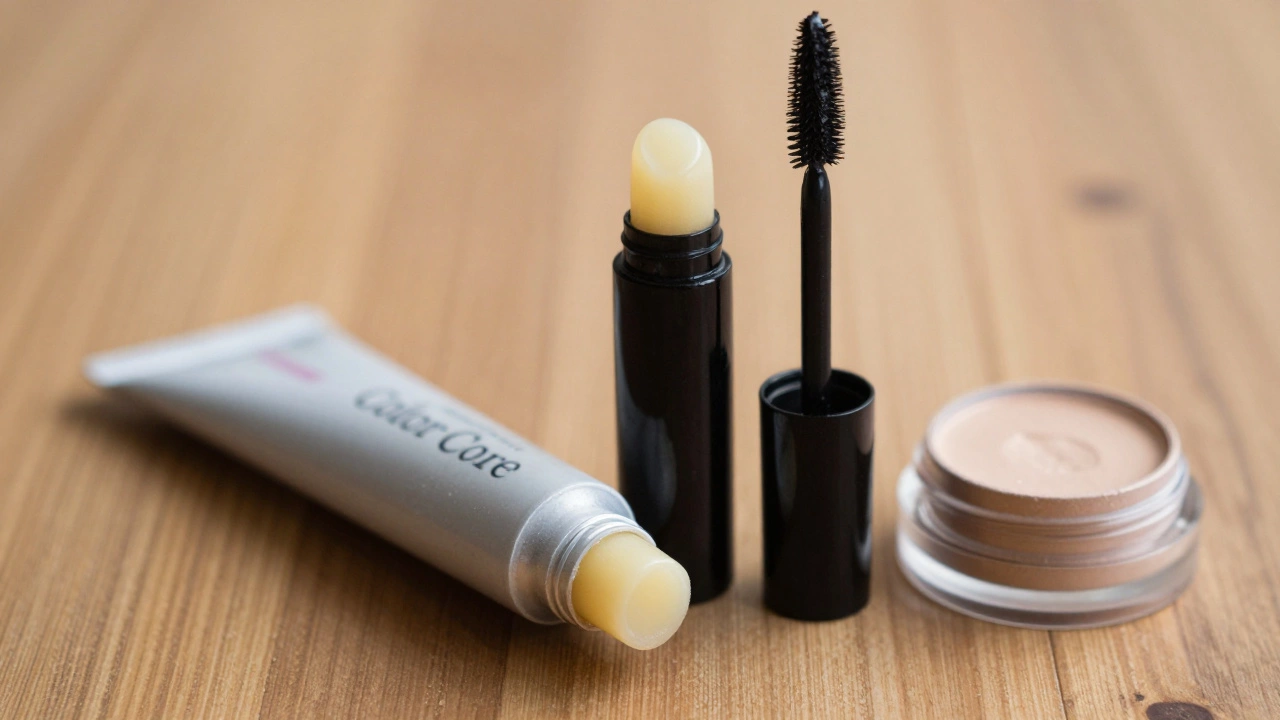
Lip Balm and Lipstick remain the most accessible form of color cosmetic application. Why? Because they are easy to apply anywhere, anytime. You don't need a mirror or steady hands. In colder months, medicated lip balms fly off the shelves. In warmer months, tinted balms and matte lipsticks dominate. The psychological effect is immediate: defined lips frame the face and add a pop of color without effort. Brands constantly release new shades, but the classic red, nude, and berry tones account for the bulk of repeat purchases.
Mascara is another heavyweight. Eyes are the focal point of the face, and mascara enhances them instantly. Waterproof formulas are particularly popular due to active lifestyles and humid climates. People want lashes that last through gym sessions, tears, and rain. The convenience of a single swipe outweighs the complexity of eyeliner or eyeshadow for the average consumer. If you only own one makeup item, it is likely mascara.
Foundation and concealer usage has evolved. Full-coverage foundations are seeing a decline in favor of skin tints, BB creams, and cushion compacts. These products provide sheer coverage and often include skincare benefits. However, concealer remains a top seller. People use it to spot-treat dark circles and blemishes rather than covering their entire face. This targeted approach reflects a desire for authenticity. Consumers want to look rested and clear, not masked.
Personal Care Hybrids: Where Beauty Meets Health
The boundary between cosmetic products and personal care is porous. Items like deodorant, body wash, and hair care products are often categorized under beauty in retail settings. These are high-frequency use items. You might buy a lipstick once a month, but you use deodorant twice a day.
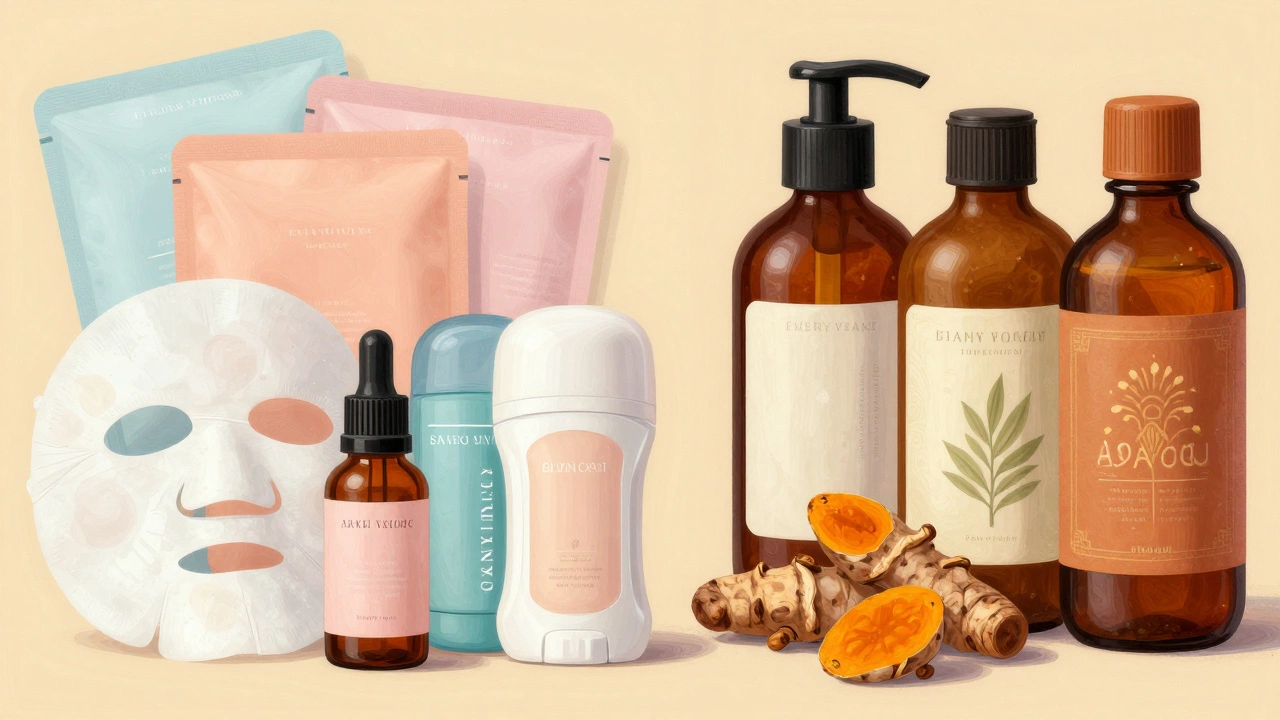
Deodorants and antiperspirants are ubiquitous. The shift towards aluminum-free and natural ingredients has created a booming sub-segment. Consumers are increasingly aware of ingredient lists, driving demand for transparent labeling. Similarly, body lotions are essential, especially in winter. The ritual of applying lotion after a shower is a widespread habit that drives consistent sales volumes.
Hair care products, including shampoo, conditioner, and styling aids, represent a massive chunk of the cosmetic industry. Heat protectants and leave-in conditioners are gaining traction as people invest more in hair health. The rise of curly-hair-friendly products has also expanded the market, offering specialized solutions for different hair textures.
Regional Variations and Cultural Preferences
What is "most used" depends heavily on where you live. In East Asia, sheet masks and multi-step skincare routines are the norm. Products like essences and serums are daily drivers. In contrast, Western markets often prefer all-in-one solutions. In India, ayurvedic ingredients like turmeric and neem are staples in both skincare and makeup. Understanding these regional differences is crucial for brands trying to globalize their products.
| Product Category | Primary Function | Usage Frequency | Key Trend in 2026 |
|---|---|---|---|
| Cleansers | Remove impurities | Daily (1-2 times) | Gentle, pH-balanced formulas |
| Moisturizers | Hydrate and protect | Daily (1-2 times) | Gel-creams and barrier repair |
| Sunscreen | UV protection | Daily (Morning) | Tinted and invisible finishes |
| Lip Care | Hydration and color | Multiple times daily | Tinted balms and plumping effects |
| Mascara | Enhance eyes | Daily (As needed) | Waterproof and lengthening |
| Concealer | Spot coverage | Daily (As needed) | Skincare-infused and creamy textures |
Why These Products Stay Popular
There are three main reasons these products dominate the market. First, necessity. Skin needs cleaning and hydration. Second, versatility. A lip balm can be a standalone product or part of a larger look. Third, emotional reward. Applying a nice-smelling lotion or wearing a favorite lipstick boosts mood. These factors create loyal customers who repurchase the same items repeatedly.
Marketing plays a role too. Brands invest heavily in educating consumers about ingredients. When you understand why niacinamide helps brighten skin, you are more likely to buy a serum containing it. This education turns casual buyers into informed enthusiasts who seek out specific formulations.
Building Your Own Essential Kit
If you are looking to simplify your routine, start with the basics. You don't need twenty steps. A good cleanser, a moisturizer suited to your skin type, and a broad-spectrum sunscreen are enough for skincare. For makeup, pick one or two items that make you feel confident. Maybe it is mascara and a lip tint. Or perhaps a concealer and a blush stick. The goal is to enhance your natural features, not cover them up completely.
Pay attention to how your skin reacts. If a product causes irritation, stop using it. The best cosmetic product is the one that works for your unique biology. Experimentation is part of the process, but consistency yields results. Stick with a routine for at least four weeks before judging its effectiveness.
What is the number one selling cosmetic product worldwide?
Facial cleansers and moisturizers consistently rank as the top-selling cosmetic products globally. These items are considered essential for basic hygiene and skin health, making them necessary for nearly every consumer regardless of age or gender.
Do men use cosmetic products?
Yes, men's grooming is a rapidly growing segment. Men commonly use facial cleansers, moisturizers, sunscreen, and beard oils. There is also increasing adoption of makeup products like concealers and brow gels among male consumers.
Is sunscreen considered a cosmetic product?
In many countries, sunscreen is regulated as an over-the-counter drug because it protects against sun damage. However, it is marketed and sold alongside cosmetics, and tinted sunscreens blur the line further by offering cosmetic benefits like skin evening.
What are the most important ingredients in modern cosmetic products?
Key ingredients include hyaluronic acid for hydration, niacinamide for barrier support and brightness, retinol for anti-aging, and salicylic acid for acne treatment. Consumers are increasingly educated about these active ingredients and seek them out specifically.
How has the definition of "most used" changed in recent years?
The focus has shifted from heavy coverage makeup to skincare-first approaches. Products that combine skincare benefits with light coverage, such as tinted moisturizers and serum foundations, are now more popular than traditional full-coverage foundations.
Are natural cosmetic products more popular than synthetic ones?
Natural and clean beauty products have gained significant market share, driven by consumer concern over chemical ingredients. However, synthetic ingredients still dominate due to their stability and efficacy. Many consumers now look for a balance, choosing products with safe, effective formulations regardless of origin.