5 C's Daily Check-in
How's your mental health today?
Track your daily progress using the 5 C's framework. Just answer 5 simple questions about your day.
Each question is designed to help you build resilience through small, meaningful actions.
When life gets overwhelming, it’s not always about finding a therapist or popping a pill. Sometimes, the real shift happens in how you think, talk to yourself, and show up for your own life. That’s where the 5 C's of mental health come in. They’re not a clinical diagnosis or a fancy therapy technique. They’re practical, everyday habits that people who stay grounded during tough times actually use. And no, you don’t need years of training to start using them.
Competence: You’re Better Than You Think
Competence isn’t about being perfect. It’s about knowing you can handle things, even when they’re messy. Think of it like learning to ride a bike-you wobble, you fall, but you get back up. Each small win builds this quiet confidence. Did you make your bed when you didn’t feel like it? Did you call a friend even though you were exhausted? That’s competence in action.
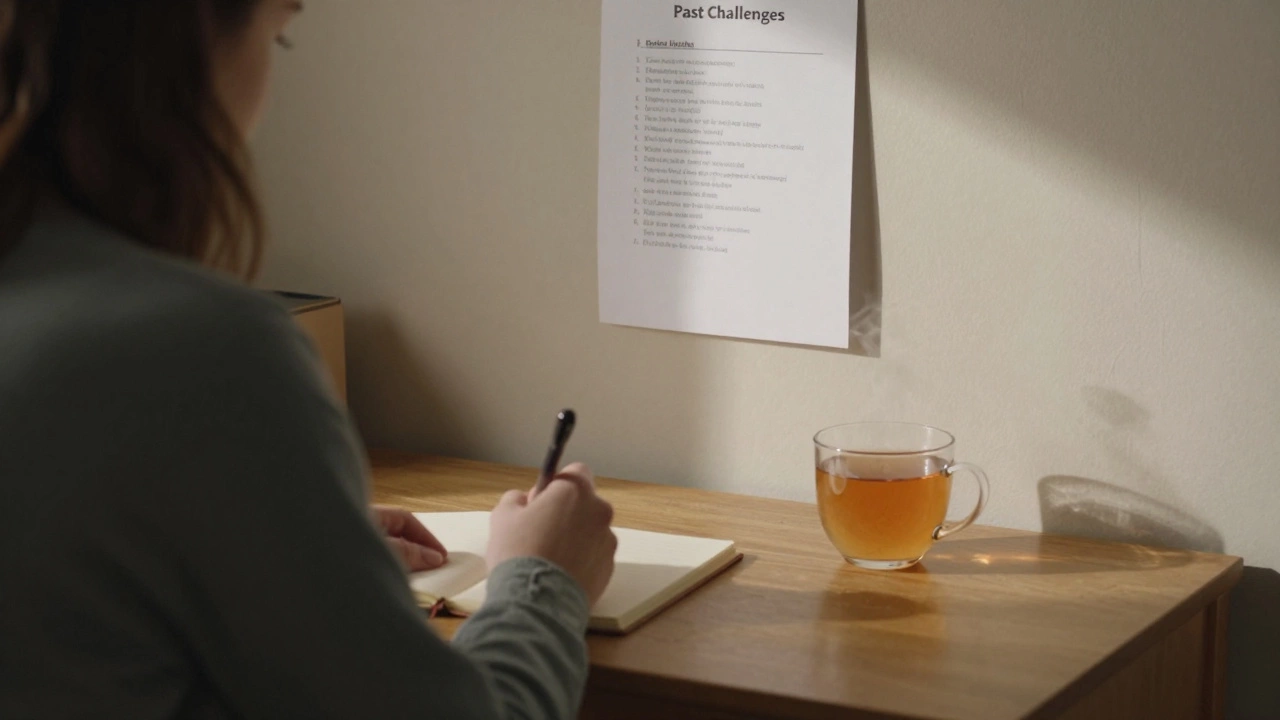
People with strong mental health don’t wait for motivation. They act first, then feel better. They keep a list of past challenges they got through. Not because they’re bragging, but because they need to remind themselves: I’ve done hard things before. I can do this too. If you’re stuck, ask yourself: What’s one small thing I’ve handled well this week? Write it down. Keep that list. Reread it when doubt creeps in.
Connection: Humans Need Humans
Loneliness isn’t just a feeling-it’s a health risk. Studies show chronic isolation affects your immune system, sleep, and even heart health as much as smoking. But connection doesn’t mean having 500 friends on social media. It means having at least one person you can text at 2 a.m. and know they’ll reply with, “I’m here.”
Real connection is messy. It’s saying, “I’m not okay,” and not being shut down. It’s sitting in silence with someone who doesn’t try to fix you. If you’re struggling to connect, start small. Text your cousin. Join a local walking group. Volunteer somewhere quiet. You don’t need to be loud or charismatic. Just show up. Consistency matters more than intensity.
Character: Who You Are When No One’s Watching
Character isn’t about being good. It’s about being consistent with your values-even when you’re tired, angry, or scared. It’s choosing honesty over convenience. Choosing kindness over bitterness. Choosing to take responsibility instead of blaming others.
People with strong mental health don’t see themselves as victims. They don’t play the blame game. They ask: What part did I play in this? What can I change next time? That doesn’t mean taking blame for things that aren’t yours. It means owning your reactions. You can’t control what happens to you. But you can control how you respond.
Start noticing your inner voice. When you mess up, do you say, “I’m a failure,” or “I made a mistake”? The difference isn’t subtle-it’s everything. One crushes you. The other lets you learn.

Contribution: Purpose Isn’t a Big Dream
You don’t need to cure cancer or start a nonprofit to matter. Contribution is about leaving a small, positive ripple. It’s making coffee for your partner when they’re running late. It’s holding the door for someone with their hands full. It’s sharing a meme that made you laugh with someone who’s had a rough day.
Studies from the University of Michigan show people who regularly do small acts of kindness report lower stress and higher life satisfaction. Why? Because helping others reminds you that you’re not just surviving-you’re part of something bigger. Even if that something is just a quiet moment of shared humanity.
Try this: Every day, do one small thing that helps someone else-no grand gesture needed. Don’t track it. Don’t post it. Just do it. After a week, notice how you feel. You might be surprised.
Control: The Power of Letting Go
This one trips people up. Control doesn’t mean micromanaging your life. It means knowing what you can and can’t change-and having the courage to accept the difference.
Think of it like gardening. You can water the plants, pull weeds, give them sunlight. But you can’t control the weather. You can’t force a flower to bloom on your schedule. Mental health works the same way. You can’t control your anxiety, your past, or what other people think. But you can control your breath, your movement, your words, your bedtime.
People who stay mentally strong don’t waste energy fighting things they can’t change. They focus on the small levers they actually hold. If you’re stuck in a loop of worry, ask: Is this something I can act on right now? If yes-take one step. If no-let it go. Not because you don’t care. But because you care enough to stop draining yourself.

Putting It All Together
The 5 C's aren’t a checklist. You don’t need to be perfect at all five every day. Some days, you’ll nail connection and forget about character. Other days, you’ll feel in control but isolated. That’s normal. The goal isn’t to be flawless. It’s to notice when you’re leaning into one of these areas-and gently guide yourself back when you drift.
Try this simple practice: Each night, ask yourself three questions:
- Where did I feel competent today?
- Did I reach out to someone, or did someone reach out to me?
- Did I act in a way that matches who I want to be?
You don’t need to write essays. One sentence each is enough. Do this for a week. Then notice how your mind starts to shift. You’ll stop waiting for the “big fix.” You’ll start noticing the small, daily acts that keep you steady.
What If I Don’t Feel Like I Have Any of These?
That’s okay. You’re not broken. You’re just tired. Or scared. Or overwhelmed. The 5 C's aren’t a test. They’re tools. And tools are useless if you don’t know how to hold them.
If you’re starting from zero, pick just one. Maybe it’s connection. Text one person you trust. That’s it. Or competence. Do one small task you’ve been avoiding. Shower. Walk around the block. Make a cup of tea. Do it slowly. Pay attention. That’s how you rebuild.
Mental health isn’t about being happy all the time. It’s about being able to weather the storms without falling apart. The 5 C's are your anchor. Not because they’re magical. But because they’re real. And real things, used regularly, change lives.
Are the 5 C's of mental health backed by science?
Yes. While the specific term "5 C's" is a simplified framework, each component is rooted in decades of psychological research. Competence links to self-efficacy theory (Bandura, 1997). Connection is tied to attachment theory and social support studies showing reduced cortisol levels in connected individuals. Character aligns with virtue ethics and cognitive behavioral principles around self-talk. Contribution is supported by research on altruism and well-being (Post, 2005). Control maps directly to acceptance and commitment therapy (ACT) and the concept of psychological flexibility. These aren’t new-age ideas-they’re evidence-based practices packaged simply.
Can the 5 C's replace therapy?
No. The 5 C's are tools for building resilience, not replacements for professional care. If you're dealing with depression, anxiety disorders, trauma, or suicidal thoughts, therapy is essential. Think of the 5 C's as daily maintenance for your mental health-like brushing your teeth. Therapy is the dentist visit when something’s broken. You need both. Using the 5 C's can make therapy more effective, but it won’t fix clinical conditions on its own.
Do the 5 C's work for teens and kids?
Absolutely. In fact, teaching these concepts early helps kids build emotional literacy before they hit their teens. For younger children, simplify the language: "You can do hard things" (Competence), "Talk to someone you trust" (Connection), "Be kind to yourself and others" (Character), "Help someone even in a small way" (Contribution), "Focus on what you can change" (Control). Schools in New Zealand and Australia have started integrating these ideas into social-emotional learning programs with measurable improvements in student well-being.
How long does it take to see results from practicing the 5 C's?
Some people notice a shift in as little as 3-5 days-especially around mood and sleep. But lasting change takes consistency, not speed. Think of it like building muscle. One workout won’t transform your body. But 30 days of small efforts? That changes everything. Most people report feeling more grounded and less reactive after 2-4 weeks of daily practice, even if it’s just 5 minutes a day.
What if I’m too busy to practice all five?
You don’t need to do all five every day. Pick one. Just one. Do it once. Then notice how it feels. Maybe tomorrow, pick another. The goal isn’t to check boxes-it’s to notice what helps you feel more like yourself. Even one small act of connection or one moment of self-compassion can shift your whole day. Start where you are. Not where you think you should be.