Organic skin care products promise purity, safety, and harmony with nature. You see them on shelves labeled ‘no chemicals,’ ‘plant-powered,’ and ‘eco-friendly.’ It sounds ideal-until you start using them and wonder why your breakout didn’t clear up, or why your moisturizer vanished after three weeks. The truth? Organic skincare isn’t magic. It’s a trade-off. And like any product, it comes with real downsides that aren’t always talked about.
Shorter Shelf Life Means More Waste
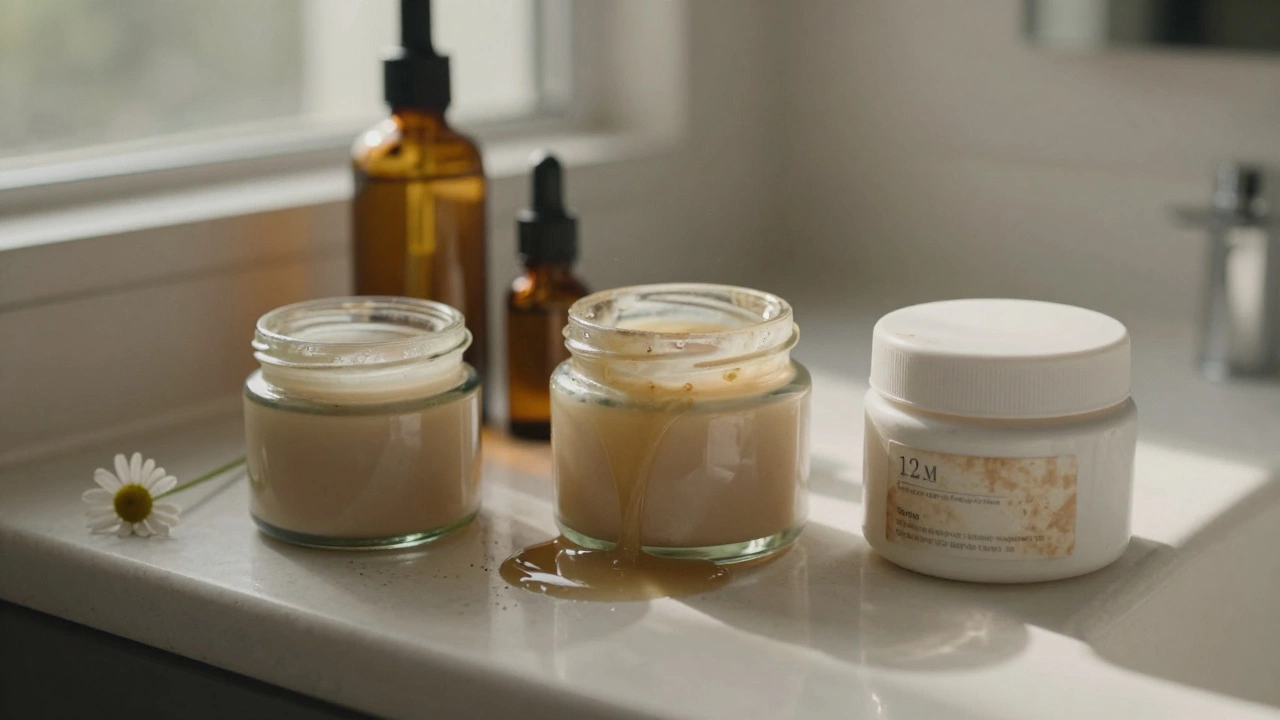
Organic skincare avoids synthetic preservatives like parabens and phenoxyethanol. That sounds great-until you realize that without them, bacteria and mold can grow. A jar of organic face cream might last 3 to 6 months. A conventional one? Up to 2 years. I’ve seen people buy organic serums, use them for a month, then forget about them. By month three, the texture changes. It smells off. You’re not sure if it’s safe. You toss it. And that’s not just a loss of money-it’s a loss of resources. Organic ingredients like cold-pressed oils and plant extracts break down faster. Refrigeration helps, but most people don’t store their skincare in the fridge. So you’re buying more often, throwing out more, and contributing to packaging waste.
Less Consistent Results
Think of organic skincare like homemade bread. Every batch is different. Why? Because plants vary. A batch of chamomile extract from one farm might be high in soothing compounds. The next batch, from a different harvest, might be weak. No lab can standardize that like they can with synthetic ingredients. A chemical like hyaluronic acid is always the same molecule, every time. Organic alternatives like aloe vera or cucumber extract? Their potency shifts with soil, weather, and harvest time. That’s why some users swear by their organic moisturizer, while others see zero improvement. If you’re treating acne, rosacea, or eczema, consistency matters. Organic products don’t always deliver that.
Not Always ‘Chemical-Free’
Here’s a myth: organic means no chemicals. That’s false. Water is a chemical. Citric acid is a chemical. Essential oils? Chemicals too. The difference isn’t whether chemicals are present-it’s whether they’re synthetic or naturally derived. A plant-derived ingredient can still be irritating. Tea tree oil, for example, is natural. But it’s one of the top causes of allergic contact dermatitis in natural skincare. Lavender oil? Same thing. In fact, the Skin Cancer Foundation warns that some plant extracts increase sun sensitivity. So if you’re using organic products and then spending time outdoors without sunscreen, you might be risking more damage than protection.
Higher Cost for Lower Effectiveness
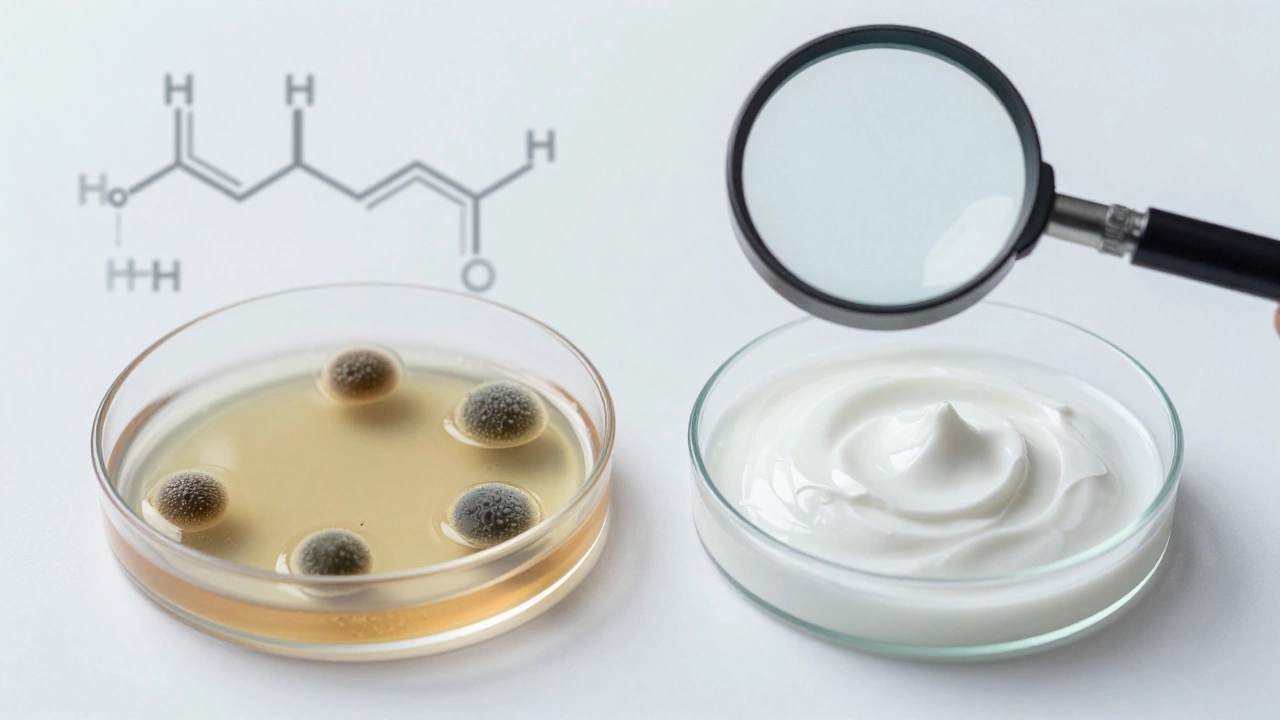
Organic skincare often costs 2 to 4 times more than conventional brands. Why? Organic farming is labor-intensive. Certification costs add up. Packaging is often glass or recyclable materials, which are pricier. But here’s the kicker: you’re not necessarily getting better results. A 2023 study from the University of Auckland’s Skin Research Lab tested 42 organic facial moisturizers against 35 conventional ones. The conventional ones scored higher in hydration, barrier repair, and long-term wrinkle reduction. The organic ones? They performed better in scent and texture-but not in actual skin health. If you’re spending $80 on a jar of organic night cream and it doesn’t improve your skin, you’re paying a premium for perception, not performance.
False Sense of Safety
Many people assume organic equals safe. That’s dangerous. Natural doesn’t mean non-toxic. Poison ivy is natural. Belladonna is natural. Both are deadly. In skincare, some organic brands use ingredients like birch bark extract or willow herb-both of which can trigger reactions in sensitive skin. And because these products aren’t regulated the same way as pharmaceuticals, claims aren’t always backed by data. A product can say ‘dermatologist tested’ and still be tested on just 10 people. There’s no requirement for long-term safety studies. So you’re trusting a label, not a science-backed process.
Limited Ingredient Options
Organic certification standards ban many effective ingredients. Retinoids? Usually synthetic. Niacinamide? Often derived from synthetic processes. Peptides? Almost always lab-made. So if you’re trying to treat fine lines, hyperpigmentation, or acne, your organic options are slim. You might get a fruit acid peel from organic apple or papaya-but it’s weaker than a 10% glycolic acid serum. You’ll need to use it more often, for longer, and still might not see results. For people with specific skin concerns, organic skincare can feel like trying to fix a flat tire with duct tape.
Environmental Claims Can Be Misleading
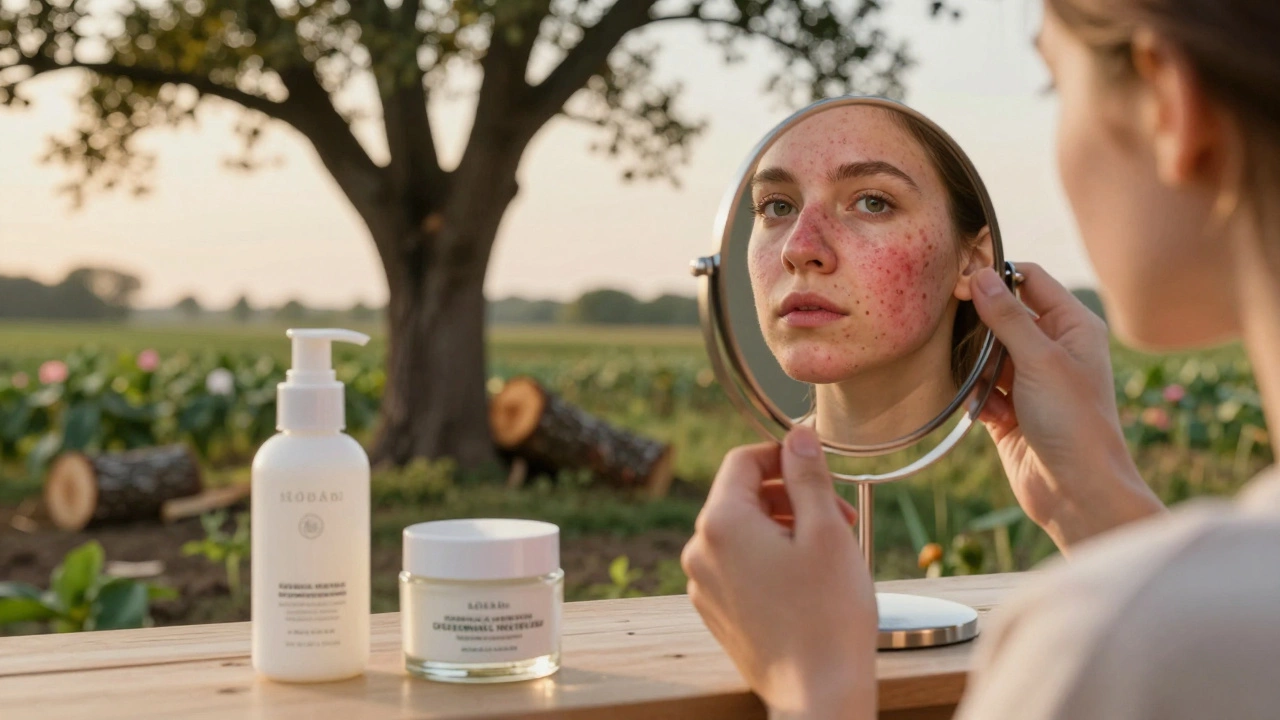
‘Organic’ sounds green. But the farming behind it isn’t always sustainable. Organic farms use less synthetic fertilizer-but they often need more land. Why? Natural fertilizers are less concentrated. So to grow the same amount of rosehip or calendula, you need 30% more land. That can mean deforestation or habitat loss. And organic farming still uses water, pesticides (natural ones, like pyrethrin), and transport. A 2024 life-cycle analysis from New Zealand’s Environmental Protection Agency found that some organic skincare products had a higher carbon footprint than conventional ones, simply because they required more packaging and shipping to compensate for lower yields.
Who Should Avoid Organic Skincare?
Not everyone benefits from organic products. If you have:
- Acne-prone skin-organic oils can clog pores
- Sensitive skin-essential oils and botanical extracts are common irritants
- Chronic conditions like eczema or psoriasis-lack of standardized active ingredients may delay healing
- High sun exposure-some plant extracts increase photosensitivity
- A tight budget-higher cost for lower efficacy
Then organic skincare might not be the best choice. It’s not bad. It’s just not always better.
What’s the Real Difference?
The real difference isn’t between ‘natural’ and ‘synthetic.’ It’s between well-formulated and poorly formulated products. You can find a synthetic moisturizer packed with irritants and fillers. And you can find an organic one with clean, effective ingredients. The key isn’t the label. It’s the ingredient list. Look for products with proven actives-whether they come from a lab or a plant. And always patch test. Even ‘gentle’ organic products can react badly on your skin.
Are organic skincare products better for sensitive skin?
Not necessarily. Many organic products contain essential oils, botanical extracts, and plant-based fragrances that are common triggers for irritation. Lavender, tea tree, and citrus oils-even when organic-can cause redness, itching, or breakouts in sensitive skin. The best choice is a product with minimal ingredients and no fragrance, whether organic or not.
Do organic skincare products expire faster?
Yes. Without synthetic preservatives like phenoxyethanol or parabens, organic products are more prone to bacterial growth and oxidation. Most last 3 to 6 months after opening, compared to 12 to 24 months for conventional products. Refrigeration can help extend shelf life, but it’s not practical for most users.
Can organic skincare cause acne?
Yes. Some organic ingredients, like coconut oil, shea butter, and almond oil, are comedogenic-meaning they can clog pores. If you’re prone to breakouts, these oils in organic products might be the culprit, even if the label says ‘natural’ or ‘gentle.’ Always check for non-comedogenic claims or patch test before full use.
Is organic skincare more environmentally friendly?
Not always. Organic farming often requires more land and water to produce the same yield. Plus, organic products frequently use glass packaging and smaller batch sizes, which increase shipping emissions. A 2024 study in New Zealand found some organic skincare products had a higher carbon footprint than conventional ones due to supply chain inefficiencies.
Why are organic skincare products so expensive?
Organic farming, certification, and sustainable packaging cost more. But higher price doesn’t mean better results. A 2023 study showed conventional moisturizers outperformed organic ones in hydration and barrier repair. You’re paying for branding and perception, not necessarily effectiveness.
If you’re considering organic skincare, don’t assume it’s the healthier or safer option. Ask: What’s in it? Does it have proven actives? Does it suit my skin type? And is it worth the price? The answer might surprise you.