NHS Wait Time & Risk Estimator
Understand how systemic pressures affect your care. This tool estimates typical wait times and highlights associated risks based on current NHS capacity challenges.
Results
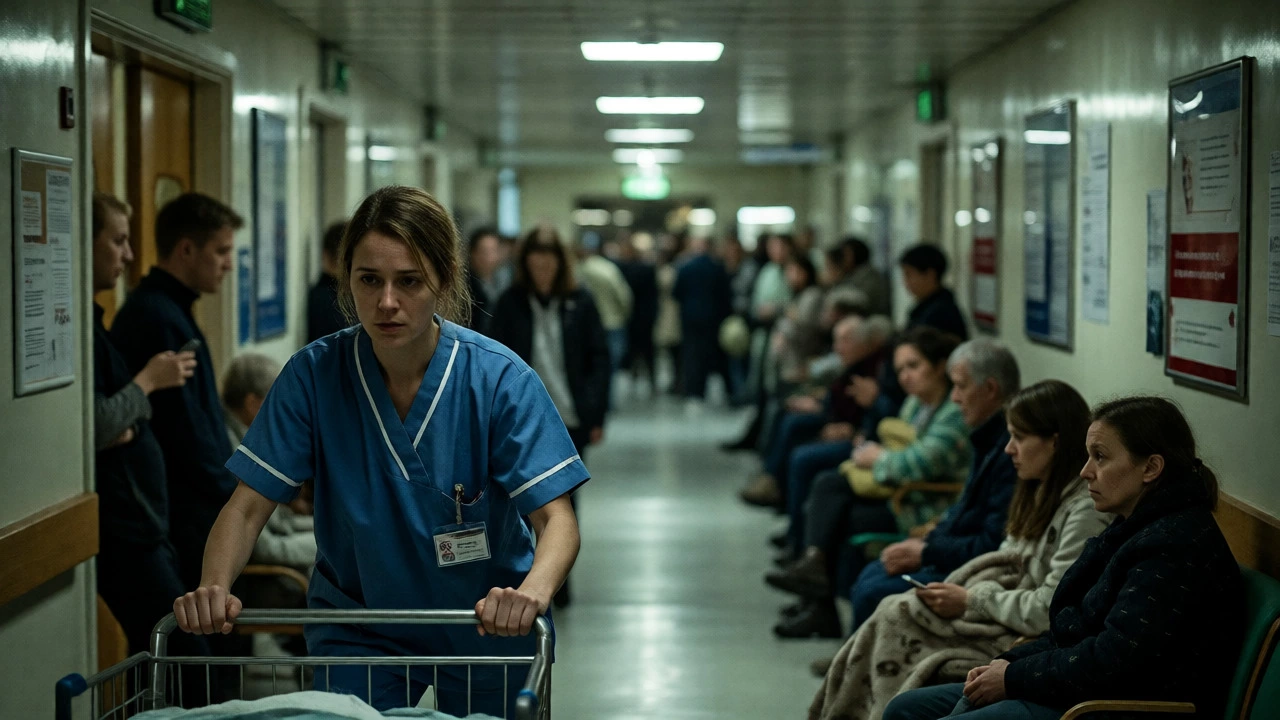
You’ve heard the slogan: "The National Health Service is free at the point of use." It’s a beautiful idea, one that most people in the UK hold dear. But if you’re standing in a hospital corridor at 3 AM on a Tuesday, or trying to book a GP appointment for a persistent cough, that idealism can feel pretty thin. The reality of NHS the publicly funded healthcare system in the United Kingdom today is complicated. It’s not broken-far from it-but it is under immense strain, and those cracks show up in ways that directly impact your health outcomes and your wallet.
If you’re considering whether to stick with public options or look into private coverage, you need to know exactly where the friction points are. We aren’t talking about minor inconveniences here. We’re talking about systemic issues that affect millions of patients every year. From months-long waits for routine scans to the patchy nature of social care, understanding these flaws is the first step in navigating the system effectively.
The Waiting Time Crisis
Let’s start with the elephant in the room: waiting times the duration patients must wait for medical treatment within the NHS. This isn’t just an annoyance; it’s a safety issue. When you refer yourself or get referred by a GP for a specialist consultation, the clock starts ticking. In recent years, the target of being seen within 18 weeks has become more of a suggestion than a rule.
Why does this happen? It’s largely a capacity problem. There simply aren’t enough consultants, nurses, or operating theatres to handle the demand. If you have a non-urgent but painful condition, like a hernia or severe arthritis, you might find yourself on a waiting list for six, nine, or even twelve months. For some, that means living with pain that could have been resolved earlier. For others, particularly those with suspected cancer, delays in diagnosis and treatment can significantly worsen prognosis. The Cancer Research UK a leading charity dedicated to fighting cancer through research and support regularly highlights how diagnostic delays correlate with lower survival rates.
It’s worth noting that emergency care is different. A&E departments prioritize life-threatening conditions, so heart attacks and strokes are treated rapidly. But for everything else? You’re in a queue. And unlike a line at a coffee shop, you can’t just walk away and come back later without risking your health.
GP Access and Primary Care Strain
Before you even reach a specialist, you usually have to see a General Practitioner (GP) a primary care physician who provides initial diagnosis and referrals. Here lies another major hurdle: accessibility. Many practices operate on a strict triage system. You call at 8 AM, the phones jam instantly, and if you don’t get through, you might be told to try again tomorrow. Or worse, you’re offered an appointment three weeks away.
This bottleneck creates a domino effect. Because GPs are overwhelmed, they have less time per patient. Appointments are often rushed, lasting only ten minutes. That’s not always enough time to discuss complex symptoms or mental health concerns thoroughly. Consequently, patients may leave feeling unheard, or they resort to self-diagnosing via the internet, which can lead to unnecessary anxiety or missed conditions.
Furthermore, rural areas face unique challenges. In parts of Wales, Scotland, and northern England, there are significant shortages of GPs. Some villages have no local practice at all, forcing residents to travel long distances for basic care. If you live in a city, you might deal with digital barriers; many practices now require you to book online, which excludes older demographics or those with limited tech literacy.
The Social Care Gap
Most people conflate "healthcare" with "hospital care," but the NHS also encompasses social care support services for daily living needs, often provided by local councils rather than the NHS. This is where the system gets messy. While hospitals treat acute illness, social care supports ongoing needs, such as help with washing, dressing, or medication management for the elderly or disabled.
The problem? Funding. Social care is primarily funded by local authorities, which have faced severe budget cuts over the last decade. As a result, eligibility criteria have tightened. You might qualify for hospital treatment but be deemed ineligible for home care support. This leads to "bed-blocking," where medically fit patients cannot leave the hospital because there’s nowhere suitable for them to go. They occupy beds needed for new admissions, worsening hospital congestion.
For families, this translates into huge financial and emotional burdens. If your elderly parent needs help at home but doesn’t meet the council’s threshold, you either pay privately-which can cost hundreds of pounds a week-or rely on unpaid family labor. It’s a hidden tax on caregiving that disproportionately affects women and middle-income households who earn too much for full state aid but too little to afford private solutions comfortably.

Inequality in Outcomes
We like to think the NHS treats everyone equally. Ideally, yes. Practically, no. There is a stark postcode lottery. Your access to cutting-edge treatments, experimental drugs, or even routine screenings depends heavily on where you live and which Integrated Care Board (ICB) oversees your region.
Socioeconomic status plays a massive role, too. People in wealthier areas tend to have better health outcomes, partly due to lifestyle factors but also because they are more likely to navigate the system effectively. They might push harder for referrals, seek second opinions, or opt for private diagnostics to speed things up. Meanwhile, disadvantaged groups often face higher rates of chronic disease but lower access to preventive care. The gap between the richest and poorest areas in terms of life expectancy remains significant, suggesting the system isn’t leveling the playing field as well as it should.
Consider dental and optical care. These were once part of core NHS provision but have increasingly shifted toward out-of-pocket costs. Routine dental check-ups are expensive, and many dentists have stopped accepting new NHS patients altogether. If you have poor oral health, it can exacerbate heart disease and diabetes, yet getting timely dental treatment becomes a luxury rather than a right.
Funding Pressures and Resource Allocation
At its core, the NHS struggles with money. Healthcare inflation rises faster than general inflation. New technologies, drugs, and aging populations drive costs up, while government budgets struggle to keep pace. This forces difficult choices. Administrators must decide which treatments get funded and which don’t, often using metrics like Quality-Adjusted Life Years (QALYs).
This rationing can feel cold and clinical. A drug might be approved for use in Europe but delayed in the UK because it doesn’t meet cost-effectiveness thresholds. Patients with rare diseases often face particular hurdles, as their treatments are expensive and benefit small numbers of people. The tension between providing universal coverage and maintaining fiscal sustainability is constant, and unfortunately, patients often bear the brunt of austerity measures.
When Private Healthcare Becomes Necessary
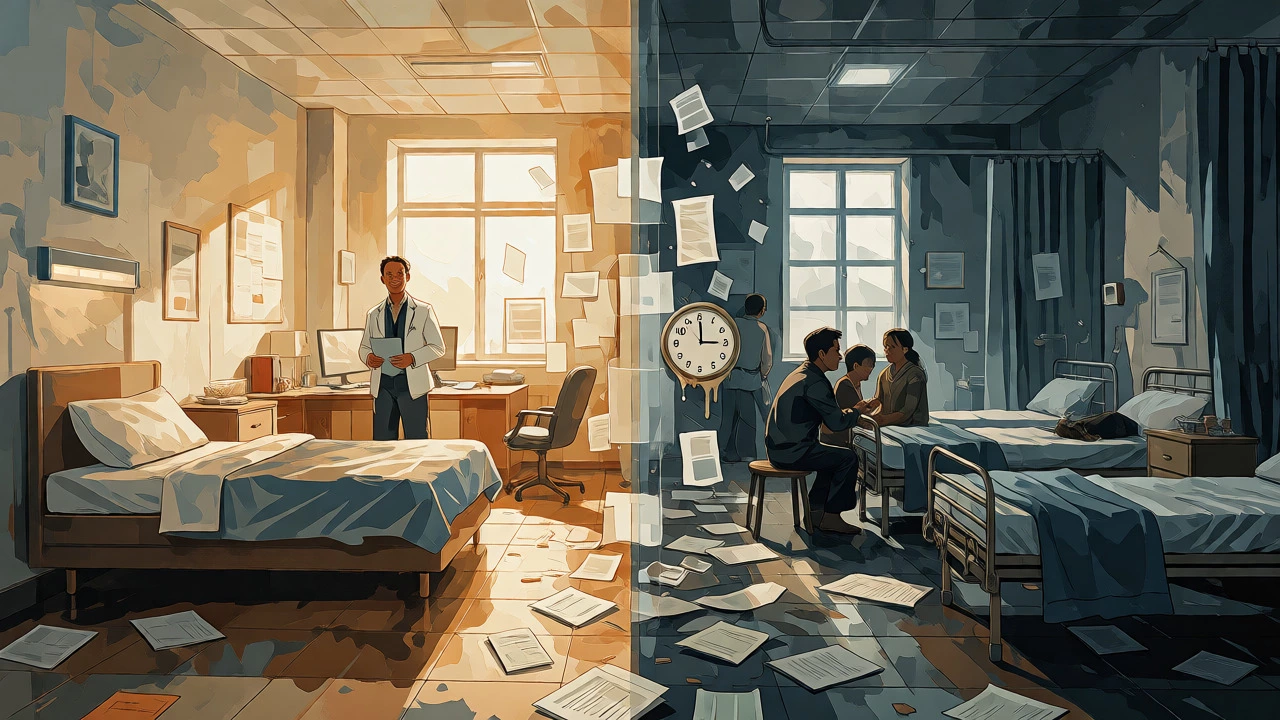
Given these disadvantages, many Britons turn to private healthcare medical services paid for by individuals or insurance providers outside the NHS. It’s not about abandoning the NHS; it’s about supplementing it. Private insurance can offer shorter waiting times, choice of consultant, and single-room accommodation.
However, private care has its own drawbacks. Costs are rising, and policies often exclude pre-existing conditions or impose strict limits on claims. Plus, continuity of care can suffer. You might see a top specialist privately for surgery but return to the NHS for follow-up, leading to fragmented records and communication gaps.
| Feature | NHS Experience | Private Healthcare Experience |
|---|---|---|
| Waiting Times | Highly variable; often months for elective procedures. | Generally days to weeks; priority given based on urgency. |
| Cost | Free at point of use (funded via taxes); prescription charges apply in England. | Premiums plus excess fees; potential for high out-of-pocket costs. |
| Choice of Provider | Limited; assigned based on local availability and contracts. | High; choose specific consultants and hospitals. |
| Coverage Scope | Comprehensive for acute and chronic conditions; gaps in dental/optical/social care. | Often excludes chronic/pre-existing conditions; focuses on acute events. |
| Facilities | Variable; often crowded wards, shared rooms. | Consistently modern; private rooms, hotel-like amenities. |
Deciding whether to go private requires honest assessment. Are you willing to pay for speed and comfort? Can you afford the premiums alongside other living costs? For some, the peace of mind is worth every penny. For others, the risk of policy exclusions makes sticking with the NHS-even with its flaws-the safer bet.
Key Takeaways
- Wait times are the biggest pain point: Expect delays for non-emergency specialist care and elective surgeries, potentially impacting quality of life and recovery.
- GP access is inconsistent: Booking appointments can be difficult, especially in rural areas or during peak flu seasons, leading to rushed consultations.
- Social care is fragmented: Unlike hospital care, social support is means-tested and locally controlled, creating significant gaps for the elderly and disabled.
- Postcode lottery exists: Access to specific treatments and specialists varies significantly depending on your geographic location and local funding decisions.
- Private healthcare offers speed but not perfection: It solves waiting time issues but introduces costs and coverage limitations, particularly regarding pre-existing conditions.
Is the NHS really free?
Yes, for most hospital treatments and GP visits, there is no charge at the point of service. However, you pay for prescriptions in England (unless exempt), dental care, and eye tests. Additionally, social care services often involve means-tested contributions, meaning it's not entirely free for everyone in all circumstances.
How long are typical NHS waiting lists in 2026?
While targets aim for 18 weeks, actual waits for elective procedures often range from 3 to 9 months depending on the specialty and region. Cancer pathways are prioritized and usually faster, aiming for diagnosis within two weeks and treatment within 31 days, though breaches still occur.
Can I use private healthcare if I already have NHS coverage?
Absolutely. Many people use private healthcare to bypass waiting lists for specific procedures while keeping their NHS GP for routine care. It’s a hybrid approach. Just ensure you understand what your private policy covers and that you continue to register with an NHS GP for continuity of care.
What happens if I miss my NHS appointment?
If you miss a scheduled outpatient appointment without cancelling, you might receive a warning letter. Repeated missed appointments can lead to discharge from that clinic, requiring a new referral from your GP to restart the process, which adds further delay.
Are mental health services adequately funded?
Mental health services have historically been underfunded compared to physical health. While investment has increased, waiting times for therapy and community mental health teams remain long, often exceeding several months for initial assessments.