Must-Have Makeup Kit Builder
Ready to Simplify?
Select your preferences on the left to generate a curated list of must-have makeup items tailored to your needs.
You’re standing in front of a drugstore aisle or scrolling through an endless online catalog. The options are overwhelming. Do you really need twelve different types of highlighter? Probably not. But do you need a foundation that doesn’t oxidize orange by lunchtime? Absolutely. If you’ve ever felt paralyzed by the sheer volume of makeup products available today, you aren’t alone. The truth is, you don’t need a professional artist’s kit to look polished and put-together. You just need the right few tools.
This isn’t about collecting every limited-edition palette that drops this season. It’s about building a functional, reliable arsenal that works for your skin type, lifestyle, and skill level. Whether you’re a total beginner or someone looking to declutter a vanity full of half-used tubes, narrowing down your collection saves money, time, and mental energy. Let’s cut through the marketing noise and identify the actual essentials-the items that do the heavy lifting in any routine.
The Foundation of Your Look: Skin Prep and Base
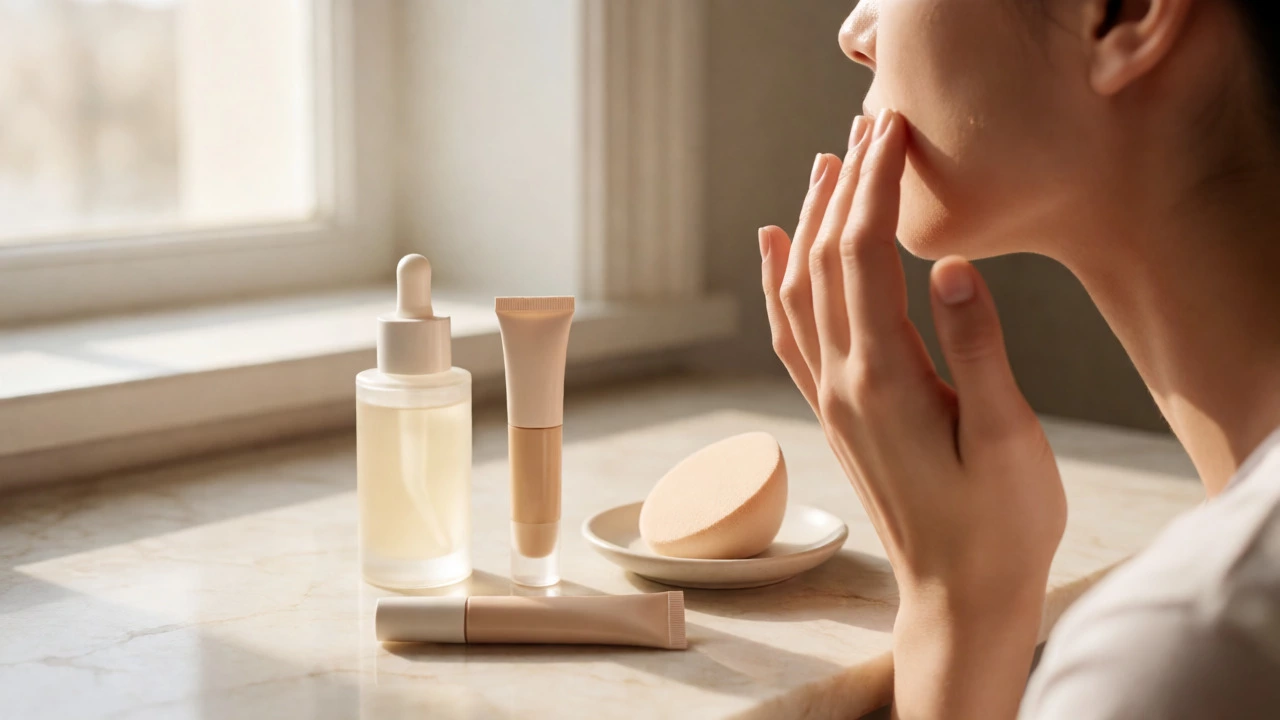
Before we touch a single pigment, let’s talk about the canvas. You can have the most expensive foundation in the world, but if it sits on dry patches or slides off oily zones, it won’t look good. Skincare is the first step in makeup. A clean, moisturized face ensures longevity and texture.
Once your skin is prepped, you need a base. This is where many people go wrong by trying to cover everything at once. Instead of a full-coverage foundation that masks your personality, consider a tinted moisturizer or a light-coverage liquid foundation. These blend seamlessly, letting your natural skin texture show through while evening out redness or discoloration. For those with specific concerns like dark circles or blemishes, a creamy concealer is non-negotiable. Look for one with hydrating ingredients like hyaluronic acid if you have dry under-eyes, or a matte formula if you’re prone to creasing.
| Skin Type | Recommended Base | Why It Works |
|---|---|---|
| Dry | Tinted Moisturizer / Dewy Foundation | Adds hydration; prevents cakey appearance |
| Oily | Matte Liquid Foundation / Powder Foundation | Controls shine; lasts longer without sliding |
| Combination | Satin Finish Foundation | Balances oil production and dryness |
| Mature | Lightweight Serum Foundation | Doesn't settle into fine lines |
Defining Structure: Brows and Contour
If there is one area that frames your entire face, it’s your eyebrows. They anchor your features and provide symmetry. You don’t need a complex brow gel system with five steps. A simple angled brush and a matte eyeshadow or brow pomade in a shade close to your hair color will do the job. Fill in sparse areas with light, feathery strokes. Avoid drawing hard lines-nature isn’t linear. If you want extra hold, a clear brow gel keeps hairs in place without adding color.
Next comes contouring. Forget the dramatic, snatched look from Instagram tutorials unless you’re heading to a gala. For daily wear, subtle definition is key. A cream contour stick is often easier to blend than powder, especially for beginners. Apply it slightly below your cheekbones and along the jawline, then blend well with a damp sponge or dense brush. The goal is shadow, not dirt. Similarly, a touch of blush brings life to the face. Cream blushes melt into the skin better than powders, giving that "just pinched" glow rather than a dusty look.
Eyes That Pop: Mascara and Eyeliner
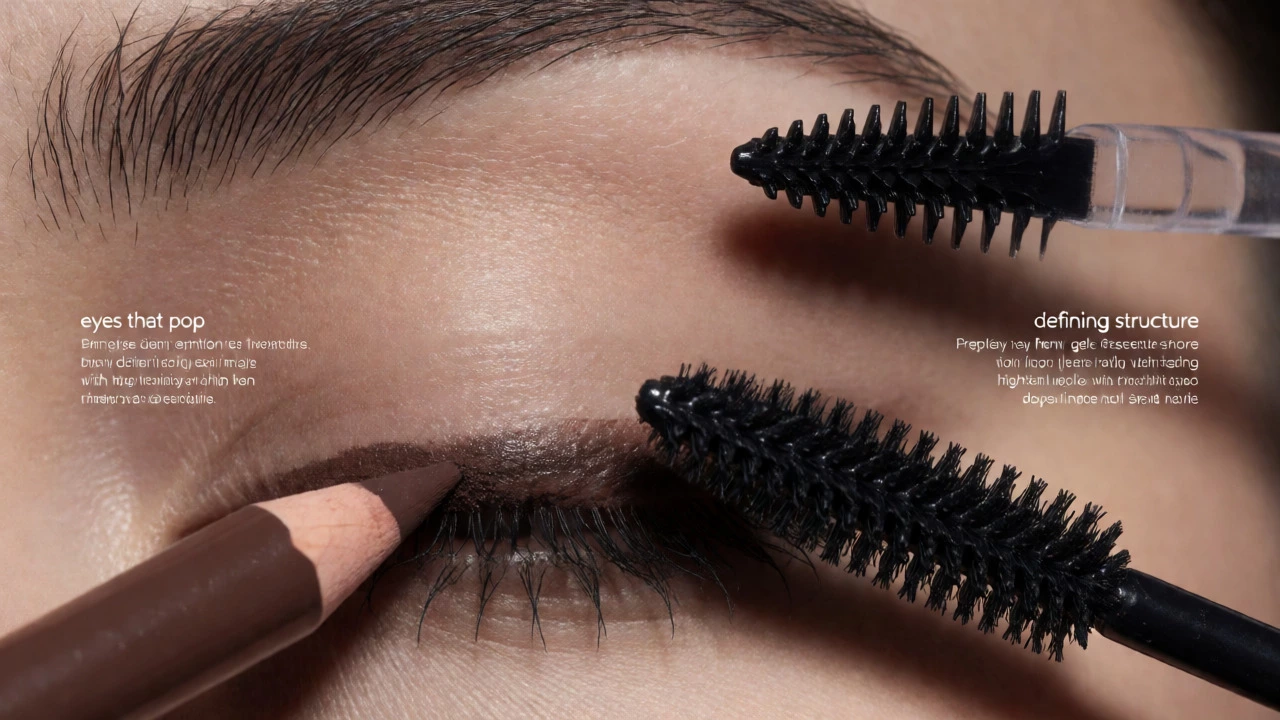
You can skip eyeshadow entirely if you’re short on time, but mascara is a game-changer. It instantly opens up the eyes, making you look awake and alert. Choose a formula based on your lashes: volumizing for thin lashes, lengthening for short ones, or waterproof if you cry during movies (or live in a humid climate). Don’t forget the lower lashes-a quick coat balances the upper lash line.
Eyeliner is another high-impact, low-effort tool. A brown pencil liner is far more forgiving than black liquid liner. Smudge it slightly along the upper lash line for a soft definition. If you want intensity, use a black gel liner with a small angled brush. It gives precision without the drying time or mess of liquids. Remember, less is usually more. You can always add more product, but taking it off mid-routine is annoying.
Lips: The Finishing Touch
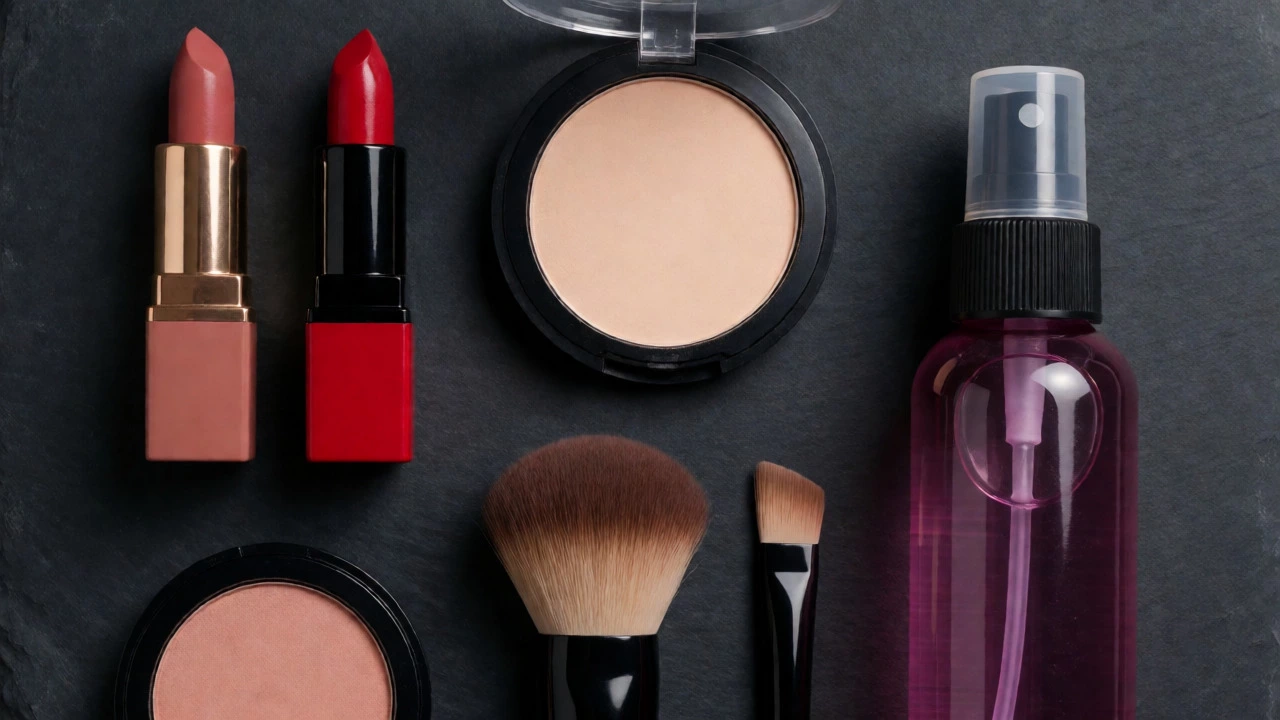
Lipstick transforms a bare face into a finished look faster than anything else. But sticking to one tube limits your versatility. Ideally, own two shades: a nude that matches your natural lip tone for daytime, and a bold color (red, berry, or brick) for evenings or when you need a confidence boost. Lip liners aren’t just for preventing feathering anymore; they help define shape and extend wear time. If you prefer comfort over lasting power, tinted lip balms offer hydration with a wash of color, perfect for office environments or casual weekends.
Tools and Setting: Making It Last
Products are only as good as the tools you use to apply them. You don’t need thirty brushes. Three core tools cover 90% of applications: a damp beauty sponge for foundation and concealer, a fluffy blending brush for blush and contour, and a small angled brush for brows and eyeliner. Clean these weekly. Dirty brushes harbor bacteria and cause breakouts, which defeats the purpose of wearing makeup.
Finally, setting your makeup ensures it survives the day. Translucent powder mattifies oily zones (T-zone) without adding color. Use a light hand-too much powder looks flat. For dry skin, skip powder altogether or use it only under the eyes. A setting spray locks everything in place, melting powder products into the skin for a more natural finish. Think of it as a sealant for your artwork.
Building Your Kit: Prioritization Tips
Not sure where to start buying? Follow this priority list based on impact:
- Concealer: Fixes immediate imperfections; highest visibility.
- Mascara: Instantly defines eyes; requires no skill.
- Brow Product: Frames the face; corrects asymmetry.
- Blush: Adds health and dimension; easy to apply.
- Lip Color: Completes the look; versatile.
- Foundation/Tinted Moisturizer: Evens skin tone; optional if skin is clear.
Start with one item from each category. Test them for a week before buying more. Pay attention to how they feel after eight hours. Does the foundation separate? Does the mascara flake? Return what doesn’t work. Beauty is personal, and what works for a friend might not work for you.
Frequently Asked Questions
Do I really need foundation if I have good skin?
No. If your skin tone is even and free of major discoloration, skip foundation. Use concealer only where needed (under eyes, spots) and rely on bronzer or blush for dimension. This approach feels lighter and looks more natural.
How many makeup brushes do I actually need?
You can get away with three: a dense sponge for liquids, a fluffy brush for powders/blush, and a small angled brush for details. Many modern products also come with applicators that work fine for beginners.
Is expensive makeup worth it for essentials?
It depends on the product. Foundations and concealers often benefit from higher price points due to better pigmentation and wear technology. However, mascaras, lipsticks, and bronzers from drugstore brands frequently perform just as well as luxury counterparts. Save money on trend-driven items.
What is the difference between cream and powder makeup?
Creams blend into the skin for a dewy, natural finish and are great for dry skin. Powders offer more coverage and oil control, making them ideal for oily skin. You can mix both-apply cream blush first, then set lightly with powder.
How long does makeup last before expiring?
Liquid products like foundation and mascara typically last 6-12 months. Powders and pencils can last 2-3 years. Always check the Period After Opening (PAO) symbol on packaging. Discard any product that smells odd or changes texture.