Cosmetic Routine Builder
Not sure where to start? Answer three simple questions to get a personalized recommendation for your first three essential cosmetics.
You walk into a drugstore or scroll through an online beauty retailer, and suddenly you’re drowning in options. Lipstick, foundation, moisturizer, mascara, concealer, serum-the list seems endless. If someone asks you, "What are three examples of cosmetics?" your mind might go blank for a second. Is soap a cosmetic? Is shampoo? The line between hygiene products and cosmetics can feel blurry, but understanding the difference is key to building a routine that actually works for you.
At its core, cosmetics are substances or preparations intended to be applied to external parts of the human body-skin, hair, nails, lips, and teeth-to cleanse, perfume, alter appearance, correct odors, protect, or keep them in good condition. That definition covers a massive range of items, from the lip balm in your pocket to the anti-aging cream on your nightstand. But when people ask for examples, they usually mean specific categories that serve distinct purposes: enhancing color, covering imperfections, or maintaining skin health. Let’s break down three clear, common examples that illustrate just how diverse this world really is.
Lipstick: The Iconic Color Cosmetic
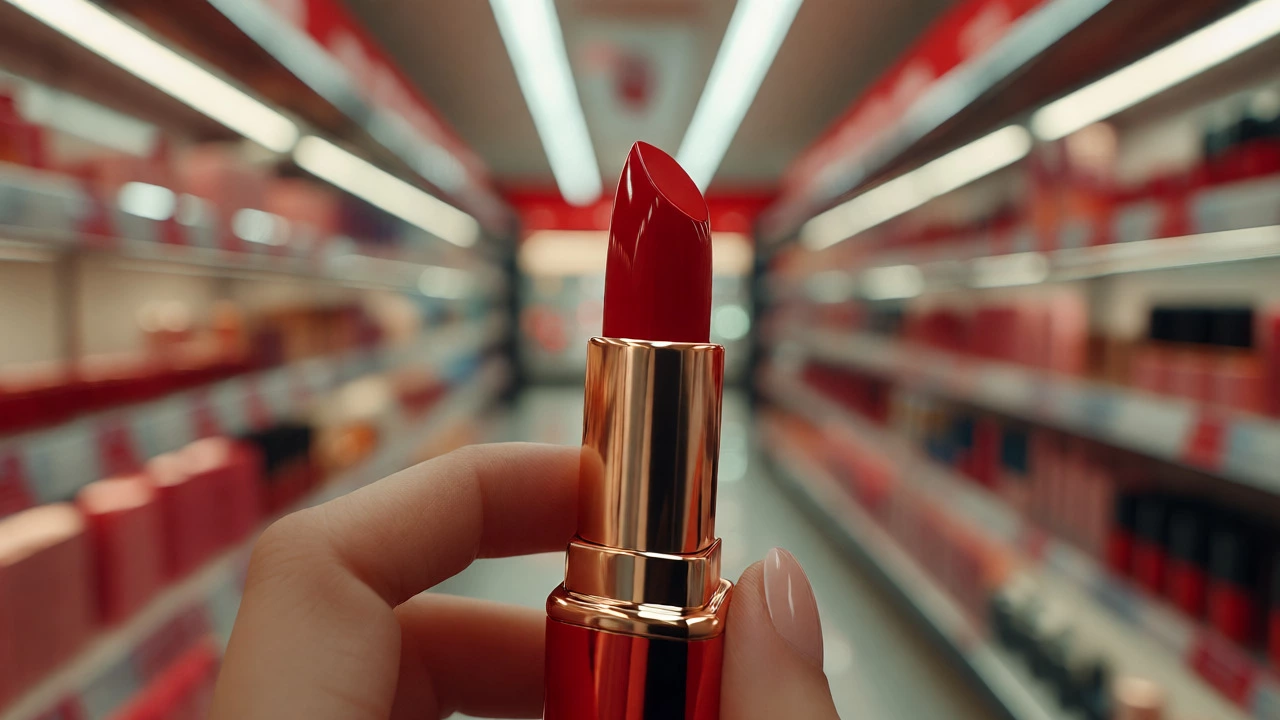
If there’s one product that screams "cosmetic," it’s lipstick. It’s been around for thousands of years, evolving from crushed beetles and berries in ancient Egypt to the sophisticated formulas we see today. Lipstick falls squarely under the category of decorative cosmetics because its primary job is to change the appearance of the user. It adds color, defines shape, and often provides a finish-whether matte, glossy, or satin.
Why is lipstick such a perfect example? Because it demonstrates the dual nature of modern cosmetics: function and fashion. Today’s lipsticks aren’t just about pigment; they’re infused with hydrating ingredients like hyaluronic acid, vitamin E, and shea butter. This blurs the line between makeup and skincare, showing how the industry has shifted toward multi-benefit products. When you apply a tube of red lipstick, you’re not just adding color; you’re potentially protecting your lips from dryness and UV damage if the formula includes SPF. It’s a small item, but it packs a lot of chemical engineering into a tiny stick.
Foundation: The Canvas of Complexion
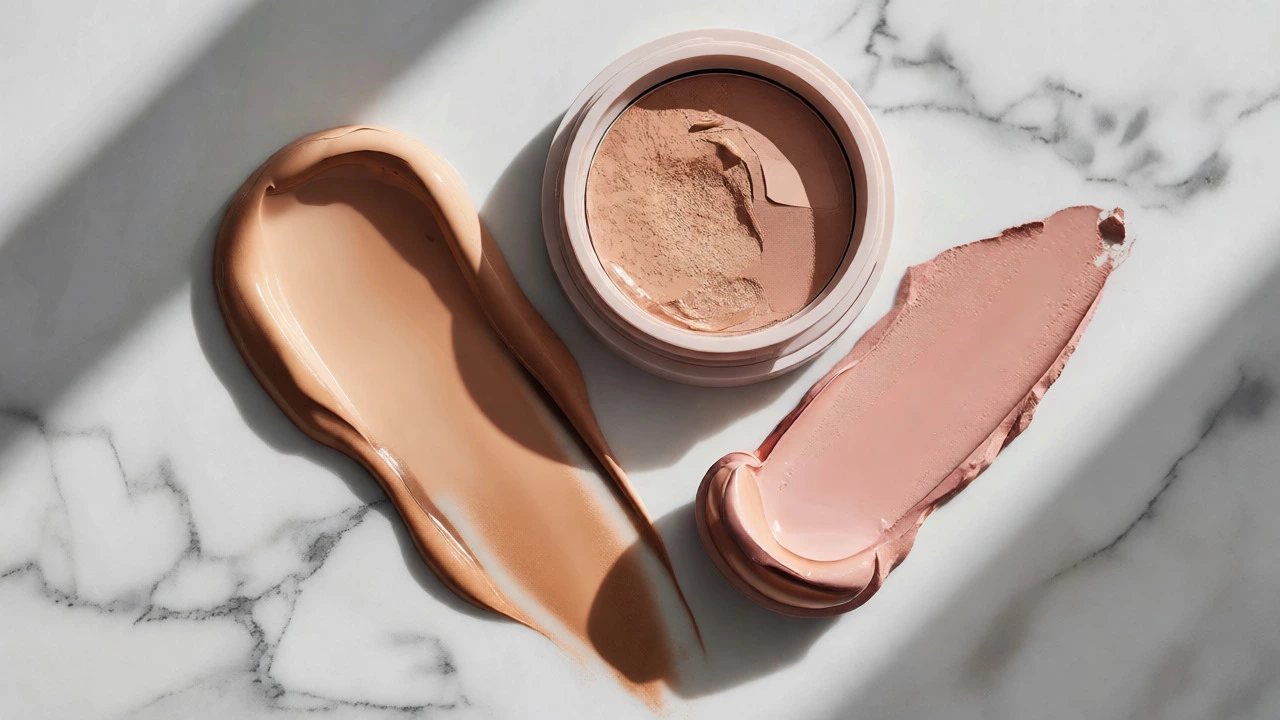
If lipstick changes your features, foundation sets the stage for everything else. Foundation is a skin-toned cosmetic used to create an even base across the face. It comes in liquid, cream, powder, and stick forms, each designed for different skin types and desired finishes. For someone with oily skin, a matte powder foundation might control shine all day, while someone with dry skin might prefer a dewy liquid formula that adds hydration.
Foundation is a prime example of corrective cosmetics. Its goal isn’t necessarily to add bold color like blush or eyeshadow, but to neutralize uneven tone, hide redness, cover acne scars, or minimize the look of pores. Think of it as digital photo editing in real life. You wouldn’t wear heavy foundation to a beach day, but you might reach for a tinted moisturizer-a lighter version of foundation-that offers sheer coverage and sun protection. This variation highlights another crucial aspect of cosmetics: customization. There is no single "right" foundation; the best choice depends entirely on your skin type, climate, and personal preference.
Moisturizer: The Protective Skincare Cosmetic
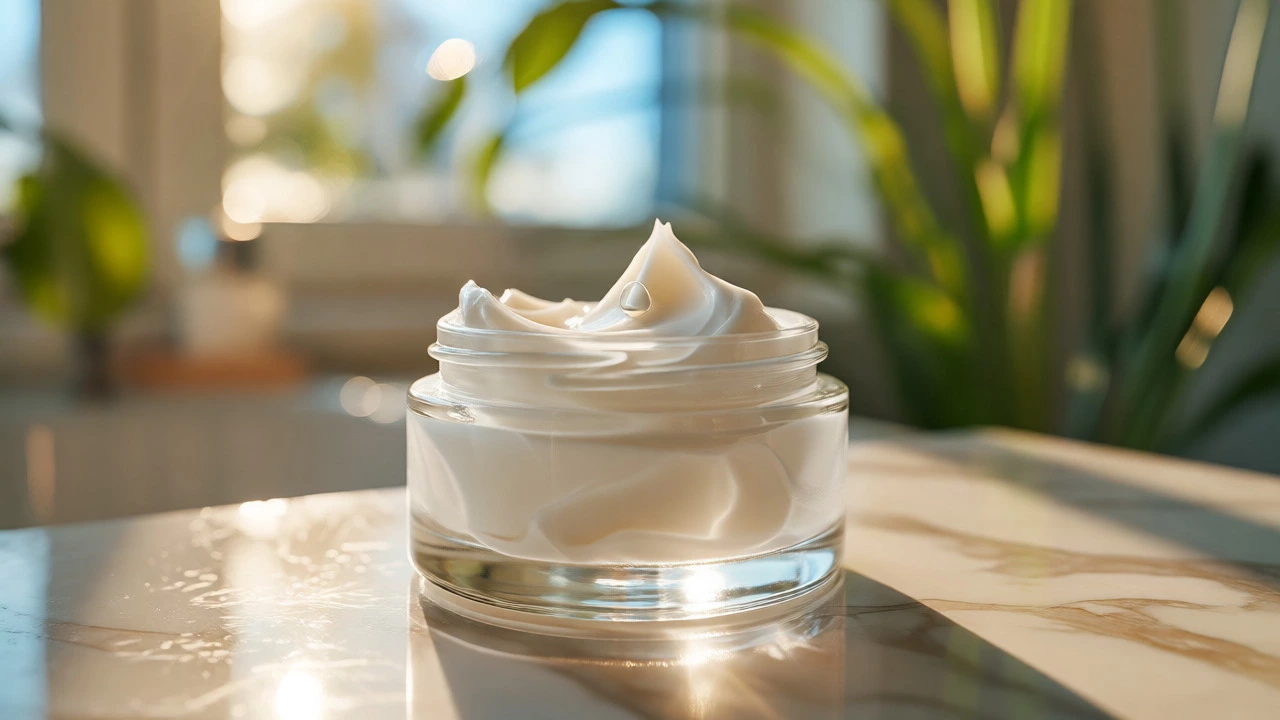
Here’s where things get interesting. Many people don’t think of moisturizer as a cosmetic. They view it as skincare. But legally and technically, most daily facial creams fall under the cosmetic umbrella because they are applied externally to improve the condition and appearance of the skin. Unlike prescription drugs, which treat diseases, moisturizers work by creating a barrier that locks in water and protects against environmental stressors like wind and pollution.
Moisturizers demonstrate the "protective" and "maintaining" aspects of the cosmetic definition. A good moisturizer doesn’t just sit on top of your skin; it interacts with it. Ingredients like ceramides repair the skin barrier, glycerin draws moisture from the air, and occlusives like petrolatum prevent water loss. While it doesn’t change your color like lipstick or foundation, it significantly impacts how healthy and radiant your skin looks. In fact, many foundations now include moisturizing agents, proving that the boundary between "makeup" and "skincare" is thinner than ever. If you only buy three cosmetics, a moisturizer should probably be first on the list-it’s the foundation (pun intended) of any beauty routine.
| Cosmetic Type | Primary Function | Common Formulations | Key Benefit |
|---|---|---|---|
| Lipstick | Decorative / Color Enhancement | Matte, Glossy, Satin, Tinted Balm | Adds immediate visual impact and defines facial features. |
| Foundation | Corrective / Even Tone | Liquid, Cream, Powder, Stick | Creates a uniform canvas and hides skin imperfections. |
| Moisturizer | Protective / Maintenance | Lotion, Cream, Gel, Oil | Hydrates skin, strengthens barrier, and improves texture. |
Why These Three Examples Matter
Choosing these three examples isn’t random. They represent the three main pillars of the cosmetic industry: decoration, correction, and protection. Understanding this framework helps you shop smarter. If you’re looking to boost your mood before a presentation, you might reach for lipstick. If you have a big event and want flawless photos, foundation is your tool. If your skin feels tight after washing, moisturizer is the solution.
This categorization also helps with ingredient awareness. Decorative cosmetics like lipstick often contain pigments and waxes. Corrective ones like foundation may include silicones for smooth application. Protective ones like moisturizers rely on humectants and emollients. Knowing what you’re buying helps you avoid irritants. For instance, if you have sensitive skin, you might skip heavily fragranced foundations and opt for fragrance-free moisturizers instead.
Common Misconceptions About Cosmetics
A lot of confusion stems from thinking cosmetics are only for "making up" your face. But consider sunscreen. Is it a cosmetic? Yes, if it’s marketed for cosmetic benefits like reducing the appearance of fine lines or evening skin tone, in addition to UV protection. What about deodorant? It’s a cosmetic because it alters odor and protects the skin, even though it’s not visible. Shampoo? Also a cosmetic, as it cleanses and perfumes the hair.
The distinction matters because regulations differ. In New Zealand, for example, the Ministry of Health oversees therapeutic goods, but general cosmetics follow different safety standards compared to medicines. If a product claims to "cure" acne, it’s likely a medicine. If it claims to "reduce the appearance" of acne, it’s a cosmetic. This subtle wording shift determines how the product is tested and approved. So, when you pick up that moisturizer, remember: it’s improving your skin’s look and feel, not necessarily treating a medical condition.
Building Your First Cosmetic Kit
So, you’ve got your three examples: lipstick, foundation, and moisturizer. How do you start using them without wasting money? Start with the basics. Choose a moisturizer suited to your skin type-oily, dry, combination, or sensitive. Test it for a week to ensure no adverse reactions. Next, find a foundation shade that matches your jawline, not your hand. Lighting matters, so try it in natural daylight if possible. Finally, pick a lipstick color that complements your undertone. Warm undertones suit orange-reds and corals; cool undertones look great in blue-based pinks and berries.
Don’t feel pressured to buy expensive brands immediately. Many drugstore options perform just as well as high-end counterparts. Focus on formulation rather than packaging. Read ingredient lists. Look for non-comedogenic labels if you’re prone to breakouts. And always patch-test new products behind your ear before applying them to your face. This simple step can save you weeks of irritation.
Is soap considered a cosmetic?
Yes, soap is generally classified as a cosmetic because it is applied externally to cleanse the skin and improve its condition. However, some medicated soaps with active ingredients like salicylic acid may be regulated as over-the-counter drugs depending on their claims.
What is the difference between cosmetics and skincare?
Cosmetics focus on altering appearance, scent, or cleanliness, while skincare emphasizes long-term health and treatment of skin conditions. However, the lines blur with products like tinted moisturizers or anti-aging serums, which offer both cosmetic and therapeutic benefits.
Can men use cosmetics?
Absolutely. Cosmetics are not gender-specific. Men commonly use moisturizers, sunscreens, concealers, and brow gels. The market for male grooming products has grown significantly, offering formulations tailored to typical male skin concerns like oiliness and shaving irritation.
Are all cosmetics safe to use?
Most commercially available cosmetics undergo safety testing, but individual reactions vary. Always check for allergens, especially if you have sensitive skin. Look for terms like "dermatologist-tested" or "hypoallergenic" if you are prone to irritation, and always patch-test new products.
How long do cosmetics last once opened?
Shelf life varies by product. Moisturizers typically last 6-12 months after opening, foundations 12-18 months, and lipsticks up to 2 years. Check the Period After Opening (PAO) symbol on the packaging, which indicates how many months the product remains safe to use.