Beauty Subscription Matchmaker
Answer 3 quick questions to find out which beauty box matches your profile.
Your Best Match
- Est. Subscribers:
- Price Range:
- Best For:
When you scroll through your social media feed, it feels like everyone is unboxing a new curated collection of cosmetics and skincare products delivered monthly. But if you are trying to figure out which service actually has the biggest audience, the answer isn't always obvious. The landscape of beauty delivery services has shifted dramatically over the last few years. Some giants have vanished, while others have adapted to survive.
If you want to know exactly what subscription has the most subscribers in the beauty space right now, you need to look at current market data from 2026. The title of "biggest" usually goes to one specific player, but the definition of "subscriber" can be tricky. Are we counting active paying users? Lifetime sign-ups? Or just people who downloaded the app?
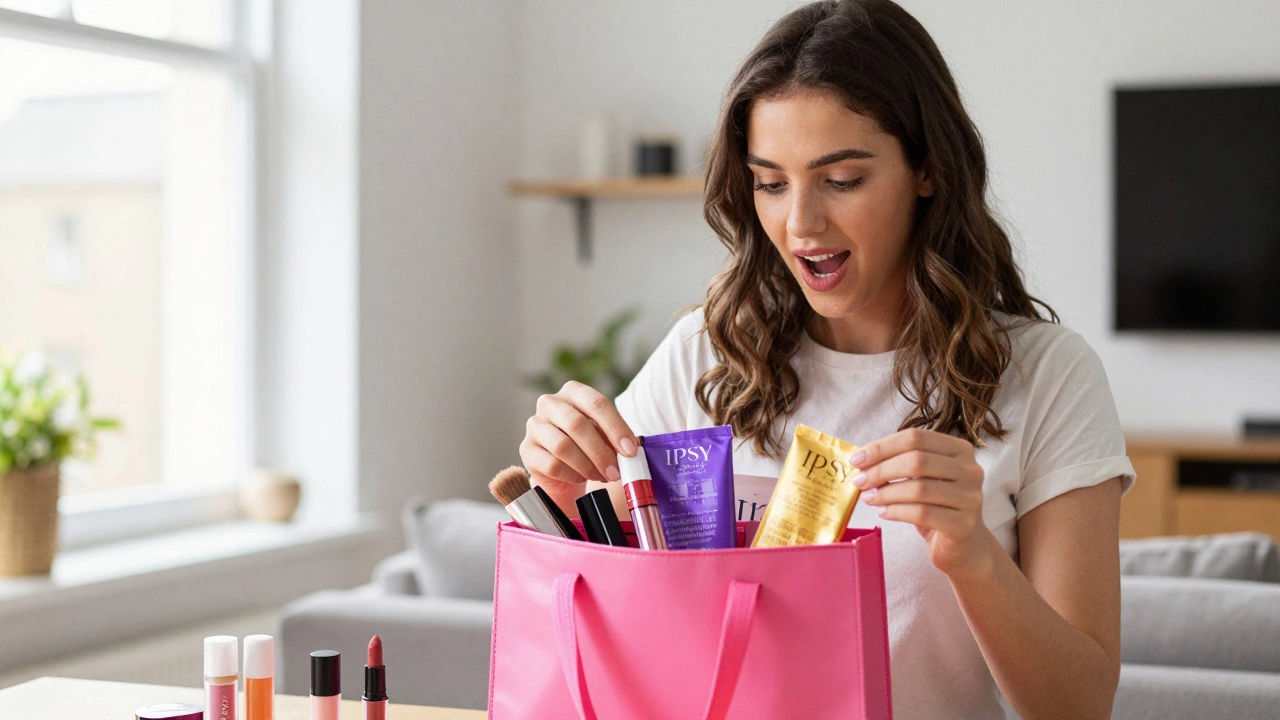
The Current Market Leader: Ipsy
As of early 2026, Ipsy is widely considered the largest beauty subscription service by active subscriber count. While exact real-time numbers are closely guarded trade secrets, industry estimates place Ipsy's active base between 4 million and 5 million recurring customers. This puts them significantly ahead of their closest competitors.
Ipsy won this spot not by accident. They mastered the art of low-friction entry. Their core model offers a "Glam Bag" for around $13 per month (before tax and shipping). This price point is accessible enough for college students and young professionals to try without much hesitation. Once inside, they use gamification-like choosing your profile preferences and seeing how many points you earn-to keep users engaged.
However, size comes with challenges. In recent years, Ipsy faced criticism for sending lower-quality samples rather than full-size products. To maintain its lead, they have had to pivot toward offering more full-size items in higher-tier plans and improving the personalization algorithm that matches products to skin types.
The Runner-Up: Birchbox
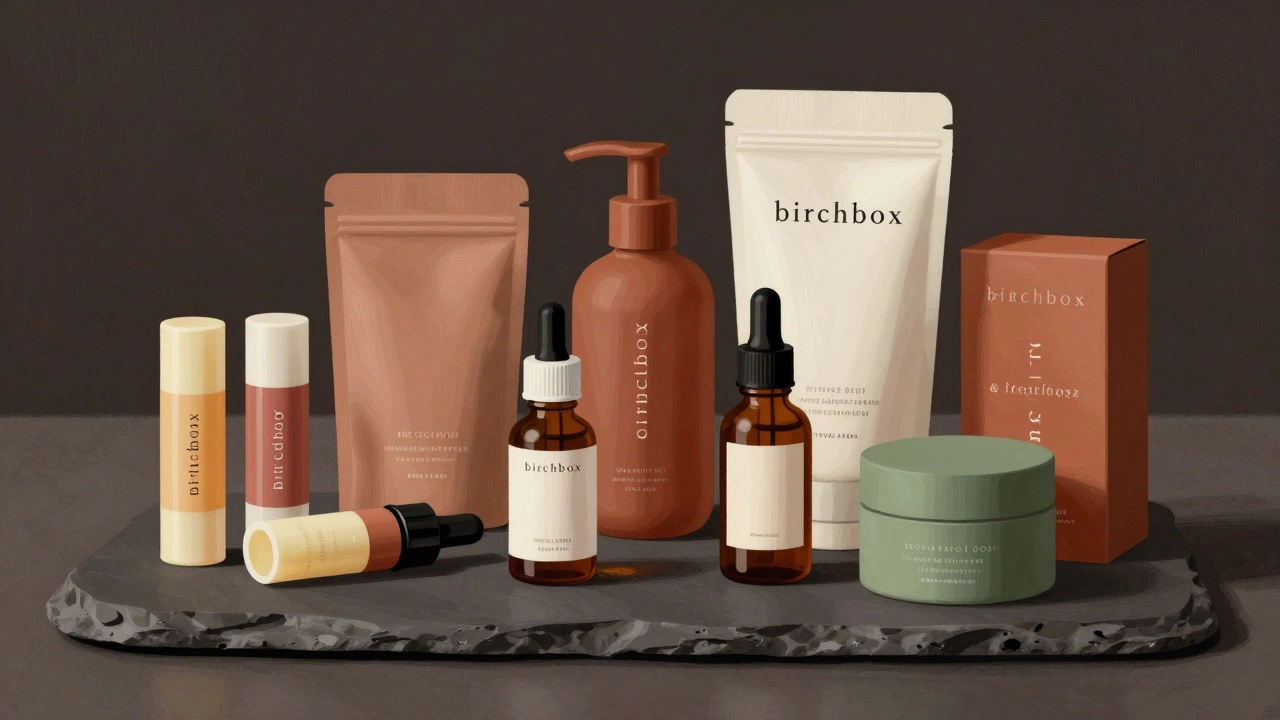
You cannot talk about the history of these boxes without mentioning Birchbox is a pioneer in the beauty discovery market that launched in 2010. Birchbox was arguably the first major player to popularize the concept of curated beauty samples. For a long time, they were the default answer to "what is the most popular beauty box."
In 2026, Birchbox still holds a strong second position, though their subscriber count is estimated to be roughly half that of Ipsy. Their strategy differs slightly. Birchbox focuses heavily on the "discovery" aspect. They partner with indie brands and niche labels that might not make it into big department stores. If you are looking for unique, lesser-known serums or artisanal lip balms, Birchbox is often the go-to recommendation.
Their pricing is similar to Ipsy, hovering around $15-$20 a month depending on promotions. However, Birchbox struggles with retention. Because their boxes are smaller and focused on tiny samples, some users feel less value compared to the larger bags from competitors. Yet, their brand loyalty among enthusiasts remains high.
The Dark Horse: Boxycharm
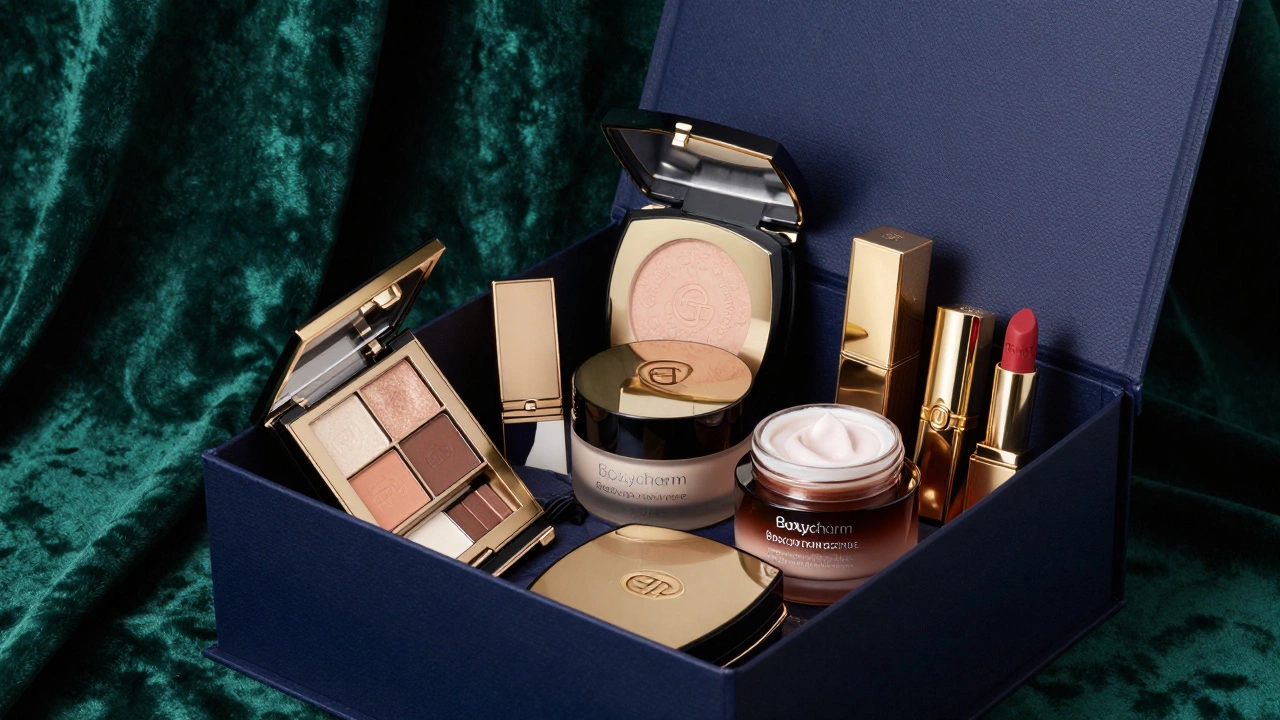
If you judge popularity by revenue per user rather than raw headcount, Boxycharm is a premium beauty subscription service known for full-size products. Boxycharm operates differently. Instead of charging a low monthly fee for samples, they charge $25 to $75+ per month for boxes containing full-size, high-end makeup and skincare.
Because of the higher price point, Boxycharm likely has fewer total subscribers than Ipsy-perhaps in the range of 1-2 million. However, their average order value is much higher. Many users treat Boxycharm as a way to test luxury brands before buying them individually. If you love heavy hitters like Charlotte Tilbury, Fenty Beauty, or Rare Beauty, Boxycharm frequently features these brands in rotation.
This makes Boxycharm the "most popular" choice for a different demographic: older consumers with disposable income who prefer quality over quantity. They aren't the biggest in number, but they are arguably the most influential in terms of driving sales for high-end cosmetic companies.
Why Exact Numbers Are Hard to Find
You might wonder why there isn't a single, definitive leaderboard updated daily. The reason is that most of these companies are private or do not disclose granular subscriber metrics in their public financial reports. When they do share numbers, they often mix "active subscribers" with "lifetime members" or "app downloads," which inflates the perception of their size.
For example, a company might claim "10 million users," but that could include everyone who ever signed up for a free trial five years ago. True "subscriber" count refers to people currently paying on a recurring basis. Industry analysts rely on third-party data aggregators and earnings call hints to estimate these figures. As of 2026, the consensus remains that Ipsy leads in volume, while Boxycharm leads in perceived value per box.
| Service | Est. Active Subscribers | Price Range/Month | Product Type | Best For |
|---|---|---|---|---|
| Ipsy | 4M - 5M | $13 - $25 | Samples & Mini Sizes | Budget-friendly variety seekers |
| Birchbox | 1.5M - 2M | $15 - $20 | Discovery Samples | Finding niche/indie brands |
| Boxycharm | 1M - 2M | $25 - $75+ | Full-Size Products | Luxury makeup lovers |
| Allure Beauty Box | Unknown (Smaller) | $25 | Curated Full-Sizes | Editorial-curated selections |
Other Notable Contenders
While the big three dominate the conversation, other services have carved out significant niches. Allure Beauty Box is a subscription service backed by Allure magazine that curates full-size products. It doesn't have the massive scale of Ipsy, but it benefits from the credibility of its parent publication. Users trust the editorial team to pick winners, reducing the risk of receiving junk.
Then there are specialized boxes. Birchbox Man (now often integrated into main platforms) targeted male grooming, while services like Glossier's occasional drops create hype cycles that rival subscription models. Additionally, direct-to-consumer brands like Prose (personalized hair care) and Curology (custom skincare) operate on subscription models but focus on single product categories rather than general beauty. These players are growing fast but don't yet compete with the multi-brand aggregators in total volume.
How to Choose the Right One for You
Knowing which box has the most subscribers is interesting, but it doesn't help you decide which one to buy. Popularity does not equal personal fit. Here is how to narrow it down based on your needs:
- Choose Ipsy if: You want the lowest entry price and enjoy the surprise element of getting small amounts of many different products. It is great for testing waters without committing to full sizes.
- Choose Boxycharm if: You prefer full-size items and are willing to pay more for recognizable, high-end brands. If you hate throwing away tiny sample vials, this is your best bet.
- Choose Birchbox if: You are an adventurous shopper who likes discovering new, independent brands that you won't find at Sephora or Ulta.
- Choose Allure if: You want expert curation. You trust professional editors to pick what works, rather than an algorithm guessing your preferences.
Trends Shaping the Future of Beauty Subscriptions
The market is evolving. In 2026, sustainability is no longer a buzzword; it is a requirement. Consumers are increasingly frustrated with plastic waste from packaging. Services that fail to offer eco-friendly options are losing subscribers to greener alternatives. Look for boxes that use recyclable materials or offer refillable containers.
Another trend is hyper-personalization. Early subscription boxes used simple quizzes ("Do you like pink or blue?"). Today, AI-driven algorithms analyze your skin tone, climate, and past ratings to predict what you will actually use. The boxes with the smartest tech are retaining users better because they reduce the "junk" factor.
Finally, the line between subscription and e-commerce is blurring. Many users subscribe for three months, then cancel to buy products directly from the brand websites. Companies are adapting by offering exclusive discounts to subscribers, making the recurring payment worthwhile even after you've found your favorite products.
Does Ipsy still have the most subscribers?
Yes, as of 2026, Ipsy is estimated to have the highest number of active paying subscribers among general beauty boxes, with a base ranging from 4 to 5 million users. Its low price point and wide accessibility contribute to this lead.
Is Birchbox bigger than Boxycharm?
In terms of total subscriber count, Birchbox likely has more users than Boxycharm. However, Boxycharm generates higher revenue per user because it sells full-size, premium products at a higher monthly cost.
Are beauty subscription boxes worth it in 2026?
It depends on your shopping habits. If you love trying new things and discover products you wouldn't buy otherwise, they are worth it. If you only stick to a few trusted brands, you may end up wasting money on items you never use.
Can I cancel my subscription anytime?
Most major services like Ipsy, Birchbox, and Boxycharm allow you to cancel anytime. However, you must usually cancel before the next billing cycle date to avoid being charged for the following month.
Which box is best for sensitive skin?
Ipsy and Birchbox both allow you to specify skin concerns and sensitivities in your profile. They aim to exclude products with ingredients you flag as problematic. However, always check the ingredient list upon arrival, as formulations can change.