Clean Beauty Brand Matcher
Your Profile
Recommended Brands
Select your preferences and click "Find My Match" to see personalized brand recommendations.
You walk into a drugstore or scroll through an online retailer, and you’re hit with a wall of labels. "Natural," "clean," "eco-friendly," "dermatologist-tested." It’s confusing, right? You want makeup that looks good but doesn’t mess with your hormones or irritate your skin. But here’s the hard truth: there is no single brand that is universally the "healthiest" for everyone. Why? Because "healthy" in cosmetics isn't a regulated term like "organic" food might be in some contexts. The FDA (in the US) and similar bodies elsewhere don't strictly define what makes a product "safe" beyond basic toxicity levels for certain banned substances.
So, if you’re asking what brand of cosmetics is the healthiest, you’re actually asking a different question: "Which brands are most transparent about their ingredients and least likely to contain known endocrine disruptors?" That’s a much more useful way to look at it. Your goal isn’t to find a magic bullet brand, but to learn how to spot the ones that prioritize ingredient integrity over marketing fluff. Let’s break down what actually matters when you’re hunting for safer options.
The Myth of the "Perfect" Healthy Brand
We love lists. "Top 10 Safest Brands!" But these lists often fail because they ignore context. A brand might use safe synthetic preservatives that work better for oily skin than a natural alternative that causes breakouts. Or they might avoid parabens but load up on fragrances, which are a top cause of contact dermatitis. The "healthiest" choice depends on your specific skin barrier, allergies, and values.
For instance, if you have eczema, a brand using oatmeal colloids and ceramides might be healthier for you than a trendy "all-natural" brand using essential oils, which can be potent allergens. If you’re pregnant, you might avoid retinoids entirely, regardless of whether they’re synthetic or naturally derived. So, stop looking for one winner. Start looking for brands that fit your biological needs.
Decoding Ingredient Lists: What to Watch Out For
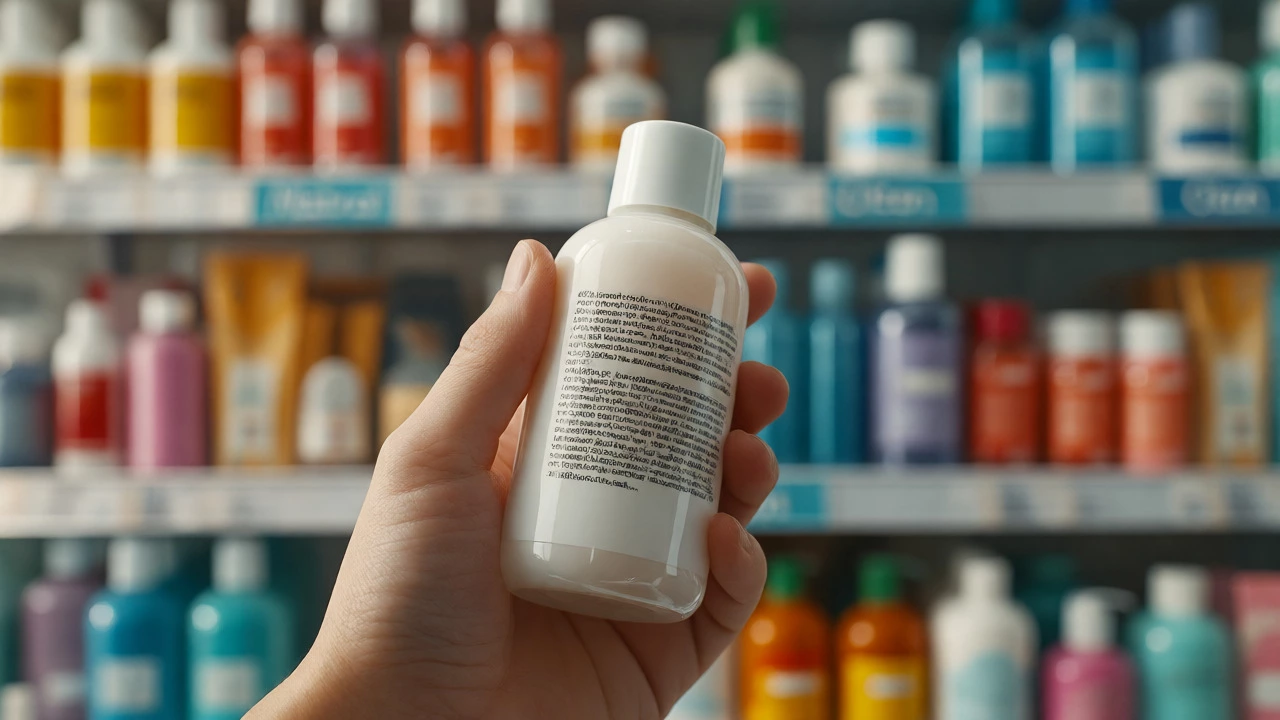
To judge a brand’s healthiness, you need to read the back label, not the front. This is where many people get stuck because INCI (International Nomenclature of Cosmetic Ingredients) names look like chemistry homework. Here are the big three red flags that usually disqualify a brand from being considered "clean" by modern standards:
- Fragrance/Parfum: This is a catch-all term. A company can hide hundreds of chemicals under this one word, including phthalates, which are linked to hormone disruption. If a brand says "fragrance-free" or uses only essential oils (and discloses them), that’s a green flag.
- Formaldehyde Releasers: Look for DMDM Hydantoin, Imidazolidinyl Urea, or Quaternium-15. These preserve products by slowly releasing formaldehyde, a known carcinogen, over time.
- Oxybenzone and Octinoxate: Common in sunscreens and some foundations, these chemical filters are suspected endocrine disruptors and harm coral reefs.
Conversely, look for brands that publish full ingredient lists and explain why they chose each component. Transparency is the new luxury.
| Feature | Traditional Drugstore Brands | Mid-Tier "Clean" Brands | High-End Organic/Niche Brands |
|---|---|---|---|
| Ingredient Transparency | Low; often vague terms like "fragrance" | Medium-High; clear labeling, avoids major suspects | Very High; often certifies every ingredient source |
| Preservative Systems | Strong synthetics (Parabens, Phenoxyethanol) | Milder synthetics or natural blends (Radish Root Ferment) | Natural extracts, minimal water content to reduce spoilage |
| Packaging | Plastic-heavy, mixed materials | Recyclable plastic, glass options | Glass, aluminum, compostable, refillable systems |
| Price Point | $ - $$ | $$ - $$$ | $$$ - $$$$ |
| Risk of Irritation | Higher due to fragrance/dyes | Lower; formulated for sensitivity | Variable; natural allergens possible |
Certifications That Actually Mean Something
Since "natural" is unregulated, certifications are your best friend. They act as third-party audits. Not all seals are created equal, though. Some are just pay-to-play stickers. Here are the ones that carry weight:
- EWG Verified™: Issued by the Environmental Working Group, this mark means the product meets strict standards for ingredient safety, manufacturing practices, and transparency. It’s rigorous and excludes many common irritants.
- USDA Organic: In the US, this requires at least 95% organic ingredients. It’s tough to get for cosmetics because water isn’t organic, so products with high water content rarely qualify unless they’re solid bars or oil-based.
- COSMOS Standard: A global standard for organic and natural cosmetics. If you see COSMOS Organic or COSMOS Natural, it’s a reliable indicator of strict sourcing and processing rules.
- Leaping Bunny: This guarantees no animal testing was done at any stage of production. While ethical rather than purely "health," cruelty-free processes often correlate with smaller, more careful manufacturers.
If a brand has none of these, check their website. Do they have a "No List" of excluded ingredients? Good brands will proudly list what they don’t use (e.g., "Free from Parabens, Sulfates, Silicones").
Brands Leading the Charge in Safety
While no brand is perfect, several have built their reputation on rigorous safety standards. Note that availability varies by region, but these are widely recognized globally.
Drunk Elephant is a skincare brand known for its "Suspicious 6" philosophy, which excludes essential oils, drying alcohols, silicones, chemical sunscreens, fragrances/dyes, and SLS. Their approach is scientific rather than purely natural, focusing on biocompatibility. They’re popular for acne-prone skin because they minimize inflammatory triggers.
Ilia Beauty bridges the gap between makeup and skincare. They use organic botanicals and sustainable packaging while ensuring their formulas meet EWG standards. Their Super Serum Skin Tint SPF 40 is a cult favorite because it hydrates while providing coverage without heavy occlusives.
Tata Harper represents the high-end organic segment. This Swiss brand formulates, manufactures, and packages everything in-house using 100% natural ingredients. Because they control the entire supply chain, contamination risks are low. However, their rich textures may feel heavy for oily skin types.
Burt’s Bees offers accessible entry-level clean beauty. Known for beeswax-based balms and lip care, they have expanded into broader skincare with generally simple, recognizable ingredient lists. Always double-check their newer products, as mass-market expansion sometimes introduces complex emulsifiers.
Don’t overlook store brands like The Ordinary. While not "organic," they provide bare-bones formulations with high concentrations of active ingredients and minimal fillers. For someone wanting effective treatment without unnecessary additives, this is often healthier than a fancy cream with 50 ingredients.

DIY and Minimalism: The Ultimate Healthy Choice?
Sometimes, the healthiest option is buying less. Multi-tasking products reduce exposure to multiple preservatives and fragrances. A single tinted moisturizer with SPF replaces foundation, primer, and sunscreen. A multi-use balm works on lips, cheeks, and cuticles.
Consider minimalist routines. If you use fewer products, you lower the cumulative toxic load on your skin barrier. This is especially true for sensitive individuals. Before buying a new serum, ask yourself: do I really need this step? Often, a gentle cleanser, a moisturizer with ceramides, and a mineral sunscreen are all you need.
How to Vet a New Brand Yourself
Ready to shop? Use this quick checklist before adding anything to your cart:
- Check the App: Download the EWG Skin Deep app or Yuka. Scan the barcode. If it scores poorly, skip it.
- Read the First Five Ingredients: These make up the bulk of the product. If alcohol denat is second, it might dry you out. If water is first, ensure there are effective preservatives.
- Look for Specific Claims: Avoid "non-toxic" (vague). Look for "hypoallergenic," "non-comedogenic," or specific allergy claims.
- Test Patch: Even the safest brand can trigger a reaction. Apply a small amount behind your ear or on your inner arm for 24 hours before using it on your face.
Remember, healthy skin starts with a healthy barrier. Sometimes, stripping away harsh actives and returning to basics is the most radical change you can make. Don’t let marketing pressure you into buying ten new bottles. Pick two or three that align with your skin type and stick with them. Consistency beats novelty every time.
Is expensive always healthier?
Not necessarily. Price often reflects packaging, marketing, and scent complexity rather than ingredient safety. A $10 mineral sunscreen from a pharmacy brand can be just as safe and effective as a $50 designer version. Focus on the ingredient list, not the price tag.
Are natural ingredients always safe?
No. Poison ivy is natural, but it causes rashes. Essential oils like lavender and tea tree are natural but are frequent allergens. Synthetic ingredients can be highly purified and safer than natural ones, which vary in potency depending on harvest conditions. Safety depends on purity and concentration, not origin.
What does "clean beauty" actually mean?
It’s an industry term, not a legal definition. Generally, it implies products free from ingredients suspected of harming human health or the environment, such as parabens, sulfates, and phthalates. Since it’s unregulated, always verify claims with third-party certifications like EWG Verified or USDA Organic.
Can I still use conventional makeup if I remove it properly?
Yes, but residue remains. Studies show that traces of lipstick and foundation can persist even after washing. If you’re concerned about long-term exposure to endocrine disruptors, switching to cleaner alternatives reduces cumulative risk. Proper removal helps, but prevention via ingredient selection is more effective.
Why do some "organic" brands smell strong?
Because they lack synthetic masking agents, raw ingredients like plant extracts, clays, or essential oils retain their natural scent. This isn’t necessarily bad, but if the smell is overpowering, it might indicate high concentrations of potential allergens. Fragrance-free options are available if scent sensitivity is an issue.