Find Your Perfect Color Palette
Discover which colors make you look vibrant and youthful, and which ones might be adding years to your face.
Step 1: The Vein Test
Look at the veins on the inside of your wrist in natural light. What color do they appear?
Blue or Purple
Suggests Cool UndertonesGreenish
Suggests Warm UndertonesHard to Tell
Suggests Neutral UndertonesStep 2: The Jewelry Test
Which metal jewelry tends to look better against your skin?
Silver
Looks brighter and more harmoniousGold
Complements your complexion bestBoth Equally
No clear preferenceStep 3: The White Shirt Test
When wearing a crisp white shirt versus an ivory/cream one, which makes your skin look healthier?
Pure Bright White
Makes me look radiant and awakeIvory or Cream
Softens my features and looks warmerColors That Make You Look Youthful ✨
These shades will brighten your complexion and reflect light beautifully:
Colors That May Age You ⚠️
Be cautious with these shades as they can create harsh contrast or wash you out:
Pro Styling Tip
Have you ever walked into a room wearing your favorite bright yellow sweater and felt like everyone was staring at your wrinkles instead of your outfit? It’s not just in your head. Color has a massive impact on how we perceive age. While skincare routines and facial treatments play a huge role in maintaining a youthful glow, what you wear-and specifically the colors you choose-can add or subtract years from your face in seconds.
We often think of aging as a biological process, but it is also an optical one. Certain hues can wash out your complexion, highlight fine lines, or create shadows that make you look tired and older than you are. Understanding the relationship between color theory and human perception is key to looking your best at any age. Let’s break down which colors tend to age us and, more importantly, how to use color to your advantage.
The Science Behind Color and Perception
To understand why certain colors make you look older, we need to look at contrast and saturation. As we age, our skin loses melanin production, leading to uneven pigmentation, age spots, and a generally paler complexion. This change in skin tone means that high-contrast combinations can become harsh rather than striking.
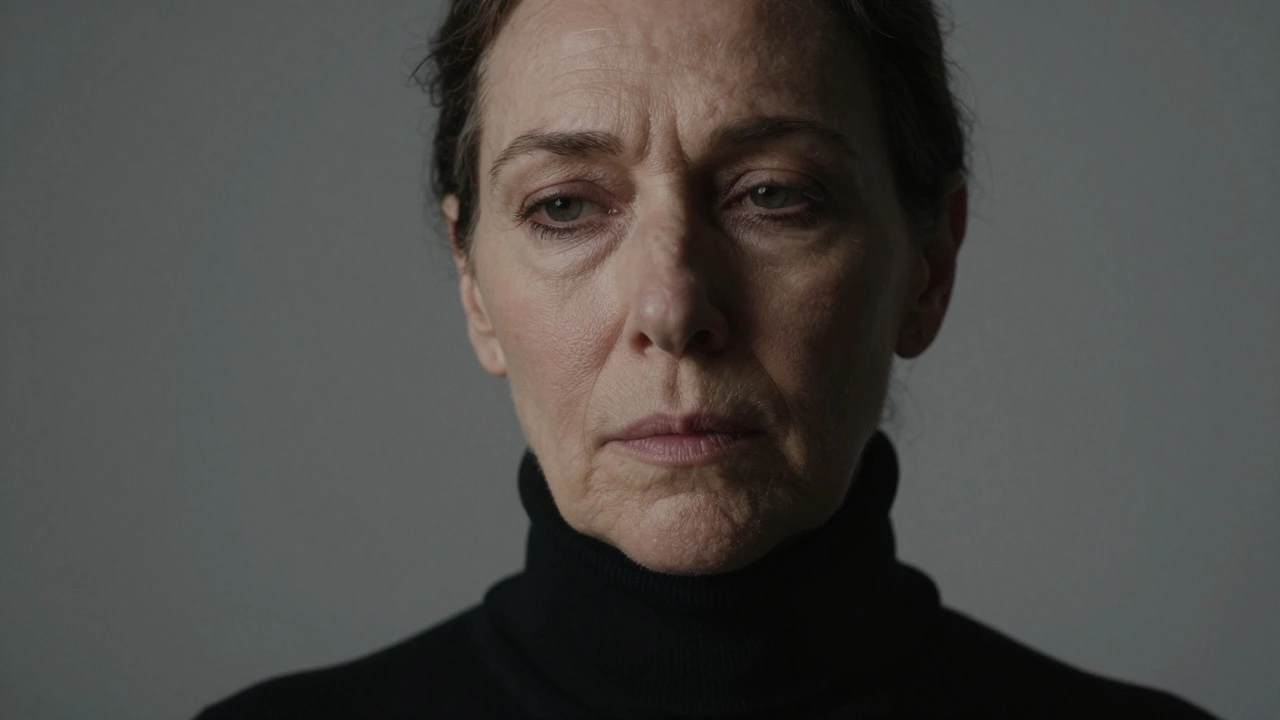
Color Theory is the body of practical guidance to color mixing and the visual effects of a specific combination of colors. In the context of beauty, it dictates how light reflects off your skin. When a color is too dark against pale skin, it creates a stark boundary that draws attention to the edges of your face, emphasizing hollows and shadows. Conversely, colors that are too neon or overly saturated can reflect light back onto the face in a way that highlights texture and imperfections.Think about black. For decades, black has been the go-to for a slimming effect. But on the face, pure black can be unforgiving. If you wear a black top close to your face without any framing (like a necklace or a lighter scarf), it acts like a void. Your face becomes the only source of light in the frame, making every shadow under your eyes and around your mouth more pronounced. This is why many mature women find that swapping black for charcoal, navy, or deep plum instantly softens their features.
The Top Colors That Add Years to Your Face
Not all bad colors are created equal. Some shades are subtle offenders, while others are instant aging triggers. Here are the main culprits to watch out for:
- Pure Black: As mentioned, it creates high contrast that emphasizes shadows. It can make your skin look sallow if you don’t have naturally high contrast features.
- Neon Brights: Fluorescent pinks, greens, and oranges vibrate visually. They draw the eye away from your eyes and lips and toward the fabric, but they also cast unflattering green or orange reflections onto your skin, highlighting redness or sallowness.
- Muddy Browns: Brown is tricky. Dark chocolate brown can work, but medium muddy browns often blend too closely with common skin undertones, creating a 'muddy' effect that looks dull and lifeless. It lacks the clarity needed to brighten the complexion.
- Cool Pastels: While pastels are trendy, icy blues and lavenders can wash out fair skin, making you look pale and sickly rather than fresh. Warm pastels like peach or cream are usually safer bets.
- Bright White: Similar to black, stark white creates extreme contrast. Off-white, ivory, or cream tones are much softer and reflect light gently onto the face, acting like a natural diffuser.
Finding Your Perfect Palette: Undertones Matter
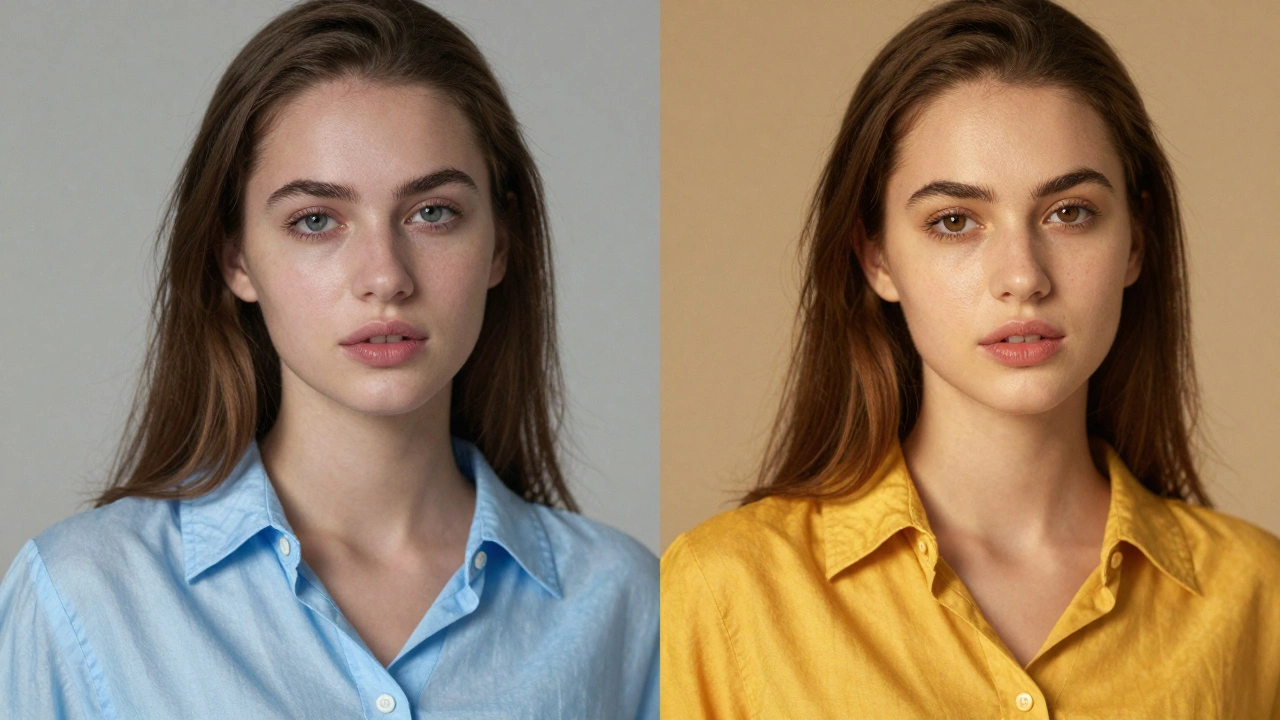
The most important factor in determining which colors age you isn't the color itself, but how it interacts with your Skin Undertone, which is the subtle hue beneath the surface of your skin that determines which colors flatter you most. Everyone has an undertone: warm, cool, or neutral. Getting this wrong is the fastest way to look tired.
| Undertone | Flattering Colors (Youthful) | Aging Colors (Avoid) |
|---|---|---|
| Warm (Gold/Jewelry looks better) |
Earth tones, olive green, mustard yellow, coral, cream, camel | Icy pastels, pure black, stark white, cool grays |
| Cool (Silver jewelry looks better) |
Jewel tones, royal blue, emerald green, magenta, lavender, crisp white | Orange, mustard, beige, muddy browns, neon yellow |
| Neutral (Both metals look good) |
Soft jewel tones, dusty rose, teal, charcoal gray, soft white | Extreme neons, harsh blacks, very muddy tones |
If you have warm undertones, wearing cool, icy colors can make your skin look grayish or washed out. If you have cool undertones, wearing heavy earth tones like rust or mustard can make you look sallow and tired. Finding your balance is crucial. A simple test? Look at your veins in natural light. Greenish veins suggest warm undertones; bluish veins suggest cool undertones.
Makeup Mistakes: When Color Goes Wrong
Clothing isn’t the only place where color impacts your perceived age. Makeup choices can either lift your features or drag them down. The biggest offender here is foundation shade. Using a foundation that is too light or too dark creates a mask-like effect that ages you instantly. Match your foundation to your neck, not your chest, to avoid a disjointed look.
Lipstick is another critical area. As we age, our lips lose pigment and volume. Wearing nude lipsticks that are too close to your natural lip color can make your mouth disappear, which is often associated with aging. Instead, opt for colors with a bit of depth and warmth, like berry, brick red, or soft coral. These shades define the lips and bring color back to the face. Avoid matte finishes if your lips are dry; a satin or creamy finish adds dimension and hydration.
Eyeshadow choices matter too. Shimmery, glittery shadows can settle into fine lines around the eyes, emphasizing crow's feet. Stick to matte or satin finishes in neutral tones like taupe, soft brown, or muted plum. These colors define the eye without adding texture that catches light in unwanted ways.
Strategic Styling Tips for a Youthful Look
You don’t have to throw out your wardrobe. With a few strategic adjustments, you can make almost any color work for you. Here are some practical tips:
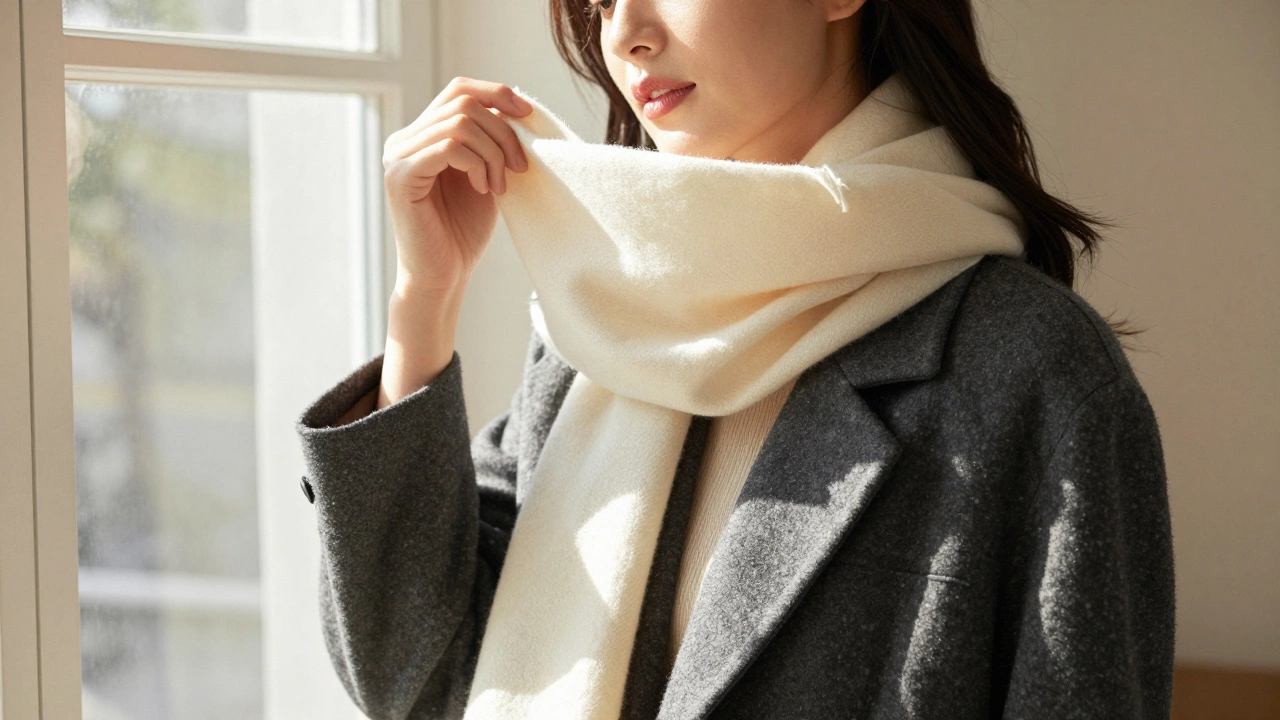
- Use Scarves and Jewelry: If you love a black top, wear a colorful scarf or a gold necklace near your face. This breaks up the harsh contrast and brings a flattering color closer to your skin.
- Layering is Key: Wear a lighter colored shirt underneath a darker jacket. The collar of the inner shirt will frame your face with a brighter, softer hue.
- Focus on Saturation: Instead of avoiding dark colors entirely, adjust the saturation. A deep burgundy is often more flattering than a flat black because it has warmth and depth.
- Test in Natural Light: Always check how a color looks on you in natural daylight. Store lighting can distort colors significantly, leading to poor purchasing decisions.
- Consider Hair Color: Your hair color changes over time. If your hair has gone gray or silver, your overall contrast level has decreased. Adjust your clothing palette to match this new lower-contrast reality. Soft, mid-tone colors often work better than high-contrast extremes.
The Role of Facial Treatments in Color Perception
While clothing and makeup are external factors, the condition of your skin plays a foundational role. Even the best color choice won’t save you if your skin is dull or dehydrated. Healthy, hydrated skin reflects light evenly, making colors appear more vibrant and flattering.
Incorporating basic Skincare practices such as daily moisturizing and sun protection helps maintain skin elasticity and evenness. Treatments like chemical peels or microdermabrasion can remove dead skin cells that cause dullness, allowing your chosen colors to interact with a smoother, brighter canvas. Remember, color enhances your natural features; it doesn’t replace healthy skin.
Does black really make you look older?
Black can make you look older if worn directly next to the face without any framing. It creates high contrast that emphasizes shadows and fine lines. However, wearing black further from the face or pairing it with a bright accessory can mitigate this effect.
What is the most youthful color to wear?
There is no single 'most youthful' color for everyone. It depends on your skin undertone. Generally, soft jewel tones, warm corals, and creams tend to be universally flattering because they add warmth and brightness without being overwhelming.
How do I know my skin undertone?
Look at your veins in natural light. If they appear green, you likely have warm undertones. If they appear blue or purple, you have cool undertones. If you can't tell, you might be neutral. Another test is seeing whether gold or silver jewelry looks better on you.
Can makeup reverse the aging effect of bad colors?
Makeup can help counteract some effects, but it's easier to prevent the issue. If you're wearing a washing-out color, using a blush with warmth and a lipstick with definition can bring life back to your face. However, changing the clothing color is always more effective.
Should I stop wearing white after a certain age?
No, you don't need to stop wearing white. Just switch from stark, bright white to softer shades like ivory, cream, or eggshell. These softer whites reflect light gently onto the face, acting as a natural highlighter rather than a harsh contrast.