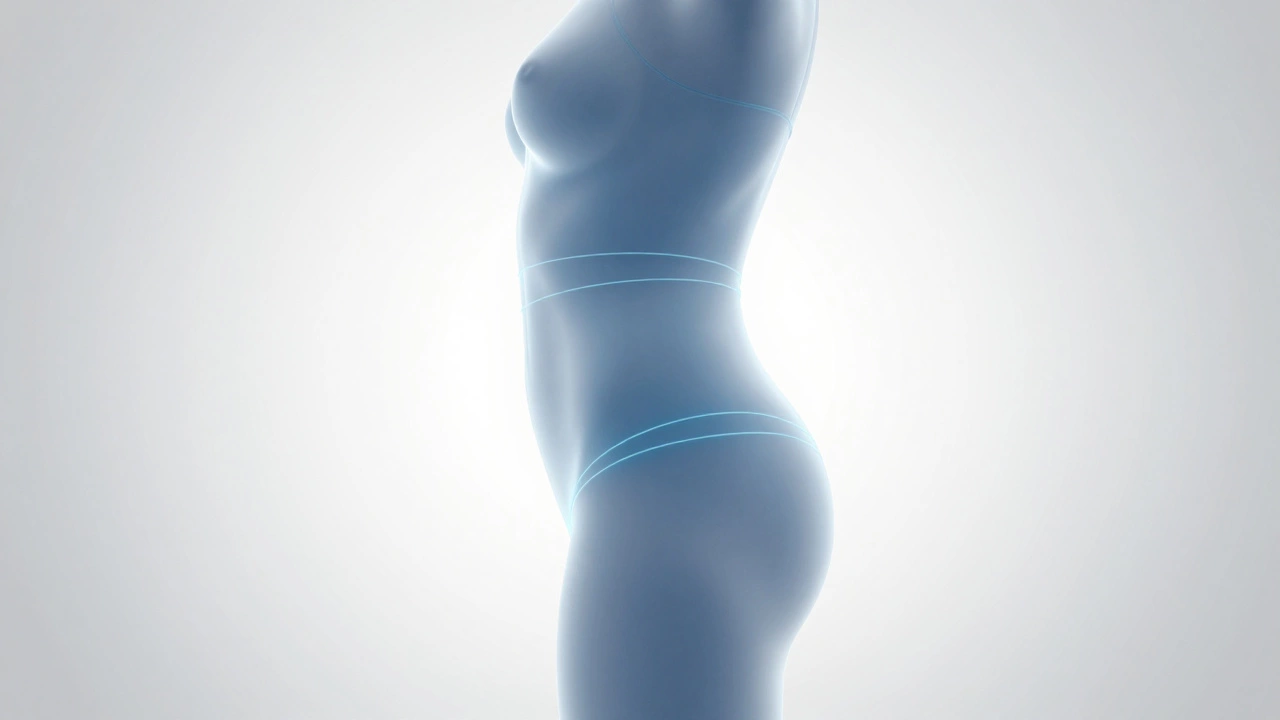
360 Tummy Tuck Procedure & Recovery Planner
| Procedure | Area Treated | Invasiveness | Recovery Time |
|---|---|---|---|
| Standard Tummy Tuck | Front abdomen only | High | 2-4 weeks |
| Mini Tummy Tuck | Lower abdomen below navel | Medium | 1-2 weeks |
| Liposuction Alone | Fat pockets only (no skin removal) | Low-Medium | 1 week |
| 360 Tummy Tuck | Front & Back torso circumference | Very High | 4-6 weeks |
| Full Body Lift | Torso, arms, thighs, buttocks | Extreme | 6+ weeks |
Note: The 360 Tummy Tuck is specifically designed for massive weight loss patients or those with circumferential skin laxity. It addresses both anterior and posterior areas simultaneously.
Your Recovery Journey
Click "Start Simulation" to walk through the typical recovery phases of a 360 Tummy Tuck.
What to Expect:
-
Key Restrictions:
- -
Imagine standing in front of the mirror after significant weight loss or multiple pregnancies. You’ve done the work-countless hours at the gym, strict dieting, or perhaps bariatric surgery-but loose skin drapes over your abdomen and back, refusing to snap back into place. This is where a 360 tummy tuck is a comprehensive cosmetic surgical procedure that removes excess skin and fat from both the front and back of the torso while tightening underlying muscles. Unlike standard procedures that focus only on the midsection, this approach addresses the entire circumference of the body.
If you are considering this transformation, you need more than just marketing fluff. You need to understand the anatomy of the surgery, the reality of the recovery, and whether it fits your specific goals. This guide breaks down everything you need to know about circumferential abdominoplasty, specifically tailored for patients looking at options in the UK and internationally.
Understanding the Anatomy of a 360 Tummy Tuck
A standard tummy tuck, or abdominoplasty is a surgical procedure to reshape the abdomen by removing excess skin and fat and tightening the abdominal muscles, focuses solely on the area between the chest and hips. It pulls the skin tight like a zipper, but if you have excess tissue around your waistline or lower back, a standard tuck won’t fix it. In fact, pulling the front skin too tight without addressing the back can create unnatural creases or leave you with a "muffin top" effect.
The 360-degree variation combines two distinct procedures into one:
- Anterior Abdominoplasty: This is the classic tummy tuck part. The surgeon makes an incision low across the bikini line, removes excess skin and fat from the front, and repairs separated abdominal muscles (diastasis recti).
- Posterior Lower Body Lift: Often called a Brazilian butt lift precursor or lower back lipectomy, this involves an incision across the lower back/buttocks area. The surgeon removes hanging skin from the back and thighs, often lifting the buttocks slightly as a secondary benefit.
By treating the torso as a complete cylinder rather than just a flat front panel, surgeons achieve a smoother, more natural transition from the abdomen to the back. This is particularly crucial for patients who have undergone massive weight loss, where skin laxity affects the entire midsection uniformly.
Who Is the Ideal Candidate?
Not everyone needs-or should get-a 360 tummy tuck. This is a major surgical undertaking, not a quick fix for stubborn belly fat. The ideal candidate usually falls into one of three categories:
- Massive Weight Loss Patients: Individuals who have lost 50+ kilograms through bariatric surgery or lifestyle changes often have significant skin redundancy all around their waist. For them, a 360 tuck is often the final step in their weight loss journey.
- Post-Pregnancy Bodies: After multiple pregnancies, the abdominal wall stretches significantly. If you have diastasis recti (separated abs) combined with loose skin around the hips and lower back, this procedure addresses both issues simultaneously.
- Genetic Laxity: Some individuals never gain massive weight but have genetically loose skin that doesn't respond to exercise. If you have good muscle tone but excess skin encircling your waist, this may be an option.
You must be in good general health, a non-smoker (or willing to quit weeks before and after surgery), and have realistic expectations. This surgery is about contouring, not weight loss. You should already be near your goal weight.
The Surgical Procedure: What to Expect
When you book a consultation with a board-certified plastic surgeon, they will map out the incisions. Here is how the actual day typically unfolds:
Anesthesia and Positioning
The surgery is performed under general anesthesia. Because the procedure involves both the front and back, you will likely start lying on your stomach for the posterior lift. Once that is complete, you will be turned over onto your back for the anterior abdominoplasty. This repositioning requires careful coordination by the surgical team to maintain sterility and safety.
Incisions and Removal
The surgeon makes a horizontal incision across the lower abdomen, similar to a C-section scar but potentially wider depending on the amount of skin to remove. Another incision is made across the lower back, usually hidden within the natural crease of the buttocks. Excess skin and fat are excised. Liposuction is frequently used in conjunction with the excision to refine contours on the flanks (love handles) and thighs.
Muscle Repair
If you have diastasis recti, the surgeon will stitch the left and right abdominal muscles together. This creates a tighter corset effect, which not only improves appearance but can also provide better core support and reduce lower back pain associated with weak abdominal walls.
Closure
The remaining skin is pulled down and stitched together. Drains are often placed under the skin to prevent fluid buildup (seroma). The entire process can take anywhere from 4 to 8 hours, depending on the complexity and the amount of tissue being removed.

Recovery: The Reality Check
Let’s be clear: recovering from a 360 tummy tuck is not like recovering from Botox or liposuction alone. It is a major physical trauma that requires dedication. Most patients in the UK report needing at least 2 to 3 weeks off work, with strenuous activity restricted for 6 to 8 weeks.
Week 1: The Hunch
You will spend most of your first week bent forward at a 45-degree angle. Walking upright puts tension on the suture lines, so you’ll move like a pirate. Pain is manageable with prescribed medication, but discomfort, swelling, and bruising are universal. You will wear a compression garment 24/7 to minimize swelling and support the new contours.
Weeks 2-4: Gradual Uprightness
By the second week, many patients can stand up straighter. Swelling peaks around days 3-5 and then slowly subsides. You might return to light desk work during this period, but do not expect to lift anything heavier than a gallon of milk. Follow-up appointments involve drain removal and wound checks.
Months 2-6: Settling In
Scars begin to fade from red to pink to white. Sensation in the abdomen may feel numb or tingly as nerves regenerate. You can gradually reintroduce exercise, starting with walking and progressing to core strengthening only after surgeon approval. Final results are typically visible after 6 months when all swelling has resolved.
Risks and Complications
As with any major surgery, risks exist. While serious complications are rare when performed by qualified professionals, you must be aware of them:
- Wound Dehiscence: The incision line opens up. This is more common in smokers or those with poor nutrition.
- Seroma/Hematoma: Fluid or blood accumulation under the skin, requiring drainage.
- Necrosis: Skin death due to compromised blood supply. This risk increases with smoking and excessive tension on the closure.
- Infection: Managed with antibiotics, but severe cases may require additional surgery.
- Asymmetry: Minor unevenness is common initially but usually resolves with time and massage.
To mitigate these risks, choose a surgeon accredited by recognized bodies such as the British Association of Aesthetic Plastic Surgeons (BAAPS) or equivalent international boards. Never compromise on credentials for cost savings.
Cost Considerations in the UK and Beyond
Pricing for a 360 tummy tuck varies significantly based on surgeon expertise, facility fees, and geographic location. In the UK, prices generally range from £8,000 to £15,000. This often includes the surgeon’s fee, anesthesia, hospital stay, and follow-up care. However, always ask what is excluded-garments, medications, and potential revision surgeries are rarely included.
Some patients consider medical tourism to countries with lower costs. While tempting, this introduces risks regarding follow-up care and legal recourse if complications arise. For a procedure as complex as a 360 tuck, local access to your surgeon for emergency visits is invaluable.

Alternatives to Consider
If a full 360 tuck feels too aggressive, discuss these alternatives with your surgeon:
| Procedure | Area Treated | Invasiveness | Recovery Time |
|---|---|---|---|
| Standard Tummy Tuck | Front abdomen only | High | 2-4 weeks |
| Mini Tummy Tuck | Lower abdomen below navel | Medium | 1-2 weeks |
| Liposuction Alone | Fat pockets only (no skin removal) | Low-Medium | 1 week |
| Body Lift (Full) | Torso, arms, thighs, buttocks | Very High | 4-6 weeks |
If your primary concern is only the front, a standard abdominoplasty suffices. If you have minimal skin laxity but excess fat, liposuction might be enough. A 360 tuck is reserved for those with circumferential excess.
Choosing the Right Surgeon
Your choice of surgeon is the single most important factor in your outcome. Look for:
- Board Certification: Ensure they are certified in plastic surgery, not just general surgery.
- Before-and-After Photos: Review galleries specifically for 360 tucks or circumferential lifts. Look for patients with body types similar to yours.
- Hospital Privileges: Even if the surgery is in a clinic, does the surgeon have privileges at a nearby hospital? This ensures access to emergency care if needed.
- Communication Style: Do they listen to your concerns? Do they explain risks honestly?
During your consultation, bring a list of questions. Ask about their complication rates, how they handle revisions, and what their typical recovery protocol looks like. Trust your instincts-if something feels off, keep looking.
Long-Term Results and Maintenance
One of the biggest advantages of a 360 tummy tuck is its permanence. The removed skin and fat do not grow back. However, the results can be compromised by significant weight fluctuations. Gaining or losing more than 10-15 pounds can stretch the remaining skin or cause new laxity.
Maintain your results through a balanced diet and regular exercise. Core strengthening exercises help preserve the muscle repair. Sun protection on scars is crucial for the first year to prevent hyperpigmentation. With proper care, your new silhouette can last for decades.
Does a 360 tummy tuck affect fertility?
A 360 tummy tuck does not directly affect fertility. However, surgeons strongly recommend waiting until you have completed your family before undergoing the procedure. Future pregnancies can stretch the tightened muscles and skin, undoing the results and potentially causing scarring issues. If you plan to have children, wait at least 12-18 months after your last pregnancy before considering surgery.
Will insurance cover a 360 tummy tuck?
In most cases, no. Cosmetic procedures like 360 tummy tucks are considered elective and are rarely covered by private health insurance or NHS in the UK. Exceptions may exist if the excess skin causes chronic rashes, infections, or functional impairments that have been documented by a GP for an extended period. Always check with your provider, but assume you will be paying out-of-pocket.
How long do I have to wear compression garments?
You will typically wear a compression garment 24/7 for the first 4-6 weeks, except when showering. After that, you may switch to wearing it only during the day or during exercise for another few weeks. Compression helps reduce swelling, supports the healing tissues, and minimizes fluid accumulation. Follow your surgeon’s specific instructions, as protocols vary.
Can I combine a 360 tummy tuck with other procedures?
Yes, many patients combine it with breast augmentation, reduction, or mastopexy (breast lift), as well as arm lifts (brachioplasty) or thigh lifts. This is often referred to as a "mommy makeover" or "body lift." Combining procedures reduces overall recovery time since you heal from one anesthesia event, but it increases the surgical duration and initial stress on the body. Your surgeon will assess if this is safe for you.
What are the signs of a serious complication?
Contact your surgeon immediately if you experience fever above 38°C, increasing redness or warmth around incisions, foul-smelling discharge, severe uncontrolled pain, shortness of breath, or chest pain. These could indicate infection, hematoma, or pulmonary embolism (blood clot in the lung), which are medical emergencies. Early intervention is critical.