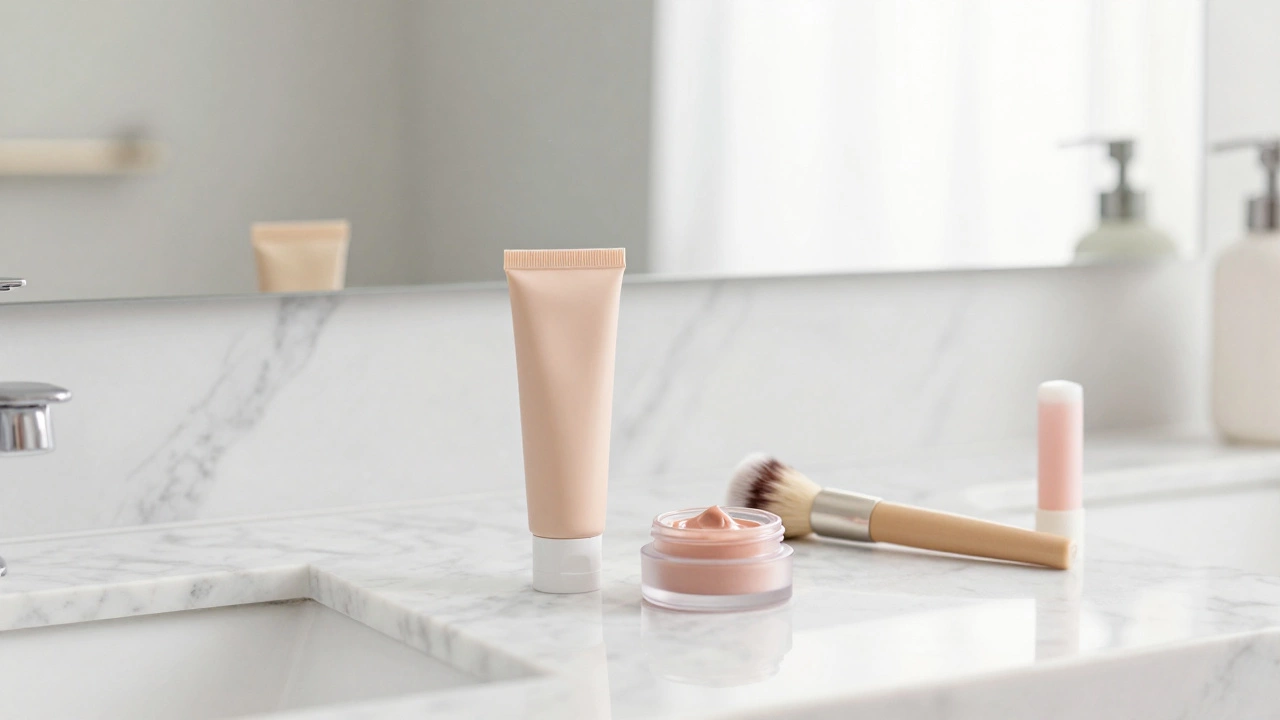
Build Your Basic Makeup Routine
Skin Prep & Protection
The foundation of basic makeup. Cleanse, hydrate, and protect with SPF.
Cleanser Moisturizer SunscreenLight Base
Even out skin tone without a heavy mask. Use fingers for seamless blending.
Tinted Moisturizer BB Cream ConcealerFrame the Face
Define brows to look awake and structured. Keep it feathery and natural.
Spoolie Brush Brow Pencil Clear GelAdd Life (Cheeks)
Cream blush melts into skin for a dewy, healthy flush. Smile and dab!
Cream Blush Blush StickFocal Point (Lips)
A subtle pop of color that matches your natural lip tone but brighter.
Tinted Lip Balm Nude LipstickOpen Up Eyes
Optional but effective. One coat of mascara opens up the eyes instantly.
Mascara Brown/Black-BrownYour Routine Summary
Checklist:
Have you ever stared into the mirror with a dozen colorful bottles and felt completely paralyzed? You aren’t alone. The beauty industry thrives on complexity, pushing us toward intricate contouring maps and seven-step eyeliner techniques. But here is the truth: most of us don’t need that for our daily lives. We just want to look awake, polished, and like ourselves-only slightly more refreshed. This is where basic makeup comes in.
Basic makeup isn't about hiding who you are or following a viral trend from social media. It is a streamlined approach to enhancing your natural features using a minimal number of products. Think of it as the "capsule wardrobe" of the beauty world. Instead of trying every new lipstick shade, you stick to a few reliable staples that work together harmoniously. Whether you have five minutes before a Zoom call or an hour to get ready for dinner, this method saves time, money, and frustration.
The Core Philosophy: Less Is More
Before we grab any brushes, let’s talk about mindset. Many beginners think basic makeup means doing nothing. That’s not quite right. It means doing *less*, but doing it *well*. The goal is balance. If you wear bold red lips, you might skip heavy eye makeup. If you apply foundation, you might go lighter on the blush. This prevents the "muddy" look where too many products clash or settle into fine lines.
In Auckland, where the weather shifts from sunny to rainy in a matter of hours, I’ve learned that heavy layers often melt off by noon. A light, breathable base holds up better against humidity than a thick mask of coverage. Basic makeup respects your skin’s texture rather than fighting it. It allows your freckles, moles, and natural skin tone to show through, which creates a much more authentic and attractive finish.
The Holy Trinity: Foundation, Brows, and Lips
If you strip away all the eyeshadows, highlighters, and setting sprays, what remains? Three key areas define a put-together face: the canvas (skin), the frame (brows), and the focal point (lips). Mastering these three elements gives you 80% of the impact with 20% of the effort.
1. The Canvas: Skin Preparation and Base
Your makeup is only as good as the skin beneath it. In a basic routine, skincare is actually part of the makeup process. Start with a clean, moisturized face. If you have dry patches, no amount of foundation will hide them; they’ll just cling to the product. Apply a lightweight moisturizer suitable for your skin type. Wait two minutes for it to absorb.
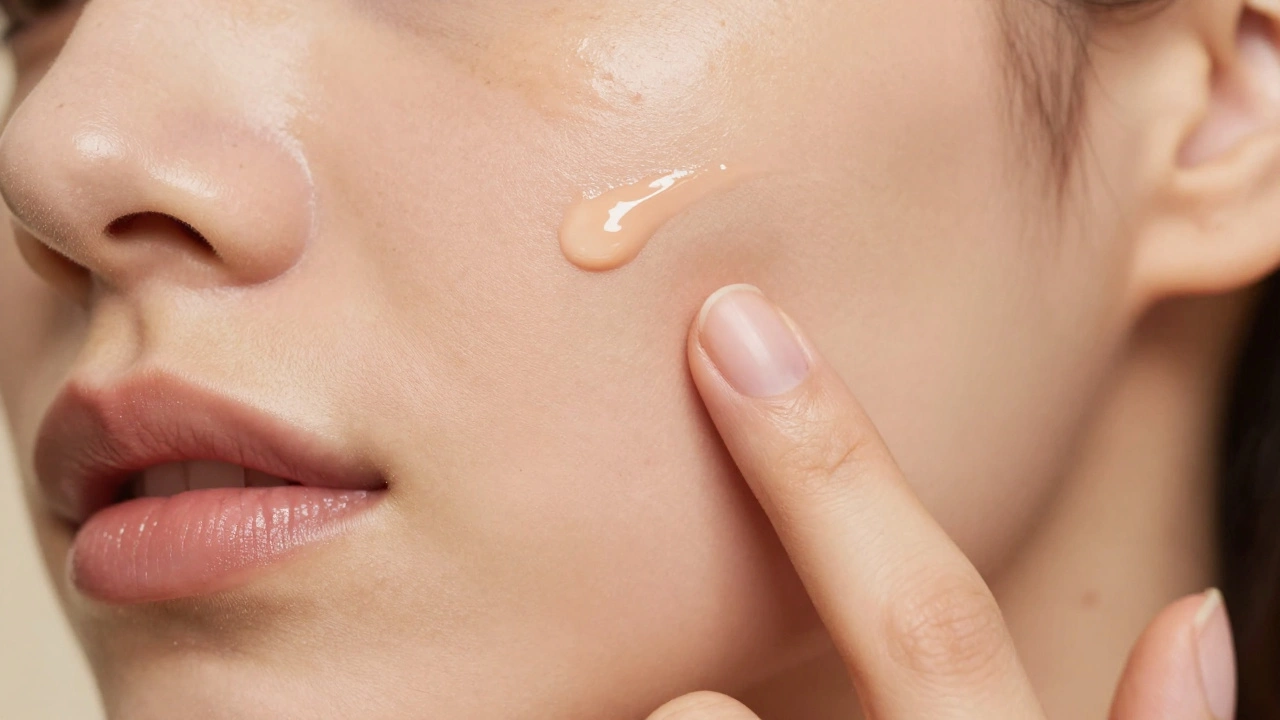
Next, consider your base. Do you need full-coverage foundation? Probably not. For a basic look, reach for a tinted moisturizer or a BB cream. These products offer sheer coverage that evens out redness and dullness without looking like a mask. Use your fingers to warm the product into your skin. Fingers provide heat, which helps the product blend seamlessly, whereas sponges can sometimes soak up too much product if you’re not careful.
2. The Frame: Defining the Brows
Neat eyebrows instantly make a face look more structured and awake. You don’t need complex brow lamination or microblading for a basic look. Simply brush your brows upward with a spoolie brush. If you have sparse areas, use a tiny amount of pomade or a pencil to fill in gaps with hair-like strokes. Avoid drawing a solid block of color; keep it feathery. Set them in place with a clear brow gel if they tend to fall flat throughout the day.
3. The Focal Point: Lips and Cheeks
Add a pop of color to bring life back to your face. A tinted lip balm or a nude lipstick works perfectly here. Choose a shade close to your natural lip color but slightly brighter. For cheeks, a cream blush is your best friend. Cream products melt into the skin, giving a dewy, healthy flush that powder blushes can sometimes miss. Smile gently and dab the color onto the apples of your cheeks, blending upwards towards your temples.
Skin-First Approach: Skincare Meets Makeup
You cannot separate basic makeup from skincare. They are partners. If your skin is irritated, dehydrated, or breaking out, makeup will emphasize those issues. Here is how to prep your skin for a flawless basic look:
- Cleanse Gently: Remove overnight oil and dirt. Don’t scrub; pat dry.
- Hydrate Deeply: Use a hydrating serum if your skin feels tight. Hyaluronic acid is great for holding moisture, especially in dry climates.
- Prime Strategically: You don’t always need a primer. If you have large pores, a pore-filling primer on the nose and cheeks helps. If you have dry skin, a hydrating primer keeps foundation from cracking.
- Protect: Always use sunscreen. This is non-negotiable. Look for a moisturizer with SPF 30 or higher, or apply a dedicated sunscreen as your last skincare step. Let it set for five minutes before applying makeup to prevent pilling.
Essential Products Checklist
To build your basic makeup kit, you don’t need to spend a fortune. Focus on quality over quantity. Here are the essential items you should own:
| Product Category | Recommended Type | Why It Works |
|---|---|---|
| Base | Tinted Moisturizer / BB Cream | Sheer coverage, hydrating, quick application |
| Concealer | Cream Concealer (1 shade lighter) | Targets dark circles and blemishes without heaviness |
| Cheeks | Cream Blush Stick | Natural flush, easy to blend with fingers |
| Eyes | Mascara (Brown or Black-Brown) | Opens up eyes without harsh contrast |
| Brows | Sparse Brow Pencil + Spoolie | Defines shape naturally |
| Lips | Tinted Lip Balm | Moisturizes while adding subtle color |
Application Techniques for Beginners
Knowing what to buy is half the battle. Knowing how to apply it is the other half. Here are some pro tips to keep your basic makeup looking effortless:
- Less Product, More Layers: Start with a small amount of product. You can always add more, but you can’t easily take it off without starting over. Build coverage only where needed.
- Blend at the Edges: Harsh lines are the enemy of natural makeup. Blend the edges of your concealer, blush, and bronzer until they disappear into your skin. There should be no visible demarcation line.
- Use Your Hands: For cream and liquid products, your fingers are often the best tool. The warmth of your skin helps activate the product and meld it into your complexion.
- Set Only Where Necessary: You don’t need to powder your whole face. If you’re oily in the T-zone (forehead, nose, chin), lightly dust translucent powder there. Leave the rest of your face dewy and fresh.
Common Mistakes to Avoid
Even with simple products, it’s easy to trip up. Here are the most common pitfalls I see people make when trying to achieve a basic look:
Ignoring Color Matching: Using a foundation that is too light or too orange can make you look like you’re wearing a mask. Test foundation on your jawline in natural daylight. It should match your neck, not just your cheek.
Overdoing the Mascara: Clumpy, spider-y lashes ruin a clean look. Wiggle the wand at the base of your lashes and pull through slowly. One coat is usually enough for a basic routine. If you need more volume, wait for the first coat to dry before adding a second.
Skipping Setting Spray: If you live in a humid city like Auckland, your makeup might slide off by lunchtime. A quick mist of setting spray locks everything in place and melts powders into creams for a unified finish.
Adapting to Different Occasions
Basic makeup is versatile. You can tweak it slightly depending on where you’re going:
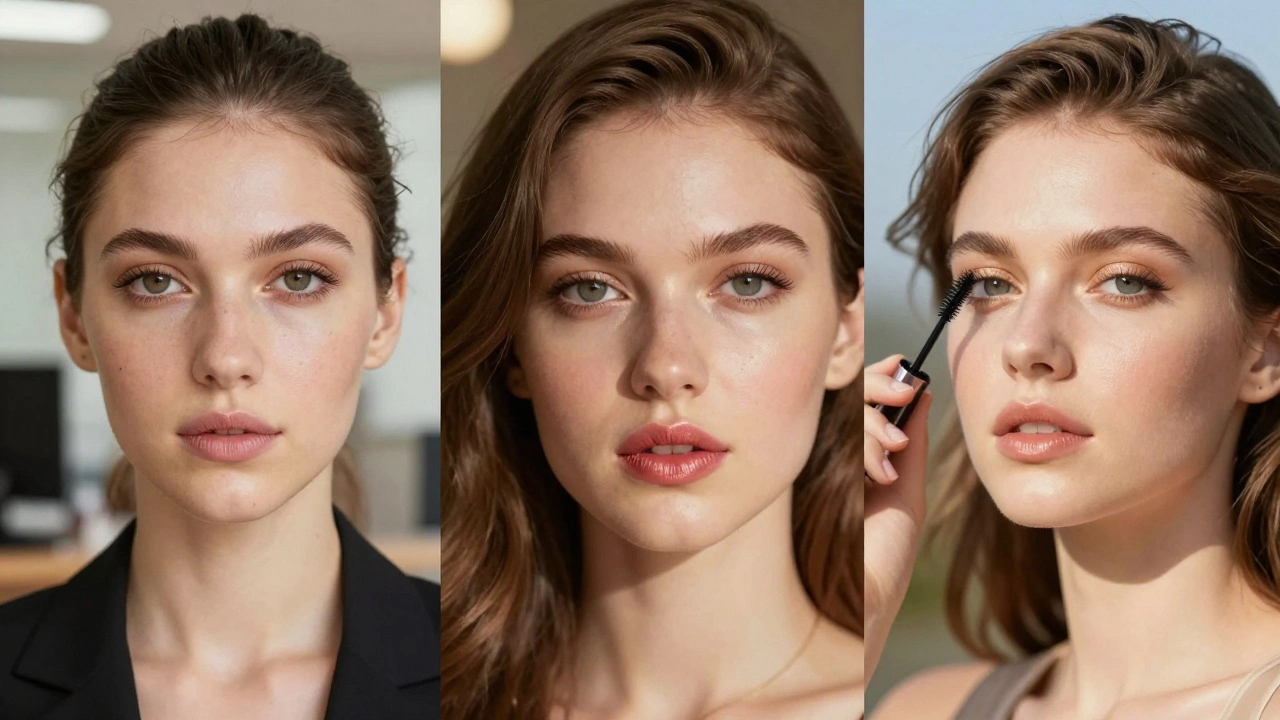
- Work/School: Keep it matte. Use a powder blush instead of cream for a longer-lasting, professional finish. Stick to neutral lip colors.
- Date Night: Add a bit more shimmer. Swap the tinted lip balm for a satin lipstick. Add a touch of highlighter to the high points of your cheeks for a glow.
- Outdoor Events: Focus on longevity. Use a waterproof mascara and a long-wear tinted moisturizer. Sunscreen is even more critical here.
Frequently Asked Questions
Is basic makeup suitable for mature skin?
Absolutely. Basic makeup is ideal for mature skin because it uses fewer layers, which means less settling into fine lines and wrinkles. Cream products are particularly beneficial as they add hydration and reflect light softly, giving a youthful glow without emphasizing texture.
Can I wear basic makeup every day?
Yes, wearing light makeup daily is generally safe for your skin, provided you remove it thoroughly every night. Leaving makeup on can clog pores and lead to breakouts. Always double-cleanse: use an oil-based cleanser first to dissolve makeup, followed by a water-based cleanser to clean the skin.
Do I need primer for basic makeup?
Primer is optional for a basic routine. If your skin is relatively smooth and you’re using a lightweight base like a tinted moisturizer, you may not need it. However, if you have specific concerns like large pores or excessive oiliness, a targeted primer can help your makeup last longer and look smoother.
How do I choose the right shade of concealer?
For under-eye circles, choose a concealer one shade lighter than your foundation to brighten the area. For covering blemishes, pick a concealer that matches your skin tone exactly. Testing in natural light is crucial to avoid ashiness or orange tones.
What is the difference between BB cream and foundation?
BB cream (Blemish Balm) is a hybrid product that combines skincare benefits like hydration and SPF with light coverage. Foundation focuses primarily on evening out skin tone and providing consistent coverage. For basic makeup, BB cream is often preferred due to its lightweight feel and ease of application.