Thread Lift Candidate & Cost Estimator
Ready to Analyze
Enter your details on the left to see if a thread lift might be right for you and get an estimated price range in GBP (£).
You’ve probably seen the ads. A quick procedure, no downtime, and a face that looks years younger before you’ve even finished your coffee. It sounds too good to be true, right? But for many people in the UK, this isn’t just marketing hype-it’s a real option gaining massive traction. We’re talking about the 20 minute permanent facelift, a minimally invasive cosmetic procedure often referred to as a thread lift or barbed suture lift, designed to tighten sagging skin without traditional surgery.
But here’s the catch: calling it "permanent" is a bit of a marketing stretch, and calling it a "facelift" can be misleading if you expect the results of a full surgical rhytidectomy. So, what actually happens during those twenty minutes? Does it really last forever? And is it worth your money in the current UK market? Let’s break down exactly what this treatment involves, who it’s for, and the honest truth about its longevity.
What Exactly Is This Procedure?
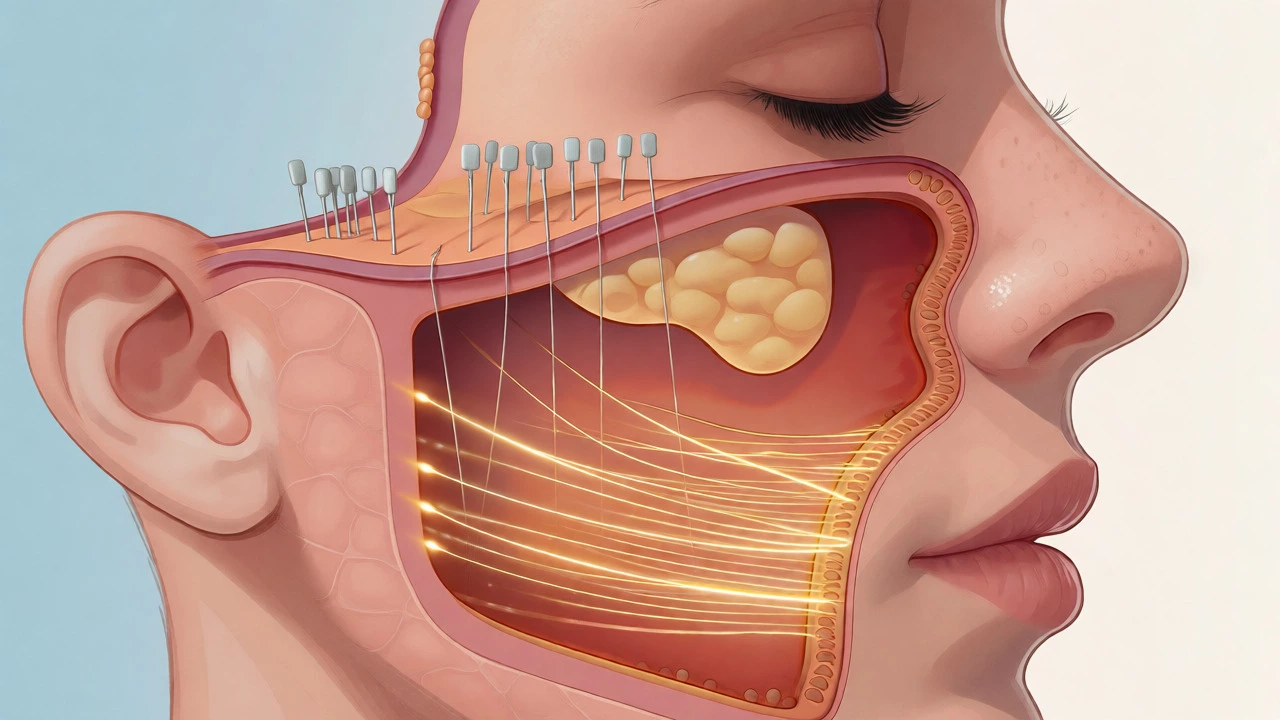
The term "20 minute permanent facelift" usually refers to a specific type of PDO Thread Lift (Polydioxanone), though newer variations use PLLA or PCL threads. Unlike traditional facelifts that involve cutting and removing excess skin, this technique uses biodegradable sutures with tiny cones or barbs attached to them.
Here’s how it works mechanically:
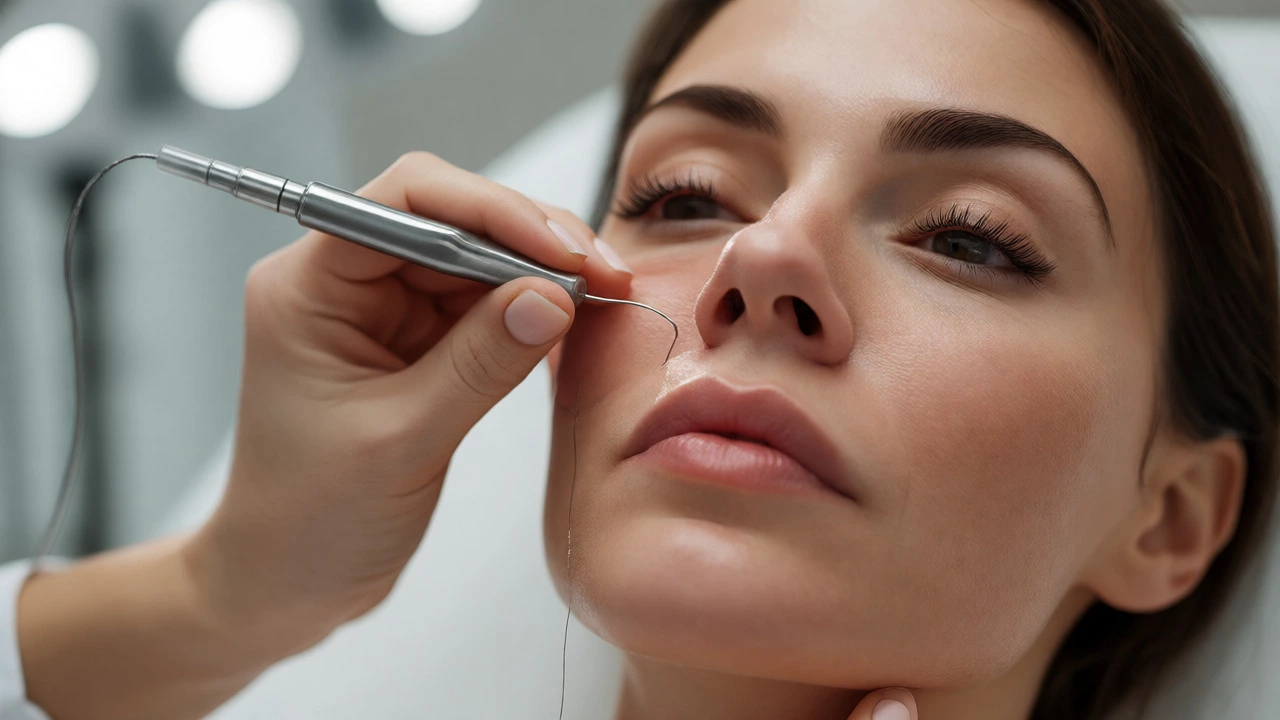
- Insertion: The practitioner inserts these threads under the skin using a needle or cannula.
- Lifting: Once inside, the threads are pulled tight. The barbs grip the underlying tissue (SMAS layer or fat pads) and physically lift it upward.
- Collagen Stimulation: As the body recognizes the thread as a foreign object, it starts producing collagen around it. This is where the long-term benefit comes from.
- Absorption: Over time, the body absorbs the thread completely, but the collagen scaffolding remains.
The "20 minutes" part is accurate for the actual insertion process if you’re only treating one area, like the mid-face or jowls. However, factor in consultation, numbing cream application, and aftercare instructions, and the appointment usually takes closer to 45-60 minutes. Still, compared to a 3-hour surgical facelift under general anesthesia, it’s incredibly fast.
Is It Really Permanent?
This is the biggest misconception. If you walk into a clinic expecting your face to stay lifted for the next 20 years, you’ll be disappointed. The threads themselves dissolve within 6 to 12 months. So, why call it permanent?
It’s not the thread that lasts; it’s the collagen response. The body’s healing reaction creates new fibrous tissue that holds the skin up even after the thread is gone. However, gravity doesn’t stop working just because you had a thread lift. Most practitioners in the UK agree that visible results typically last between 12 to 18 months. Some patients report maintaining benefits for up to two years, especially if they combine the treatment with good skincare and healthy lifestyle habits.
Think of it less as a "permanent fix" and more as a "long-lasting refresh." You aren’t stopping aging; you’re hitting pause button for a year or so.
Who Is the Ideal Candidate?
Not everyone should rush out to book this appointment. The 20-minute facelift has a sweet spot regarding age and skin laxity. If you have severe sagging, heavy jowls, or loose neck skin, this procedure simply won’t provide enough lift. You’d likely need a surgical facelift or a deep plane lift for significant changes.
| Ideal Candidate | Unsuitable Candidate |
|---|---|
| Age 35-55 years old | Over 65 with significant skin laxity |
| Mild to moderate sagging in mid-face/jawline | Severe neck banding or turkey wattle |
| Good skin elasticity | Poor skin quality or very thin skin |
| Looking for subtle refinement | Expecting dramatic, surgical-level transformation |
If you’re in your late 30s or early 40s and noticing that your jawline is getting softer or your cheeks are starting to drop, this is prime territory for a thread lift. It’s also great for people who want to look refreshed but can’t afford the downtime of surgery. No bruising that lasts weeks, no stitches to remove, and you can often return to work the next day.
The Cost Breakdown in the UK
Prices vary wildly depending on where you live in the UK and the reputation of the clinic. London clinics will charge a premium compared to Manchester or Birmingham. Generally, you’re looking at paying per thread used.
- Single Area (e.g., Mid-face): £800 - £1,500
- Full Face Lift: £2,500 - £4,500
- Neck Lift: £1,000 - £2,000
Compare this to a surgical facelift, which ranges from £7,000 to £15,000+, and the value proposition becomes clear. However, remember that since the results fade after 18 months, you might need top-ups. If you do this every 18 months, the cumulative cost over five years could approach the price of a single surgical procedure. That’s why many experts suggest using thread lifts as a bridge between non-invasive creams and eventual surgery.
Risks and Side Effects
Just because it’s quick doesn’t mean it’s risk-free. Since needles are going under your skin, there are potential complications. While serious issues are rare, you need to be aware of them.
Common, temporary side effects include:
- Swelling and redness (lasts 2-3 days)
- Mild bruising at insertion points
- Tenderness when chewing or smiling
Rarer but more concerning risks include:
- Thread Visibility: Sometimes the ends of the thread can poke through the skin, requiring trimming.
- Asymmetry: If one side lifts more than the other, it can look uneven initially. This often settles as swelling goes down, but sometimes requires adjustment.
- Infection: Rare, but possible if hygiene standards aren’t met.
- Nerve Irritation: Temporary numbness or tingling if a nerve is brushed by the needle.
To minimize these risks, choose a qualified practitioner. In the UK, look for doctors registered with the General Medical Council (GMC) or dentists with additional training in facial aesthetics. Avoid "beauty therapists" performing injectables or threads unless they have specific medical oversight.

How to Prepare and Recover
Preparation is simple but important. For a week before your appointment, avoid blood-thinning medications like aspirin, ibuprofen, fish oil, and vitamin E. These increase the likelihood of bruising. Also, skip the alcohol for 48 hours prior.
Recovery is surprisingly easy, but you must follow the rules to protect the lift:
- No Excessive Movement: For the first 2 weeks, avoid wide mouth movements. Don’t chew gum, eat hard foods like apples, or make exaggerated facial expressions.
- Sleep Position: Sleep on your back for at least 2 weeks. Sleeping on your side or stomach can put pressure on the threads and shift them.
- Skip the Gym: Avoid intense cardio or heavy lifting for 2 weeks to prevent increased blood flow causing swelling.
- No Dental Work: Keep your mouth closed for dental procedures for 2 weeks if possible.
Most people feel normal within a few days. You might look slightly puffy, but it’s rarely noticeable to others. By week two, the initial settling occurs, and the final result begins to emerge as collagen builds.
Alternatives to Consider
If the thread lift feels too invasive or not permanent enough, what else is out there? The aesthetic landscape is crowded.
- Dermal Fillers: Great for adding volume rather than lifting. Hyaluronic acid fillers can mimic the effect of youth by plumping hollow areas. Lasts 9-12 months.
- Ultherapy: Uses ultrasound energy to stimulate deep collagen. Non-invasive, no needles, but results take months to appear and are subtler.
- Radiofrequency Microneedling (Morpheus8): Tightens skin surface and deeper layers. Requires multiple sessions but has zero downtime.
Many patients actually combine treatments. They might get a thread lift for structural support and add filler to restore lost volume in the cheeks. This hybrid approach often yields the most natural-looking results.
Does the 20 minute facelift hurt?
Most people describe the sensation as uncomfortable rather than painful. Practitioners typically apply a strong topical numbing cream 20-30 minutes before the procedure. You may feel a pulling sensation when the threads are tightened, but sharp pain is uncommon. Local anesthetic injections are sometimes used for sensitive areas.
Can I wear makeup immediately after?
It is generally recommended to wait 24 to 48 hours before applying makeup to the treated areas. This allows the insertion points to close properly and reduces the risk of infection. When you do resume makeup, use clean brushes and gentle products.
Will insurance cover this procedure?
In the UK, private health insurance rarely covers cosmetic procedures like thread lifts unless they are deemed medically necessary (which is very rare for aesthetic reasons). You will almost certainly need to pay out-of-pocket. Check your policy details, but assume it is a self-funded expense.
What happens if I don't like the results?
Unlike dermal fillers, which can be dissolved with hyaluronidase, threads cannot be easily removed once placed. However, because they absorb over time, any dissatisfaction is temporary. If the lift is too high or asymmetric, a skilled practitioner can sometimes adjust the tension manually within the first few days, or you can wait for the body to relax the tissues naturally.
Are there different types of threads?
Yes. The most common are PDO (Polydioxanone) threads, which are widely used and safe. Newer options include PLLA (Poly-L-lactic acid) and PCL (Polycaprolactone) threads. PLLA and PCL threads are thicker, last longer in the body, and stimulate more collagen production, potentially offering longer-lasting results than standard PDO.