Personalized Skincare Routine Builder
Your Recommended Routine
Based on the article's expert recommendations for skin targeting .
Walk into any beauty store or scroll through social media feeds, and you are bombarded with a single, impossible question: What is the best skincare brand? The answer is frustratingly simple yet deeply personal. There is no single winner because your skin is not a generic canvas; it is a living organ that reacts to climate, stress, genetics, and diet. A brand that transforms dry, mature skin might wreak havoc on oily, acne-prone complexions.
In 2026, the market is more crowded than ever. We have moved past the era of buying whatever is trending on TikTok. Today, consumers demand transparency, efficacy backed by clinical data, and ingredients that actually work without causing irritation. This guide cuts through the marketing noise to help you identify which brands align with your specific skin goals, whether you are fighting breakouts, chasing collagen production, or simply trying to maintain a healthy barrier.
Why "Best" Depends Entirely on Your Skin Type
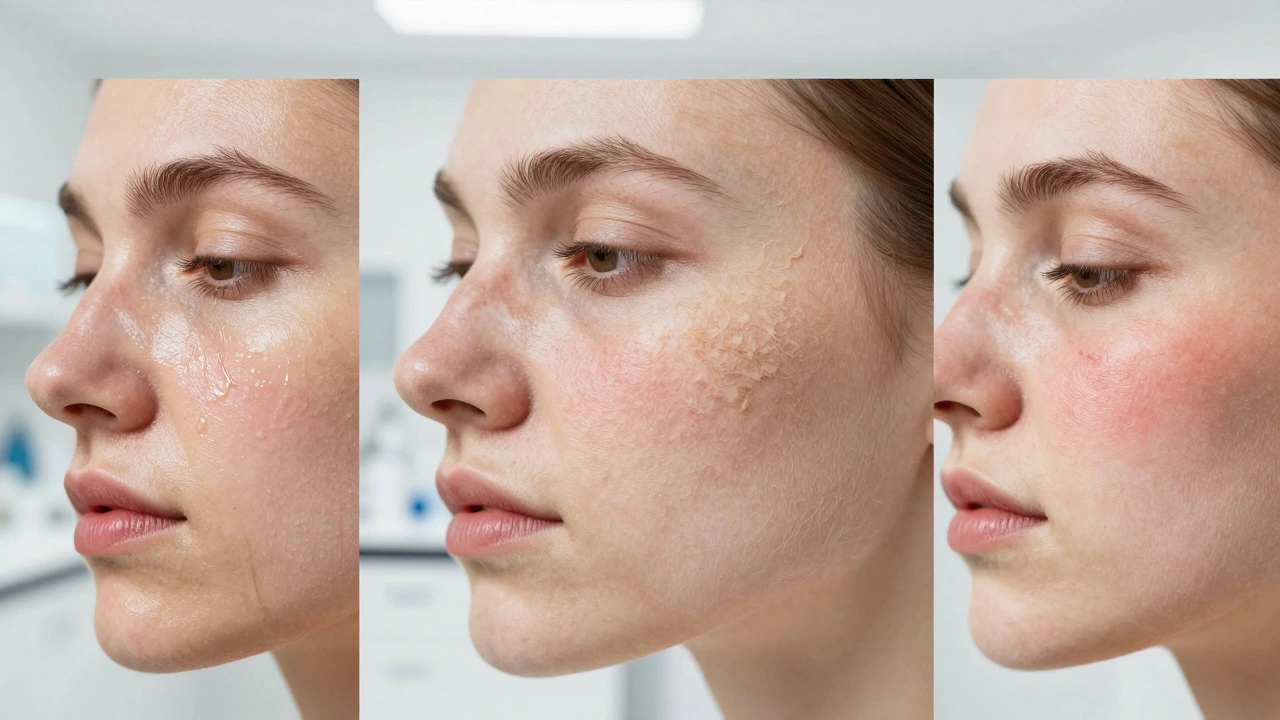
Before looking at logos, you need to look in the mirror. The most expensive cream in the world will fail if it contradicts your skin’s biological needs. Dermatologists categorize skin into four main types, and each requires a different chemical approach.
- Oily Skin: Characterized by excess sebum production, enlarged pores, and a shiny appearance. These skins thrive on lightweight, non-comedogenic formulas rich in niacinamide and salicylic acid. Heavy butters like shea or cocoa can clog pores here.
- Dry Skin: Feels tight, looks dull, and may flake. It lacks natural oils and often has a compromised moisture barrier. These skins need ceramides, hyaluronic acid, and occlusives like squalane to lock in hydration.
- Combination Skin: Oily in the T-zone (forehead, nose, chin) but dry or normal on the cheeks. This is the trickiest type to manage, often requiring a multi-step routine where you treat zones differently.
- Sensitive Skin: Reacts easily to environmental factors or ingredients with redness, stinging, or itching. Fragrance-free, hypoallergenic, and minimal ingredient lists are non-negotiable here.
If you have never identified your skin type, stop buying products for a week. Wash your face with a gentle cleanser and wait an hour. If your whole face shines, you are oily. If it feels tight, you are dry. If only your forehead shines, you are combination. This baseline test saves you hundreds of dollars in wasted product.
Top Brands for Acne-Prone and Oily Skin
For those battling breakouts, the goal is balance, not stripping. You want to control oil without destroying the skin barrier, which leads to rebound oil production. Two brands stand out in this category for their scientific approach.
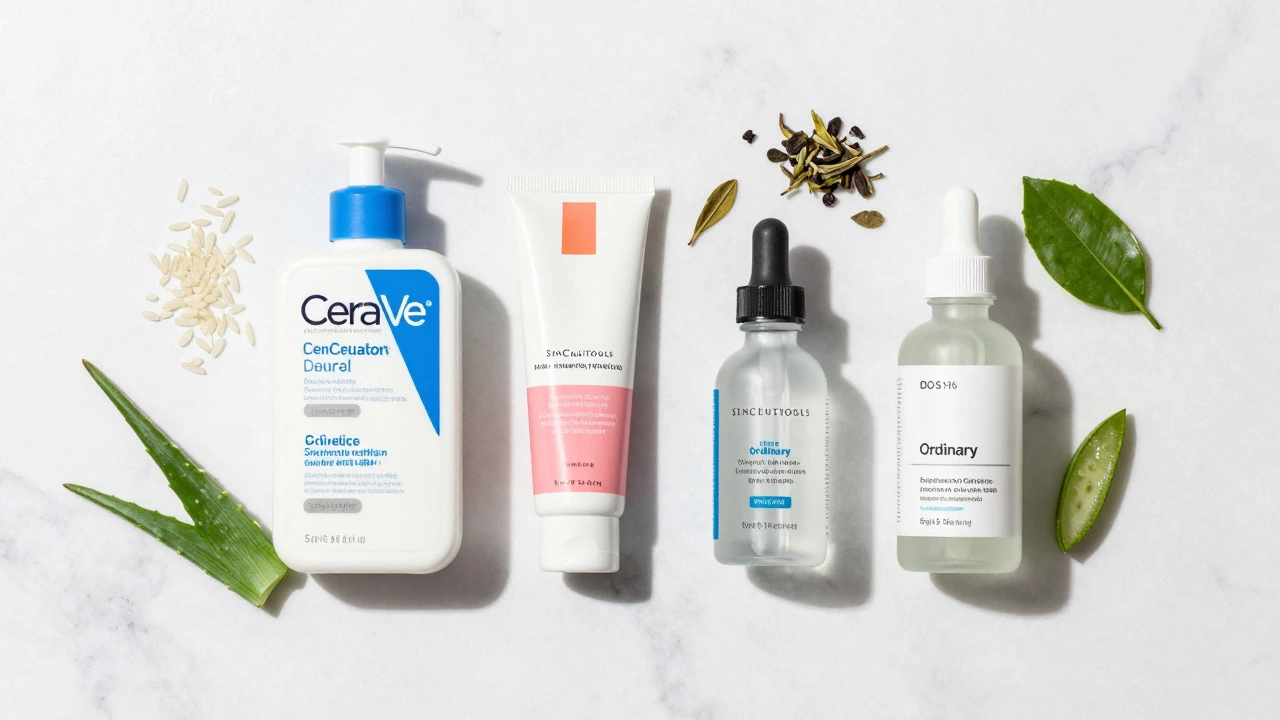
CeraVe has become a household name for good reason. Their formulations are developed with dermatologists and focus heavily on restoring the skin barrier using three essential ceramides (1, 3, and 6-II). For oily skin, their Foaming Facial Cleanser removes excess oil while maintaining pH balance. It is affordable, widely available, and free from fragrances that irritate inflamed acne.
La Roche-Posay takes a slightly more medical route. Their Effaclar line is specifically designed for oily, acne-prone skin. The key ingredient here is micro-exfoliating LHA (Lipo-Hydroxy Acid), which penetrates deeper than standard AHAs to clear out clogged pores. In clinical trials, users reported visible reduction in blackheads within two weeks. It is a staple in many dermatology offices worldwide.
| Brand | Key Ingredient | Price Point | Best For |
|---|---|---|---|
| CeraVe | Ceramides, Niacinamide | Budget ($15-$25) | Daily maintenance, barrier repair |
| La Roche-Posay | LHA, Thermal Spring Water | Moderate ($20-$40) | Active breakouts, blackheads |
| The Ordinary | Salicylic Acid, Zinc PCA | Budget ($5-$10) | Targeted spot treatments |
Brands That Excel in Anti-Aging and Hydration
As we age, cell turnover slows down, and collagen production drops. The "best" brands in this category are those that deliver active ingredients like retinol, peptides, and vitamin C in stable, effective concentrations.
SkinCeuticals is often cited as the gold standard for antioxidants. Their C E Ferulic serum is a cult favorite among dermatologists. While the price tag is high (often over $150), the formulation is patented and clinically proven to protect against photoaging. It combines 15% pure L-ascorbic acid with vitamin E and ferulic acid to boost photoprotection by up to eight times. If budget allows and you want maximum potency, this is the benchmark.
For those who find high-strength retinoids too irritating, Paula's Choice offers a gentler, education-first approach. Their Clinical 1% Retinol Treatment uses encapsulated retinol technology, which releases the ingredient slowly to minimize irritation while maximizing absorption. They also provide extensive research behind every claim, making it easy for consumers to understand why a product works.
The Rise of Clean and Minimalist Skincare
In recent years, there has been a massive shift toward "clean" beauty-products free from parabens, sulfates, phthalates, and synthetic fragrances. However, "clean" does not always mean "effective." Some natural ingredients can be highly allergenic. The best brands in this space bridge the gap between safety and science.
Drunk Elephant popularized the concept of the "Suspicious 6," a list of ingredients they avoid due to potential irritation. Their philosophy is that skin health improves when you remove unnecessary additives. Products like the Protini Polypeptide Cream focus on signal peptides and amino acids to support firmness. It is a great choice for those who prefer a simplified routine with fewer steps.
Tatcha draws inspiration from Japanese geisha skincare rituals. Their Rice Polisher exfoliant and Violet-C Brightening Serum use rice bran, algae, and green tea. While some critics argue the branding is more luxurious than necessary, the formulations are generally well-tolerated by sensitive skin types seeking brightening effects without harsh acids.
Budget-Friendly Heroes: High Performance, Low Cost
You do not need to spend a fortune to achieve clear, glowing skin. Many pharmacy brands and direct-to-consumer labels offer high-quality actives at a fraction of the cost of luxury brands.
The Ordinary revolutionized the industry by selling single-ingredient solutions at transparent prices. Their 10% Niacinamide + 1% Zinc serum is one of the best-selling skincare products globally. It targets blemishes and congestion effectively. Because they strip away marketing fluff, you pay for the chemistry, not the bottle.
Vaseline, specifically their Glow Serum line, has made significant strides. While historically known for petroleum jelly, their newer offerings include niacinamide and hyaluronic acid in lightweight textures. For students or anyone on a tight budget, these products provide reliable hydration and brightness without breaking the bank.
How to Build a Routine That Actually Works
Having the right brand means nothing if you apply products incorrectly. A solid routine follows a specific order based on texture and function: thinnest to thickest.
- Cleanser: Remove dirt, oil, and makeup. Use a gentle foaming or cream cleanser depending on your skin type.
- Toner/Essence: Optional, but helpful for balancing pH and adding hydration. Look for alcohol-free formulas.
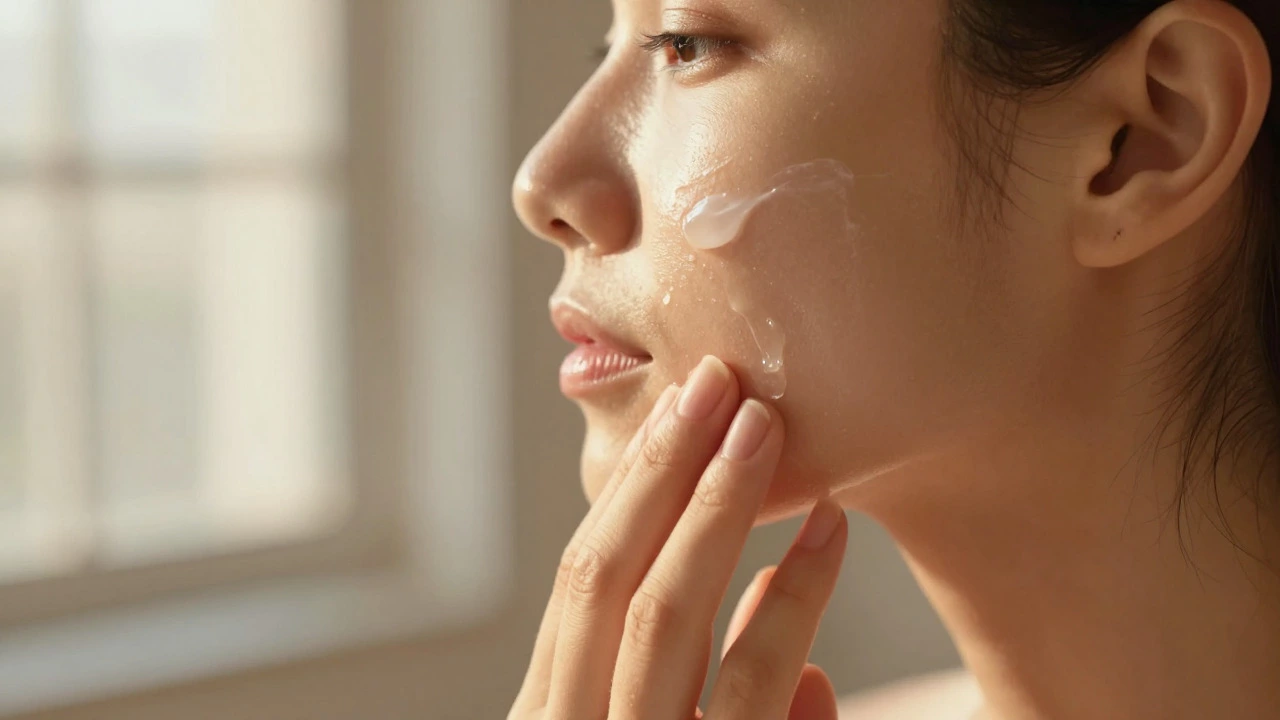
- Serum: This is where your active ingredients live (vitamin C in the morning, retinol at night). Apply to damp skin for better absorption.
- Moisturizer: Seal everything in. Gel-based for oily skin, cream-based for dry skin.
- Sunscreen: The most important step. Use SPF 30 or higher every day, even indoors. UV rays cause 80% of visible aging.
Consistency beats intensity. Using a $200 serum once a week is less effective than using a $20 serum daily. Introduce new products one at a time, waiting two weeks before adding another. This helps you identify exactly what causes reactions if they occur.
Red Flags to Avoid When Choosing a Brand
Not all brands are created equal. Be wary of companies that make miraculous claims without evidence. If a product promises to "erase wrinkles in 24 hours," it is likely marketing hype. Legitimate skincare takes time-usually six to twelve weeks-to show visible results because that is how long it takes for skin cells to turnover.
Avoid brands that rely heavily on fragrance. While pleasant smells feel luxurious, synthetic fragrances are one of the top causes of contact dermatitis. Also, check for independent testing. Brands that share clinical trial data or third-party lab results are generally more trustworthy than those relying solely on influencer endorsements.
Is expensive skincare really better than drugstore brands?
Not necessarily. The price often reflects packaging, marketing, and fragrance rather than ingredient quality. Drugstore brands like CeraVe and The Ordinary use the same active ingredients (like retinol and hyaluronic acid) as luxury brands. However, high-end brands may have better delivery systems that allow ingredients to penetrate deeper, or they may use higher concentrations of rare botanicals. For basic hydration and cleansing, drugstore is sufficient. For advanced anti-aging, mid-range to high-end may offer superior stability and efficacy.
Can I mix products from different brands?
Yes, you can absolutely mix brands. In fact, many dermatologists recommend building a custom routine by picking the best cleanser from one brand, the best serum from another, and the best moisturizer from a third. Just ensure the ingredients play well together. For example, avoid mixing high-strength retinol with strong AHA/BHA exfoliants in the same routine, as this can damage your skin barrier.
How do I know if a brand is suitable for sensitive skin?
Look for labels that say "fragrance-free," "hypoallergenic," and "non-comedogenic." Brands like La Roche-Posay, Vanicream, and Aveeno are specifically formulated for sensitive skin. Always patch test new products on your inner arm or behind your ear for 24-48 hours before applying them to your face. If you experience redness or itching, wash it off immediately.
What is the most important step in any skincare routine?
Sun protection. No amount of anti-aging serum can undo the damage caused by unchecked UV exposure. Daily use of broad-spectrum SPF 30 or higher prevents premature aging, hyperpigmentation, and skin cancer. It is the single most effective anti-aging product you can buy.
How long does it take to see results from new skincare?
It depends on the concern. Hydration improvements can be seen in days. Brightening and oil control may take two to four weeks. Significant changes in fine lines, deep wrinkles, or severe acne typically require eight to twelve weeks of consistent use. Patience is key; switching products too frequently prevents your skin from adjusting.