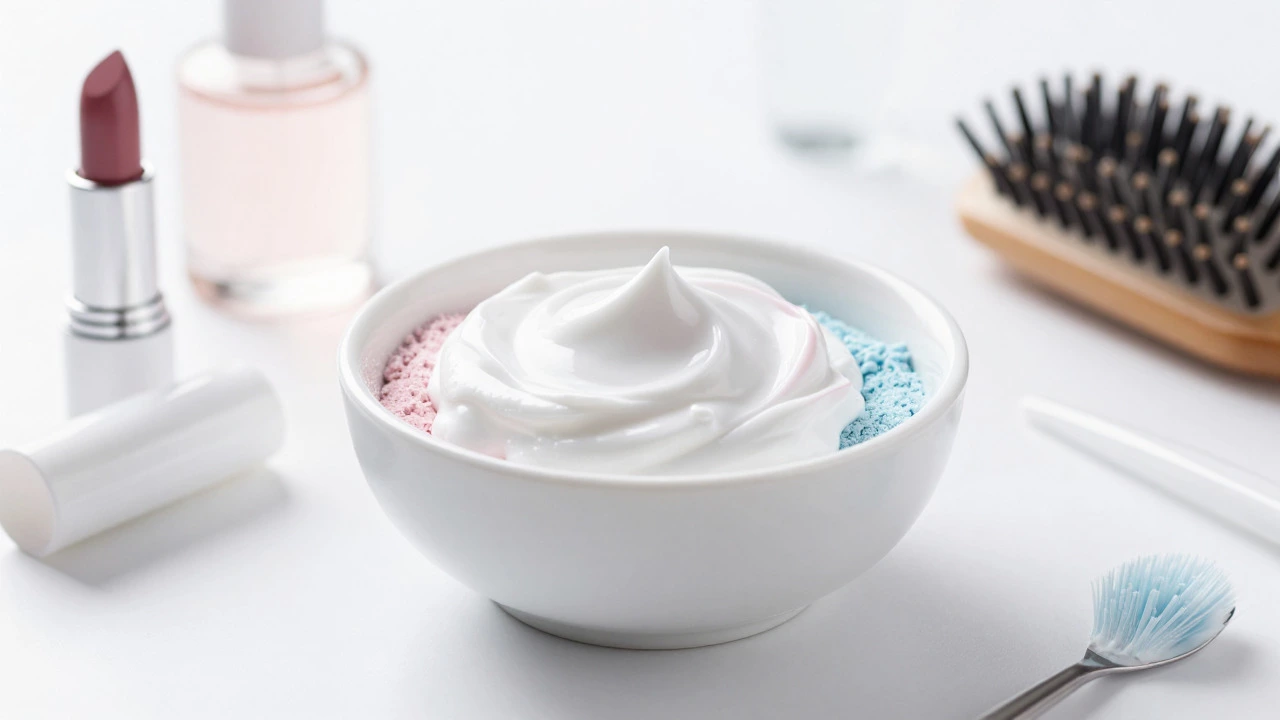
Cosmetic vs. Drug Classifier
- Basic Moisturizer
- Anti-Acne Wash
- Fluoride Toothpaste
- Dandruff Shampoo
- Lipstick
- Sunscreen
Have you ever stared at a bottle of moisturizer or a tube of lipstick and wondered what actually makes it a "cosmetic"? It sounds simple enough, but the line between a beauty product and a medicine is often blurry. If you apply something to your body to clean it or make it look better, you are likely using a cosmetic. But if that same product promises to cure acne or kill bacteria, it might legally be considered a drug.
Understanding this distinction matters more than just semantics. It affects how these products are regulated, what ingredients they can contain, and how safe they really are for your skin. In this guide, we break down exactly what defines a cosmetic product, how it differs from drugs and supplements, and what you should look for on labels to ensure you are making informed choices.
The Legal Definition of a Cosmetic Product
To understand the meaning of cosmetic products, we have to look at the law. In many countries, including the United States under the Federal Food, Drug, and Cosmetic Act (FD&C Act), a cosmetic is defined as any article intended to be rubbed, poured, sprinkled, or sprayed on the human body. The key here is the intended use.
If the primary purpose is to cleanse, beautify, promote attractiveness, or alter appearance without affecting the body's structure or functions, it is a cosmetic. This broad definition covers everything from shampoo and nail polish to perfumes and lipsticks. Even baby powder falls into this category because its goal is to keep skin dry and comfortable, not to treat a medical condition.
Is sunscreen a cosmetic?
In the United States, sunscreen is classified as an over-the-counter (OTC) drug because it prevents sunburn, which is a disease-like condition. However, in the European Union, sunscreen is regulated as a cosmetic. This highlights how definitions can vary by region.
It is important to note that the term "cosmetic" does not imply low quality or lack of efficacy. Many high-end skincare brands produce cosmetics that significantly improve skin texture and hydration. The legal definition simply restricts them from making medical claims unless they undergo rigorous drug approval processes.
Cosmetics vs. Drugs: The Critical Distinction
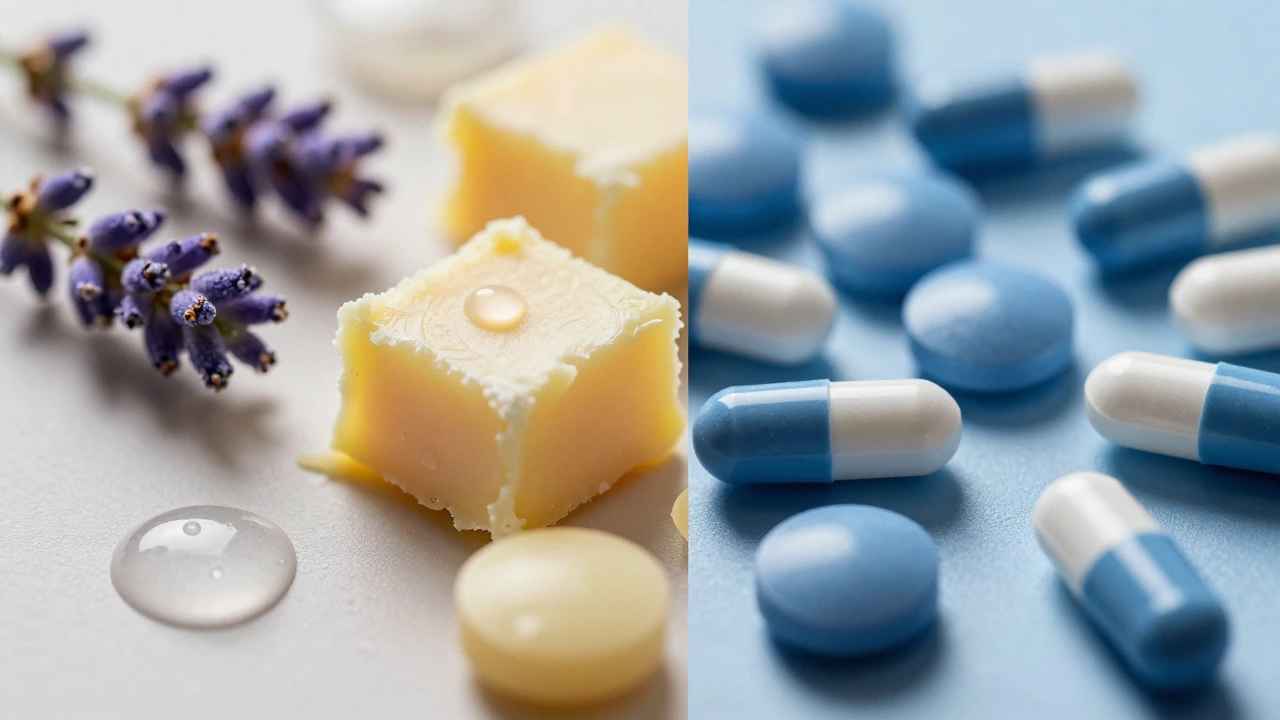
The biggest confusion arises when a product walks the line between beauty and health. This is known as an "over-the-counter" (OTC) drug-cosmetic combination. For example, a toothpaste with fluoride is a cosmetic (it whitens teeth) and a drug (it prevents cavities). A shampoo with dandruff-fighting ingredients like zinc pyrithione is also a drug because it treats a scalp condition.
| Feature | Cosmetic | Drug |
|---|---|---|
| Primary Purpose | Cleanse, beautify, enhance appearance | Treat, prevent, or diagnose disease; affect body structure/function |
| Regulatory Approval | Generally pre-market notification only (except color additives) | Requires FDA approval (NDA/ANDA) proving safety and efficacy |
| Claims Allowed | "Moisturizes," "softens," "cleanses," "covers blemishes" | "Treats acne," "reduces wrinkles," "kills bacteria," "lightens dark spots" |
| Ingredient Restrictions | Banned list is shorter; manufacturers self-regulate most ingredients | Strictly limited to approved active ingredients |
Why does this matter to you? Because the regulatory burden is much lower for cosmetics. Manufacturers do not need to prove their products work before selling them, only that they are safe for use. Drugs, on the other hand, must undergo clinical trials to demonstrate efficacy. When you buy a retinol cream labeled as a cosmetic, it is marketed to "improve skin tone." If it were labeled as a drug, it would need to prove it reduces fine lines through scientific data.
Common Examples of Cosmetic Products
You probably use dozens of cosmetics every day without thinking about their classification. Here is a breakdown of common categories:
- Skincare: Moisturizers, cleansers, toners, and facial mists. These products hydrate and protect the skin barrier but do not claim to cure dermatitis or eczema.
- Makeup: Foundation, concealer, mascara, eyeliner, and blush. Their sole purpose is to alter appearance temporarily.
- Hair Care: Shampoos, conditioners, hair sprays, and dyes. Note that permanent hair dyes are regulated differently due to potential sensitivities, but they remain cosmetics unless they claim to treat hair loss.
- Fragrances: Perfumes, colognes, and body sprays. These add scent but have no physiological effect.
- Nail Care: Nail polishes, removers, and cuticle oils. They beautify nails rather than treating fungal infections.
One tricky area is anti-aging products. Ingredients like hyaluronic acid and peptides are common in cosmetics. They plump the skin and reduce the appearance of fine lines by hydrating the surface. However, if a product claims to "reverse aging" or "change the structure of collagen production," it may be crossing into drug territory. Always read the fine print.
Ingredients and Safety Regulations
When it comes to safety, the landscape varies globally. In the European Union, the regulation of cosmetics is stringent. Over 1,600 substances are banned from use in EU cosmetics, including certain parabens, phthalates, and formaldehyde releasers. Manufacturers must submit a Product Information File (PIF) for each product, detailing safety assessments.
In contrast, the United States has a more fragmented approach. The FDA regulates cosmetics under the FD&C Act, but the rules are older and less comprehensive. Only seven colors are pre-approved for use around the eyes, and manufacturers are responsible for ensuring their products are safe. There is no requirement for pre-market approval of cosmetic ingredients, except for color additives. This means consumers in the US often rely on third-party organizations like the Environmental Working Group (EWG) or Choose Cosmetic to check ingredient safety.
Key ingredients to watch out for include:
- Parabens: Preservatives that extend shelf life. Some studies suggest they may mimic estrogen, though evidence of harm at low concentrations is debated.
- Sulfates (SLS/SLES): Cleansing agents that can strip natural oils, leading to irritation for sensitive skin types.
- Fragrance: A catch-all term that can hide hundreds of chemicals. Synthetic fragrances are a leading cause of contact dermatitis.
- Formaldehyde Releasers: Preservatives that release small amounts of formaldehyde over time, which can be a sensitizer.
If you have sensitive skin, look for products labeled "fragrance-free" (not just unscented, which may contain masking scents) and "hypoallergenic." While "hypoallergenic" is not strictly defined by the FDA, reputable brands often back it with patch testing.
How to Read Cosmetic Labels Like a Pro
Understanding label information empowers you to choose safer, more effective products. Here is what to look for:
- Ingredient List: Ingredients are listed in descending order of concentration. The first few ingredients make up the bulk of the product. If water (Aqua) is first, it is a water-based formula. If alcohol is near the top, it may be drying.
- Active Ingredients: If present, these are listed separately and indicate the product has drug properties (e.g., benzoyl peroxide for acne).
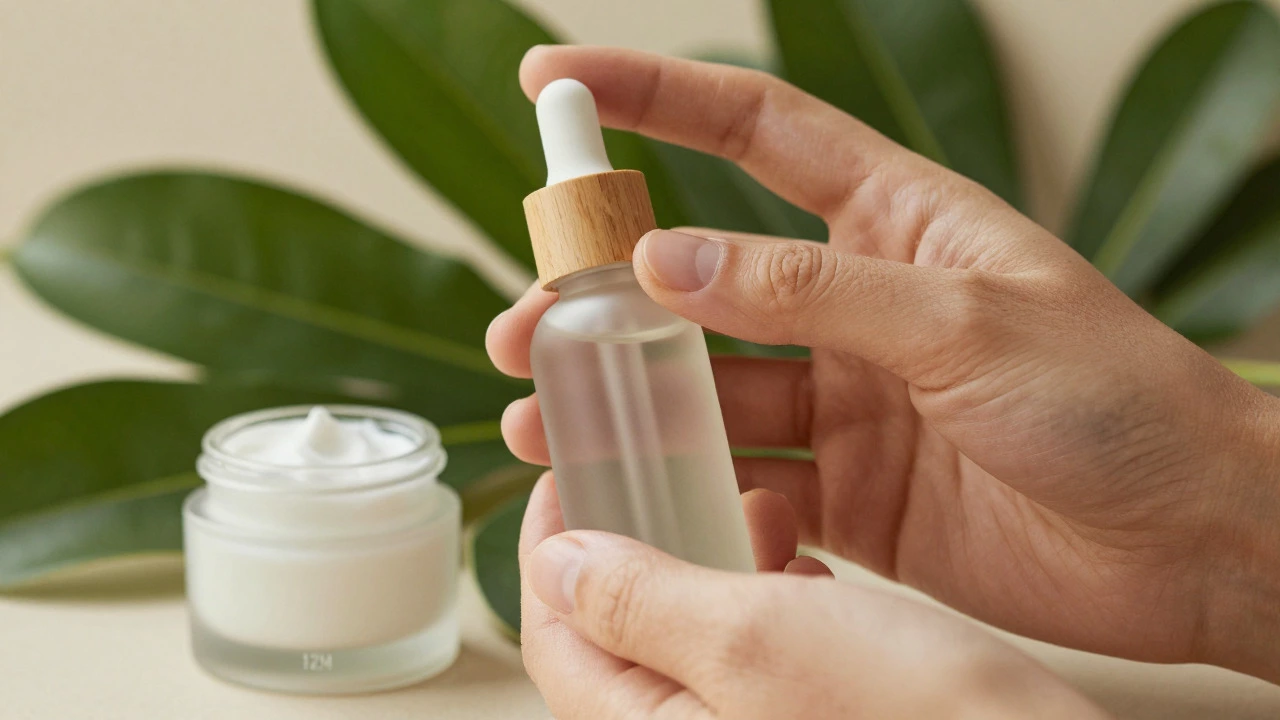
- Expiration Date: Look for the Period After Opening (PAO) symbol-an open jar with a number and 'M' (e.g., 12M means 12 months after opening). Using expired cosmetics can lead to bacterial growth.
- Batch Number: Useful for tracking recalls or checking authenticity via brand websites.
A pro tip: Use apps like INCI Decoder or Yuka to scan barcodes. These tools translate complex chemical names into plain language and rate products based on safety and environmental impact. They bridge the gap between technical jargon and consumer understanding.
The Rise of Clean Beauty and Natural Cosmetics
In recent years, terms like "clean beauty," "natural," and "organic" have become marketing staples. However, these terms are largely unregulated. "Natural" does not mean safe-poison ivy is natural, but you wouldn’t put it on your face. Similarly, "organic" refers to farming practices, not necessarily the final product’s safety profile.
True organic certification requires third-party verification, such as USDA Organic or COSMOS. Look for these logos rather than vague claims on the front of the bottle. The clean beauty movement emphasizes transparency, avoiding controversial ingredients like sulfates, parabens, and synthetic fragrances. While this aligns with consumer demand for safer products, it is essential to verify claims with certifications rather than trusting buzzwords alone.
Environmental Impact of Cosmetics
Cosmetics do not just affect our bodies; they impact the planet. Microplastics in exfoliants and glitter have polluted oceans for decades. Although many countries have banned microbeads, larger plastic packaging remains a significant issue. Additionally, chemical runoff from washing off sunscreen and makeup can harm marine ecosystems, particularly coral reefs.
Look for brands committed to sustainability. Features to prioritize include:
- Recyclable or refillable packaging
- Biodegradable formulas
- Cruelty-free certification (Leaping Bunny, PETA)
- Vegan formulations (no animal-derived ingredients)
Choosing eco-friendly cosmetics supports a circular economy and reduces your personal carbon footprint. Small changes, like switching to bar soaps instead of liquid bottles, can significantly reduce plastic waste.
Future Trends in Cosmetic Regulation
The industry is evolving. In the US, the Modernization of Cosmetics Regulation Act of 2022 (MoCRA) was signed into law, strengthening FDA oversight. Key changes include mandatory facility registration, product listing, and serious adverse event reporting. This brings US regulations closer to global standards, enhancing consumer safety.
Additionally, biotechnology is revolutionizing ingredient sourcing. Lab-grown squalane (derived from sugarcane instead of shark liver) and fermented actives are becoming mainstream. These innovations offer sustainable alternatives to traditional resources while maintaining efficacy. As science advances, expect more personalized cosmetics tailored to individual skin microbiomes, blurring the line between wellness and beauty.
Conclusion: Empowering Your Beauty Choices
Knowing the meaning of cosmetic products goes beyond trivia. It helps you navigate a complex market filled with mixed messages and varying standards. By understanding the difference between cosmetics and drugs, reading labels carefully, and prioritizing safety and sustainability, you take control of your beauty routine. Whether you seek hydration, coverage, or protection, informed choices lead to healthier skin and a clearer conscience.
Are cosmetics tested on animals?
In the EU, UK, and several other countries, animal testing for cosmetics is banned. In the US, it is not federally banned but is increasingly avoided by major brands due to consumer pressure. Look for Leaping Bunny certification to ensure cruelty-free status.
Can cosmetics expire?
Yes. Most cosmetics last 6 to 24 months after opening. Mascara expires quickly (3 months) due to eye infection risk. Powder products last longer. Always check the PAO symbol and discard products that change smell, color, or texture.
What is the difference between organic and natural cosmetics?
"Natural" implies ingredients derived from nature but lacks strict definition. "Organic" refers to how ingredients are grown (without synthetic pesticides) and usually requires certification. Neither term guarantees safety or efficacy, so always check for recognized seals like USDA Organic.
Are fragrance-free products better for sensitive skin?
Generally, yes. Fragrance is a common irritant. Fragrance-free products avoid added scents, reducing allergy risks. Unscented products may contain masking fragrances, so read labels carefully if you have sensitive skin.
Do I need a license to sell homemade cosmetics?
Requirements vary by location. In the US, you typically need to register your facility with the FDA and comply with state-level business licenses. Ensure proper labeling, safety testing, and insurance. Check local health department regulations for specific rules.