BBL Risk Assessment Tool
Based on UK NHS data (2017-2021) showing 1 death per 3,000 procedures, this tool calculates your personalized risk level.
When people think about cosmetic surgery, they often picture smoother skin, fuller lips, or a slimmer waist. But behind the glossy ads and Instagram filters lies a darker truth: some procedures carry risks so severe they can change your life forever. In the UK, where cosmetic surgery is a billion-pound industry with minimal regulation, one procedure stands out as the most dangerous-not because it’s rare, but because its complications are silent, slow, and often irreversible.
The Real Danger: Brazilian Butt Lift (BBL)
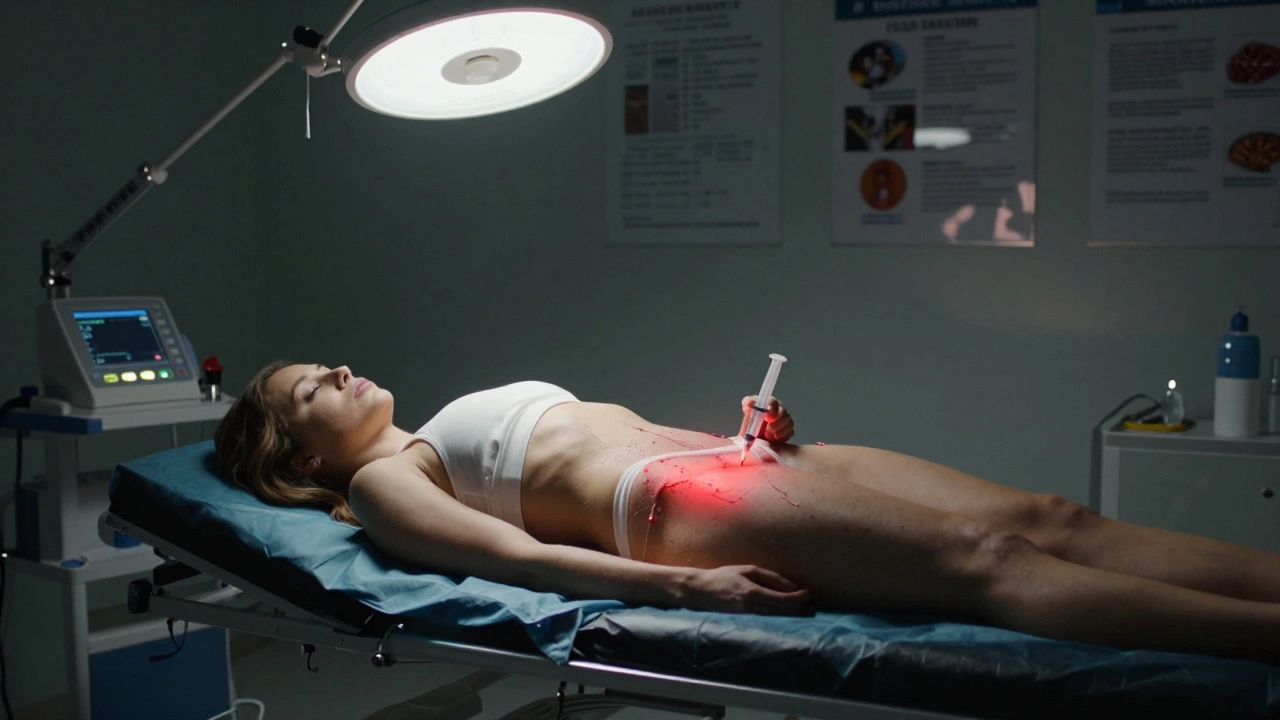
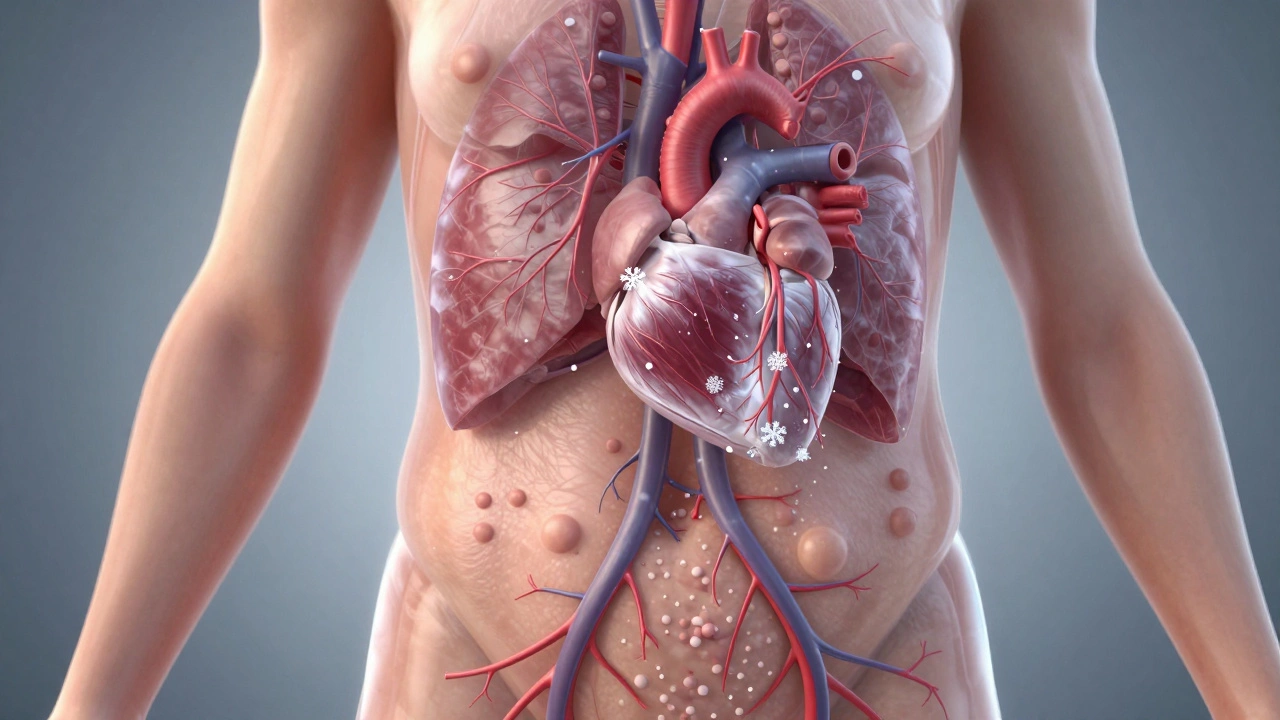
The Brazilian Butt Lift, or BBL, is the most risky cosmetic procedure currently performed in the UK. It’s not the most common, but it’s the deadliest. Between 2017 and 2021, the UK’s National Health Service recorded 21 deaths linked to BBLs. That’s more than all other cosmetic surgeries combined during that period. The fat transfer process sounds simple: take fat from your belly or thighs, clean it, and inject it into your buttocks. But here’s what most clinics don’t tell you: you’re not just moving fat. You’re injecting it into a network of veins that run straight to your heart and lungs.
When fat enters a vein-even a tiny amount-it can travel to your lungs and cause a fat embolism. This blocks blood flow, starves your organs of oxygen, and can kill you within minutes. In some cases, patients wake up fine after surgery, only to collapse hours later. Autopsies show fat particles clogging arteries in the lungs, brain, and heart. The risk isn’t theoretical. It’s documented. A 2023 study published in The British Journal of Plastic Surgery found that the death rate for BBLs is 1 in 3,000, making it 20 times more dangerous than breast augmentation.
Why Do People Still Do It?
It’s not just about wanting a bigger butt. Social media has turned the BBL into a cultural obsession. Influencers show off hourglass figures, often with no mention of the recovery pain, the asymmetry, or the fact that up to 40% of patients need revision surgery within five years. Many patients are young women, early 20s, who’ve never had surgery before. They see a $5,000 deal online and assume it’s safe because it’s “just fat.” But fat isn’t just fat. When injected incorrectly-too deep, too fast, too much-it becomes a time bomb.
Even certified surgeons warn against the procedure. The British Association of Aesthetic Plastic Surgeons (BAAPS) issued a public statement in 2024 calling BBLs “the most hazardous elective surgery in modern cosmetic practice.” They’ve pushed for a ban on non-surgeon practitioners performing the procedure. But in the UK, there’s no legal requirement for a surgeon to be registered with the General Medical Council to perform fat transfers. That means anyone with a needle and a clinic can legally do a BBL.
What Happens When It Goes Wrong?
Survivors of BBL complications don’t just have bruising. They have chronic pain, nerve damage, lumps that never go away, and infections that require multiple surgeries. Some develop fat necrosis-dead fat tissue that hardens into painful knots. Others suffer from deep vein thrombosis, where blood clots form in the legs and travel to the lungs. One patient I spoke with, a 24-year-old from Manchester, had her BBL done at a private clinic in Birmingham. Two weeks later, she had a stroke. She survived, but lost movement on her right side. Her surgeon never called to check on her. She found out later he wasn’t even a plastic surgeon-he was a dermatologist with a weekend course in liposuction.
Recovery isn’t just about sitting on a donut pillow. It’s about avoiding pressure on the buttocks for six weeks. Most people can’t follow that. They sit on couches, drive cars, go back to work. Every time they do, they risk pushing fat into blood vessels. And if the surgeon used a blunt cannula instead of a sharp one-common in cheaper clinics-the chance of puncturing a vein doubles.
Other High-Risk Procedures
BBL isn’t the only dangerous procedure. Here are three others that carry serious, underreported risks:
- Full Body Liposuction - Removing more than 5 liters of fat in one session can cause fluid imbalance, kidney failure, and cardiac arrest. The UK’s maximum safe limit is 3 liters, but some clinics push beyond that.
- Implant Exchange with Capsulectomy - Removing old breast implants and the scar tissue around them (capsule) can lead to massive blood loss, nerve damage, and long-term chest wall deformity. Many women don’t realize they’re at risk of breast implant illness, a condition with symptoms like brain fog, joint pain, and chronic fatigue.
- Facial Fat Grafting - Injecting fat into the face can block the retinal artery, causing permanent blindness. There have been at least 12 documented cases in the UK since 2019. One woman lost vision in both eyes after a filler injection meant to “lift” her cheeks.
These procedures are often marketed as “natural” or “minimally invasive.” But they’re not. They’re complex surgeries requiring deep anatomical knowledge, sterile conditions, and emergency backup. Most clinics offering them don’t have operating theatres. They use exam rooms with portable lights and no anaesthesiologist on site.
How to Protect Yourself
If you’re considering any cosmetic surgery in the UK, here’s what you need to do:
- Check the surgeon’s registration - Go to the General Medical Council website and search their name. Only surgeons with a specialist registration in plastic surgery should perform these procedures.
- Ask for the facility’s CQC rating - The Care Quality Commission inspects clinics. If the place isn’t rated or has a “requires improvement” or “inadequate” rating, walk away.
- Get a second opinion - Don’t rely on a salesperson’s pitch. Visit a hospital-based plastic surgery department. They won’t sell you anything-but they’ll tell you the truth.
- Ask about emergency protocols - If something goes wrong during surgery, who will help? Is there an anaesthetist? A defibrillator? A hospital transfer plan? If they hesitate, it’s a red flag.
- Never pay upfront - Reputable clinics offer payment plans. If they demand full payment before surgery, it’s a sign they’re not accountable.
The truth is, no cosmetic surgery is risk-free. But some procedures have risks that aren’t worth taking. The BBL is one of them. The data doesn’t lie. The deaths aren’t rare. And the people who survive often live with pain for the rest of their lives.

What’s Being Done?
Pressure is building. In 2025, the UK government proposed new laws requiring all cosmetic surgeons to be registered with the GMC and all clinics to be CQC-registered. The proposals also ban the use of unqualified practitioners and require informed consent forms that list death rates for each procedure. But these laws haven’t passed yet. Until they do, the market remains wild.
Some clinics are already changing. A few high-end practices in London and Manchester now refuse to perform BBLs altogether. Others have started publishing their complication rates. That’s progress. But it’s not enough.
Final Thought
You don’t need a bigger butt to feel beautiful. You don’t need fuller lips to be loved. And you don’t need to risk your life to look like someone on TikTok. The most dangerous cosmetic procedure isn’t the one with the sharpest tools or the highest price tag. It’s the one where you’re told it’s safe, because everyone else is doing it.
Is the Brazilian Butt Lift illegal in the UK?
No, the Brazilian Butt Lift (BBL) is not illegal in the UK. However, it is highly regulated in theory and poorly enforced in practice. Any practitioner can legally perform a BBL, even if they’re not a qualified plastic surgeon. The UK government is working on new laws to ban non-specialists from performing the procedure, but as of early 2026, those rules have not yet taken effect.
What are the signs of a fat embolism after a BBL?
Signs of a fat embolism include sudden shortness of breath, chest pain, confusion, rapid heart rate, and unexplained dizziness. These symptoms can appear within minutes to hours after surgery. If you experience any of these, go to the nearest emergency room immediately. Delaying care can be fatal.
Can breast implants cause long-term health problems?
Yes. Some patients develop a condition called breast implant illness (BII), which includes symptoms like chronic fatigue, joint pain, brain fog, hair loss, and autoimmune-like reactions. While the NHS doesn’t officially recognize BII as a medical diagnosis, thousands of patients report improvement after implant removal. The UK’s Medicines and Healthcare products Regulatory Agency (MHRA) is reviewing evidence and may update guidelines in 2026.
How do I find a qualified plastic surgeon in the UK?
Look for a surgeon registered with the General Medical Council (GMC) and listed as a specialist in plastic surgery. Check their profile on the GMC website and verify they’re a member of the British Association of Aesthetic Plastic Surgeons (BAAPS) or the British Association of Plastic, Reconstructive and Aesthetic Surgeons (BAPRAS). Avoid surgeons who advertise on social media with before-and-after photos only-reputable surgeons provide detailed consultations, not Instagram reels.
Are non-surgical fillers safer than surgery?
Not always. While fillers like hyaluronic acid are less invasive, they can still cause blindness if injected into facial arteries. There have been 12 cases of vision loss in the UK since 2019 from filler injections. Always choose a medically qualified practitioner with a deep understanding of facial anatomy. Avoid salons, spas, or unlicensed providers offering “quick lip fillers” for under £200.
Before you book any cosmetic procedure, ask yourself: is this worth losing my health, my mobility, or even my life? The answer for most people is no.