Pro Makeup Kit Builder
Not sure which pro brands to invest in? Select your primary focus and budget level to see the exact products top artists recommend for your situation.
Your Recommended Kit
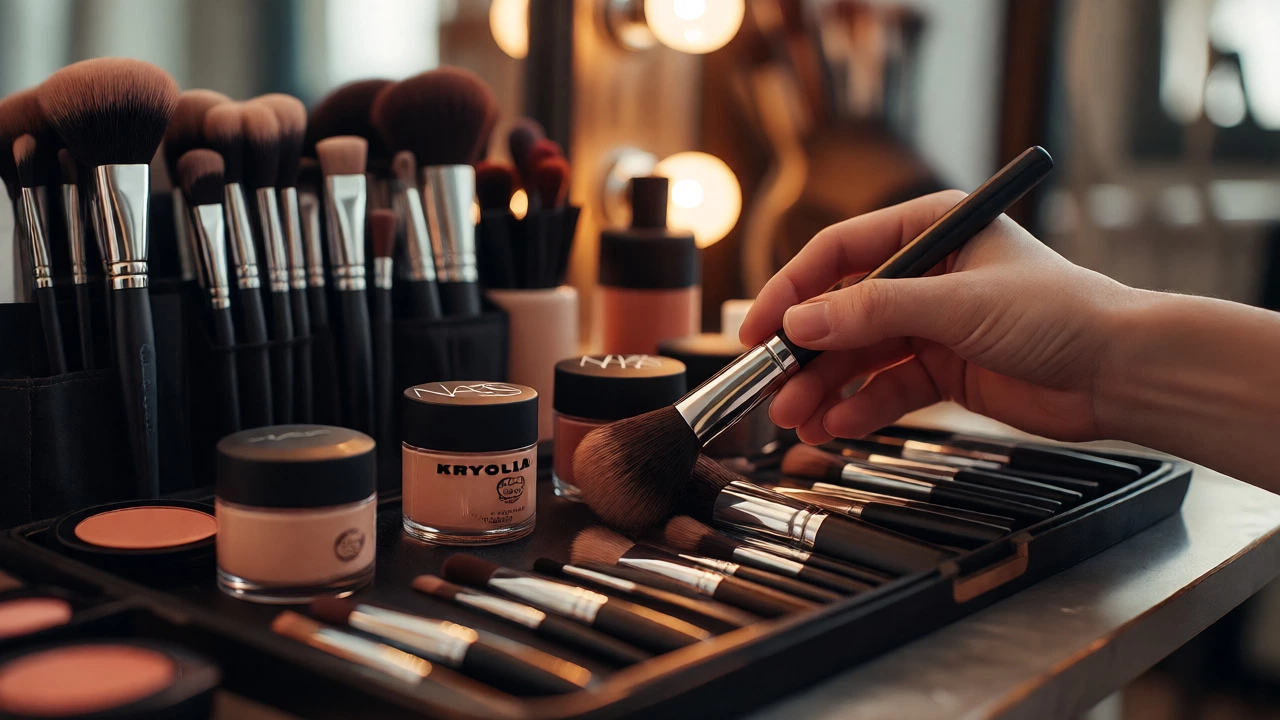
You walk into a drugstore, and the aisles are packed with thousands of options. You see influencers promoting new launches on TikTok every single day. Then you watch a behind-the-scenes video of a pro doing a bridal glam or an editorial shoot, and they pull out products that aren't even available to the general public yet. It makes you wonder: what makeup brand do most makeup artists use? Is it the same stuff we buy at Sephora, or is there a secret stash of professional-only tools?
Here’s the truth: there isn’t one single brand that rules them all. If you ask ten different artists in Auckland, London, or New York, you’ll get ten different answers. But if you look closely at their kits, certain names pop up over and over again. These aren’t just marketing gimmicks; these are workhorses. They are brands chosen for specific performance traits like longevity, color payoff, and blendability under harsh lighting conditions.
| Brand | Best For | Why Artists Love It |
|---|---|---|
| MAC Cosmetics | Foundation & Lipsticks | Unmatched shade range and durability under stage lights. |
| NARS | Cheeks & Complexion | Pigmented blushes that mimic natural skin texture. |
| Kryolan | Special Effects & HD | Film-grade coverage that withstands sweat and heat. |
| Pat McGrath Labs | Eyes & Artistry | High-pigment shadows that don't need primer. |
| Charlotte Tilbury | Bridal & Everyday Glam | Easy-to-use formulas that photograph beautifully. |
The Foundation Heavyweights
If there is one product category where professionals diverge from consumer trends, it’s foundation. While regular consumers might chase a "glass skin" dewy finish, makeup artists often prioritize control and longevity. The goal is to create a canvas that looks flawless through 8-hour shoots, emotional weddings, or humid summer days without breaking down.
MAC Cosmetics remains the industry standard for a reason. Founded in Toronto in 1984, it built its reputation on serving drag queens and theater actors who needed bold colors and heavy coverage. Today, their Studio Fix Fluid is still a go-to for many pros because it offers medium-to-full coverage that sets matte but doesn't look cakey. It holds up against sweat and humidity, which is crucial for outdoor events. However, newer brands like Armani Beauty have caught up. Their Luminous Silk Foundation is frequently cited by celebrity makeup artists for its ability to look like real skin on camera, avoiding the "mask-like" effect that older foundations sometimes had.
Another critical factor is shade matching. A brand might have great formula, but if it only comes in 30 shades, it’s useless for a diverse client base. Fenty Beauty changed the game when it launched with 40 shades (now expanded), forcing other brands to step up. Yet, many artists still prefer MAC or Kryolan for their extensive undertone variety, allowing them to mix custom matches for clients with unique complexions.
Eyes That Pop Under Lights
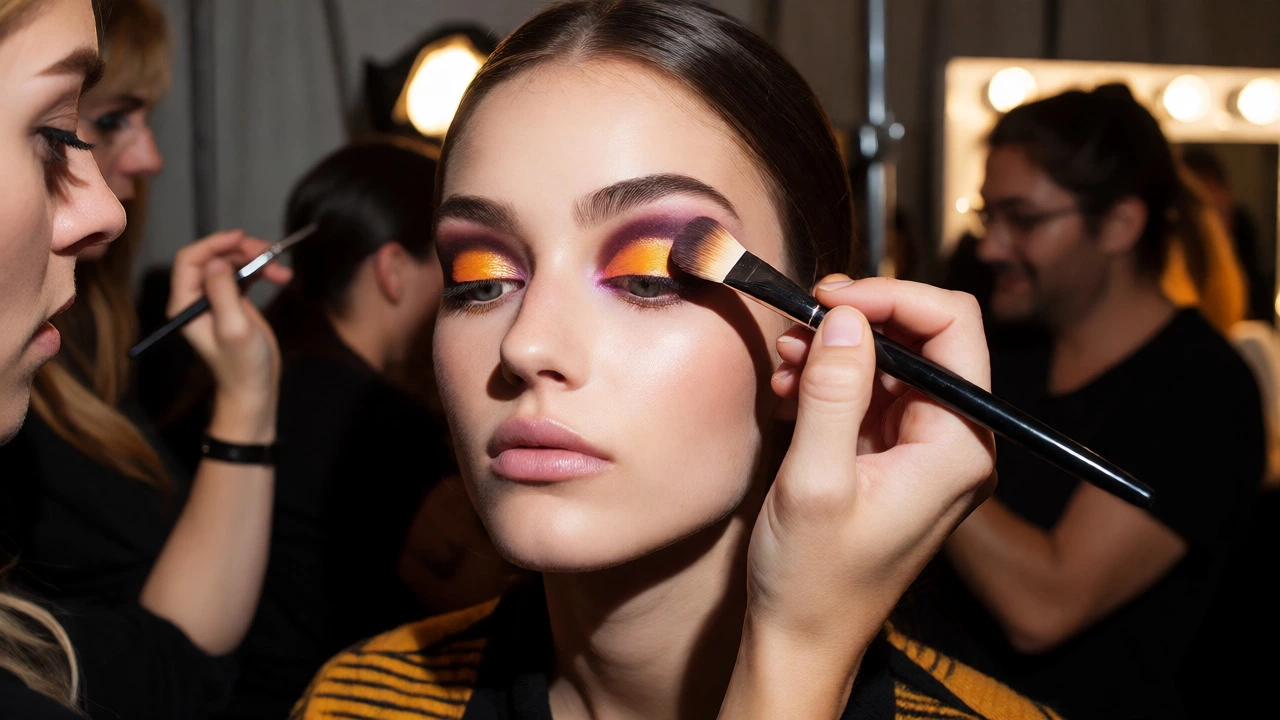
Eye makeup is where artistry really shines. In photography, subtle eye makeup can disappear completely. This is why professionals reach for highly pigmented palettes that deliver intense color with minimal effort. They don’t want to spend twenty minutes layering shadow to get the right depth.
Pat McGrath Labs has become synonymous with editorial beauty. Pat McGrath herself is known as the "Mother of Makeup," having worked on countless Vogue covers. Her eyeshadow palettes, like the Sublime Bronze or Divine Rose, offer buttery textures that adhere to the lid without fallout. Unlike cheaper alternatives, these shadows don't require a sticky primer to show up vividly. This saves time during fast-paced fashion week shows where an artist might be doing ten faces an hour.
For everyday bridal work, however, Pat McGrath might feel too intense. Here, Urban Decay’s Naked palettes still hold a spot in many kits. They provide neutral tones that enhance the eyes without overpowering the face. The key difference between pro and consumer usage here is technique. An artist will use a flat brush to pack pigment onto the lid for maximum impact, whereas a beginner might sweep it lightly across the crease. The brand supports both approaches, but the formulation is designed to withstand the rigorous blending techniques pros use.
Cheeks and Contour: The Sculpting Tools
Contouring has evolved significantly over the last decade. We’ve moved from the stark, gray-toned lines of the early 2010s to softer, more dimensional sculpting. Professionals need products that blend seamlessly into the skin, avoiding harsh lines that look unnatural in daylight.
NARS is arguably the king of cheek products. Their Orgasm blush is iconic, not just for its name, but for its universal flattering quality. It’s a peachy-pink shimmer that works on almost every skin tone. But beyond the hype, NARS provides a wide array of cream and powder blushes that build gradually. This controllability is vital for artists who need to adjust intensity based on the event. A wedding guest needs a soft flush; a runway model needs a dramatic pop. NARS accommodates both.
When it comes to contour, Tom Ford and Chanel are often the luxury choices. Why? Because their powders are finely milled. Coarse particles catch the light and emphasize pores, which is a nightmare in high-definition video. Fine-milled powders sit smoothly on the skin, creating a shadow effect rather than a stripe. For budget-conscious artists or those working with sensitive skin, Physicians Formula’s Butter Bronzer is a surprising favorite. It smells incredible, applies evenly, and costs a fraction of the designer brands, proving that price doesn't always equal performance.
The Secret Weapons: Setting and Primers
You can use the most expensive foundation in the world, but if it slides off after two hours, the job is failed. This is where setting sprays and primers come in. Most consumers skip this step or use generic drugstore versions. Pros swear by specific industrial-strength formulas.
Ben Nye is a legend in this space. His Final Seal setting spray was originally developed for Hollywood film sets. It’s strong-some say too strong for daily wear because it can smell like alcohol-but it locks makeup in place for 12+ hours. For a bride dancing all night, this is non-negotiable. Similarly, Mehron offers barrier sprays that protect makeup from sweat and tears, essential for emotional moments like vows being exchanged.
Primers serve a dual purpose: smoothing texture and extending wear. Smashbox Photo Finish Primer is ubiquitous in pro kits. It fills in fine lines and pores, creating a velvety surface for foundation to grip. Some artists prefer silicone-based primers for oily skin and water-based ones for dry skin. Knowing which primer pairs with which foundation is part of the craft. Mixing incompatible bases can cause pilling, where the makeup balls up on the skin instead of blending.
Why Kits Vary by Specialty
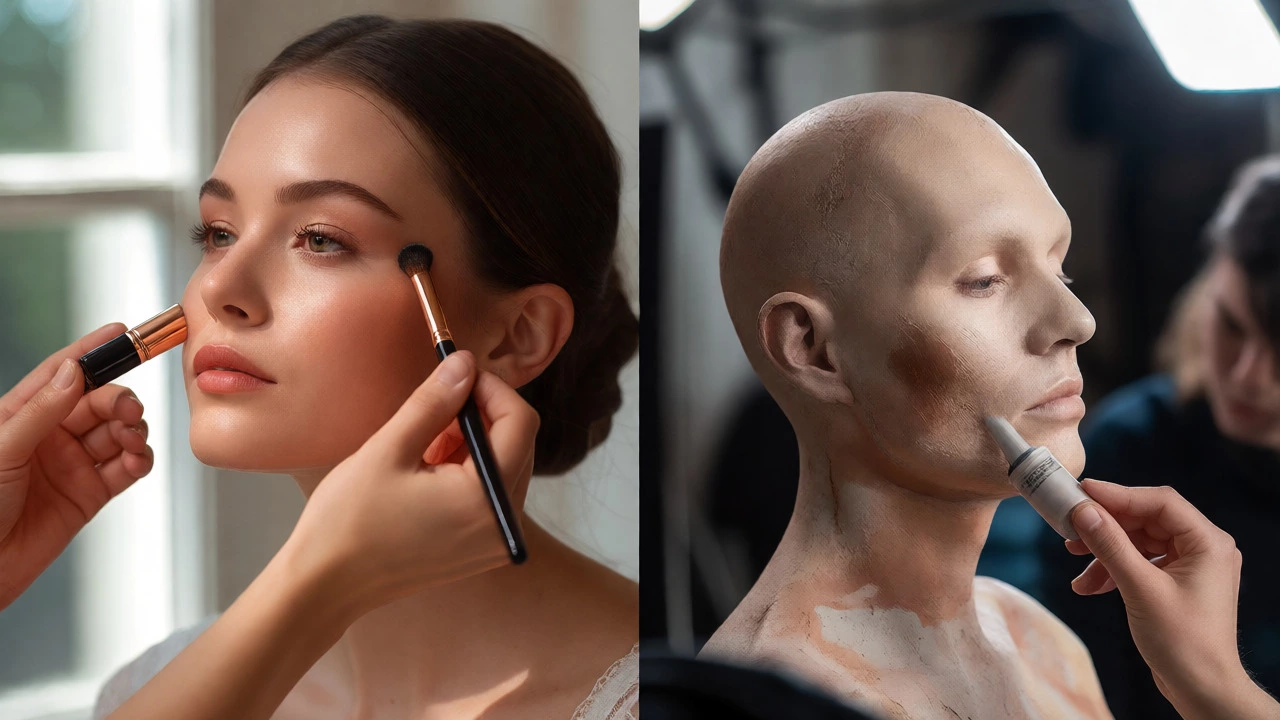
It’s important to recognize that "makeup artist" is a broad term. A special effects artist, a bridal specialist, and a film makeup artist all use different tools. Understanding these nuances helps you choose the right products for your own needs.
- Special Effects (SFX): These artists rely heavily on Kryolan and Mehron. They need alcohol-activated paints and durable adhesives that won't crack when facial muscles move. Consumer brands rarely offer this level of durability.
- Bridal: Focuses on photography-friendly products. Brands like Charlotte Tilbury and Huda Beauty are popular because they offer glowy finishes that look radiant in flash photography without looking greasy.
- Editorial/Fashion: Prioritizes creativity and trendiness. Pat McGrath Labs and Dior Backstage are staples here. Dior Backstage, in particular, is praised for its sheer, buildable formulas that allow for quick changes between looks on set.
This specialization explains why you won't find a single "best" brand. An SFX artist wouldn't bother with Charlotte Tilbury's Airbrush Flawless Finish Powder because it lacks the heavy-duty hold required for prosthetics. Conversely, a bridal artist might avoid Kryolan's Dermacolor Camouflage Cream because it can feel too heavy and mask-like for a daytime wedding.
How to Build Your Own Pro-Inspired Kit
You don’t need to buy everything at once. Start with the basics that offer the most versatility. Invest in a good foundation match first. Go to a counter at a department store and ask for a free shade match. Don’t trust online swatches alone; lighting plays tricks on your eyes.
Next, pick up a versatile palette. Instead of buying individual eyeshadows, look for a neutral-toned palette from Too Faced or ColourPop. ColourPop, while affordable, has gained respect among artists for its pigmentation and low price point, making it perfect for experimenting with bold colors without financial risk.
Finally, master your brushes. Even the best makeup looks bad with poor application. Look for synthetic bristles for cream products and natural hair blends for powders. Clean them weekly. Dirty brushes harbor bacteria and muddy colors, ruining the precision that defines professional work.
Do makeup artists use drugstore brands?
Yes, absolutely. Many professional artists mix high-end and drugstore products. Brands like Maybelline, L'Oréal, and e.l.f. are frequently used for mascaras, lip liners, and concealers. The key is performance, not price tag. If a $10 mascara lasts longer than a $40 one, the artist will use the $10 option.
Which foundation is best for mature skin according to pros?
Pros often recommend hydrating, luminous foundations for mature skin to avoid settling into wrinkles. Armani Beauty Luminous Silk, Giorgio Armani Power Fabric, and NARS Natural Radiant Longwear are top choices. They provide coverage while maintaining a skin-like finish that reflects light softly.
Is MAC Cosmetics still relevant for modern makeup artists?
Yes, MAC remains highly relevant, especially for its lipstick collection and studio fix foundation. While some newer brands offer trendier packaging or cleaner ingredients, MAC's reliability, shade range, and global availability make it a staple in almost every professional kit.
What setting spray do celebrities use?
Many celebrity makeup artists cite Ben Nye Final Seal, Urban Decay All Nighter, and MAC Prep + Prime Fix+ as their go-tos. The choice depends on the desired finish: Final Seal for matte and long-wear, All Nighter for sweat resistance, and Fix+ for a dewy, fresh look.
Are professional makeup brands cruelty-free?
Not all of them. Historically, many pro brands sold in mainland China, where animal testing was mandatory. However, laws have changed, and brands like MAC, NARS, and Charlotte Tilbury are now cruelty-free. Always check current certifications if this matters to you, as policies can shift.