Cosmetic Surgery Recovery Difficulty Calculator
Use this tool to estimate the recovery challenges associated with common cosmetic procedures based on pain levels, downtime, and specific constraints.
Recovery Estimate
You might be sitting on the edge of your seat, scrolling through glossy before-and-after photos, dreaming of a new nose or a tighter waistline. But then you hear the whispers: "The recovery is brutal." "I couldn't move for weeks." It’s enough to make anyone hesitate. So, what is actually the hardest surgery to recover from?
The short answer? It depends on whether you mean physical pain, emotional toll, or sheer inconvenience. But if we are talking about raw physical difficulty and the length of time it takes to get back to normal life, major reconstructive procedures and complex body contouring surgeries usually top the list. In the world of cosmetic surgery UK, patients often underestimate how demanding the healing process can be.
Defining "Hard": Pain vs. Duration vs. Complexity
Before we rank the surgeries, we need to define what makes a recovery "hard." Is it the sharp, acute pain in the first 48 hours? Or is it the dull, nagging ache that lasts for months? Is it the inability to sleep without props? Or the psychological struggle of seeing yourself swollen and bruised when you expected perfection?
Medical professionals often look at three metrics:
- Acute Pain Levels: How much medication do you need in the first week?
- Functional Limitation: Can you drive? Can you lift your children? Can you work?
- Healing Timeline: When do you look "normal" again? (This is often much longer than when the pain stops.)
A simple rhinoplasty might have high functional limitation (you feel like you’re breathing through a straw) but low physical pain. Conversely, a tummy tuck has moderate pain but massive functional limitations (you can’t stand up straight). Let’s break down the contenders for the title of "hardest recovery."
The Body Contouring Heavyweights: Tummy Tucks and Liposuction
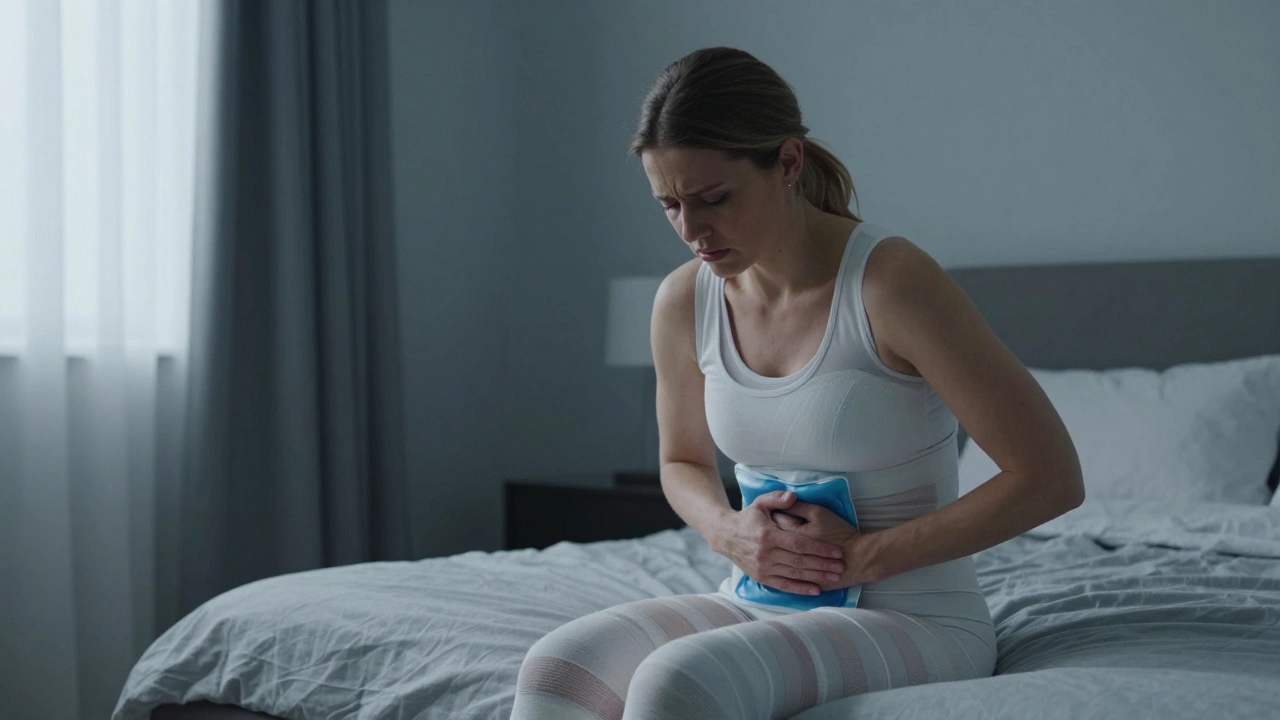
If you ask plastic surgeons in London or Manchester which elective procedure has the most grueling immediate aftermath, many will point to the abdominoplasty, commonly known as a tummy tuck. This isn’t just removing fat; it involves tightening the underlying abdominal muscles. Imagine doing thousands of sit-ups and then having those muscles stitched together while they heal. That is the sensation.
Patients report feeling like they’ve been kicked in the stomach repeatedly. For the first two weeks, standing up straight is nearly impossible. You walk hunched over. Getting out of bed requires a core engagement strategy that feels more like a gymnastics routine than a morning stretch. Add in the drains-tubes left in place to remove fluid-and the constant worry about infection or blockage, and the mental load increases significantly.
When combined with liposuction of the thighs, buttocks, and arms (often called a "body lift"), the surface area of trauma expands. Swelling becomes systemic. The lymphatic system goes into overdrive, leading to significant fluid retention that can last for months. This is not a weekend getaway; this is a multi-month commitment to compression garments, massage therapy, and patience.
| Procedure | Acute Pain (1-10) | Downtime (Weeks) | Main Challenge |
|---|---|---|---|
| Tummy Tuck (Abdominoplasty) | 7-9 | 4-6 | Mobility, muscle tightness, drains |
| Rhinoplasty | 3-5 | 2-3 | Breathing restriction, swelling, psychological adjustment |
| Facelift | 5-7 | 2-4 | Numbness, tightness, social visibility of bruising |
| Breast Augmentation | 4-6 | 1-2 | Chest tightness, sleeping position restrictions |
| Brazilian Butt Lift (BBL) | 6-8 | 3-4 | Sitting restrictions, risk management, prolonged lying down |
The Invisible Struggle: Rhinoplasty and Facial Surgeries
Don’t let the lower pain scores fool you. A rhinoplasty, or nose job, is widely considered one of the most psychologically difficult recoveries. Why? Because your face is your identity. And for the first two weeks, your face is unrecognizable.
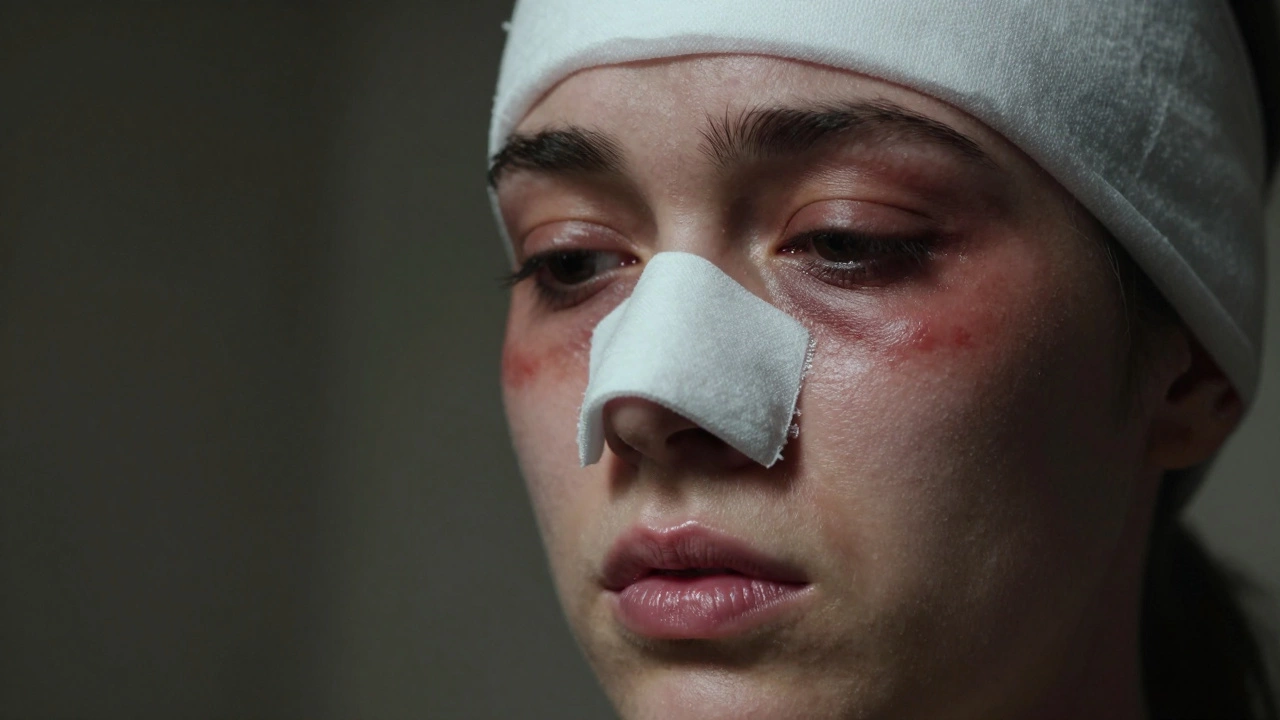
You wake up with a cast on your nose. Your eyes are puffy shut. You breathe exclusively through your mouth, which leads to dry lips, bad breath, and disrupted sleep. The anxiety sets in quickly: "Did it go wrong?" "Is it too big?" "Why does it look so crooked?"
The swelling in rhinoplasty is deceptive. While the cast comes off after a week, the subtle swelling around the tip of the nose can take up to a year to fully resolve. During this time, you see changes daily. One day it looks perfect; the next, it looks bulbous. This emotional rollercoaster is a unique form of suffering that doesn’t show up on pain scales but deeply affects patient satisfaction and mental health.
Facelifts share some of this burden. The tension in the skin can feel like a tight helmet. Numbness in the cheeks and scalp is common and can be unsettling. You might smile and feel nothing. You might touch your face and wonder if you’re touching it at all. Reconnecting with your sensory feedback loop takes time.
The Brazilian Butt Lift (BBL): A Unique Constraint
In recent years, the Brazilian Butt Lift (BBL) has gained popularity, but its recovery profile is distinctively harsh due to safety protocols rather than just pain. After fat transfer to the buttocks, patients are strictly forbidden from sitting or lying directly on their glutes for several weeks. This is critical to ensure blood flow to the grafted fat cells.
Imagine trying to live your life without sitting. You can’t drive comfortably. You can’t sit at a desk job. You sleep on specialized BBL pillows or lie on your stomach and sides. The pressure builds in your hips and tailbone. Many patients report that the discomfort of maintaining these positions outweighs the surgical pain itself. It’s a test of endurance and discipline.
Reconstructive vs. Cosmetic: The Elephant in the Room
We must acknowledge that "hardest" is relative. Reconstructive surgeries, such as mastectomies with flap reconstruction (using tissue from the abdomen or back to rebuild the breast after cancer removal), involve massive incisions, long operating times, and complex healing processes. These patients often deal with chronic pain, nerve damage, and significant lifestyle adjustments. Their recovery is objectively harder than any elective cosmetic procedure. However, since our focus here is on cosmetic surgery UK trends and patient inquiries, we keep the comparison within elective aesthetics, though the respect for reconstructive patients should always remain paramount.
Navigating Recovery in the UK: Private Healthcare and Support
If you are considering surgery in the UK, understanding the support system is crucial. Unlike some countries where nurses stay overnight, UK private hospitals typically discharge patients within 24 hours for most cosmetic procedures. This means your home environment must be ready.
Here is what you need to prepare for a smoother recovery:
- Help at Home: You cannot do this alone. Arrange for a friend or family member to stay with you for at least the first 3-5 days. They will manage meals, medications, and emergencies.
- Medication Management: Don’t wait until you are in agony to take painkillers. Stay ahead of the pain curve. Anti-nausea medication is also essential, as strong opioids often upset the stomach.
- Compression Garments: Buy them beforehand. They are uncomfortable, hot, and difficult to put on. Having them ready reduces stress on day one.
- Follow-Up Care: Ensure your surgeon offers clear lines of communication. In the UK, reputable clinics provide dedicated nurse helplines for post-op questions.
Cost is another factor. In the UK, private cosmetic surgery can range from £3,000 for a nose job to over £10,000 for extensive body contouring. Cheap options often cut corners on anesthesia safety and post-op care, which drastically increases the risk of complications and extends recovery time. Always check if your surgeon is registered with the General Medical Council (GMC) and holds specialist membership in recognized bodies like ISAPS or BAAPS.

Psychological Preparation: The Unsung Hero of Recovery
The hardest part of recovery isn’t always the body; it’s the mind. Post-surgery blues are real. Hormonal shifts from anesthesia, pain medication, and the shock of bodily change can trigger temporary depression or anxiety.
Set realistic expectations. Talk to your surgeon about what "normal" looks like at each stage. Ask to see photos of patients at 2 weeks, 1 month, and 3 months post-op, not just the final result. Understanding that swelling peaks at day 3-5 and then slowly subsides helps you stay calm during the ugliest phase.
Connect with others. Online forums and support groups can be invaluable, but beware of negativity bias. People are more likely to post about their disasters than their smooth recoveries. Balance online reading with professional advice.
Red Flags: When Recovery Goes Wrong
Knowing when to call the doctor is part of surviving recovery. Contact your surgical team immediately if you experience:
- Fever above 38°C (100.4°F)
- Increasing redness, warmth, or pus at incision sites
- Severe, sudden pain that isn’t relieved by medication
- Shortness of breath or chest pain (signs of blood clots)
- Excessive bleeding or fluid leakage
Early intervention prevents minor issues from becoming major setbacks.
Final Thoughts on Enduring the Process
So, what’s the hardest surgery to recover from? If you value mobility and ease, avoid full abdominoplasties and BBLs. If you value appearance and can handle confinement, rhinoplasty might be easier physically but harder emotionally. There is no "easy" surgery. Every incision demands a price in time, comfort, and patience.
The key is preparation. Choose an experienced surgeon, plan your support network, and give yourself grace during the healing process. Your body is doing incredible work to repair itself. Respect that process, and the results will be worth the journey.
How long does it take to fully recover from a tummy tuck?
While you may return to light office work in 2-3 weeks, full recovery from a tummy tuck (abdominoplasty) typically takes 6-8 weeks. Strenuous exercise should be avoided for at least 8-12 weeks. Swelling can persist for several months, with final results visible after 6-12 months.
Is rhinoplasty painful during recovery?
Rhinoplasty is generally not considered highly painful compared to other surgeries. Most patients describe it as discomfort, congestion, and pressure rather than sharp pain. The main challenges are breathing difficulties and the psychological impact of facial swelling and bruising.
Can I drive myself home after cosmetic surgery?
No, you should never drive yourself home after surgery involving general anesthesia. Additionally, pain medications impair reaction times. You must arrange for a responsible adult to drive you home and stay with you for at least the first 24 hours.
What are the risks of getting cosmetic surgery in the UK?
Risks include infection, bleeding, poor scarring, anesthesia reactions, and dissatisfaction with results. Choosing a GMC-registered surgeon working in a CQC-regulated facility minimizes these risks. Always review the surgeon’s complication rates and before/after photos honestly.
How much does cosmetic surgery cost in the UK?
Costs vary widely. A rhinoplasty might cost between £4,000 and £8,000. A tummy tuck can range from £6,000 to £12,000. Breast augmentation typically costs £4,500 to £7,500. These prices usually include surgeon fees, anesthesia, and hospital charges, but always confirm what is included.