Prescription Savings Strategy Finder
Answer a few questions to discover the most effective way to reduce your medication costs.
Your Recommended Strategy
- Generic alternatives often provide the same clinical results at a fraction of the cost.
- Pharmaceutical company assistance programs can sometimes cover 100% of the cost for eligible patients.
- Pharmacy discount cards and coupons can slash prices instantly without needing insurance.
- Talking openly with your doctor about costs allows them to find cheaper therapeutic alternatives.
Start with the Doctor's Office
Most people wait until they get to the pharmacy to realize they can't afford their medicine. By then, the script is already written. The best time to tackle prescription costs is actually during the appointment. Doctors often prescribe the "gold standard" brand-name drug without knowing if your insurance covers it or if you're paying out of pocket. Be blunt with your provider. Tell them, "I cannot afford this medication if it costs more than $20 a month." This triggers a process called therapeutic substitution. Your doctor might realize that a different drug in the same class-perhaps one that is older and therefore cheaper-will work just as well for your specific condition. For example, if a new, branded blood pressure medication is too expensive, they might switch you to a well-established ACE inhibitor that costs pennies per pill.Another move is asking for samples. Pharmaceutical reps often leave "starter kits" in clinics. While these aren't a long-term fix, a two-week supply of a medication gives you a critical window to find a discount program or wait for your next paycheck without missing a dose.
The Power of Generic Substitutions
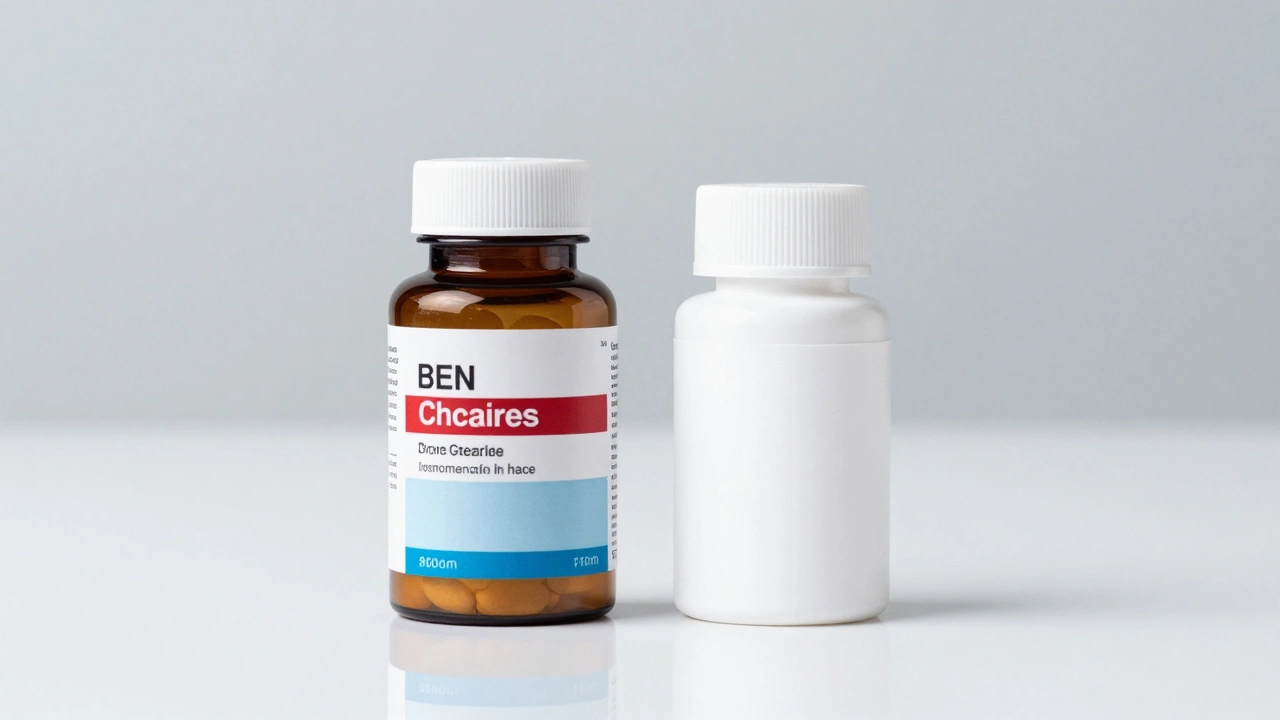
When you hear the word "generic," don't think of it as a low-quality version. In the eyes of regulatory bodies like the FDA the agency responsible for protecting public health by ensuring the safety and efficacy of medicines, a generic drug must be bioequivalent to the brand-name version. This means it has the same active ingredient, strength, dosage form, and route of administration.
| Feature | Brand Name | Generic Version |
|---|---|---|
| Active Ingredient | Original patented formula | Identical chemical compound |
| Price Point | High (due to R&D and marketing) | Low (competitive market pricing) |
| Efficacy | Proven clinical results | Must show same efficacy (Bioequivalence) |
| Appearance | Specific shape/color | Varies by manufacturer |
If your pharmacist tells you the brand is too expensive, ask: "Is there a generic version available for this?" Sometimes, the insurance company requires "step therapy," meaning you have to try the cheapest generic option first before they will pay for the expensive brand. If you've already tried the generic and it didn't work, your doctor can file a "Prior Authorization" to tell the insurance company that the expensive version is medically necessary.
Using Patient Assistance Programs (PAPs)
For those dealing with chronic or rare diseases, the cost can be thousands of dollars a month. This is where Patient Assistance Programs financial aid programs run by pharmaceutical manufacturers to provide free or discounted drugs to low-income patients come into play. These are not coupons; they are comprehensive programs run by the drug makers themselves.
To access a PAP, you usually have to provide proof of income, such as a tax return or a W-2. If you qualify, the manufacturer may ship the medication directly to you or your doctor for free. This is common for biologics-the complex proteins used to treat things like rheumatoid arthritis or psoriasis-where the list price is astronomical.
If you aren't sure where to start, look at the website of the company that makes the drug. Look for a tab labeled "Patient Support" or "Savings." If the website is confusing, your pharmacist can often point you toward the specific application form needed to qualify for these grants.
Digital Coupons and Discount Cards
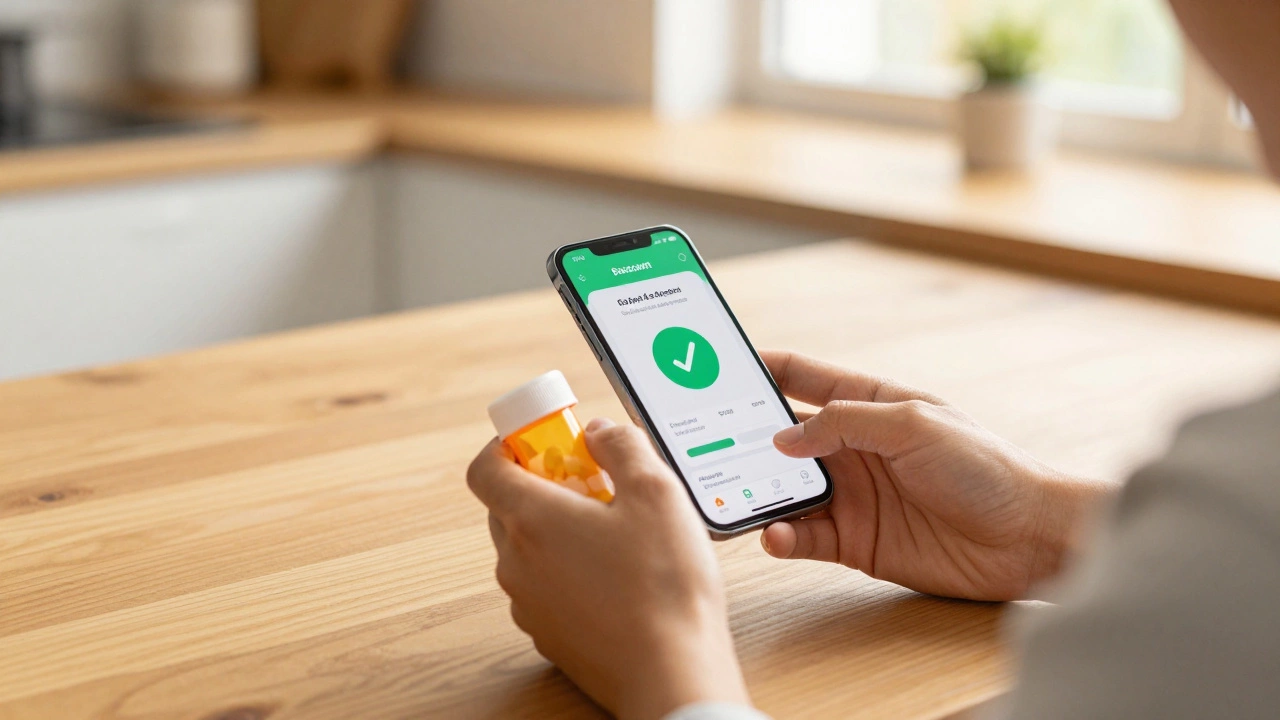
You've probably seen those bright orange or blue coupons in magazines, but the digital era has made this much faster. Services like GoodRx a pharmacy benefits company that provides free coupons for prescription drugs or SingleCare aggregate prices from different pharmacies in your zip code. Believe it or not, the price for the same drug can vary by $50 or more between a CVS and a Walgreens just a few blocks apart.
Here is how these work: they aren't insurance. They are essentially "negotiated rates." The company has a deal with the pharmacy to offer a lower price to its users. You simply show the coupon on your phone at the checkout. A pro tip: if you have insurance, try the coupon first. Sometimes the "cash price" with a coupon is actually lower than your insurance co-pay. Just remember that using a coupon usually means the cost doesn't count toward your insurance deductible.
Navigating Pharmacy-Specific Options
Not all pharmacies are created equal. Big-box stores often have "$4 generic lists" where a huge variety of common medications-like Simvastatin for cholesterol or Lisinopril for blood pressure-are sold for a flat, low fee regardless of insurance. If your local pharmacy is too expensive, check if a grocery store pharmacy (like Kroger or Publix) or a warehouse club (like Costco) has a lower cash price for that specific drug. In many cases, you don't even need to be a member to use the pharmacy at a warehouse club.
Another option is the 90-day fill. Asking for a three-month supply instead of a 30-day supply often reduces the cost per pill and saves you multiple co-pays. Some insurance plans even mandate this for maintenance drugs to save money on shipping and administration.
Community Resources and Non-Profits
When the manufacturer and the insurance company both say "no," there are non-profit organizations that step in. Organizations like NeedyMeds a non-profit organization that connects patients with programs that help them afford medications maintain huge databases of assistance options. They can help you find local clinics that provide medications on a sliding scale based on your income.
In some regions, community health centers provide "340B pharmacies." These are pharmacies that receive federal discounts on drugs, and they are required to pass those savings on to patients. If you are uninsured or underinsured, searching for a "Federally Qualified Health Center" (FQHC) in your area can lead you to a pharmacy where the costs are significantly lower than at a commercial retail chain.
Can I ask my doctor for a cheaper version of my medicine?
Yes, and you should. Doctors often prescribe the newest drug because it's the latest research, but older "gold standard" medications are often just as effective and significantly cheaper. Simply tell them your budget, and they can check for therapeutic alternatives.
What is the difference between a discount coupon and a Patient Assistance Program?
A coupon (like GoodRx) provides a discounted cash price for anyone. A Patient Assistance Program (PAP) is a financial aid program run by the drug company for people who meet specific income requirements, often providing the drug for free.
Do generic drugs work as well as brand-name drugs?
Yes. By law, generic drugs must have the same active ingredient, strength, and dosage as the brand-name version. They are bioequivalent, meaning they work the same way in your body.
Will using a discount card affect my insurance coverage?
Generally, no. However, if you use a discount card instead of your insurance, the amount you pay will not count toward your annual deductible. It's a trade-off: immediate savings versus progress toward your deductible.
What should I do if I absolutely cannot afford my medication today?
First, do not stop taking your medication without talking to your doctor, as some drugs cause dangerous withdrawal or rebound effects. Contact your doctor's office immediately and ask for samples. Then, check sites like NeedyMeds or GoodRx for immediate price drops.
Next Steps for Different Situations
If you have insurance but the co-pay is too high: Request a "formulary exception" from your insurance provider. Your doctor must argue that the cheaper options on the insurance list (the formulary) are not safe or effective for you. This can force the insurance company to cover a more expensive drug at a lower co-pay.
If you are completely uninsured: Focus on the "$4 generic lists" at major retailers and look for Federally Qualified Health Centers. Use digital discount tools to compare cash prices across your city, as the variance is often surprising.
If you are taking a specialty/biologic drug: Go straight to the manufacturer's website. These drugs are almost always managed through a specific co-pay card or a Patient Assistance Program because the cost is too high for standard retail pharmacy options.