
Dental Implant Candidacy Estimator
Answer the following questions to get a personalized assessment of your potential suitability for dental implants.
Your Assessment Result
Complete the form and click "Assess My Candidacy" to see your personalized results.
Disclaimer: This tool provides general information based on common dental guidelines. It is not a medical diagnosis. Always consult with a qualified dentist or oral surgeon for a professional evaluation, including CBCT scans and clinical examination.
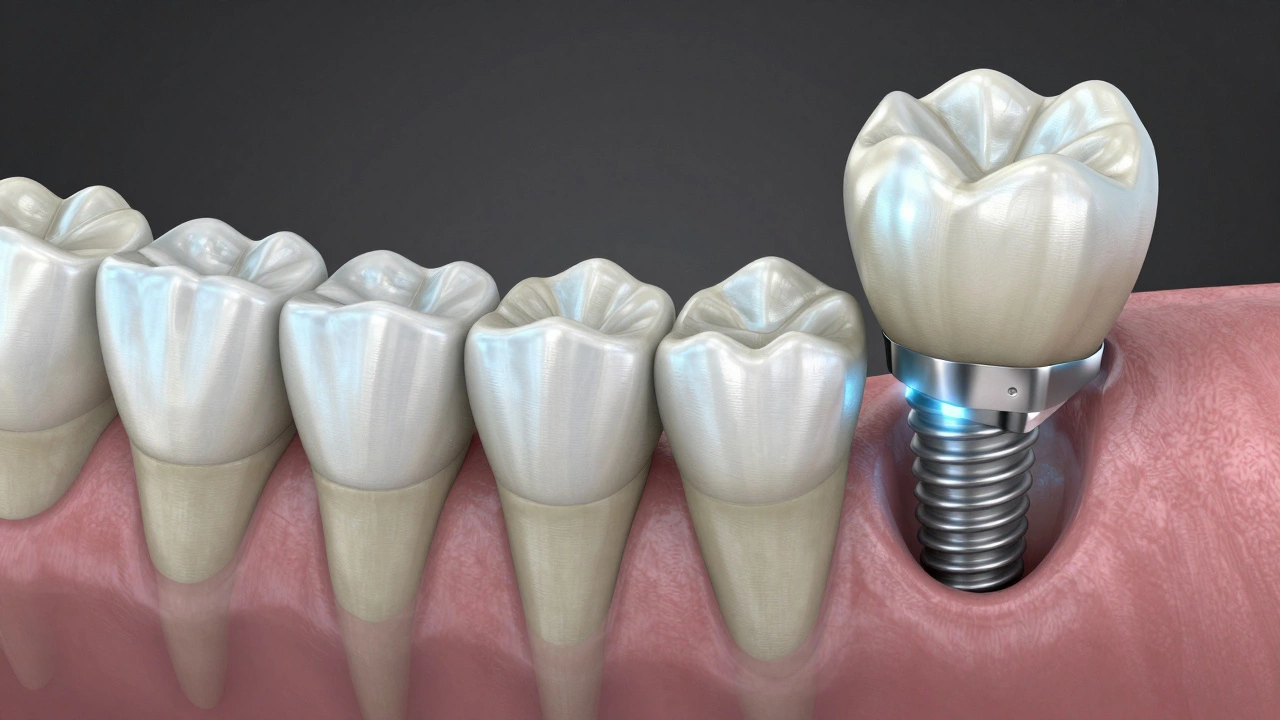
There is a persistent myth in dentistry that if you missed the boat in your twenties, you’ve missed it forever. You might have heard whispers that after a certain age-say, 60 or 70-the body simply stops cooperating with foreign objects like dental implants, which are titanium posts surgically placed into the jawbone to replace missing tooth roots. The truth is far more encouraging: there is no strict upper age limit for getting dental implants. In fact, many of the most successful candidates are seniors who want to reclaim their ability to eat steak, laugh without covering their mouth, and speak clearly.
However, "no age limit" does not mean "no criteria." While chronological age is rarely the dealbreaker, physiological age and overall health play massive roles. If you are wondering whether you are too old, too frail, or if your bones are too weak, the answer usually lies in your specific medical history rather than the number on your birthday cake. Let’s break down what actually determines if you are a candidate, especially within the context of healthcare systems like those in the UK where access can vary.
The Myth of the Age Cut-Off
Dentists do not look at a calendar to decide if you qualify for an implant. They look at your biology. A healthy 85-year-old with good bone density and managed blood pressure is often a better candidate than a 40-year-old smoker with uncontrolled diabetes. The key factor is osseointegration, the process where the titanium screw fuses directly with the living bone tissue. This biological bonding requires healthy blood flow and active bone cells.
If your body can heal a cut on your finger or recover from minor surgery, it likely has the capacity to heal around an implant. Studies show that success rates for implants in patients over 70 are nearly identical to those in younger adults, provided systemic health conditions are stable. The misconception arises because older adults are more likely to have comorbidities (multiple health issues) that complicate surgery, not because aging itself prevents the procedure.
Bone Density: The Real Hurdle
The biggest physical barrier for older patients is not age, but jawbone resorption, the natural loss of bone mass in the jaw that occurs when teeth are missing. When you lose a tooth, the bone that supported it begins to shrink away because it no longer receives stimulation from chewing forces. Over decades, this can leave the jaw too thin or soft to hold an implant securely.
This is common in post-menopausal women due to hormonal changes affecting bone density, a condition known as osteoporosis. However, even if your jawbone has deteriorated significantly, you are not necessarily disqualified. Modern dentistry offers solutions for low bone volume:
- Bone Grafting: Surgeons can add synthetic or donor bone material to rebuild the jaw structure before placing the implant. This adds time to the treatment plan (often 3-6 months for healing) but makes implants possible for many who thought they were done.
- Zygomatic Implants: For severe bone loss in the upper jaw, these longer implants anchor into the cheekbone (zygoma) rather than the maxilla, bypassing the need for extensive grafting.
- All-on-4 Technique: This method uses four strategically angled implants to support a full arch of teeth, often utilizing denser bone areas that remain even after significant resorption.
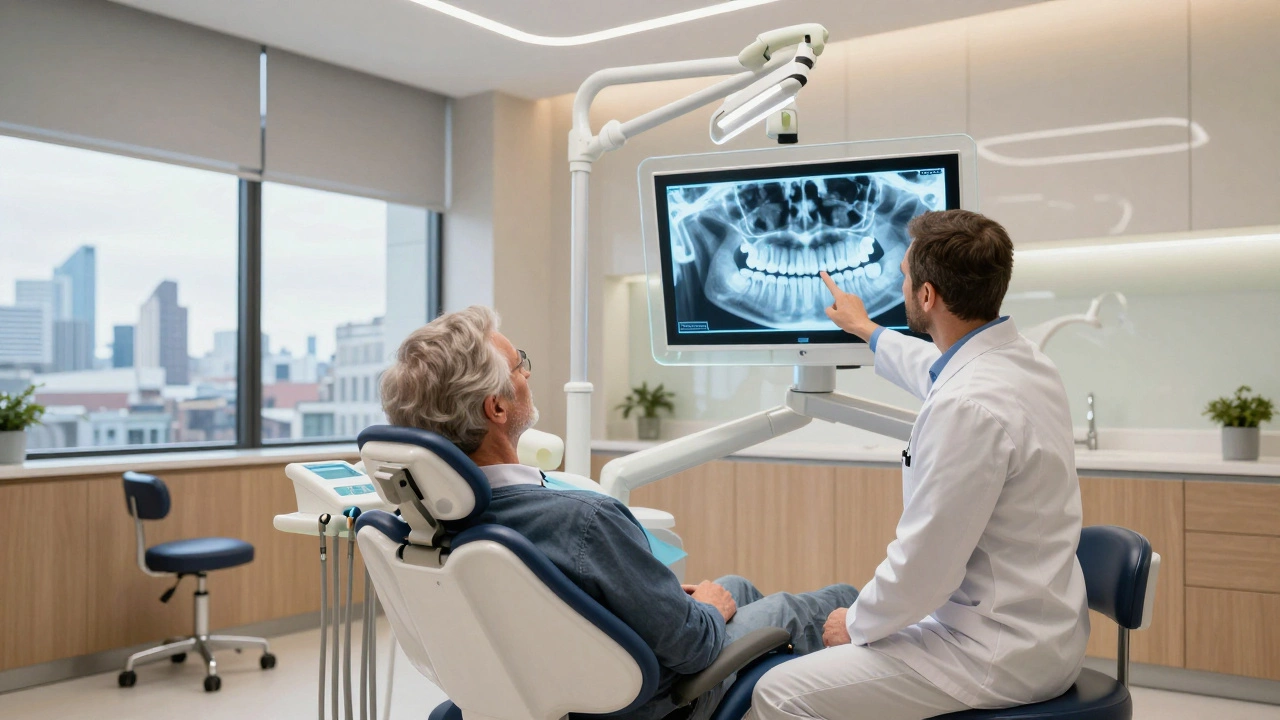
If you have had missing teeth for years, ask your dentist about a CBCT scan (Cone Beam Computed Tomography). This 3D imaging tool provides precise measurements of your bone height and width, giving a definitive answer on whether you have enough native bone or if grafting is required.
Health Conditions That Matter More Than Age
Your general health status is the primary filter for implant eligibility. Certain conditions can interfere with healing or increase the risk of infection. Here is how common health issues impact your candidacy:
| Condition | Risk Level | Considerations & Mitigation |
|---|---|---|
| Uncontrolled Diabetes | High | Poor blood sugar control slows healing and increases infection risk. HbA1c levels should ideally be below 7% before surgery. |
| Osteoporosis Medication | Moderate to High | Drugs like bisphosphonates (especially IV forms) can inhibit bone remodeling. A drug holiday may be needed, coordinated with your GP. |
| Blood Thinners | Low to Moderate | Medications like Warfarin or Aspirin increase bleeding risk. Surgery can often proceed with minor adjustments or temporary pauses. |
| Smoking | High | Nicotine constricts blood vessels, starving the implant site of oxygen. Quitting even two weeks prior significantly boosts success rates. |
| Radiation Therapy (Head/Neck) | Very High | Radiation damages blood supply to the jaw. Hyperbaric oxygen therapy may be required to prevent osteoradionecrosis. |
Note that having these conditions doesn’t automatically ban you from implants. It means your care team needs to coordinate with your physician. For example, if you take blood thinners, your dentist might schedule the surgery early in the day so any bleeding can be monitored closely, or advise you to continue your medication while using local hemostatic agents during the procedure.
The Cognitive Factor: Can You Maintain Them?
Dental implants require lifelong maintenance. Unlike natural teeth, they cannot decay, but they are susceptible to peri-implantitis, a gum disease-like inflammation that destroys the bone supporting the implant. This condition is caused by plaque buildup and poor oral hygiene.
If a patient has advanced dementia or severe cognitive decline that prevents them from brushing, flossing, or attending regular check-ups, implants may not be the best choice. In such cases, removable dentures managed by a caregiver might be safer and more practical. However, mild memory issues or early-stage cognitive decline are not barriers. Many seniors use electric toothbrushes, water flossers, and scheduled professional cleanings to keep their implants pristine. The question isn’t just "Can they get them?" but "Can they care for them?" If the answer is yes, either independently or with family support, you are likely still a candidate.
Navigating Costs and Access in the UK
In the UK, the financial landscape for dental implants can be confusing. Under the National Health Service (NHS), dental implants are generally considered a cosmetic procedure and are rarely covered unless there are exceptional clinical reasons, such as trauma, cancer reconstruction, or congenital defects. For most elderly patients looking to replace lost teeth, the NHS will offer traditional dentures instead.
This means most people pursue implants through private practice. Prices in the UK vary widely depending on location (London and the South East tend to be higher) and the complexity of the case. A single implant can range from £1,500 to £3,000, while full-mouth reconstructions can exceed £10,000 per arch.
For those concerned about cost, consider these options:
- Payment Plans: Many private clinics offer interest-free financing over 12-24 months.
- Dental Tourism: Some UK residents travel to countries like Turkey or Hungary for lower costs. However, be cautious about follow-up care. If an implant fails three months after you return home, finding a local dentist willing to fix work done abroad can be difficult and expensive.
- Hybrid Approaches: Sometimes, replacing only the front few teeth with implants (for aesthetics and speech) and using a removable partial denture for the back molars (for function) can reduce costs while improving quality of life.
Always seek a second opinion. Get quotes from at least three different specialists. Ensure the quote includes the abutment (the connector piece) and the crown (the visible tooth), as some initial prices only cover the surgical placement of the titanium post.
When Is It Actually Too Late?
So, when is the door truly closed? It is rarely about age. It is usually one of these scenarios:
- Severe Unmanaged Systemic Disease: If a patient has life-limiting illnesses that make anesthesia risky or healing impossible, elective surgery is contraindicated.
- Extreme Bone Loss Without Grafting Options: In rare cases, the bone structure is so compromised that even zygomatic implants are not viable, though this is uncommon.
- Lack of Commitment to Hygiene: If a patient refuses to maintain oral hygiene despite education and assistance, implants will fail.
For the vast majority of seniors, including those in their 80s and 90s, dental implants are a safe, effective, and life-enhancing option. The technology has matured significantly over the last two decades. Surface treatments on titanium screws now promote faster bone integration, and digital planning tools allow for minimally invasive surgeries that reduce recovery time.
If you are hesitant because of your age, remember this: your mouth is part of your whole body. Poor dental health is linked to heart disease, respiratory infections, and worsening diabetes. Replacing missing teeth isn't just about vanity; it's about nutrition and overall longevity. Don't let the myth of being "too old" stop you from consulting a specialist. Book a consultation, get a 3D scan, and ask the hard questions. You might find that your smile has plenty of life left in it.
Is there an upper age limit for dental implants in the UK?
No, there is no official upper age limit for dental implants in the UK or globally. Dentists evaluate candidates based on bone density, gum health, and overall medical stability rather than chronological age. Many patients in their 80s and 90s successfully receive implants.
Does the NHS pay for dental implants for elderly people?
Generally, no. The NHS considers dental implants a cosmetic treatment and does not fund them for routine tooth replacement. They are typically only covered in exceptional clinical circumstances, such as facial trauma, cancer surgery reconstruction, or congenital abnormalities. Most elderly patients must pay privately.
Can I get dental implants if I have osteoporosis?
Yes, but with caution. Osteoporosis affects bone density, which is crucial for implant stability. If you are taking oral bisphosphonates, the risk is low. However, if you receive intravenous bisphosphonates, the risk of jaw necrosis is higher. Your dentist will need to coordinate with your GP to assess the risk and potentially adjust your medication timing.
How long does it take to heal from dental implants as a senior?
Healing times can be slightly slower for older adults due to reduced cellular regeneration rates. Typically, osseointegration takes 3 to 6 months. During this period, you will eat soft foods. Good nutrition and managing chronic conditions like diabetes can help speed up the healing process.
What if my jawbone is too weak for implants?
If your jawbone has shrunk due to long-term tooth loss, you may need bone grafting to build up the area before implant placement. Alternatively, techniques like All-on-4 or zygomatic implants can utilize existing dense bone structures, avoiding the need for extensive grafting.