
UK Healthcare Triage Helper
Answer the questions below to find out if you should see a GP, call 111, go to A&E, or use an alternative service.
Emergency
Life-threatening signs (chest pain, stroke, severe trauma).
Urgent
Too unwell to wait until tomorrow, but not life-threatening.
Routine
Can wait a few days; persistent or chronic issue.
Your Recommended Pathway
Ever stood in a queue at the pharmacy wondering if you actually need to see a GP is the primary point of contact for non-emergency medical care within the National Health Service (NHS) in the United Kingdom. You have a persistent cough, a weird rash, or just that nagging feeling that something isn't right. The question "Why would I see a GP?" often stems from confusion about what falls under primary care versus emergency services or self-care. Understanding this distinction saves you time, money, and unnecessary stress.
In the UK, your General Practitioner acts as the gatekeeper to the wider healthcare system. They don't just treat colds; they manage chronic conditions, refer specialists, and provide preventive advice. If you are unsure whether your issue warrants an appointment, this guide breaks down exactly when professional medical input is needed, how to access it quickly, and when you might be better off seeing a private provider or using online alternatives.
The Core Role of Primary Care
Primary care is the foundation of your health journey. Unlike hospital departments that focus on acute, specific problems, a GP practice handles the broad spectrum of everyday health issues. This includes diagnosing common illnesses like influenza, managing long-term conditions such as diabetes or hypertension, and providing vaccinations. According to the NHS, over 90% of patients start their care pathway here.
Your GP also maintains your medical history. This record is crucial because it allows them to spot patterns that a one-off visit to an A&E department might miss. For example, recurring headaches could indicate tension, migraines, or something more serious. A GP sees the whole picture, not just the symptom in front of them. This holistic approach is why regular check-ups matter, even when you feel fine.
Situations That Require Immediate GP Attention
Not every sniffle needs a prescription, but some symptoms signal that your body is struggling to cope on its own. Here are specific scenarios where booking an appointment with a General Practitioner is the smartest move:
- Persistent Symptoms: If a cough, fever, or pain lasts longer than seven days without improvement, it’s time to seek professional advice. Acute infections usually resolve within a week; persistence suggests a bacterial cause or underlying issue.
- New or Unexplained Changes: Sudden weight loss, unexplained bruising, or a new lump should be checked promptly. Early detection significantly improves outcomes for many conditions.
- Medication Management: If you are taking multiple medications, your GP can review interactions and adjust dosages. Self-adjusting pills based on internet advice can lead to dangerous side effects.
- Mental Health Support: Anxiety, depression, or significant stress impacting daily life are valid reasons for a GP visit. They can offer therapy referrals, counseling, or medication if appropriate.
- Preventive Care: Annual flu jabs, cervical screening reminders, and blood pressure checks fall squarely under GP responsibilities. Proactive care prevents small issues from becoming big ones.
Navigating Urgent vs. Emergency Care
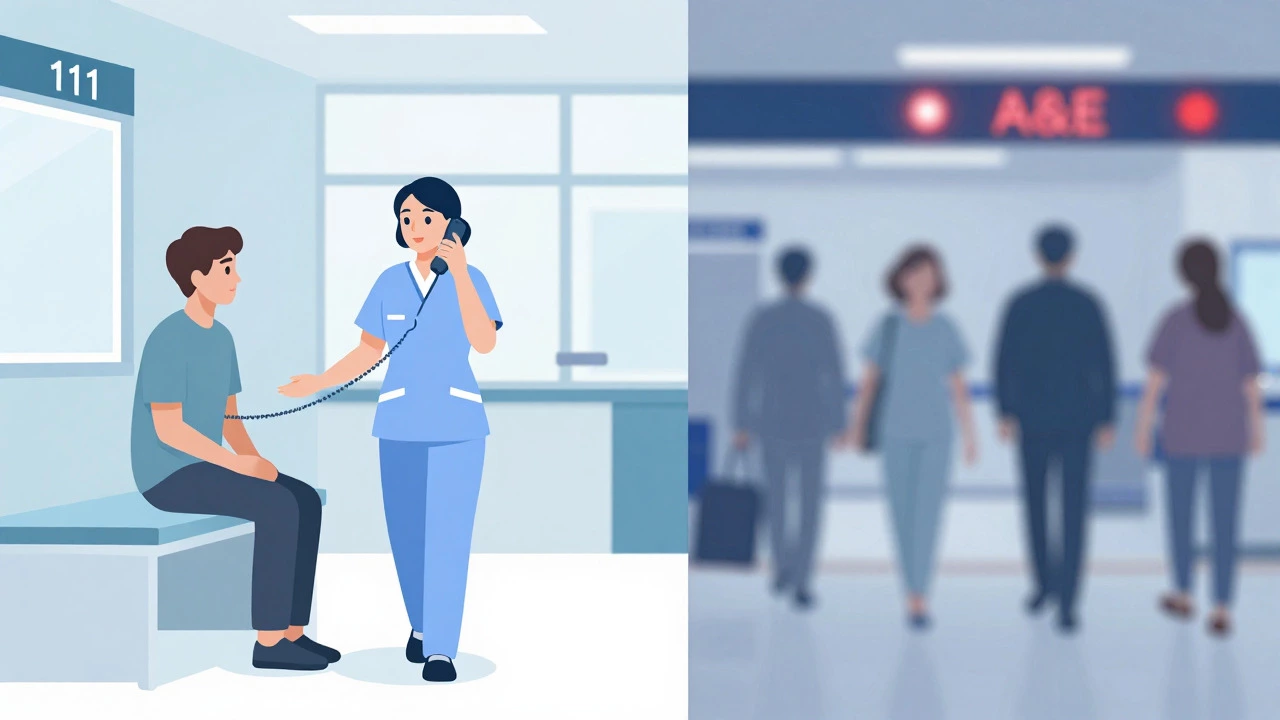
One of the biggest misconceptions is rushing to Accident & Emergency (A&E) for minor ailments. A&E is designed for life-threatening emergencies: heart attacks, strokes, severe trauma, or breathing difficulties. For everything else, the NHS offers intermediate options that are faster and less chaotic.
If you can’t get a same-day GP slot but feel too unwell to wait until tomorrow, consider these pathways:
- 111 Service: Call 111 for non-emergency medical advice. Nurses will assess your symptoms and direct you to the right service, which might include an urgent GP appointment or a walk-in center.
- Walk-in Centers: Many areas have independent walk-in clinics that handle minor injuries, prescriptions, and simple diagnoses without appointments.
- Pharmacy Consultations: Pharmacists can advise on minor ailments and sometimes prescribe certain medications directly, saving you a trip to the surgery.
Using the right channel reduces waiting times and ensures resources are available for those who truly need emergency care. It also keeps your records consistent if you eventually do need specialist referral.
Private Healthcare: When Speed Matters
While the NHS is free at the point of use, waiting lists can be frustrating. If you value speed or prefer a specific type of care, private healthcare offers a viable alternative. Private GPs typically operate on a pay-per-consultation basis, with fees ranging from £50 to £150 depending on the clinic and location.
Choosing a private doctor makes sense in these situations:
- You need a quick diagnosis for work-related stress or a minor injury that doesn’t fit NHS criteria for urgency.
- You want a second opinion before starting a major treatment plan.
- You prefer a clinic with extended hours or a specific gender preference for your provider.
However, keep in mind that private consultations may not automatically feed into your NHS records unless you request it. Always ask the private clinic to send a summary back to your NHS GP to maintain continuity of care.
Online Doctors: The Digital Frontline
The rise of telehealth has changed how we access primary care. Online doctors allow you to consult via video call or chat, which is ideal for minor ailments, prescription renewals, or mental health check-ins. Services like Lloyds Pharmacy, Superdrug, or dedicated apps offer this convenience.
Online consultations are best for:
- Renewing existing prescriptions for stable conditions.
- Discussing minor symptoms where physical examination isn’t critical.
- Getting initial triage advice when you’re unsure if you need an in-person visit.
That said, complex cases still require physical assessment. Blood tests, skin biopsies, and detailed abdominal exams can’t be done remotely. Use online tools as a bridge, not a replacement, for comprehensive care.

Comparison: Accessing Medical Help in the UK
| Option | Best For | Cost | Wait Time |
|---|---|---|---|
| NHS GP Surgery | Chronic care, referrals, routine checks | Free (with exceptions) | Varies (days to weeks) |
| A&E Department | Life-threatening emergencies | Free | Hours to days |
| 111 / Walk-in | Urgent but non-life-threatening issues | Free | Same day |
| Private GP | Speed, second opinions, convenience | £50 - £150+ | Same day / Next day |
| Online Doctor | Prescription renewals, minor triage | £10 - £30 | Minutes to hours |
Pro Tips for Efficient Appointments
Getting the most out of your GP visit requires preparation. Before you book, write down your symptoms, when they started, and any changes you’ve noticed. Bring a list of current medications, including supplements. If you’re anxious, bring a friend or family member to help remember details.
During the consultation, be honest. Embarrassment over symptoms often leads to misdiagnosis. Your GP has seen it all. Clear communication helps them make accurate decisions faster. After the visit, ask for a written summary if you need to share information with other providers.
Frequently Asked Questions
Do I need to register with a GP to see a doctor in the UK?
Yes, for NHS care, you must register with a local GP practice. Registration is free and open to anyone living in the UK. If you move, you should update your registration to ensure continuity of care.
What happens if I can’t get a GP appointment quickly?
Call 111 for advice. They may direct you to an urgent care center, a walk-in clinic, or arrange a priority slot with your GP. For emergencies, go straight to A&E or call 999.
Is it worth paying for a private GP consultation?
It depends on your needs. If you need immediate attention for a non-emergency issue or want a second opinion, private care offers speed and flexibility. However, ensure the results are shared with your NHS GP to avoid fragmented records.
Can online doctors prescribe antibiotics?
Yes, for suitable conditions after a digital assessment. However, they follow strict guidelines to prevent antibiotic resistance. If a physical exam is deemed necessary, they will refer you to an in-person provider.
How often should I see my GP for check-ups?
At least once a year for adults, more frequently if you have chronic conditions like asthma or diabetes. Regular check-ups help monitor risk factors and catch potential issues early.