Dental Implant Eligibility Checker
Disclaimer: This tool is for educational purposes only. It is not a medical diagnosis. Please consult a licensed dental professional for a clinical examination and X-rays.
Select any conditions or factors that apply to you to see how they might impact your implant candidacy.
Health & Medical Factors
Lifestyle & Developmental
Your Preliminary Summary
Основные причины отказа: Bone Density and Jaw Structure
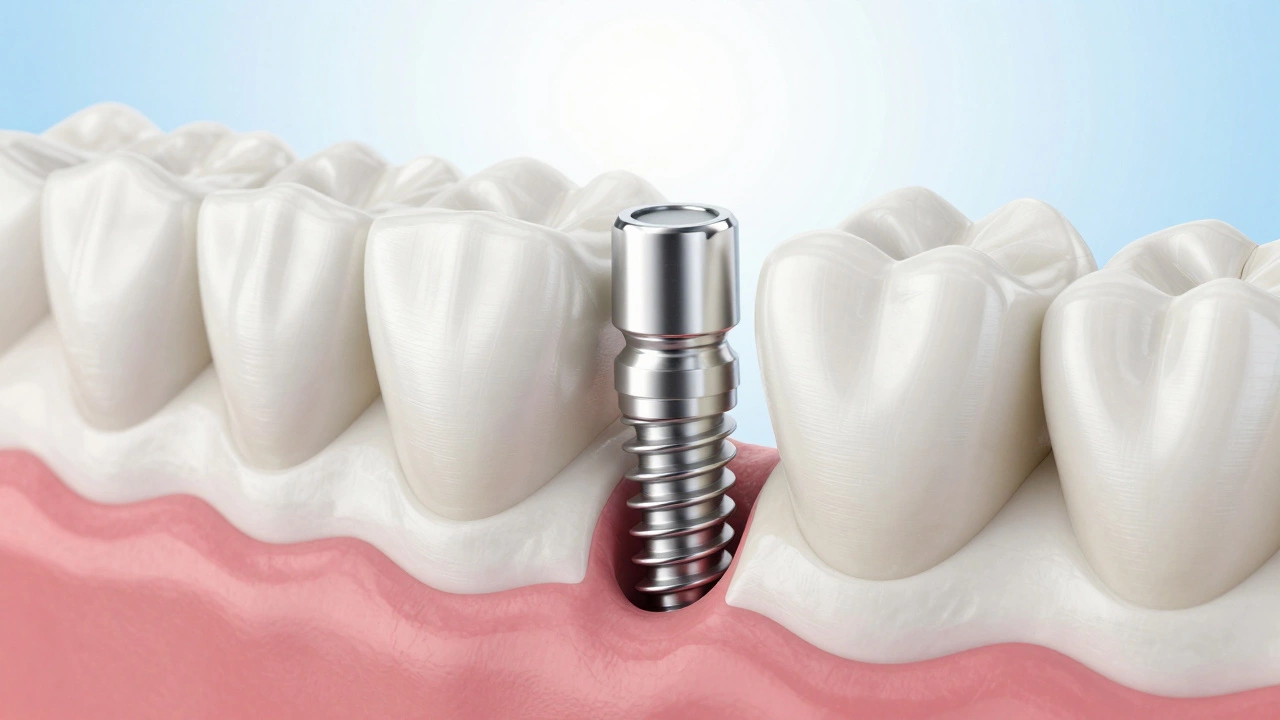
The biggest hurdle for many patients isn't a disease, but simply a lack of 'foundation.' Think of an implant like a fence post; if the ground is too sandy or soft, the post will lean or fall. In dental terms, this is bone loss. If you've had a tooth missing for years, the jawbone in that area begins to shrink because it's no longer being stimulated by chewing. If the bone is too thin, there's nothing for the implant to grip.
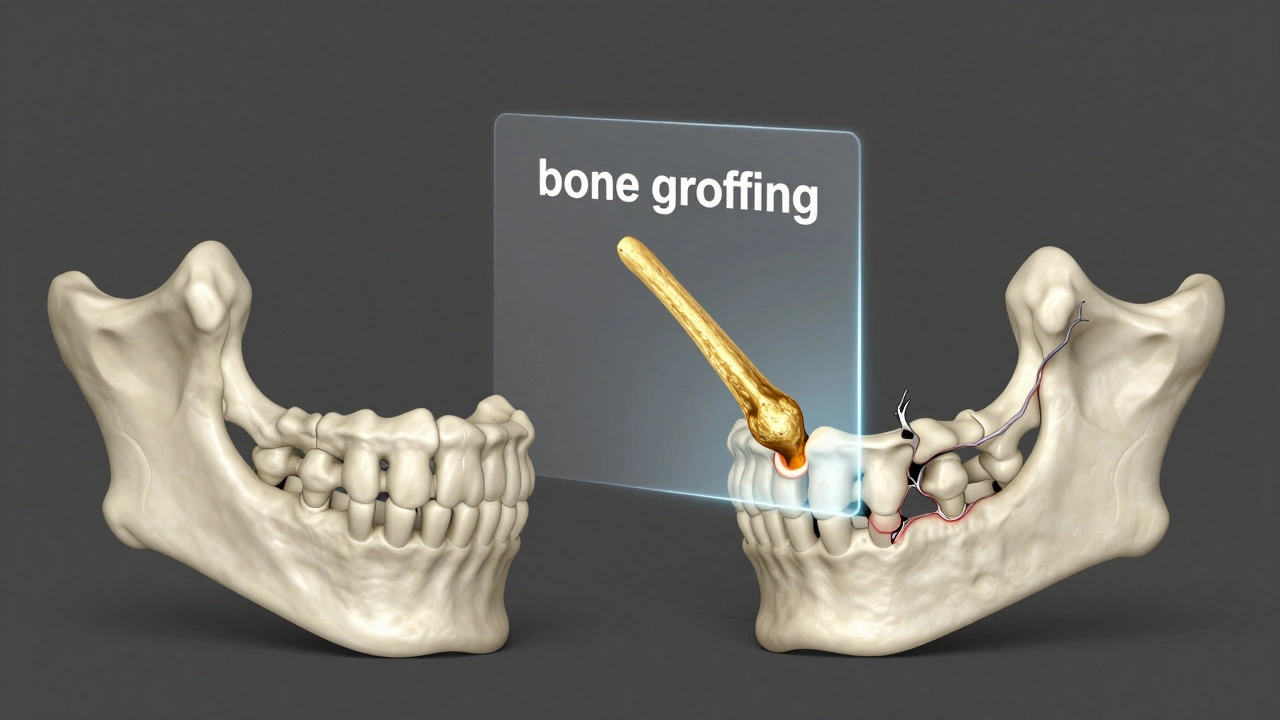
However, not having enough bone doesn't always mean you're permanently disqualified. Many dentists use Bone Grafting, a process where bone material is added to the site to build up the volume. But if you have severe systemic bone diseases or a level of atrophy that makes grafting impossible, you might be told that implants aren't an option for you.
Chronic Health Conditions and Healing
Your body's ability to heal is the engine that drives a successful implant. If that engine is stalled, the implant won't fuse. This is where chronic illnesses come into play. For instance, Diabetes can be a major factor. It's not that people with diabetes can't get implants-many do-but uncontrolled diabetes slows down healing and increases the risk of infection. If your HbA1c levels are consistently too high, a surgeon might insist you get your blood sugar under control before they even touch your jaw.
Autoimmune disorders also pose a challenge. Conditions like rheumatoid arthritis or lupus can cause the body to attack its own tissues, and in some cases, the inflammatory response can interfere with the implant's integration. Furthermore, if you are taking long-term Corticosteroids (like prednisone), your skin and bone healing is slowed down, which can lead to a higher failure rate.
The Impact of Medications: The Bisphosphonate Problem
One of the most critical 'red flags' for dental surgeons is the use of certain medications for osteoporosis. Specifically, Bisphosphonates (like Alendronate) can cause a rare but serious condition called osteonecrosis of the jaw. Essentially, the medication that prevents your hip or spine from breaking also prevents your jawbone from healing after a surgical wound. If the bone doesn't heal, it can actually die, leaving the implant exposed and causing a massive infection.
| Condition/Factor | Why it's a Problem | Potential Solution/Alternative |
|---|---|---|
| Severe Periodontitis | Active gum disease destroys the support system | Deep cleaning and gum treatment first |
| Heavy Smoking | Restricts blood flow to the gums and bone | Smoking cessation program |
| Uncontrolled Diabetes | High risk of infection and slow healing | Stabilize blood sugar with a GP |
| Bisphosphonate Use | Risk of jawbone necrosis (death) | Dental bridges or removable dentures |
| Extreme Bone Loss | No structural support for the screw | Bone grafting or Sinus Lifts |
Lifestyle Habits and Oral Hygiene
Surgery is only half the battle; maintenance is the other half. A person with severe, untreated Periodontitis (advanced gum disease) is often a poor candidate for implants. Why? Because the same bacteria that destroyed your natural teeth will likely attack the implant. While the titanium screw itself can't decay, the gums around it can get infected-a condition known as peri-implantitis. If you can't commit to a rigorous cleaning routine or have an active infection, a dentist won't risk placing an implant that is destined to fail.
Smoking is another heavy hitter. Nicotine constricts blood vessels, meaning less oxygen and fewer nutrients reach the surgical site. This drastically increases the chance that the implant won't 'take' to the bone. Some surgeons are happy to operate on smokers, while others have a strict rule: quit for at least few weeks before the procedure, or you're not getting the surgery.
Age and Developmental Factors
Can a teenager get an implant? Generally, no. While you might be missing a tooth due to an accident at 14, you have to wait until your jaw has completely finished growing. If an implant is placed in a growing jaw, it stays stationary while the rest of the bone moves, leading to the tooth appearing 'sunken' or completely out of alignment as you reach adulthood. Most dentists wait until the late teens or early twenties to ensure skeletal maturity.
On the other end of the spectrum, very elderly patients may be disqualified not by age, but by the fragility of their overall health. If a patient is too frail to undergo local anesthesia or cannot sit in a dental chair for an hour, the risk of the procedure outweighs the benefit of the new tooth.
What Happens if You're Not Eligible?
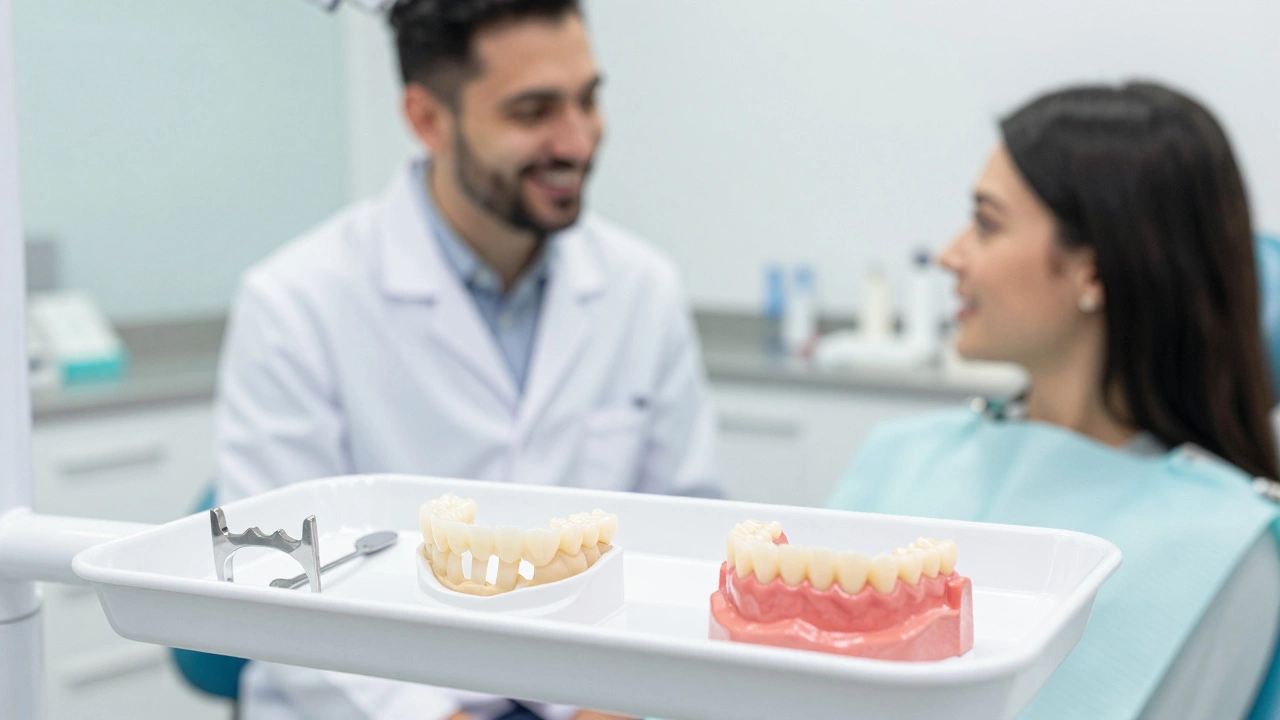
Getting told you can't have an implant can feel like a blow, but it doesn't mean you're stuck with a gap in your smile. Depending on why you were disqualified, there are several reliable dental implant alternatives that can give you the same aesthetic result.
- Dental Bridges: These are great for people with bone loss or those taking bisphosphonates. A bridge uses the neighboring teeth as anchors to hold a fake tooth in the middle. No surgery is required.
- Partial Dentures: If you're missing several teeth and aren't a candidate for surgery, a removable partial plate is a cost-effective and non-invasive option.
- Maryland Bridges: These are 'wing' bridges that bond to the back of existing teeth, meaning no drilling or bone surgery is needed.
- Implant-Supported Dentures: For those with some bone but not enough for individual implants, a few strategically placed implants can hold a full arch of teeth, reducing the number of surgical sites.
Can I get implants if I have a weak immune system?
It depends on the severity. If you are on immunosuppressant drugs (like those for organ transplants), your body's ability to fight infection is lowered, and your healing speed is reduced. You'll need a thorough evaluation by both your specialist and your dentist to see if the risk of post-op infection is too high.
Does smoking always mean I can't get dental implants?
Not necessarily, but it makes it much riskier. Smoking reduces blood flow to the gums, which can lead to implant failure. Many dentists will still perform the procedure but will warn you that the success rate is lower, or they may ask you to stop smoking for a period before and after surgery.
If I have diabetes, am I automatically disqualified?
No. Diabetes is not an absolute contraindication. However, uncontrolled diabetes is. If your blood sugar levels are stable and managed through medication and diet, your risk of infection is similar to that of a non-diabetic patient.
What is the 'best' alternative for someone who can't have surgery?
For a single missing tooth, a traditional dental bridge is usually the best choice as it's permanent and looks natural. For multiple missing teeth, high-quality removable partials or full dentures are the most common non-surgical routes.
Can I get an implant if I have very little bone left?
Often, yes, but it requires an extra step. You can undergo a bone graft or a sinus lift to create enough bone density to support the screw. Only in cases of extreme, systemic bone loss would an implant be completely ruled out.
Next Steps: How to Prepare for Your Consultation
If you're worried you might be in one of these categories, don't self-diagnose. The only way to know for sure is through a clinical exam and imaging. To make your first appointment more productive, do the following:
- List all medications: Write down every supplement and prescription you take, especially those for bone density or autoimmune issues.
- Gather medical history: Have your most recent HbA1c levels if you have diabetes, or a note from your physician regarding your heart health.
- Be honest about habits: Tell your dentist exactly how much you smoke or vape. They aren't there to judge you; they're there to ensure the implant doesn't fall out in six months.
- Ask about a 3D Scan: Request a Cone Beam CT (CBCT) scan. This provides a 3D view of your bone density, which is far more accurate than a standard X-ray for determining eligibility.