
One Small Step Mental Health Tool
What are you feeling right now?
Select one symptom from the list below. Your tiny next step will appear in 3 seconds.
Small steps build momentum. You've already started.
You wake up and your chest feels heavy. Not from lack of sleep, not from caffeine withdrawal - but like something inside you is just… broken. You’ve asked yourself, Why am I so messed up mentally? And you’re not alone. Millions of people ask this every day. Not because they’re weak. Not because they’re failing. But because life got loud, and no one taught them how to quiet it.
It’s not your fault
You didn’t choose to feel this way. You didn’t wake up one morning and decide, Today, I’m going to be anxious all day. You didn’t plan for the panic attacks, the numbness, the constant guilt that you’re not trying hard enough. Mental health isn’t a choice. It’s a response - to trauma you didn’t see coming, to stress that piled up over years, to hormones that went haywire, to loneliness disguised as being "busy."
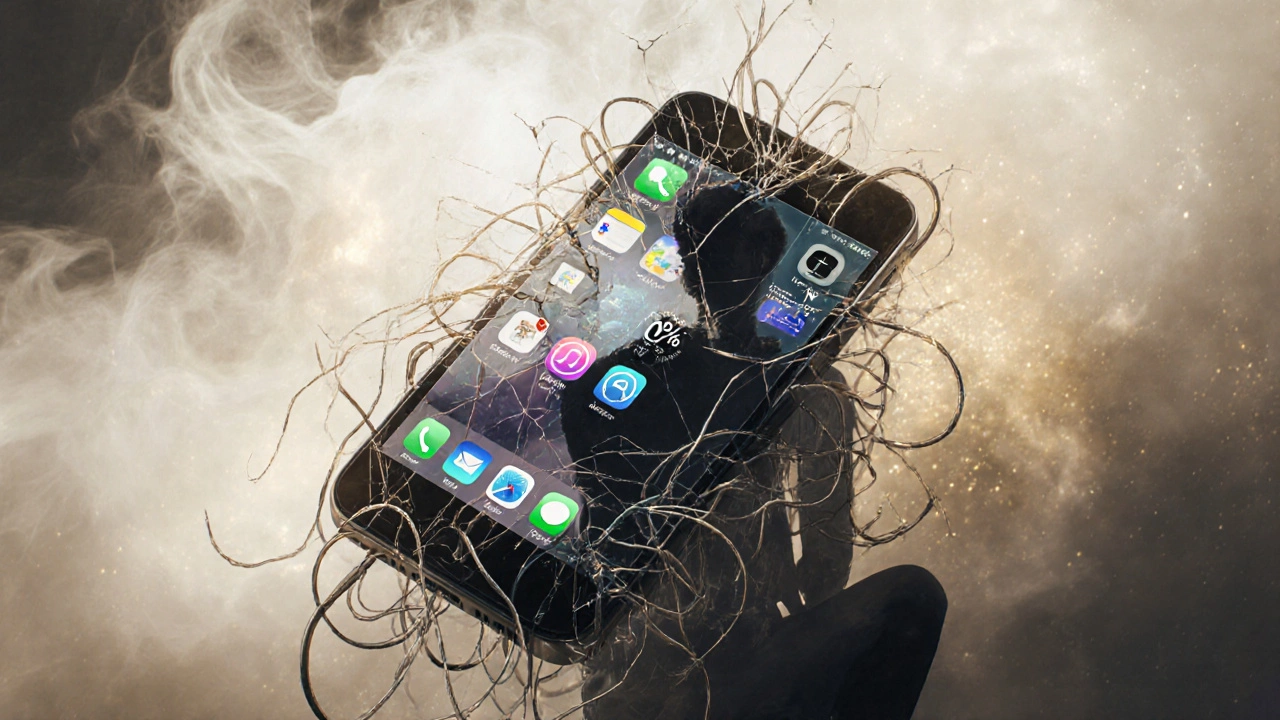
Think of your mind like a phone. You’ve been running 20 apps in the background for months. Some are outdated. Some are buggy. You keep ignoring the warning that the battery’s draining. You tell yourself, "I’ll restart later." But later never comes. Eventually, the phone shuts down. That’s what’s happening to you. Your nervous system is overloaded. You’re not broken. You’re just out of power.
What actually causes this?
There’s no single reason. It’s a mix. And it’s different for everyone. Here are the most common ones:
- Chronic stress - Working long hours, juggling bills, caring for someone sick, or just living in constant fear of falling behind. Stress doesn’t go away when the clock hits 5 p.m. It lingers. And over time, it rewires your brain to stay in fight-or-flight mode.
- Unresolved trauma - Not just big events like abuse or accidents. Tiny things matter too. A parent who never praised you. A friend who ghosted you. A teacher who made you feel stupid. These don’t show up in medical records, but they live in your body.
- Social isolation - Even if you have 500 friends on Instagram, you can still feel utterly alone. Real connection requires vulnerability. And if you’ve been hurt before, you learn to keep your guard up. That loneliness becomes a silent weight.
- Biological factors - Your brain chemistry isn’t broken. It’s just out of balance. Serotonin, dopamine, cortisol - these aren’t magic words. They’re real chemicals that regulate mood, energy, and stress. Genetics, sleep, diet, and hormones all play a role. You didn’t mess this up. Your body’s trying to adapt.
- Cultural pressure - We’re told to "be strong," "push through," "stay positive." But that’s not healing. That’s suppression. And when you suppress pain long enough, it turns into anxiety, depression, or burnout.
You’re not lazy - you’re exhausted
People tell you to "just get out of bed," "do more yoga," "meditate more." But if you’ve tried all that and still feel empty, you’re not failing. You’re grieving. You’re grieving the version of yourself that used to laugh easily. The one who didn’t dread Mondays. The one who didn’t cry in the shower because they couldn’t remember the last time they felt okay.
Exhaustion isn’t just physical. It’s emotional, mental, and spiritual. When you’re this drained, even small tasks feel like climbing a mountain. That’s not weakness. That’s your system screaming for rest. And rest doesn’t mean scrolling TikTok for three hours. It means silence. It means saying no. It means letting go of the guilt that you "should" be doing more.
What does healing actually look like?
Healing isn’t a destination. It’s not about becoming "fixed" or "happy all the time." It’s about learning to live with the mess - without being crushed by it.
Here’s what actually helps - not because it’s trendy, but because real people have used it and survived:
- Therapy that fits you - Not every therapist is right for every person. Some are too clinical. Others are too fluffy. Find someone who listens more than they talk. Someone who doesn’t push positive affirmations like they’re magic spells. Cognitive Behavioral Therapy (CBT) works for some. Somatic therapy helps others. EMDR can untangle trauma. Try a few. Keep going until you feel seen.
- Movement that doesn’t feel like punishment - You don’t need to run 10k. Walk. Dance in your kitchen. Stretch on the floor. Let your body move without goals. Movement isn’t about burning calories. It’s about reconnecting with yourself.
- Food that comforts, not controls - No, you don’t need a "clean diet" to heal. You need food that makes you feel safe. If eating a slice of cake helps you breathe for five minutes, let it. Mental health isn’t about perfection. It’s about kindness.
- Setting boundaries - Say no to people who drain you. Block the texts that trigger you. Unfollow accounts that make you feel worse. Protect your energy like it’s the last battery on your phone.
- Journaling without judgment - Write what you feel, even if it’s ugly. "I hate myself." "I’m tired of pretending." "I don’t know who I am anymore." Don’t edit it. Don’t fix it. Just write. Then burn it. Or keep it. Either way, it’s yours.
It’s okay to not have answers
You don’t need to understand why you feel this way to start getting better. You don’t need to trace it back to your childhood. You don’t need to label it. You don’t need to explain it to your family. You just need to take one small step. Maybe it’s calling a helpline. Maybe it’s texting a friend and saying, "I’m not okay." Maybe it’s just opening the window and breathing for 60 seconds.
Healing doesn’t happen in big leaps. It happens in tiny, quiet moments. The first time you cry and don’t apologize. The first time you say no and feel guilty - but say it anyway. The first time you eat breakfast without checking your phone.

You’re not alone - even when it feels like it
Right now, in Auckland, in London, in Tokyo, in São Paulo - someone else is lying in bed, wondering why they can’t just be normal. They’re scrolling through Instagram, comparing their mess to someone else’s highlight reel. They’re afraid to ask for help because they think they’re too much. Too broken. Too late.
You’re not too much. You’re not broken. You’re not late. You’re just human. And humans don’t have to be perfect to deserve peace.
Recovery isn’t about becoming someone new. It’s about coming back to yourself - the messy, tired, real version. The one who still wants to laugh. The one who still feels joy, even if it’s quiet now. The one who’s still here. And that’s enough.
Is it normal to feel this way all the time?
Yes - but that doesn’t mean it’s okay to stay this way. Feeling overwhelmed, numb, or anxious most days is common, especially in today’s world. But normal doesn’t mean permanent. Many people live this way for years, thinking it’s just who they are. It’s not. Help exists, and you deserve to feel better.
Can I fix this on my own?
You can make small improvements alone - better sleep, movement, journaling. But mental health isn’t something you fix like a flat tire. It’s a deep, layered system. Talking to a professional doesn’t mean you’re weak. It means you’re smart. Therapy gives you tools you can’t learn from a blog or YouTube video.
What if I can’t afford therapy?
You’re not alone in this. In New Zealand, you can access free or low-cost counseling through PHO (Primary Health Organisations). Many community centers offer sliding-scale services. Online platforms like Lifeline and Mental Health Foundation NZ have free resources and chat lines. You don’t need a big wallet to start healing.
Will I ever feel like myself again?
You won’t feel like the exact same person you were before - and that’s okay. Healing changes you. But you will feel like yourself again - the real you, not the version you’ve been pretending to be. The one who can laugh without forcing it. The one who can rest without guilt. That person is still in there. They’re just waiting for you to stop running.
How do I know if I need medication?
If your symptoms are severe - you can’t sleep, you’ve lost interest in everything, you’re having thoughts of self-harm - then medication might help. It’s not a cure. It’s a tool. Like glasses for your brain. Many people use it short-term. Others use it long-term. There’s no shame. It’s not weakness. It’s medicine. Talk to a GP or psychiatrist. They can help you decide.
Where to go from here
Start small. Pick one thing from this list. Not five. One. Maybe it’s calling Lifeline (0800 543 354) just to hear a voice that doesn’t judge. Maybe it’s writing down three things you felt today - even if they were just "tired," "scared," or "nothing." Maybe it’s turning off your phone for 30 minutes and just breathing.
You don’t need to be fixed. You don’t need to be productive. You just need to be here. And you are. That’s more than enough.