Modern Aging Score Calculator
Discover how your current habits compare to the "New Fifty" standard. This tool evaluates key pillars of modern anti-aging science: photoprotection, cellular health, nutrition, and stress management.
Awaiting Input
Select your habits above to see how they compare to the modern anti-aging standard.
You’ve probably noticed it. That woman in the checkout line at the supermarket looks like she’s in her late thirties, but you know she’s pushing fifty. Or maybe your colleague who just hit the big five-zero has a glow that makes you question your own morning routine. It’s not magic, and it’s rarely just good genes anymore. There is a tangible shift happening in how we age, and it’s driven by a perfect storm of medical advancements, lifestyle changes, and a cultural pivot toward preventative care.
The reason anti-aging treatments are so effective now isn’t just about hiding wrinkles; it’s about fundamentally changing how our bodies handle time. We aren’t just treating symptoms; we’re intervening in the biological processes that cause decay. If you’re wondering why the new fifty doesn’t look like the old sixty, here is what’s actually happening under the surface.
The Biological Clock Has Been Rewired
Aging is essentially the accumulation of damage to our cells over time. For decades, we accepted this as inevitable. But modern science has cracked open the code on cellular senescence-the point where cells stop dividing and start leaking inflammatory chemicals that make neighboring cells age faster. This is often called "inflammaging," and it’s the primary driver of visible aging.
We now have tools to target this directly. Take NAD+ precursors, for example. Nicotinamide Adenine Dinucleotide (NAD+) is a coenzyme found in all living cells, crucial for energy metabolism. Levels drop significantly as we age. By supplementing with precursors like NMN or NR, many people are restoring cellular energy levels to those of younger adults. It’s not just a pill; it’s a metabolic reset. When your cells have enough energy, they repair themselves more efficiently. You don’t just feel better; your skin regenerates faster, healing from sun damage or acne scars quicker than it did ten years ago.
Then there’s the role of mitochondrial health. Mitochondria are the powerhouses of your cells. As they degrade, skin loses its bounce and vitality. Interventions like CoQ10 supplementation and specific exercise protocols help maintain mitochondrial density. A study published in Cell Metabolism highlighted that maintaining mitochondrial function can delay the onset of age-related diseases. When your internal engine runs smoother, your external appearance reflects that efficiency.
Sun Protection Is No Longer Optional
If you ask any dermatologist in Auckland or London, they’ll tell you the same thing: eighty percent of visible skin aging comes from UV exposure. Twenty years ago, sunscreen was an afterthought, applied only when going to the beach. Today, it’s a daily ritual, non-negotiable, rain or shine. This single behavioral change has had a massive impact on the collective appearance of middle-aged adults.
But it’s not just about wearing SPF 30. The formulation has changed. Modern sunscreens offer broad-spectrum protection against UVA rays, which penetrate deep into the dermis and break down collagen. They also protect against HEV light (high-energy visible light) from screens and infrared radiation, which contribute to pigmentation and heat stress in the skin. People in their fifties today have been using high-quality photoprotection since their twenties, meaning they haven’t accumulated the same depth of photo-damage as previous generations.
Consider the difference between a person born in 1960 and one born in 1976. The latter grew up during the rise of the "skin cancer awareness" campaigns. They were taught early that a tan is a sign of damage, not health. This generational shift means the current cohort of 50-year-olds has significantly less solar elastosis-a condition where UV rays damage elastic fibers in the skin, leading to sagging and deep creases.
Aesthetic Medicine Has Shifted From Restoration to Prevention
Gone are the days when people waited until they looked "old" to see a cosmetic doctor. The trend now is preventative aesthetics. Treatments like Botox and dermal fillers are being used earlier and more subtly. Instead of freezing the face completely, practitioners use micro-dosing techniques to relax muscles just enough to prevent lines from etching in permanently.
This approach preserves facial expression while stopping gravity from winning too early. For instance, prophylactic Botox in the forehead prevents the formation of static wrinkles-lines that remain even when your face is at rest. Once those lines form, they require much more aggressive treatment to fix. By catching them before they set, 50-year-olds today retain a smoothness that wasn’t possible for their parents’ generation.
Dermal fillers have also evolved. Hyaluronic acid fillers, once used primarily to plump lips, are now used strategically to restore volume loss in the cheeks and temples. Volume loss is a key marker of aging; as we lose fat pads in the face, we look gaunt. Restoring this structure lifts the face without surgery. It’s less invasive than a facelift but offers significant rejuvenation. The goal isn’t to look twenty again; it’s to look like the best version of yourself at fifty.
| Factor | Previous Generation (Age 50) | Current Generation (Age 50) |
|---|---|---|
| Sun Exposure Habits | Occasional sunscreen use; tanning valued | Daily broad-spectrum SPF; blue-light protection |
| Aesthetic Intervention | Reactive (after wrinkles appear) | Proactive (prevention via micro-dosing) |
| Nutrition Focus | Calorie counting; low-fat diets | Anti-inflammatory; intermittent fasting; gut health |
| Stress Management | High chronic stress; limited recovery tools | Mindfulness apps; sleep tracking; active recovery |
Nutrition and Gut Health Are Central to Skin Vitality
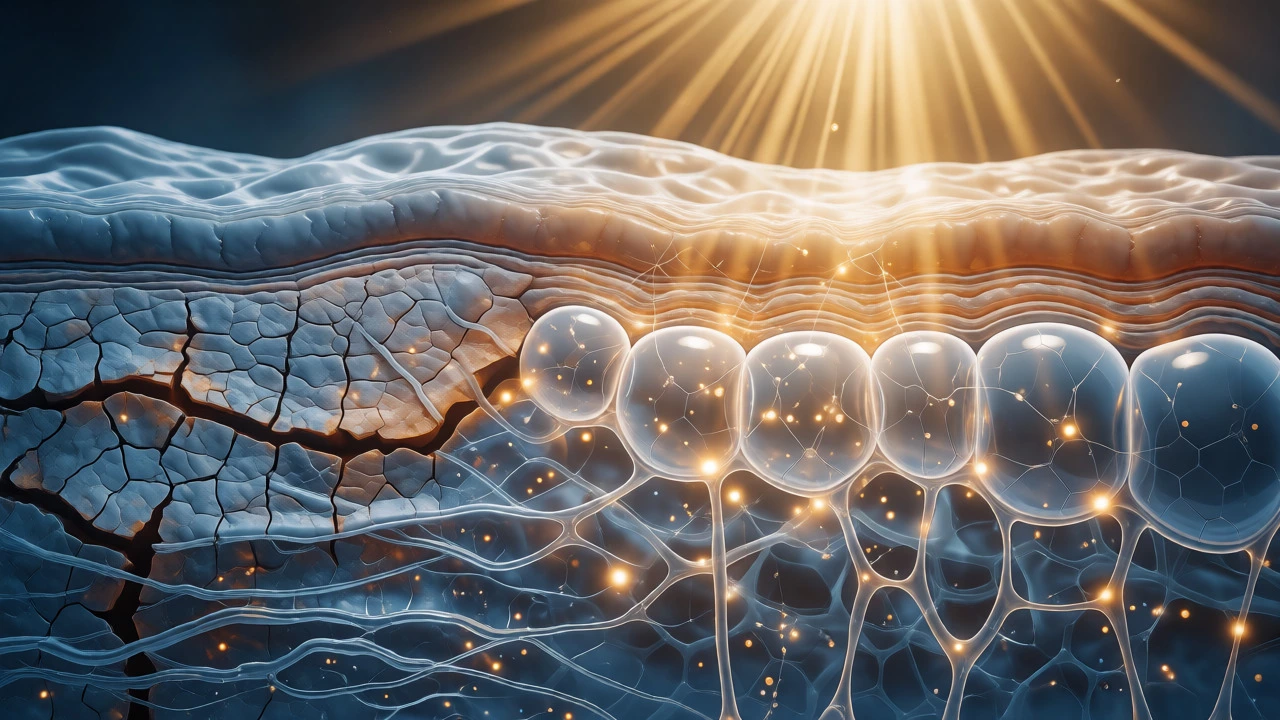
Your skin is a mirror of your gut. Emerging research confirms a strong link between microbiome diversity and skin conditions like acne, eczema, and premature aging. People today are far more aware of this connection. They consume fermented foods, probiotics, and prebiotic fibers to support a healthy gut lining. A robust gut reduces systemic inflammation, which in turn protects collagen structures in the skin.
Dietary choices have shifted from simple calorie restriction to nutrient density. Omega-3 fatty acids, antioxidants from colorful vegetables, and polyphenols found in green tea and dark chocolate are staples. These compounds combat oxidative stress-the rusting of our cells caused by free radicals. When you reduce oxidative stress through diet, you slow down the breakdown of hyaluronic acid and collagen. It’s a slow burn, but over two decades, the difference is stark.
Intermittent fasting has also gained traction as a tool for autophagy. Autophagy is the body’s way of cleaning out damaged cells to regenerate newer, healthier ones. By giving the digestive system a break, you trigger this repair process. Many 50-year-olds practice time-restricted eating, not just for weight control, but for cellular renewal. This internal cleanup crew keeps tissues looking fresh and resilient.
Technology Tracks What We Can’t See
We live in the era of quantified self. Wearable tech tracks sleep quality, heart rate variability, and oxygen saturation. Sleep is arguably the most underrated anti-aging tool. During deep sleep, growth hormone peaks, repairing tissue and boosting collagen synthesis. Poor sleep increases cortisol, which breaks down collagen. By monitoring their sleep cycles, modern adults can identify disruptions and adjust habits to maximize restorative rest.
At-home devices have also democratized professional-grade results. LED light therapy masks, microcurrent devices, and radiofrequency tools allow users to stimulate collagen production in their living rooms. Red light penetrates the skin to boost mitochondrial activity, while near-infrared light reduces inflammation. Using these devices consistently complements clinical treatments, keeping results sustained between appointments.

The Psychological Shift: Confidence Changes Posture
Don’t underestimate the power of mindset. Previous generations often viewed midlife as a decline. Today, it’s seen as a peak performance phase. This psychological shift affects physical presentation. People who feel vibrant stand taller, smile more, and engage socially. Stress hormones decrease when you feel empowered rather than resigned. Chronic stress accelerates telomere shortening-the caps on chromosomes that determine cellular lifespan. Lower stress equals longer telomeres equals slower aging.
Furthermore, social media has created a culture of shared knowledge. Information about skincare ingredients like retinol, vitamin C, and peptides is accessible to everyone. You no longer need a wealthy background to access top-tier advice. This democratization of beauty science means that even average consumers are making smarter choices with their money and time.
What This Means for Your Routine
If you want to replicate this youthful appearance, you don’t need a million-dollar budget. Start with the basics that have the highest ROI:
- Prioritize Sunscreen: Use SPF 50 every day, indoors and outdoors. Reapply if you’re near windows.
- Incorporate Retinoids: Vitamin A derivatives are the gold standard for cell turnover. Start low and go slow to avoid irritation.
- Support Collagen Internally: Consider hydrolyzed collagen supplements or bone broth. Pair them with Vitamin C for absorption.
- Manage Inflammation: Cut back on sugar and processed foods. Add turmeric, ginger, and leafy greens to your plate.
- Protect Your Sleep: Aim for 7-8 hours of quality sleep. Keep your room cool and dark.
The secret isn’t a single miracle cure. It’s the compounding effect of small, consistent actions. The 50-year-olds who look young today didn’t wake up that way. They built it, year by year, through choices that protected their biology.
Is it too late to start anti-aging treatments at 50?
No, it is never too late. While prevention yields the best long-term results, starting interventions like retinoids, sunscreen, and hydration-focused treatments at 50 can still significantly improve skin texture and tone. Clinical treatments like laser resurfacing or injectables can reverse some existing damage, though maintenance will be required.
Do expensive creams really work better than drugstore brands?
Price does not always equal efficacy. The key is the active ingredients. A $15 moisturizer with proven ingredients like niacinamide or ceramides can outperform a $100 cream with fancy packaging but weak actives. However, luxury brands often invest more in formulation stability and penetration technology, which can matter for certain ingredients like pure vitamin C.
How does menopause affect skin aging?
The drop in estrogen during menopause leads to a rapid decrease in collagen production and skin thickness. Skin becomes drier and more prone to sagging. Hormone replacement therapy (HRT), if suitable, can mitigate some of these effects, as can topical estrogen creams prescribed by a dermatologist.
Are oral supplements safe for anti-aging?
Generally, yes, but quality varies. Look for third-party tested supplements. Common safe options include Vitamin D, Omega-3s, and Collagen Peptides. Always consult with a healthcare provider before starting new supplements, especially if you take other medications, to avoid interactions.
Does smoking really make you look older?
Yes, dramatically. Smoking constricts blood vessels, reducing oxygen flow to the skin. It also degrades elastin and collagen. Smokers often develop deeper wrinkles around the mouth and eyes and have a duller complexion compared to non-smokers of the same age.